
In this captivating article, you will discover the latest advances in HIV infection research. Delve into the cutting-edge discoveries and breakthroughs that scientists have made in understanding and combatting this complex virus. With new insights and innovations, promising developments are emerging that could potentially transform the future of HIV treatment and prevention. Stay informed and be amazed by the progress being made in the field of HIV research.
Latest Advances in HIV Infection Research
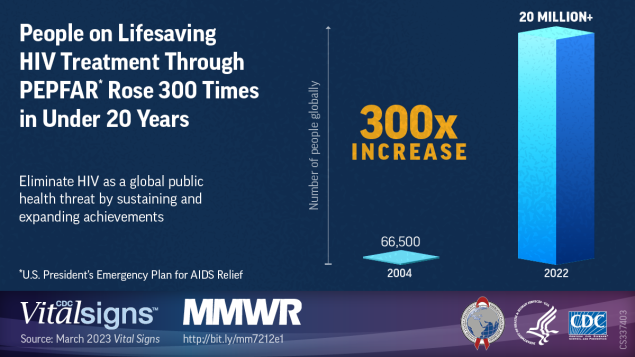
HIV Infection is a global health concern that has been extensively researched over the years. Thanks to advances in science and medicine, significant progress has been made in understanding, prevention, and management of this infectious disease. In this article, we will explore the latest advances in HIV infection research, covering various aspects ranging from antiretroviral therapy to psychosocial aspects of HIV/AIDS.
Advances in Antiretroviral Therapy
Introduction to Antiretroviral Therapy (ART)
Antiretroviral Therapy, commonly known as ART, has revolutionized the treatment of HIV infection. ART involves the use of a combination of drugs that suppress the replication of the virus in the body. This therapy has proved to be highly effective in reducing viral load, improving immune function, and prolonging the lives of individuals living with HIV.
The Role of ART in HIV Management
ART plays a crucial role in the management of HIV infection. It not only helps individuals with HIV live longer and healthier lives but also reduces the risk of transmitting the virus to others. The initiation of ART early in the course of infection has been shown to significantly improve health outcomes and decrease the likelihood of HIV transmission.
Long-acting ART Formulations
One of the recent advances in antiretroviral therapy is the development of long-acting formulations. These formulations involve administering medications that can provide sustained drug levels in the body, reducing the frequency of drug intake. Long-acting ART has the potential to improve treatment adherence and simplify the management of HIV infection, leading to better outcomes for patients.
Novel Approaches to Drug Delivery
In addition to long-acting formulations, researchers are exploring novel approaches to drug delivery in HIV treatment. These include innovative methods such as vaginal or rectal gels, implants, and patches that can effectively deliver antiretroviral drugs. Such approaches aim to improve convenience, adherence, and effectiveness of HIV treatment, especially in resource-limited settings where access to medications can be challenging.
New Drug Developments
Promising Drug Candidates
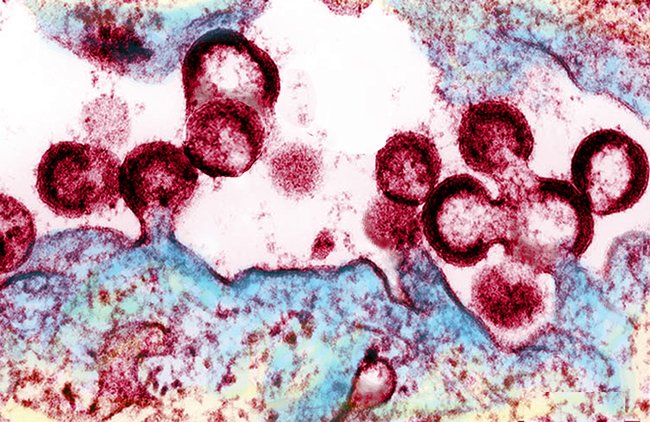
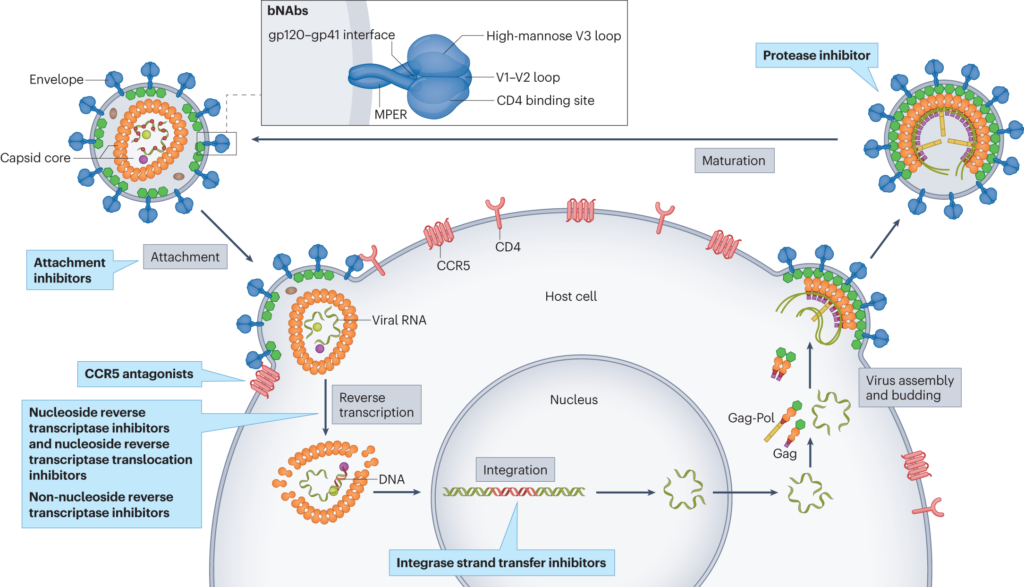
Continuous research efforts have led to the identification of several promising drug candidates for HIV treatment. These candidates include novel antiretroviral drugs that target different stages of the virus replication cycle, as well as emerging classes of drugs that can combat drug-resistant strains of HIV. The development and availability of new drug options help address the challenges associated with drug resistance and expand treatment options for individuals living with HIV.
Drug Resistance and Novel Compounds
The emergence of drug-resistant strains of HIV poses a significant challenge to effective treatment. Researchers are actively working to develop novel compounds that can overcome drug resistance and effectively suppress the virus. By understanding the mechanisms of drug resistance and developing innovative drugs, scientists aim to ensure that individuals with drug-resistant HIV can still benefit from effective treatment options.
Combination Therapies
Combination therapies, which involve using multiple antiretroviral drugs simultaneously, have proven to be highly effective in HIV management. The use of a combination of drugs with different mechanisms of action helps prevent the development of drug resistance and enhances treatment outcomes. Researchers continue to investigate optimal drug combinations and treatment regimens to further improve the efficacy and tolerability of HIV treatment.
Prevention Strategies
Pre-exposure Prophylaxis (PrEP)
Pre-exposure Prophylaxis, commonly known as PrEP, is a preventive strategy that involves the use of antiretroviral drugs by individuals at high risk of acquiring HIV. PrEP has been shown to greatly reduce the risk of HIV transmission when taken consistently. The availability and widespread use of PrEP have the potential to significantly contribute to HIV prevention efforts, especially among key populations at elevated risk.
Post-exposure Prophylaxis (PEP)
Post-exposure Prophylaxis, or PEP, is a preventive strategy used following potential exposure to HIV. It involves the use of antiretroviral drugs for a specified duration to reduce the risk of HIV infection. Prompt initiation of PEP after exposure has been shown to be highly effective in preventing HIV transmission. Ongoing research is focused on optimizing PEP regimens and ensuring timely access to this preventive treatment.
Microbicides and Barrier Methods
Microbicides are substances or products that can be applied topically to prevent HIV transmission during sexual activity. These products can include gels, creams, or vaginal rings that contain antiretroviral agents. Barrier methods, such as male and female condoms, also play a vital role in preventing HIV transmission. Continued research and development in this area aim to enhance the efficacy and availability of microbicides and barrier methods as preventive tools.
Behavioral Strategies
Beyond biomedical interventions, behavioral strategies play a crucial role in HIV prevention. These include promoting HIV testing, encouraging safe sexual practices, and addressing factors that contribute to risky behaviors. By addressing the social and behavioral determinants of HIV transmission, researchers and healthcare providers aim to develop comprehensive prevention strategies that encompass both biomedical and psychosocial aspects.
Vaccine Research
Current Vaccine Approaches
Vaccine research for HIV has been a long-standing effort, and although no effective vaccine has been developed thus far, promising progress has been made. Current vaccine approaches include various strategies, such as using viral vectors to deliver HIV antigens, designing vaccines that elicit broadly neutralizing antibodies, and exploring unique mechanisms to stimulate cellular immunity. These approaches aim to induce a robust immune response against HIV and ultimately prevent or control infection.
Challenges in HIV Vaccine Development
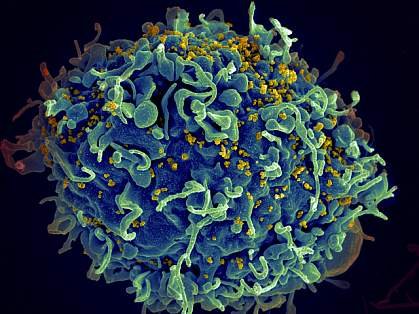
Developing an effective HIV vaccine has been challenging due to the unique properties of the virus and the complex immune responses it elicits. HIV has a high mutation rate, which allows it to evade the immune system and develop drug resistance. Additionally, the virus targets the very cells responsible for mounting an immune response, further complicating the development of an effective vaccine. Despite these challenges, researchers remain committed to finding a safe and effective HIV vaccine.
Progress in Vaccine Trials
Clinical trials play a critical role in testing the safety and efficacy of potential HIV vaccines. Significant progress has been made in conducting large-scale vaccine trials and evaluating various vaccine candidates. These trials not only provide valuable insights into vaccine efficacy and safety but also contribute to our understanding of the immune responses against HIV. Ongoing trials continue to refine vaccine approaches and explore the potential for an effective HIV vaccine in the future.
Understanding HIV Transmission
Routes of Transmission
Understanding the different routes of HIV transmission is essential for effective prevention strategies. HIV can be transmitted through sexual contact, blood and blood products, intravenous drug use, mother-to-child transmission during childbirth or breastfeeding, and occupational exposure among healthcare workers. By identifying and addressing the specific routes of transmission, targeted prevention interventions can be developed to reduce the risk of HIV acquisition.
Identifying High-Risk Populations
Certain populations are at a higher risk of contracting HIV due to various factors, including behaviors, social determinants, and biological factors. Identifying and targeting these high-risk populations is crucial for effective prevention efforts. Key populations at elevated risk of HIV infection can include men who have sex with men, transgender individuals, people who inject drugs, and sex workers. Tailored prevention strategies that address the unique needs of these populations are essential for reducing HIV transmission.
Preventing Mother-to-Child Transmission
Preventing mother-to-child transmission of HIV is a major focus in HIV research and prevention efforts. Through comprehensive antenatal care, HIV testing, and provision of antiretroviral medications, the risk of transmission from an HIV-positive mother to her child can be significantly reduced. Continued research aims to optimize prevention methods and ensure universal access to effective interventions, thereby eliminating new HIV infections among infants.
Sexual and Non-sexual Transmission
HIV can be transmitted through both sexual and non-sexual modes. Sexual transmission remains the most common route, and safer sexual practices such as condom use and regular HIV testing play a pivotal role in preventing HIV acquisition. Non-sexual transmission can occur through contaminated needles or syringes among people who inject drugs, occupational exposures, and blood transfusions. Targeted prevention strategies addressing these modes of transmission are essential to reducing the incidence of new HIV infections.
Genetic Studies and HIV
Role of Host Genetics in HIV Susceptibility
Host genetics plays a significant role in determining an individual’s susceptibility to HIV infection and disease progression. Certain genetic variations can alter the immune response to HIV, affecting the rate of viral replication, clinical outcomes, and response to antiretroviral therapy. Studying host genetics provides valuable insights into the pathogenesis of HIV and helps identify potential targets for therapeutic interventions.
Impact of Viral Variability on Disease Progression
HIV exhibits extensive genetic diversity, which contributes to its ability to evade the immune system and develop drug resistance. Viral variability has a considerable impact on disease progression and the course of HIV infection. Understanding the genetic makeup of the virus and its implications for disease progression can guide treatment decisions and aid in the development of more effective antiretroviral drugs.
Pharmacogenomics and Personalized Treatments
Personalized medicine is an emerging field that aims to tailor medical treatments based on an individual’s genetic profile. In the context of HIV, pharmacogenomics explores the relationship between genetic variations and the response to antiretroviral therapy. By identifying genetic markers associated with treatment response and drug toxicity, researchers can develop targeted treatment strategies, minimize adverse effects, and optimize therapy outcomes.
Cure and Remission Research
Current Strategies for HIV Cure
The holy grail of HIV research is finding a cure for the virus. Current strategies for achieving an HIV cure involve a combination of approaches, including shock and kill, immune-based therapies, and gene-editing techniques. These strategies aim to eliminate the virus from the body or achieve a functional cure where the virus is maintained at undetectable levels without the need for lifelong antiretroviral therapy.
Functional HIV Cure and Treatment-Free Remission
A functional HIV cure refers to achieving long-term control of the virus without the need for antiretroviral therapy. While complete eradication of the virus remains elusive, significant progress has been made in achieving sustained viral suppression in some individuals. Treatment-free remission, where individuals can maintain undetectable viral levels after a specified period of treatment, offers hope for reducing the burden of lifelong therapy and achieving better long-term health outcomes.
Gene Therapy Approaches
Gene therapy approaches harness the power of gene editing and manipulation to target HIV-infected cells and modify their genetic material. Techniques such as CRISPR-Cas9 hold promise in removing HIV proviral DNA from infected cells and potentially curing HIV infection. While gene therapy is still in its early stages of development, it represents an exciting avenue for future research and potential breakthroughs in HIV cure strategies.
Psychosocial Aspects of HIV/AIDS
Stigma and Discrimination
Stigma and discrimination surrounding HIV/AIDS remain significant barriers to effective prevention and care. Individuals living with HIV often face social isolation, prejudice, and denial of basic rights, which can adversely impact their mental health and overall well-being. Recognizing and addressing stigma and discrimination is crucial for creating an inclusive society and ensuring equitable access to HIV prevention, treatment, and support services.
Mental Health and HIV
HIV infection is associated with a higher prevalence of mental health issues such as depression, anxiety, and substance abuse. The psychosocial impact of living with HIV can be profound, affecting quality of life, treatment adherence, and disease management. Integrated mental health services and support programs are crucial for addressing the mental health needs of individuals living with HIV, promoting resilience, and improving overall health outcomes.
Psychosocial Support Programs
Psychosocial support programs play a vital role in addressing the holistic needs of individuals affected by HIV/AIDS. These programs provide emotional support, counseling, and practical assistance to enhance coping mechanisms and improve quality of life. Support groups, peer counseling, and community-based interventions can empower individuals, reduce isolation, and foster resilience in the face of the challenges posed by HIV infection.
Addressing HIV-related Trauma
HIV-related trauma encompasses the psychological and emotional impact of living with or being affected by HIV. Trauma can result from a variety of factors, including diagnosis, disclosure, loss of loved ones, or experiences of violence and abuse. Recognizing and addressing HIV-related trauma is essential for comprehensive care and involves trauma-informed approaches that prioritize safety, trust, and empowerment.
Co-infections and Comorbidities
Individuals living with HIV are at an increased risk of acquiring other infections and developing comorbidities. Co-infections such as tuberculosis, hepatitis B and C, and sexually transmitted infections can complicate HIV management and increase the burden of disease. Additionally, non-communicable diseases, including cardiovascular diseases, diabetes, and certain cancers, are more prevalent among people living with HIV. Research efforts aim to understand and manage these co-infections and comorbidities to optimize the health outcomes of individuals living with HIV.
Targeting HIV Reservoirs
Latent HIV Reservoirs
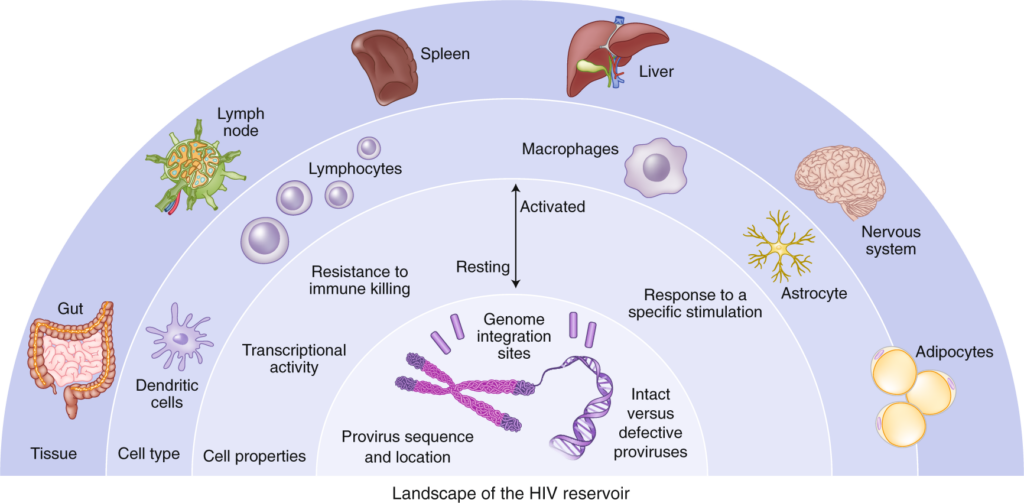
HIV reservoirs are cells that harbor latent, non-replicating forms of the virus, making them immune to current antiretroviral therapy. These reservoirs can persist in the body for many years and pose a significant barrier to achieving a cure for HIV. Research is focused on identifying and characterizing these reservoirs to develop strategies that can target and eliminate them, ultimately aiming to achieve a complete cure or long-term remission of the virus.
Strategies to Target and Eliminate Reservoirs
Multiple strategies are being explored to target and eliminate HIV reservoirs. Approaches such as latency-reversing agents, immune-based therapies, and gene editing techniques aim to activate latent HIV and trigger the immune system to clear the virus. Combination strategies that combine various approaches hold promise in effectively targeting and eliminating the reservoirs, bringing researchers closer to developing a cure for HIV.
Immune-based Therapies
Harnessing the power of the immune system is a key focus in HIV cure research. Immune-based therapies aim to boost and redirect the immune response against HIV, enhancing the immune system’s ability to control the virus. Therapies such as therapeutic vaccines, immune checkpoint inhibitors, and monoclonal antibodies are being investigated for their potential to enhance immune responses and contribute to the eradication or control of HIV.
In conclusion, the latest advances in HIV infection research have brought significant progress in various aspects of prevention, treatment, and cure strategies. From the development of novel antiretroviral therapies and preventive strategies to understanding the genetic factors influencing HIV susceptibility, this research continues to shape the fight against HIV/AIDS. With ongoing efforts and collaborations, the hope for a future without HIV remains strong, bolstered by scientific discoveries and a commitment to improving the lives of individuals affected by this relentless virus.