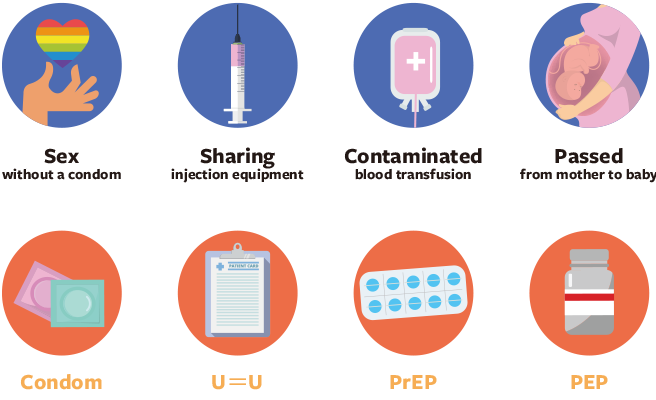
Imagine a world where HIV infection becomes a thing of the past, where people no longer have to live in fear of contracting this devastating disease. In this article, we will explore the necessary steps you can take to prevent HIV infection and safeguard your health and the health of those around you. By understanding the risks, practicing safe behaviors, and staying informed about the latest advancements, you can play an active role in the fight against HIV and help pave the way towards a healthier future for all.
Prevention Methods
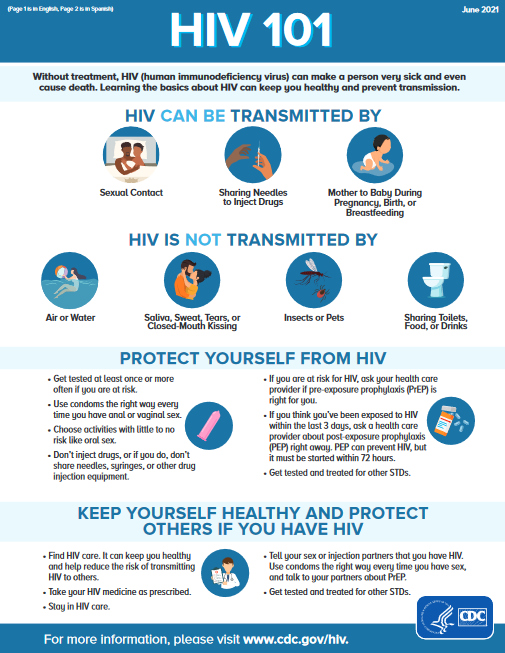
HIV infection is a serious health issue that affects millions of people worldwide. Fortunately, there are several effective prevention methods available to help reduce the risk of acquiring HIV. By practicing these prevention methods, you can protect yourself and others from this virus.
Abstinence
Abstinence refers to refraining from any form of sexual activity, including vaginal, anal, and oral sex. It is an essential prevention method that completely eliminates the risk of HIV transmission. While abstinence may not be feasible for everyone, it is an option that should be considered, especially for individuals who are not in a committed relationship or are unsure of their partner’s HIV status.
Practicing abstinence not only prevents HIV transmission but also eliminates the possibility of other sexually transmitted infections (STIs). By choosing abstinence, you have complete control over your sexual health and can pursue other aspects of life without worrying about the risk of HIV.
Safe Sex Practices
Safe sex practices play a crucial role in preventing HIV transmission among individuals who are sexually active. By following safe sex guidelines, you can significantly reduce the risk of acquiring HIV.
Using condoms consistently and correctly is one of the most effective safe sex practices. Condoms act as a barrier, preventing the exchange of bodily fluids that can transmit HIV. It is important to use condoms from start to finish during every sexual encounter, whether it is vaginal, anal, or oral sex. Choosing high-quality condoms and using lubricants can enhance the effectiveness of condoms.
Engaging in monogamous relationships, where both partners have been tested for HIV and are mutually exclusive, is another safe sex practice. Monogamy reduces the risk of exposure to HIV by minimizing the number of sexual partners.
Reducing the number of sexual partners is vital in preventing HIV transmission. Having multiple sexual partners increases the chances of encountering an HIV-positive individual. By limiting your sexual partners, you decrease the likelihood of exposure to the virus.
Avoiding risky sexual behaviors, such as unprotected sex with individuals whose HIV status is unknown, is essential. Unprotected sexual activities, especially with individuals who engage in high-risk behaviors or have a history of STIs, significantly increase the risk of HIV transmission.
Use of Barrier Methods
Barrier methods provide an additional layer of protection against HIV transmission during sexual activities. These methods act as a physical barrier, preventing the exchange of bodily fluids that can transmit the virus.
There are different types of barrier methods available, including male condoms, female condoms, dental dams, and latex gloves. Male condoms are the most commonly used barrier method, and they are readily accessible. Female condoms, which are inserted into the vagina prior to intercourse, provide an alternative option for protection. Dental dams, which are thin sheets of latex, can be used during oral sex to prevent contact between the mouth and genitals. Latex gloves can be used during manual stimulation to reduce the risk of HIV transmission.
When choosing a barrier method, it is important to consider its effectiveness. Male and female condoms have been extensively studied and are highly effective in preventing HIV transmission when used correctly and consistently. Dental dams and latex gloves also provide protection, although research on their effectiveness is limited.
Proper usage of barrier methods is crucial for their effectiveness. It is essential to carefully follow the instructions provided with each barrier method to ensure proper usage. Using barriers with appropriate lubrication and avoiding oil-based lubricants that can damage latex is also important.
Regular Testing and Treatment
Regular testing and treatment for HIV play a significant role in prevention efforts. Early detection of HIV infection allows for timely treatment, which can improve health outcomes and reduce the risk of transmission to others. Additionally, access to healthcare services is essential for managing HIV infection effectively.
The importance of regular HIV testing cannot be emphasized enough. Testing allows individuals to know their HIV status, which is crucial for making informed decisions about their sexual health. It is recommended that individuals who engage in high-risk behaviors, such as unprotected sex or injection drug use, get tested for HIV at least once a year. For individuals with ongoing risk factors, more frequent testing may be necessary.
Early detection of HIV is key to managing the infection effectively. Timely treatment with antiretroviral therapy (ART) can significantly improve health outcomes and reduce the risk of transmission. ART is a combination of medications that suppress the replication of the virus, allowing individuals to lead healthy and productive lives. By adhering to ART, individuals with HIV can achieve and maintain an undetectable viral load, which greatly reduces the risk of transmitting the virus to others.
Access to healthcare services is vital for individuals living with HIV. Regular medical check-ups and monitoring of HIV progression are essential. Healthcare providers can also provide counseling and support services to help individuals cope with the challenges of living with HIV. Additionally, healthcare services can facilitate the diagnosis and treatment of other STIs, which often coexist with HIV.
Pre-Exposure Prophylaxis
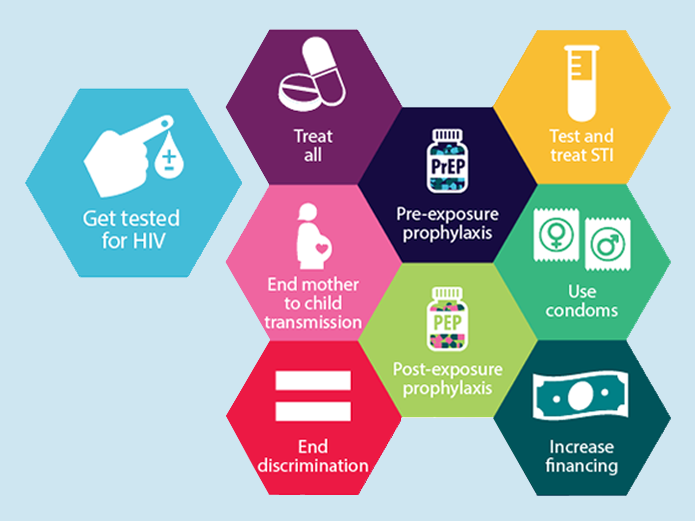
Pre-exposure prophylaxis (PrEP) is a preventive strategy that involves taking medication to reduce the risk of acquiring HIV. PrEP is highly effective when used correctly and consistently in combination with other prevention methods.
PrEP involves taking a daily pill that contains a combination of two antiretroviral drugs, tenofovir, and emtricitabine. These medications work by preventing the replication of the virus in case of exposure. PrEP is recommended for individuals at high risk of acquiring HIV, such as those with an HIV-positive partner or those engaged in condomless sex with partners whose HIV status is unknown.
While highly effective, PrEP has its limitations. It does not protect against other STIs, and individuals on PrEP must still use other prevention methods, such as condoms, to reduce the risk of acquiring these infections. Additionally, PrEP requires consistent adherence to the daily medication regimen to maintain its effectiveness.
Post-Exposure Prophylaxis
Post-exposure prophylaxis (PEP) is a preventive strategy that involves taking medication after a potential exposure to HIV. PEP can reduce the risk of acquiring HIV if started within 72 hours of exposure and taken consistently for a month.
PEP consists of a combination of antiretroviral medications similar to those used in the treatment of HIV. These medications work by preventing the establishment of the virus in the body. PEP is recommended in situations where there has been a significant risk of exposure to HIV, such as unprotected sex or needlestick injuries.
It is important to consider PEP as soon as possible after a potential exposure to HIV. Prompt initiation of PEP increases its effectiveness in preventing HIV transmission. However, PEP should not be seen as a substitute for safe sex practices and regular HIV testing. It is a preventive measure that should be used in emergency situations.
Availability and accessibility of PEP vary depending on the healthcare system and location. It is important to be aware of local resources and seek medical attention immediately after a potential exposure to HIV.

Prevention of Mother-to-Child Transmission
Preventing mother-to-child transmission (PMTCT) is a crucial component of HIV prevention efforts. Without intervention, there is a significant risk of HIV transmission from an infected mother to her child during pregnancy, labor and delivery, and breastfeeding.
Transmission routes from mother to child can occur during pregnancy, labor, and delivery, as well as through breastfeeding. However, with proper preventive measures, the risk of transmission can be greatly reduced.
Preventive measures during pregnancy include antenatal care, which involves regular medical check-ups, counseling, and HIV testing. Initiating ART during pregnancy and continuing it throughout the breastfeeding period significantly reduces the risk of transmission. In some cases, delivery methods may be modified to further reduce the risk of transmission.
Preventing transmission during labor and delivery involves various interventions, such as administering antiretroviral medications, practicing aseptic techniques, and avoiding invasive procedures that may increase the risk of blood exposure. These measures, when implemented correctly, decrease the chances of HIV transmission to the newborn.
Breastfeeding and HIV transmission is another important consideration. While breastfeeding provides numerous benefits to infants, it also poses a risk of HIV transmission. In settings where safe and affordable alternatives to breastfeeding are accessible, avoiding breastfeeding altogether may be recommended. However, in resource-limited settings where clean water and appropriate nutrition are not readily available, healthcare providers may recommend exclusive breastfeeding combined with maternal ART to reduce the risk of transmission.
Promotion of Voluntary Male Medical Circumcision
Voluntary male medical circumcision (VMMC) has been shown to reduce the risk of HIV acquisition in heterosexual men. VMMC involves the surgical removal of the foreskin, which has been found to have a higher concentration of target cells for HIV entry.
There are several benefits of male medical circumcision. Studies have shown that VMMC can reduce the risk of acquiring HIV by up to 60%. It also provides some protection against other STIs, including herpes and human papillomavirus (HPV). Furthermore, VMMC has been associated with improved hygiene and reduced risk of penile cancer.
Safe and hygienic circumcision practices are essential to prevent complications and ensure optimal health outcomes. VMMC should be conducted by trained healthcare professionals in a sterile environment. Adequate pain management techniques should be used to minimize discomfort during and after the procedure. In addition, proper wound care and follow-up visits are necessary to monitor healing and address any complications.
Addressing cultural and social concerns is crucial in promoting VMMC. Understanding cultural beliefs and practices related to circumcision can help healthcare providers engage with communities and provide culturally sensitive information. Community involvement and education campaigns can play a significant role in dispelling misconceptions, reducing stigma, and promoting the benefits of VMMC.

Harm Reduction Strategies
Harm reduction strategies aim to reduce the negative consequences associated with high-risk behaviors, such as injection drug use and unprotected sex. These strategies recognize that individuals may continue engaging in these behaviors despite the associated risks, and seek to minimize harm rather than prohibiting these behaviors entirely.
In the context of HIV prevention, harm reduction strategies may include needle and syringe exchange programs, opioid substitution therapy, and condom distribution initiatives. Needle and syringe exchange programs provide sterile injecting equipment to individuals who use drugs, reducing the risk of HIV transmission through contaminated needles. Opioid substitution therapy involves substituting illicit opioid use with medications such as methadone or buprenorphine, reducing the likelihood of injecting drug use and associated risks.
Condom distribution initiatives aim to make condoms readily available to individuals, promoting safer sexual practices. These initiatives may include distributing condoms in various settings, such as healthcare facilities, schools, and community centers. By increasing access to condoms, more individuals can protect themselves and their partners from HIV transmission.
Harm reduction strategies are an essential component of comprehensive HIV prevention efforts. Recognizing and addressing the underlying factors that contribute to high-risk behaviors can have a significant impact on reducing HIV transmission rates.
Education and Awareness Programs
Education and awareness programs play a vital role in HIV prevention. These programs provide individuals with the knowledge and skills needed to protect themselves and make informed decisions about their sexual health.
The role of education in HIV prevention cannot be overstated. Comprehensive sex education programs, which provide accurate and age-appropriate information about HIV, other STIs, and safe sex practices, are crucial. These programs should aim to dispel myths, reduce stigma, and promote healthy attitudes and behaviors related to sexual health. By equipping individuals with accurate information, they can make informed choices and reduce their risk of HIV transmission.
Stigma reduction and destigmatization efforts are also essential. The stigma associated with HIV can create barriers to prevention and care. By promoting understanding, empathy, and acceptance, stigma can be reduced, and individuals can feel more comfortable accessing HIV testing, treatment, and support services.
Community outreach and awareness campaigns are powerful tools in HIV prevention. These initiatives aim to reach individuals in various settings, such as schools, workplaces, and community gatherings, to provide information and resources. By engaging with communities directly, these programs can address specific needs, dispel myths, and encourage individuals to take proactive steps to protect their health.
In conclusion, preventing HIV infection requires a comprehensive approach that includes various prevention methods. Abstinence, safe sex practices, use of barrier methods, regular testing and treatment, pre-exposure prophylaxis, post-exposure prophylaxis, prevention of mother-to-child transmission, promotion of voluntary male medical circumcision, harm reduction strategies, and education and awareness programs all play a crucial role in preventing the transmission and acquisition of HIV. By combining these prevention methods, individuals can protect themselves and their communities from the impact of HIV.