
You’re about to explore a comprehensive guide that aims to shed light on a complex topic – Hodgkin Lymphoma in children. As parents, caregivers, or concerned individuals, understanding this condition becomes crucial in providing the best support and care for those affected. From the symptoms and diagnostic process to the various treatment options available, this article will help you navigate through the intricacies of Hodgkin Lymphoma in children, offering a friendlier perspective that empowers you with knowledge and hope.
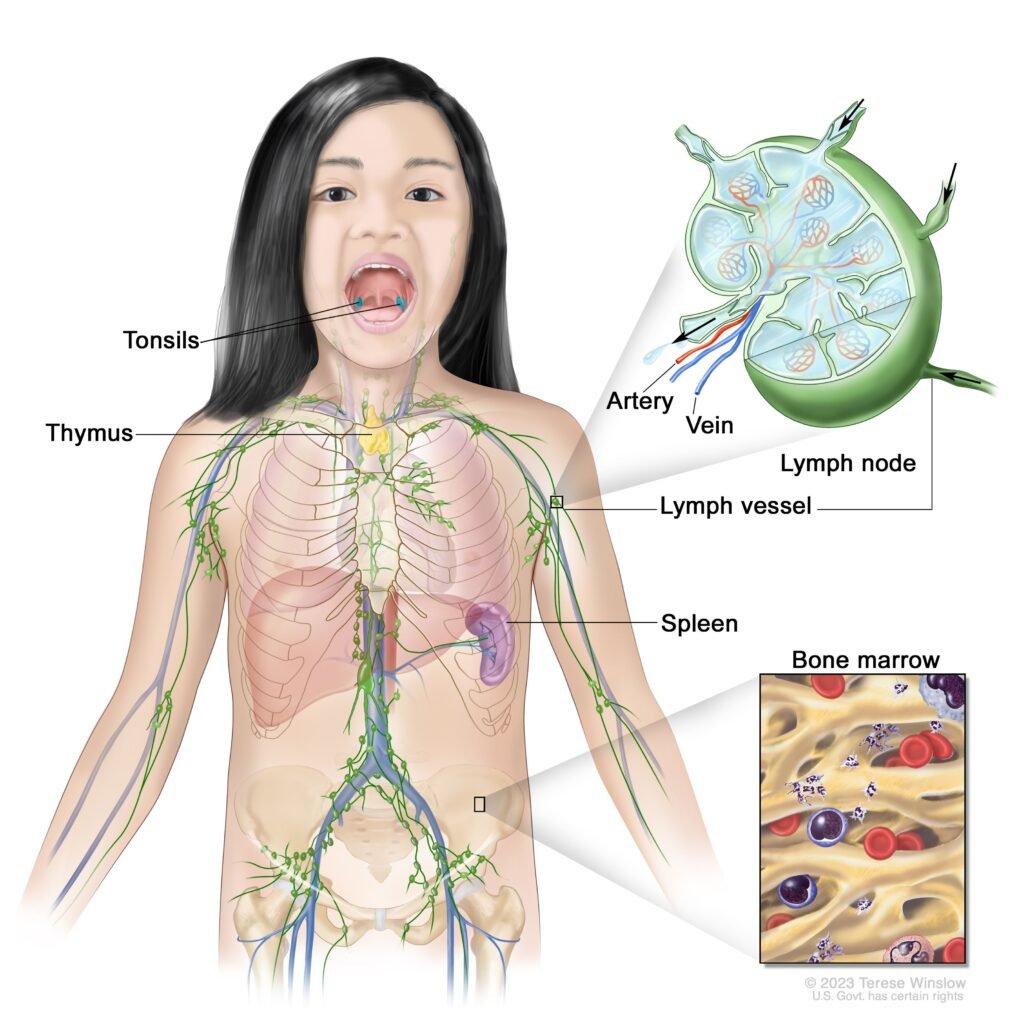
What is Hodgkin Lymphoma?
Definition
Hodgkin Lymphoma is a type of cancer that affects the lymphatic system, which is a part of the body’s immune system. It is characterized by the presence of abnormal cells called Reed-Sternberg cells, which are found in the lymph nodes. Hodgkin Lymphoma is considered a rare form of cancer, especially in children.
Epidemiology
Hodgkin Lymphoma is more common in adolescents and young adults, but it can also affect children. In fact, it is one of the most common types of cancer in children and adolescents. It typically occurs more frequently in boys than girls. The exact cause of Hodgkin Lymphoma is unknown, but certain risk factors have been identified.
Causes
The exact cause of Hodgkin Lymphoma is unknown, but researchers have identified several risk factors that may increase the chances of developing the disease. These risk factors include a weakened immune system, exposure to certain viruses such as the Epstein-Barr virus, a family history of Hodgkin Lymphoma, and certain genetic mutations. It is important to note that having one or more of these risk factors does not guarantee the development of Hodgkin Lymphoma, and many individuals with the disease do not have any known risk factors.
Signs and Symptoms of Hodgkin Lymphoma
Enlarged lymph nodes
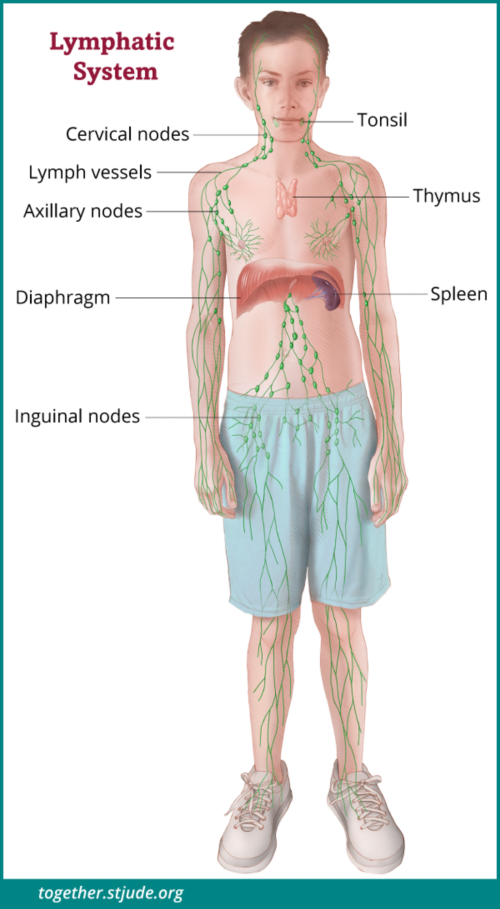
One of the most common signs of Hodgkin Lymphoma is the presence of swollen lymph nodes. The lymph nodes, which are small glands located throughout the body, can become enlarged due to the accumulation of abnormal cells. The lymph nodes affected by Hodgkin Lymphoma are often painless and may be found in the neck, underarms, groin, or other areas of the body.
Fatigue and weakness
Children with Hodgkin Lymphoma may experience fatigue and weakness as the disease progresses. This can be caused by the body’s immune system working to fight off the abnormal cells, as well as the body’s increased energy demands due to the presence of cancer.
Unexplained weight loss
Children with Hodgkin Lymphoma may experience unexplained weight loss, which can be a result of the cancer interfering with the body’s ability to absorb nutrients. This weight loss may occur despite a good appetite and normal food intake.
Fever and chills
Fever and chills are common symptoms of Hodgkin Lymphoma. This can be caused by the body’s immune response to the abnormal cells, as well as the release of certain chemicals by the cancerous cells.
Night sweats
Night sweats, which are excessive sweating during sleep, can also be a symptom of Hodgkin Lymphoma in children. These night sweats may not be related to the ambient temperature or the number of blankets used during sleep.
Diagnosis of Hodgkin Lymphoma
Physical examination
A physical examination is often the first step in diagnosing Hodgkin Lymphoma. During the examination, the doctor will check for any swollen lymph nodes or other physical signs that may indicate the presence of cancer.
Medical history
A detailed medical history will also be taken to identify any risk factors or symptoms that may be associated with Hodgkin Lymphoma. This may include questions about the child’s general health, any previous illnesses, and a family history of cancer.
Blood tests
Blood tests may be done to check for abnormalities in the blood cells, as well as to assess the overall health of the child. These tests can help determine if further testing is needed to diagnose Hodgkin Lymphoma.
Imaging tests
Imaging tests such as X-rays, CT scans, or PET scans may be ordered to get a clearer picture of the lymph nodes and other areas of the body. These tests can help determine the extent of the disease and whether it has spread to other parts of the body.
Biopsy
A biopsy is a definitive test for diagnosing Hodgkin Lymphoma. During a biopsy, a small sample of tissue is taken from an enlarged lymph node or other affected area and examined under a microscope. This allows doctors to identify the presence of Reed-Sternberg cells, which are characteristic of Hodgkin Lymphoma.
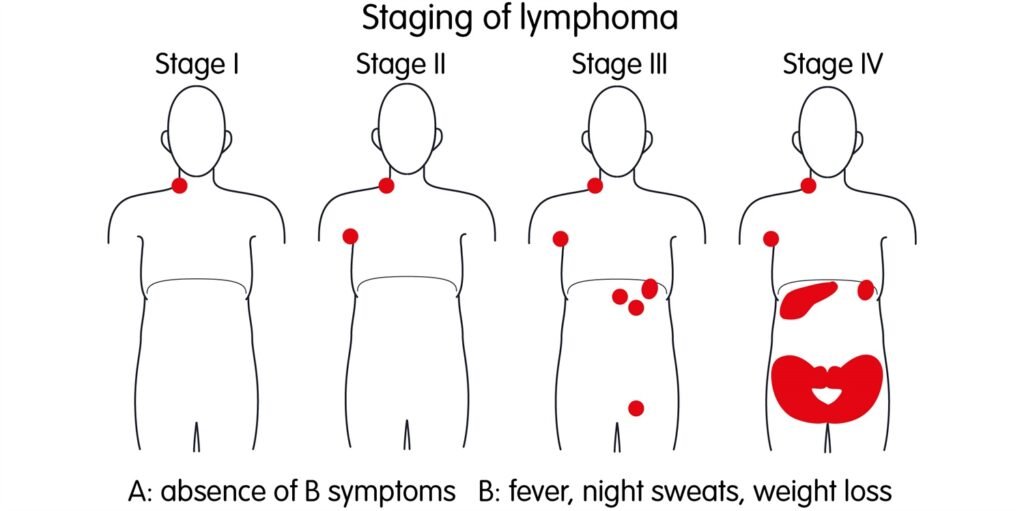
Staging of Hodgkin Lymphoma
Stage I
Stage I Hodgkin Lymphoma is characterized by the presence of cancer in a single lymph node or a single area of the body. The cancer has not spread to nearby lymph nodes or other organs.
Stage II
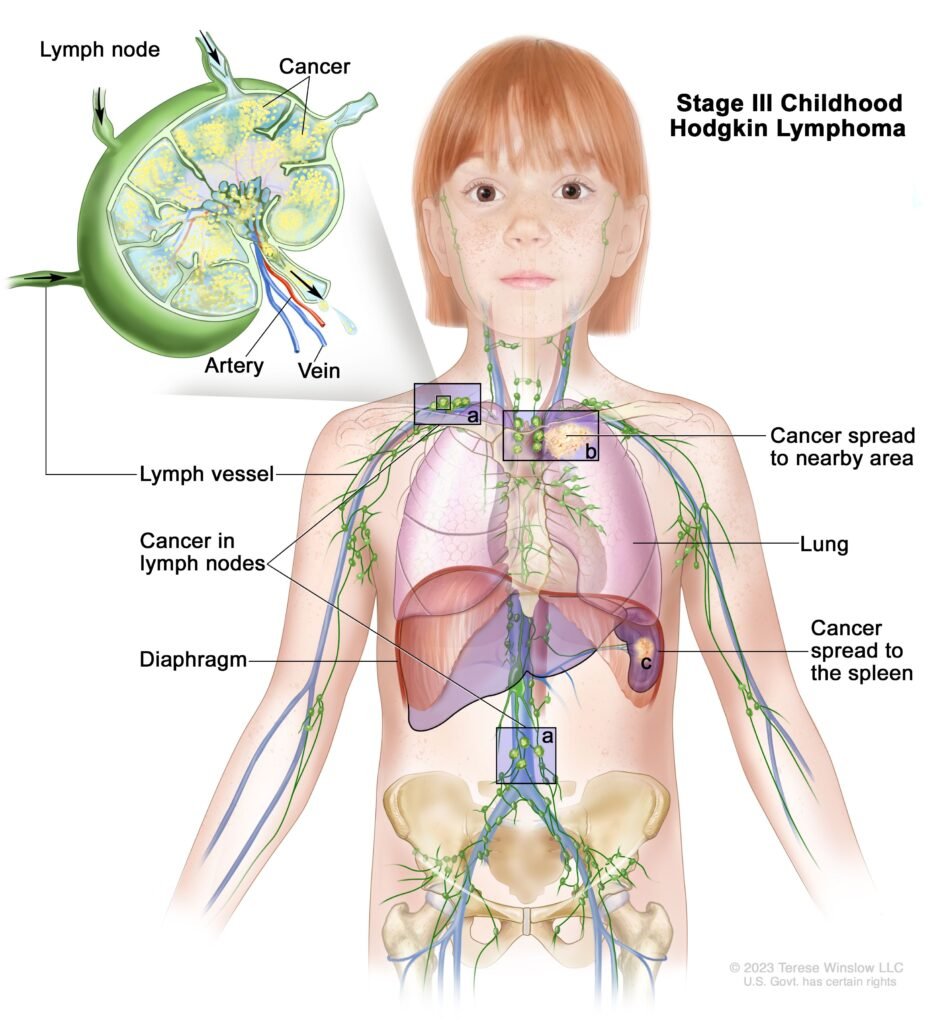
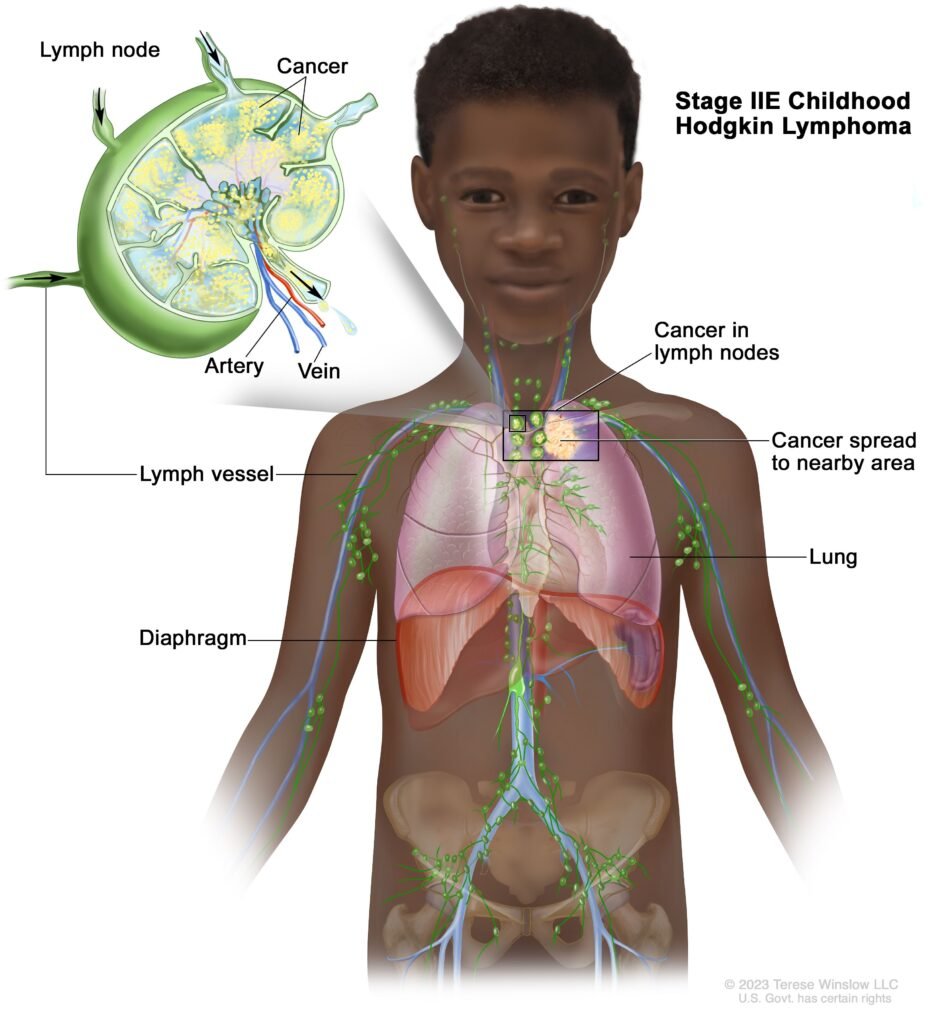
Stage II Hodgkin Lymphoma involves the presence of cancer in two or more lymph node regions on the same side of the diaphragm. The cancer may also be found in nearby organs or tissues, but has not spread to distant organs.
Stage III
Stage III Hodgkin Lymphoma indicates that the cancer has spread to lymph node regions on both sides of the diaphragm. It may also be found in nearby organs or tissues and may have spread to distant organs.
Stage IV
Stage IV Hodgkin Lymphoma is the most advanced stage of the disease. It indicates that the cancer has spread to distant organs or tissues, such as the liver, lungs, or bone marrow.
Treatment Options for Hodgkin Lymphoma in Children
Chemotherapy
Chemotherapy is a common treatment option for Hodgkin Lymphoma in children. It involves the use of powerful drugs to kill cancer cells or slow their growth. Chemotherapy can be given orally, intravenously, or through a combination of both.
Radiation therapy
Radiation therapy uses high-energy radiation beams to kill cancer cells or prevent their growth. It is often used in combination with chemotherapy to treat Hodgkin Lymphoma in children. Radiation therapy is typically targeted at the affected lymph nodes or other areas of the body where the cancer has spread.
Stem cell transplant
A stem cell transplant may be considered for children with more advanced stages of Hodgkin Lymphoma or those who have not responded well to other treatments. This procedure involves replacing the damaged stem cells in the bone marrow with healthy stem cells, which can help rebuild the immune system.
Immunotherapy
Immunotherapy is a newer treatment option for Hodgkin Lymphoma in children. It works by stimulating the body’s own immune system to recognize and attack cancer cells. This can be done through the use of immune checkpoint inhibitors or other immunotherapy drugs.
Managing Side Effects of Treatment
Nausea and vomiting
Chemotherapy and radiation therapy can cause nausea and vomiting in children. This can be managed through the use of anti-nausea medications, changes in diet, or alternative therapies such as acupuncture.
Hair loss
Hair loss is a common side effect of chemotherapy and can be emotionally challenging for children. Wigs, scarves, or hats can be used to help cover the hair loss and boost the child’s confidence.
Infections
Children undergoing treatment for Hodgkin Lymphoma are at an increased risk of developing infections due to a weakened immune system. It is important to take precautions to prevent infections, such as practicing good hygiene and avoiding individuals who are sick.
Fatigue
Fatigue is a common side effect of cancer treatment and can affect the child’s energy levels and overall well-being. Rest and regular exercise can help manage fatigue and improve the child’s energy levels.
Fertility concerns
Some treatments for Hodgkin Lymphoma, such as chemotherapy and radiation therapy, can impact fertility in children. It is important to discuss fertility preservation options with the medical team before starting treatment.
Long-Term Effects and Survivorship
Late effects of treatment
Treatment for Hodgkin Lymphoma can have long-term effects on the child’s health. These may include an increased risk of secondary cancers, heart or lung problems, and fertility issues. Regular check-ups and screenings may be necessary to monitor for these late effects.
Follow-up care
After completing treatment for Hodgkin Lymphoma, children will require regular follow-up care to monitor their overall health and detect any potential recurrence of the disease. This may include physical exams, blood tests, and imaging tests.
Support for survivors
Survivorship programs and support groups are available to help children and their families cope with the physical, emotional, and psychological challenges of life after Hodgkin Lymphoma. These programs can provide resources, information, and a supportive community.
Emotional and psychological impacts
A diagnosis of Hodgkin Lymphoma can have a significant impact on a child’s emotional and psychological well-being. It is important to provide emotional support and access to counseling services to help children and their families navigate the challenges of the disease.
Prognosis and Survival Rates
Factors affecting prognosis
Several factors can influence the prognosis of Hodgkin Lymphoma in children. These include the stage of the disease at diagnosis, the type of treatment received, the response to treatment, and the overall health of the child.
Survival rates by stage
The prognosis for children with Hodgkin Lymphoma has significantly improved over the years, and the overall survival rates are high. The survival rates vary depending on the stage of the disease at diagnosis, with early-stage cases having higher survival rates compared to more advanced stage cases.
Relapse and recurrence
Although the treatment for Hodgkin Lymphoma is often successful, there is a risk of relapse or recurrence. Regular follow-up care and monitoring are essential to detect any signs of relapse and provide prompt treatment if necessary.
Support and Resources for Families
Cancer support organizations
There are many cancer support organizations that provide resources, information, and support for families dealing with Hodgkin Lymphoma. These organizations can offer emotional support, educational materials, financial assistance, and connections to other families going through a similar experience.
Financial and insurance assistance
The cost of treating Hodgkin Lymphoma in children can be significant, and some families may require financial assistance. There are various programs and organizations that provide financial and insurance assistance to eligible families to help ease the financial burden.
Education support
Children undergoing treatment for Hodgkin Lymphoma may face challenges in keeping up with their education. Education support programs and services can help ensure that children receive the necessary academic support during treatment and transition back to school after treatment has ended.
Preventing Hodgkin Lymphoma
Risk reduction strategies
While there is no known way to prevent Hodgkin Lymphoma, there are certain risk reduction strategies that individuals can adopt. These include maintaining a healthy lifestyle, avoiding exposure to known risk factors such as certain viruses, and staying up to date with immunizations.
Immunizations
Some studies suggest a possible link between certain viral infections and the development of Hodgkin Lymphoma. Staying up to date with immunizations, such as the ones for the Epstein-Barr virus, can help reduce the risk of developing the disease.
In conclusion, Hodgkin Lymphoma is a type of cancer that can affect children. It is important to be aware of the signs and symptoms, as well as the diagnostic and treatment options available. With appropriate medical care and support, the prognosis for children with Hodgkin Lymphoma is generally positive.