
Whether you’re a teenager or a young adult, being diagnosed with Hodgkin Lymphoma can be a daunting experience. But fear not, for this article will guide you through the diagnosis and treatment process, providing you with valuable information and support along the way. From understanding the symptoms and identifying the diagnostic tests to exploring the various treatment options available, we’re here to help you navigate this journey and empower you to make informed decisions about your health. So relax, grab a cup of tea, and let’s dive into the world of Hodgkin Lymphoma in teenagers and young adults.
Overview of Hodgkin Lymphoma
Definition of Hodgkin Lymphoma
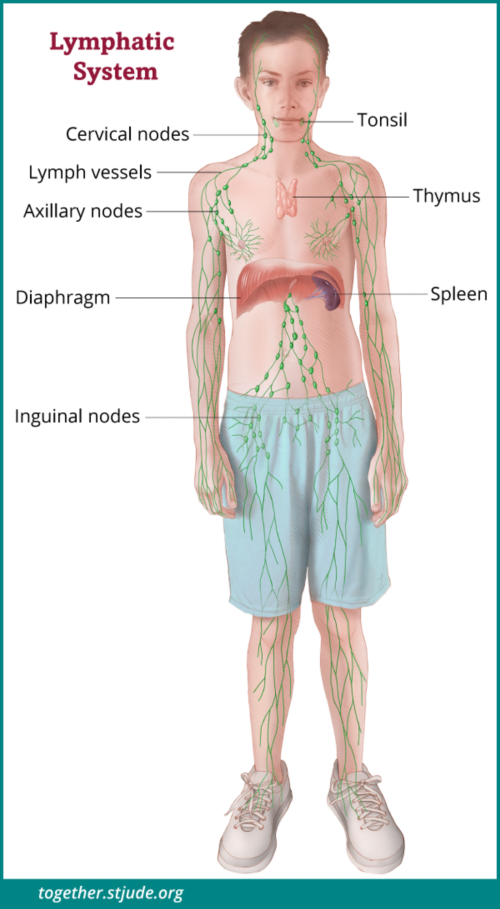
Hodgkin lymphoma is a type of cancer that affects the lymphatic system, which is a part of the body’s immune system. It is characterized by the presence of abnormal cells called Reed-Sternberg cells in the lymph nodes. This type of cancer most commonly occurs in teenagers and young adults, although it can also affect people of any age. Hodgkin lymphoma is a highly treatable cancer, and with advances in medical technology and treatment, the prognosis for patients with this condition has significantly improved over the years.
Epidemiology in Teenagers and Young Adults
Hodgkin lymphoma is one of the most common cancers diagnosed in teenagers and young adults. According to research studies, it is estimated that approximately 15% of all Hodgkin lymphoma cases occur in individuals between the ages of 15 and 29. The incidence rate of Hodgkin lymphoma in this age group has been steadily increasing over the years, and it is more prevalent in males than females. Understanding the unique epidemiology of Hodgkin lymphoma in teenagers and young adults is crucial for early detection, accurate diagnosis, and appropriate treatment.
Common Risk Factors
While the exact cause of Hodgkin lymphoma is unknown, several factors have been identified as potential risk factors for the development of this condition. Some of the common risk factors associated with Hodgkin lymphoma in teenagers and young adults include a weakened immune system, family history of the disease, exposure to certain viruses such as the Epstein-Barr virus, and a history of previous infections or diseases such as infectious mononucleosis. It is important to note that having one or more of these risk factors does not necessarily mean that an individual will develop Hodgkin lymphoma, but it highlights the importance of regular screenings and health check-ups.
Symptoms and Presentation
The symptoms of Hodgkin lymphoma may vary from person to person, and they can often mimic other less serious conditions. Some of the common symptoms include unexplained weight loss, persistent fatigue, night sweats, fever, itchy skin, enlarged lymph nodes in the neck, underarms, or groin, and chest pain or coughing. These symptoms may be present for weeks or even months before a diagnosis is made. It is essential for teenagers and young adults, as well as their parents or caregivers, to be aware of these symptoms and seek medical attention if they persist or worsen.
Diagnosis of Hodgkin Lymphoma
Medical History and Physical Examination
The first step in diagnosing Hodgkin lymphoma is a thorough medical history and physical examination. Your healthcare professional will ask about your symptoms, medical history, and any family history of cancer or lymphatic disorders. They will also perform a physical examination to check for any enlarged lymph nodes or other abnormalities. This initial assessment provides valuable information that helps guide further diagnostic tests.
Laboratory Tests
Laboratory tests are an essential part of the diagnostic process for Hodgkin lymphoma. Blood tests, such as a complete blood count (CBC), can help identify certain markers or abnormalities that may be indicative of lymphoma. Additionally, specific blood tests can detect the presence of certain viral infections that are known to be associated with Hodgkin lymphoma. These laboratory tests provide valuable information that aids in confirming a diagnosis and determining the extent of the disease.
Imaging Studies
Imaging studies play a crucial role in the diagnosis and staging of Hodgkin lymphoma. Common imaging modalities used include computed tomography (CT) scans, positron emission tomography (PET) scans, and magnetic resonance imaging (MRI). These imaging studies provide detailed images of the lymph nodes, organs, and other structures within the body. They help evaluate the extent and location of the disease, as well as identify any potential complications or spread of cancer.
Biopsy and Pathology
A biopsy is the definitive test to confirm the diagnosis of Hodgkin lymphoma. During a biopsy, a sample of tissue is obtained from an enlarged lymph node or affected organ. This sample is then examined under a microscope by a pathologist who specializes in diagnosing diseases. The presence of Reed-Sternberg cells, a hallmark of Hodgkin lymphoma, confirms the diagnosis. Additionally, the pathologist can determine the subtype of Hodgkin lymphoma, as well as other important characteristics that guide treatment decisions.
Staging and Prognostic Factors
Staging is a crucial step in the diagnostic process for Hodgkin lymphoma, as it helps determine the extent and spread of the disease. Staging involves the evaluation of lymph nodes, organs, and other tissues to determine the stage of cancer. The stage of Hodgkin lymphoma is determined by factors such as the number and location of affected lymph nodes, the involvement of other organs, and the presence of certain systemic symptoms. Prognostic factors, such as a patient’s age, general health, and certain characteristics of the cancer cells, further help predict the patient’s outlook and guide treatment decisions.

Treatment Options for Hodgkin Lymphoma
Multi-Disciplinary Approach
The treatment of Hodgkin lymphoma requires a multi-disciplinary approach involving a team of healthcare professionals, including oncologists, hematologists, radiation oncologists, pathologists, and other specialists. This collaborative approach ensures that each patient receives the most appropriate and effective treatment based on their individual needs and the characteristics of their cancer. The healthcare team works together to develop a personalized treatment plan that takes into account factors such as the stage and subtype of Hodgkin lymphoma, as well as the patient’s overall health and preferences.
Chemotherapy
Chemotherapy is the primary treatment for most patients with Hodgkin lymphoma. It involves the use of powerful medications to destroy cancer cells throughout the body. Chemotherapy may be administered orally or through intravenous infusion, and the specific drugs used may vary depending on the stage and subtype of Hodgkin lymphoma. In certain cases, a combination of different chemotherapy drugs may be used to maximize the effectiveness of treatment. The duration and intensity of chemotherapy may also vary based on individual factors and treatment goals.
Radiation Therapy
Radiation therapy uses high-energy beams of radiation to target and destroy cancer cells. It is often used in conjunction with chemotherapy or as a standalone treatment for early-stage Hodgkin lymphoma. Radiation therapy is typically administered externally, meaning the radiation source is outside the body and directed at the specific areas requiring treatment. The duration and frequency of radiation treatments will depend on the individual’s specific circumstances, and the treatment schedule will be carefully planned by a radiation oncologist.
Stem Cell Transplantation
Stem cell transplantation is a treatment option for patients with Hodgkin lymphoma who have a high risk of relapse or when other treatments have not been effective. It involves the infusion of healthy stem cells into the patient’s body to replace the damaged or destroyed cells. Stem cells can be collected from the patient themselves (autologous transplant) or from a matched donor (allogeneic transplant). The transplantation process is complex and requires close monitoring and follow-up care to ensure the success of the procedure.
Targeted Therapies
Targeted therapies are a newer class of medications that specifically target the cancer cells or their underlying molecular abnormalities. These therapies have shown promising results in the treatment of Hodgkin lymphoma, particularly in cases where standard treatments have not been effective. Targeted therapies work by interfering with specific signaling pathways or proteins involved in the growth and survival of cancer cells. These therapies are still being studied and may be used in combination with other treatment modalities or as part of clinical trials.
Immunotherapy
Immunotherapy is a revolutionary approach to cancer treatment that harnesses the body’s immune system to fight the cancer cells. It works by stimulating the immune system or enhancing its ability to recognize and destroy cancer cells. In the case of Hodgkin lymphoma, immunotherapy drugs called checkpoint inhibitors have shown promising results. These drugs work by blocking proteins that prevent immune cells from attacking cancer cells. Immunotherapy may be used alone or in combination with other treatments and is an active area of research in the field of oncology.
Fertility Preservation
Effects of Treatment on Fertility
The treatment of Hodgkin lymphoma, particularly chemotherapy and radiation therapy, can have significant effects on fertility. These treatments may damage or destroy the sperm or egg cells, leading to temporary or permanent infertility. The impact of treatment on fertility can vary depending on factors such as the patient’s age, the type and dosage of the medications used, and the area of the body targeted by radiation therapy. It is important for patients to be aware of these potential effects and to discuss fertility preservation options with their healthcare team before starting treatment.
Options for Fertility Preservation
There are several options available for fertility preservation in patients undergoing treatment for Hodgkin lymphoma. For males, sperm banking is a common method that involves collecting and freezing sperm for future use. For females, there are various options depending on the individual’s circumstances. These may include egg freezing, in vitro fertilization (IVF) with embryo cryopreservation, or the use of medications to temporarily suppress ovarian function during treatment. It is important for patients to consult with a fertility specialist to discuss the most suitable options based on their specific situation.
Consultation with Fertility Specialists
Consultation with a fertility specialist is essential for teenagers and young adults diagnosed with Hodgkin lymphoma who wish to preserve their fertility. These specialists can provide comprehensive information about the available options, their success rates, and the potential risks involved. They will help individuals make informed decisions about fertility preservation based on their specific needs, preferences, and treatment timeline. The fertility specialist will work closely with the healthcare team to ensure coordinated care and optimal outcomes for both the cancer treatment and fertility preservation.

Psychological and Emotional Support
Impact of Diagnosis on Teenagers and Young Adults
Receiving a diagnosis of Hodgkin lymphoma can have a profound emotional and psychological impact on teenagers and young adults. The diagnosis may come as a shock and disrupt their plans for the future, such as pursuing education, career goals, or starting a family. Additionally, the physical and emotional challenges of treatment can lead to feelings of anxiety, depression, and isolation. It is important for healthcare providers to recognize and address these concerns, and to provide necessary support and resources to help individuals cope with the psychological impact of the diagnosis.
Counseling and Support Services
Counseling and support services play a crucial role in providing emotional support to teenagers and young adults with Hodgkin lymphoma. These services may include individual counseling sessions with a psychologist or social worker, as well as group therapy sessions with peers who are going through similar experiences. Counseling can help individuals navigate the emotional challenges of the diagnosis, deal with feelings of uncertainty and fear, and develop coping strategies to manage stress. Support services may also include educational programs, workshops, and online resources that provide information and guidance to patients and their families.
Peer Support Groups
Peer support groups are valuable resources for teenagers and young adults with Hodgkin lymphoma as they provide a safe and supportive environment to share experiences, seek advice, and form meaningful connections with others who understand their journey. These groups are often facilitated by trained professionals and may meet in person or online. Peer support groups can be particularly beneficial for individuals who may feel more comfortable discussing their concerns and emotions with peers who are of a similar age and going through similar challenges.
Mental Health Resources
Access to mental health resources is important for teenagers and young adults with Hodgkin lymphoma. These resources may include helplines, online forums, and mobile applications that provide information, guidance, and support. Mental health professionals, such as psychologists and psychiatrists, can also provide valuable assistance in addressing common mental health concerns, such as anxiety and depression. It is important for individuals to be aware of the available resources and to reach out for support when needed.
Long-Term Effects and Survivorship
Late Effects of Treatment
While the treatment of Hodgkin lymphoma has improved significantly in recent years, it is important to acknowledge that some individuals may experience long-term effects as a result of their treatment. These late effects may vary depending on the specific treatments received, the dose and duration of treatment, and individual factors. Some common late effects include fertility issues, heart and lung problems, thyroid dysfunction, and secondary cancers. It is crucial for healthcare providers to monitor individuals for these late effects and to provide appropriate follow-up care and support.
Monitoring for Potential Complications
Regular monitoring for potential complications is an essential part of long-term follow-up care for individuals who have completed treatment for Hodgkin lymphoma. This monitoring may involve regular physical examinations, blood tests, imaging studies, and other specialized tests depending on the specific risks and concerns of each individual. Early detection and management of potential complications can significantly improve outcomes and quality of life for long-term survivors.
Follow-up Care and Survivorship Programs
Follow-up care and survivorship programs are designed to provide ongoing support and care to individuals who have completed treatment for Hodgkin lymphoma. These programs typically involve regular check-ups with healthcare providers to monitor for any potential recurrence of cancer or late effects of treatment. They also provide resources and guidance on maintaining a healthy lifestyle, managing long-term side effects, and addressing social and emotional concerns. Survivorship programs aim to empower individuals to lead productive and fulfilling lives after cancer treatment.

Clinical Trials and Research
Importance of Clinical Trials
Clinical trials play a vital role in advancing the field of oncology and improving treatment outcomes for individuals with Hodgkin lymphoma. Clinical trials help evaluate the effectiveness and safety of new treatment approaches, medications, and therapies. They provide opportunities for patients to access innovative treatments that may not yet be available to the general population. By participating in clinical trials, individuals contribute to the collective knowledge and understanding of the disease and help shape future treatment options.
Participation in Research Studies
Participation in research studies is an option that individuals with Hodgkin lymphoma may consider. Research studies can involve various aspects of cancer care, including treatment, supportive care, and survivorship. Individuals interested in participating in research studies should discuss this option with their healthcare team. The healthcare team can provide information about ongoing research studies, the potential benefits and risks of participation, and help individuals make informed decisions based on their specific circumstances and treatment goals.
Current Advances and Future Directions
Advances in the understanding and treatment of Hodgkin lymphoma are constantly being made through ongoing research and clinical trials. These advancements include improved imaging techniques, targeted therapies, and immunotherapy. New discoveries are being made regarding the underlying biology of Hodgkin lymphoma, which may lead to more personalized and effective treatment approaches. While there is still much to learn, the future looks promising with the potential for more precise and tailored treatments for Hodgkin lymphoma.
Family and Caregiver Support
Impact on Family Dynamics
A diagnosis of Hodgkin lymphoma can have a significant impact on the entire family. Family members often experience a range of emotions, such as fear, sadness, and helplessness, as they navigate the challenges of supporting their loved one through diagnosis, treatment, and beyond. The demands of caregiving may disrupt family routines and dynamics, leading to changes in roles and responsibilities. It is important for family members to communicate openly, seek support when needed, and work together as a team to provide the necessary care and support to the patient.
Roles and Responsibilities of Caregivers
Caregivers play a crucial role in supporting teenagers and young adults with Hodgkin lymphoma. They provide emotional support, help facilitate medical appointments, provide transportation, and assist with daily activities as needed. Caregivers may also be responsible for managing medications, communicating with healthcare providers, and advocating for the needs and preferences of the patient. It is essential for caregivers to take care of their own well-being and seek support from other family members, friends, or support groups to prevent burnout.
Support Groups for Families
Support groups specifically designed for families of individuals with Hodgkin lymphoma can provide a valuable source of support and guidance. These support groups bring together individuals who are going through similar experiences and can offer a safe space to share concerns, exchange information, and learn from one another. Support groups may be facilitated by healthcare professionals or experienced volunteers who can provide information, resources, and emotional support. Family members can also benefit from individual counseling to address their own emotional needs and coping strategies.

Transitioning to Adult Care
Challenges of Transitioning
Transitioning from pediatric or adolescent care to adult care can present challenges for teenagers and young adults with Hodgkin lymphoma. This transition often occurs during a critical phase of their lives when they are navigating educational and vocational goals, building relationships, and establishing their independence. Transitioning to adult care involves transferring medical records, establishing new relationships with healthcare providers, and taking on a greater responsibility for managing their healthcare. It is important for healthcare providers and support networks to provide guidance and support during this challenging period.
Planning the Transition
A well-planned transition from pediatric or adolescent care to adult care is essential to ensure continuity of care and optimal health outcomes for individuals with Hodgkin lymphoma. The transition process should ideally begin well in advance to allow time for the necessary preparations. This may involve coordination between healthcare providers, establishing a formal transition plan, and providing comprehensive education and resources to the individual and their family. Open communication, a gradual transition, and involving the individual in decision-making can help facilitate a smooth transition.
Continuity of Care
Maintaining continuity of care is crucial during the transition from pediatric or adolescent care to adult care. This involves transferring medical records, ensuring a seamless transfer of information between healthcare providers, and establishing a new network of support. Healthcare providers should prioritize communication and collaboration to ensure that the individual’s medical history, treatment plan, and follow-up care are properly transitioned. Continuity of care plays a vital role in maximizing treatment outcomes and minimizing potential gaps in care during this transitional phase.
Educational and Vocational Support
Maintaining Education during Treatment
Receiving a diagnosis of Hodgkin lymphoma should not hinder the educational goals of teenagers and young adults. It is important to maintain open communication with educational institutions, teachers, and academic support services to ensure that appropriate accommodations are made during treatment. This may include flexible scheduling, homebound instruction, or modifications to workload and assignments. Educational resources such as tutors, online platforms, and teleconferencing tools can also help facilitate the continuation of education during treatment, allowing individuals to stay engaged and on track with their academic goals.
Planning for Vocational Goals
Planning for vocational goals is an essential aspect of supporting teenagers and young adults with Hodgkin lymphoma. Vocational goals may include pursuing higher education, vocational training, or entering the workforce. It is important to consider the potential impact of treatment on these goals and make appropriate accommodations as needed. Vocational rehabilitation services, career counseling, and job placement programs can provide valuable guidance and support in identifying suitable career paths, acquiring necessary skills, and transitioning into the workforce.
Workplace Accommodations
Workplace accommodations are important for individuals with Hodgkin lymphoma who have completed treatment and are transitioning back into the workforce. These accommodations may include flexible work hours, modified job duties, or physical accommodations to address any lingering physical limitations. The Americans with Disabilities Act (ADA) provides legal protections and mandates that employers make reasonable accommodations for individuals with disabilities, including those who have undergone cancer treatment. It is important for individuals and their healthcare team to be aware of these protections and rights when navigating the workplace.