
You’re lucky if you’ve never heard of hyperkalemia, a condition that occurs when there’s too much potassium in your blood. But if you have, you know how important it is to prevent the complications that can arise from it. In this article, we’ll explore ways to keep hyperkalemia at bay and ensure your health remains in tip-top shape. So let’s jump right in and discover how to prevent hyperkalemia complications together!
Understanding Hyperkalemia
Hyperkalemia is a medical condition characterized by an elevated level of potassium in the blood. Potassium is an essential mineral required for the proper function of nerves, muscles, and the heart. However, when the concentration of potassium in the blood becomes too high, it can lead to various complications. Understanding the causes, symptoms, and diagnosis of hyperkalemia is crucial in order to effectively manage and prevent its complications.
Definition and Causes
Hyperkalemia occurs when the level of potassium in the blood exceeds the normal range of 3.5 to 5.0 milliequivalents per liter (mEq/L). This imbalance can be caused by various factors, including kidney dysfunction, certain medications, hormonal imbalances, and underlying medical conditions such as diabetes or adrenal insufficiency. Additionally, the excessive intake of potassium-rich foods or supplements can also contribute to elevated potassium levels.
Symptoms
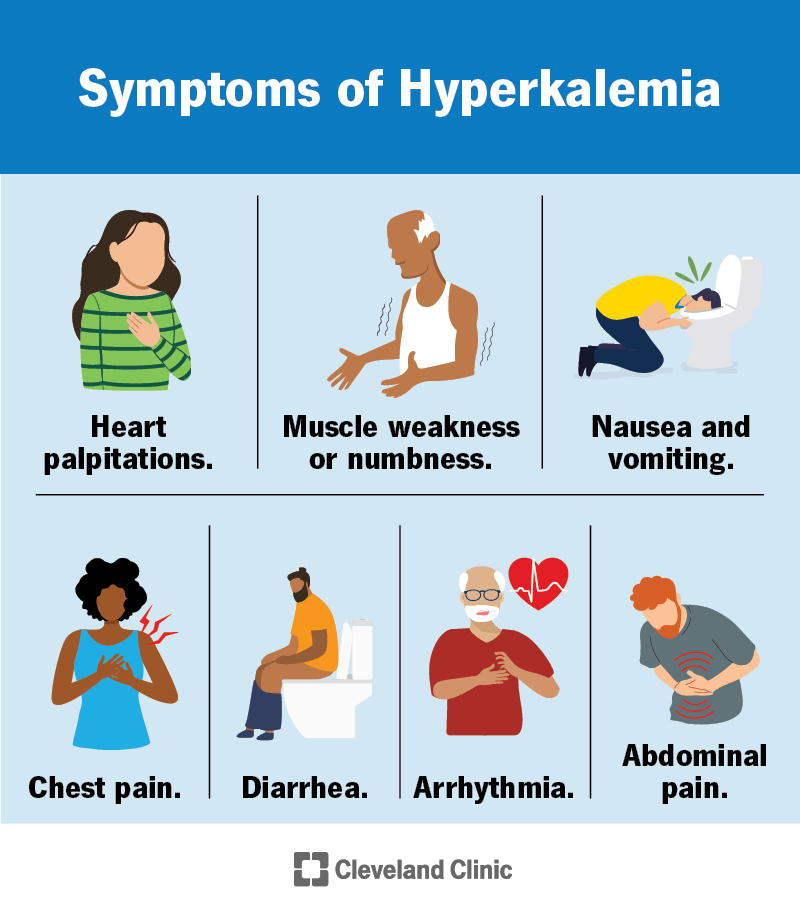
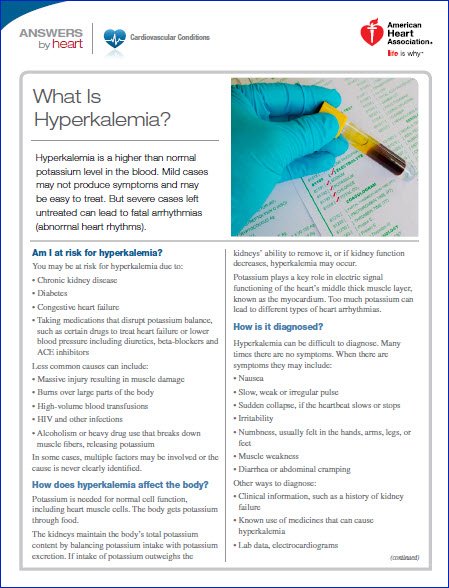
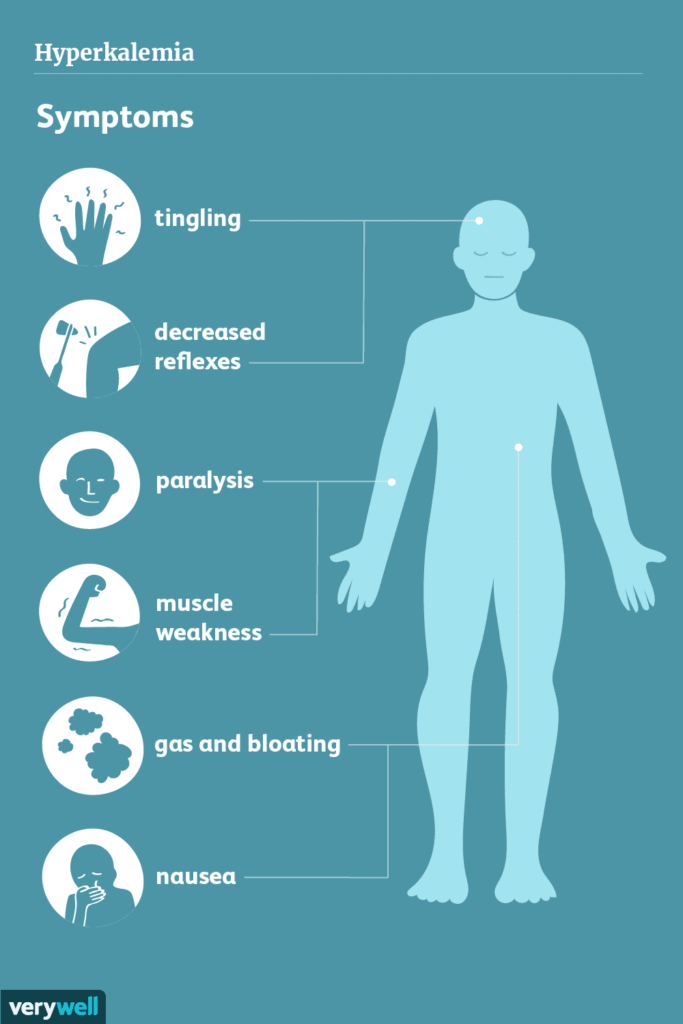
The symptoms of hyperkalemia can vary depending on the severity of the condition. Mild cases may not present with any noticeable symptoms, while more severe cases can lead to significant health issues. Common symptoms of hyperkalemia include weakness, fatigue, numbness or tingling in the extremities, irregular heartbeat, and muscle cramps. In severe cases, hyperkalemia can even lead to life-threatening cardiac arrhythmias.
Diagnosis
Diagnosing hyperkalemia typically involves a combination of medical history evaluation, physical examination, and laboratory tests. Your healthcare provider will inquire about your symptoms, medical history, and any medications or supplements you are currently taking. A physical examination may also be performed to check for signs of muscle weakness or irregular heartbeat. Furthermore, blood tests will be conducted to measure the levels of potassium in the blood, along with other electrolytes. Additional tests, such as an electrocardiogram (ECG), may also be ordered to assess the heart’s electrical activity and detect any abnormalities.
Complications of Hyperkalemia
Hyperkalemia can lead to various complications, affecting different organs and systems within the body. It is important to be aware of these potential complications in order to take preventive measures and manage the condition effectively.
Cardiac Complications
One of the most concerning complications of hyperkalemia is its impact on the heart. Elevated potassium levels can disrupt the normal electrical impulses of the heart, leading to cardiac arrhythmias and potentially life-threatening conditions such as ventricular fibrillation. These abnormal heart rhythms can result in palpitations, chest pain, dizziness, and even sudden cardiac arrest. Prompt medical intervention is crucial in order to stabilize potassium levels and prevent further damage to the heart.
Muscular Complications
The musculoskeletal system can also be affected by hyperkalemia. High potassium levels can cause muscle weakness, cramping, and twitching. This can disrupt daily activities and considerably decrease a person’s quality of life. Additionally, severe cases of hyperkalemia can lead to paralysis or the inability to move certain muscles. It is important to seek medical attention if you experience any muscle-related symptoms to prevent further complications.
Kidney Complications
The kidneys play a vital role in maintaining potassium balance in the body. However, hyperkalemia can impair kidney function and contribute to further complications. High potassium levels can interfere with the kidneys’ ability to filter and excrete potassium effectively, leading to a cycle of worsening hyperkalemia. This can cause a decline in overall kidney function and potentially lead to chronic kidney disease or kidney failure. Managing and treating hyperkalemia early on is crucial in order to protect kidney health.
Preventive Measures for Hyperkalemia
Preventing hyperkalemia and its complications requires a multi-faceted approach. By identifying high-risk individuals, monitoring potassium levels, and managing underlying conditions, it is possible to minimize the risk of hyperkalemia and its associated complications.
Identify High-Risk Individuals
Certain individuals are more prone to developing hyperkalemia, and it is important to identify and address their risk factors. Individuals with kidney disease, diabetes, congestive heart failure, or adrenal insufficiency are more susceptible to developing hyperkalemia. Additionally, older adults and those taking medications that can affect potassium levels, such as angiotensin-converting enzyme (ACE) inhibitors or potassium-sparing diuretics, should be closely monitored. Identifying high-risk individuals is crucial for implementing preventive measures and ensuring their overall well-being.
Monitor Potassium Levels
Regular monitoring of potassium levels is essential for individuals at risk of hyperkalemia. This can be done through routine blood tests that measure potassium concentration in the blood. By keeping track of potassium levels, healthcare providers can detect any abnormalities and adjust treatment plans accordingly. Monitoring potassium levels is particularly important for individuals with pre-existing conditions or those taking medications that can affect potassium balance. Open and frequent communication with healthcare providers is vital to ensure proactive management of hyperkalemia and its complications.
Manage Underlying Conditions
Managing any underlying conditions that can contribute to hyperkalemia is crucial for preventing its complications. For individuals with kidney disease, monitoring kidney function and implementing appropriate treatment plans can help prevent potassium imbalances. Similarly, individuals with diabetes should focus on maintaining good glycemic control and managing their medication regimen appropriately. Proper management of underlying conditions can significantly reduce the risk of hyperkalemia and its associated complications.
Dietary and Lifestyle Changes
Making specific dietary and lifestyle changes is an integral part of preventing hyperkalemia and its complications. By reducing potassium intake, balancing fluid intake, and engaging in regular exercise, individuals can maintain healthy potassium levels and overall well-being.
Reduce Potassium Intake
One of the key strategies in preventing hyperkalemia is reducing potassium intake. This involves limiting the consumption of potassium-rich foods such as bananas, oranges, tomatoes, potatoes, and avocados. It is important for individuals at risk of hyperkalemia to be mindful of their dietary choices and opt for low-potassium alternatives. Cooking methods such as boiling or soaking certain vegetables can also help reduce their potassium content. Consulting with a registered dietitian can be beneficial in creating a well-balanced diet plan that suits individual needs while keeping potassium intake in check.
Balance Fluid Intake
Maintaining proper fluid balance is essential in preventing hyperkalemia. Adequate fluid intake helps the kidneys flush out excess potassium from the body. However, it is important to strike a balance, as excessive fluid intake can strain the kidneys and potentially worsen hyperkalemia. Consulting with a healthcare professional can help determine the appropriate fluid intake for each individual based on their specific needs and health condition.
Exercise Regularly
Regular physical activity is not only beneficial for overall health but also plays a role in preventing hyperkalemia. Exercise helps stimulate the release of aldosterone, a hormone that promotes the elimination of potassium through urine. Engaging in moderate-intensity exercises such as walking, swimming, or cycling can help maintain healthy potassium levels. Before initiating an exercise regimen, it is advisable to consult with a healthcare provider to ensure safety and suitability for individual circumstances.
Medication and Treatment Options
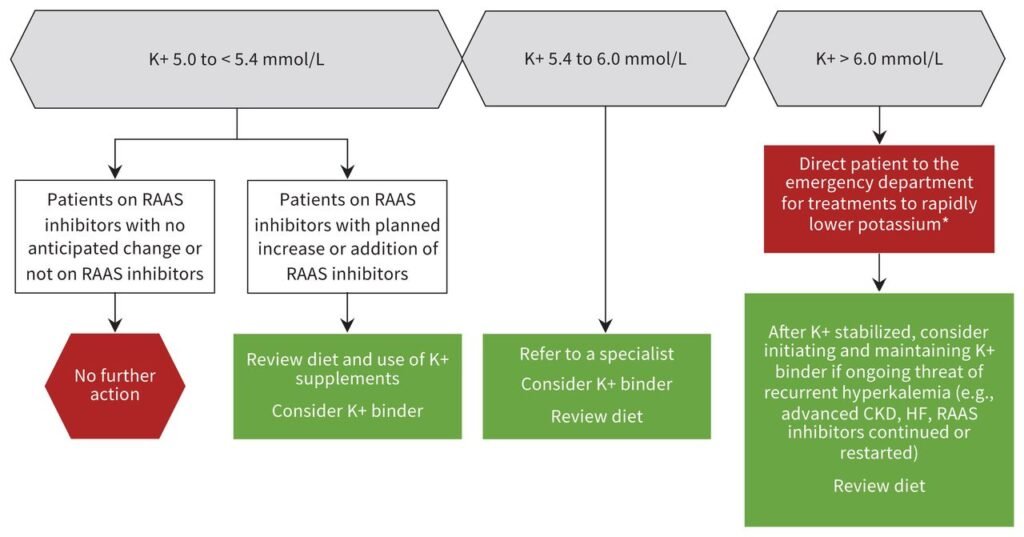
In some cases, lifestyle modifications may not be sufficient to manage hyperkalemia, and additional medical intervention may be required. Medications and specific treatments can aid in controlling potassium levels and minimizing the risk of complications.
Diuretics
Diuretics, commonly known as water pills, are medications that help the kidneys eliminate excess fluid and potassium from the body. Depending on individual circumstances, healthcare providers may prescribe potassium-sparing or loop diuretics to regulate potassium levels. These medications work by increasing urine output, thereby reducing potassium concentration in the blood. It is essential to follow the prescribed dosage and closely monitor potassium levels when using diuretics to ensure effective management of hyperkalemia.
Sodium Polystyrene Sulfonate
Sodium polystyrene sulfonate, also known as kayexalate, is a medication that helps lower potassium levels by binding to potassium in the intestines and facilitating its elimination through stool. This medication is typically recommended for individuals with acute or severe hyperkalemia. However, it is important to note that kayexalate should not be used in individuals with bowel obstruction or certain gastrointestinal conditions. Administration of sodium polystyrene sulfonate should always be under the guidance of a healthcare professional.
Dialysis
In severe cases of hyperkalemia, dialysis may be necessary to remove excess potassium from the body. Hemodialysis and peritoneal dialysis are two commonly used methods that involve the use of specialized machines or the abdominal cavity to filter the blood and remove toxins, including excess potassium. Dialysis is often recommended for individuals with kidney failure or those experiencing life-threatening cardiac complications due to hyperkalemia. This procedure is typically performed in a healthcare setting under the supervision of trained professionals.
Avoiding Potential Triggers
In addition to lifestyle modifications and medical intervention, avoiding potential triggers that can exacerbate hyperkalemia is crucial for effective management and prevention of complications. By being mindful of high-potassium foods, limiting alcohol consumption, and reducing medication risks, individuals at risk of hyperkalemia can minimize the chances of potassium imbalances.
Avoid High-Potassium Foods
Making informed dietary choices and avoiding high-potassium foods is essential for those at risk of hyperkalemia. It is important to be aware of the potassium content in different types of food and opt for low-potassium alternatives whenever possible. Utilizing online resources or consulting with a registered dietitian can provide valuable guidance in navigating food choices and creating well-balanced meal plans.
Limit Alcohol Consumption
Alcohol consumption can interfere with the normal functioning of the kidneys and contribute to electrolyte imbalances, including hyperkalemia. Limiting or avoiding alcohol altogether can help maintain electrolyte balance and reduce the risk of complications. It is advisable to seek professional help or support if alcohol consumption becomes a concern.
Reduce Medication Risks
Certain medications can increase the risk of developing hyperkalemia or exacerbate existing potassium imbalances. It is important to review the medication regimen with a healthcare provider and discuss any potential risks or interactions. If necessary, alternative medications or dosage adjustments can be explored to minimize the risk of hyperkalemia. Open and honest communication with healthcare providers is crucial in ensuring safe and effective medication management.
Educating Patients and Caregivers
Proper education and awareness are crucial in effectively managing and preventing hyperkalemia and its complications. By providing information on proper medication management, emphasizing the importance of regular check-ups, and promoting the recognition of early symptoms, healthcare providers can empower patients and caregivers to take an active role in their healthcare journey.
Proper Medication Management
One of the key aspects of managing hyperkalemia is proper medication management. It is important to understand the purpose of each medication, its potential side effects, and any specific instructions for use. Adhering to prescribed dosages and schedules is crucial for maintaining potassium balance and preventing complications. In case of any doubts or concerns regarding medications, it is essential to seek clarification from healthcare providers.
Importance of Regular Check-ups
Regular check-ups are instrumental in monitoring potassium levels, evaluating treatment efficacy, and detecting any early signs of complications. By emphasizing the importance of regular check-ups, healthcare providers can ensure proactive management of hyperkalemia and provide timely interventions if necessary. Encouraging patients and caregivers to actively participate in their healthcare journey and communicate any changes or concerns is vital for optimal outcomes.
Recognizing Early Symptoms
Recognizing and reporting early symptoms of hyperkalemia is crucial for timely intervention and prevention of complications. By educating patients and caregivers about the common symptoms, such as weakness, muscle cramps, and irregular heartbeat, healthcare providers can help raise awareness and encourage prompt medical attention. Timely recognition and treatment of hyperkalemia can significantly improve outcomes and minimize the impact on overall health.
Awareness and Prevention Campaigns
Promoting awareness and prevention of hyperkalemia is essential in order to reduce its prevalence and minimize its impact on individuals and communities. By implementing public education initiatives, healthcare provider training, and community outreach programs, the knowledge and understanding of hyperkalemia can be improved, leading to better prevention and management strategies.
Public Education Initiatives
Public education initiatives play a vital role in raising awareness about hyperkalemia and its potential consequences. By conducting targeted campaigns that provide accurate and accessible information, individuals can learn about the risk factors, symptoms, and preventive measures associated with hyperkalemia. Utilizing various platforms such as social media, television, and community health events can help reach a wider audience and promote widespread knowledge.
Healthcare Provider Training
Ensuring that healthcare providers are well-informed about hyperkalemia is crucial for effective prevention and management. By incorporating comprehensive training programs, continuing education modules, and updates on current guidelines, healthcare providers can stay up-to-date with the latest advancements in hyperkalemia management. This knowledge can then be passed on to patients, creating a collaborative approach to healthcare and improving overall outcomes.
Community Outreach Programs
Engaging with local communities through outreach programs can foster a sense of empowerment and encourage proactive healthcare practices. Community events focused on hyperkalemia prevention can offer screenings, informational sessions, and educational materials to individuals at risk. Additionally, partnering with local organizations, schools, and workplaces can help create a network of support and resources for individuals affected by hyperkalemia.
Supporting Hyperkalemia Research
Investing in scientific research is crucial for advancing understanding, prevention, and treatment of hyperkalemia. By supporting research efforts aimed at investigating new treatments, advancing diagnostic methods, and promoting early intervention, it is possible to significantly improve outcomes and quality of life for individuals with hyperkalemia.
Investigating New Treatments
Continued research into new treatment modalities can help expand the options available for individuals with hyperkalemia. By exploring innovative therapies, medications, and interventions, researchers can potentially develop more targeted and effective approaches to managing hyperkalemia. This can lead to improved outcomes, reduced complications, and better overall quality of life for individuals living with this condition.
Advancing Diagnostic Methods
Advancements in diagnostic methods are crucial for early detection and intervention in hyperkalemia. By investing in technologies and research focused on improving potassium level measurements, healthcare providers can quickly and accurately identify individuals at risk. Streamlined and accessible diagnostic methods can aid in implementing preventive measures and interventions at the earliest stages, thus minimizing the risk of complications.
Promoting Early Intervention
Early intervention plays a key role in preventing complications and improving long-term outcomes for individuals with hyperkalemia. By supporting research efforts aimed at identifying early markers, risk factors, and predictive models, healthcare providers can intervene at the right time and implement preventive measures. This proactive approach can significantly reduce the burden of hyperkalemia-related complications on individuals, healthcare systems, and society as a whole.
Improving Healthcare Policies
Creating a healthcare system that supports comprehensive care, incentivizes preventive measures, and enhances monitoring and reporting systems is essential for effectively managing hyperkalemia. By advocating for improved healthcare policies, it is possible to create an environment that promotes optimal outcomes for individuals with hyperkalemia.
Ensuring Access to Comprehensive Care
Facilitating access to comprehensive care is vital for individuals with hyperkalemia. This involves ensuring affordable access to healthcare services, medications, and specialized treatments such as dialysis. By addressing any barriers to healthcare access, policymakers can promote early diagnosis, ongoing monitoring, and appropriate management of hyperkalemia. Additionally, incorporating patient-centered care models that focus on individual needs and preferences can further enhance the overall healthcare experience.
Incentivizing Preventive Measures
Incentivizing preventive measures can encourage individuals to prioritize their health and take proactive steps in managing hyperkalemia. By providing incentives, such as reduced healthcare costs or insurance premiums, for individuals who actively participate in preventive programs, policymakers can promote a culture of prevention and early intervention. This can lead to improved health outcomes, reduced healthcare costs, and overall healthier communities.
Enhancing Monitoring and Reporting Systems
Streamlining monitoring and reporting systems is crucial for effective management of hyperkalemia. By implementing electronic health records, standardized reporting protocols, and efficient information exchange between healthcare providers, the overall quality of care can be improved. This seamless flow of information can aid in timely interventions, proactive management, and continuous monitoring of potassium levels, ultimately reducing the risk of complications and improving patient outcomes.
In conclusion, understanding hyperkalemia is essential for effective prevention, management, and prevention of complications. By raising awareness, promoting preventive measures, investing in research, and improving healthcare policies, it is possible to reduce the burden of hyperkalemia and enhance the overall well-being of individuals affected by this condition. With a comprehensive approach that includes education, lifestyle modifications, medication management, and support from healthcare systems, individuals with hyperkalemia can lead healthier lives and minimize the impact of this condition on their overall health.