
Living with overactive bladder can be challenging, but there are simple tips that can help you improve your quality of life. From making lifestyle changes to seeking medical advice, this article provides valuable insights on how to effectively manage the symptoms of overactive bladder. Whether it’s through bladder training exercises or incorporating certain dietary modifications, these tips are designed to empower you with the knowledge and tools to regain control over your bladder and live a happier, more fulfilling life.
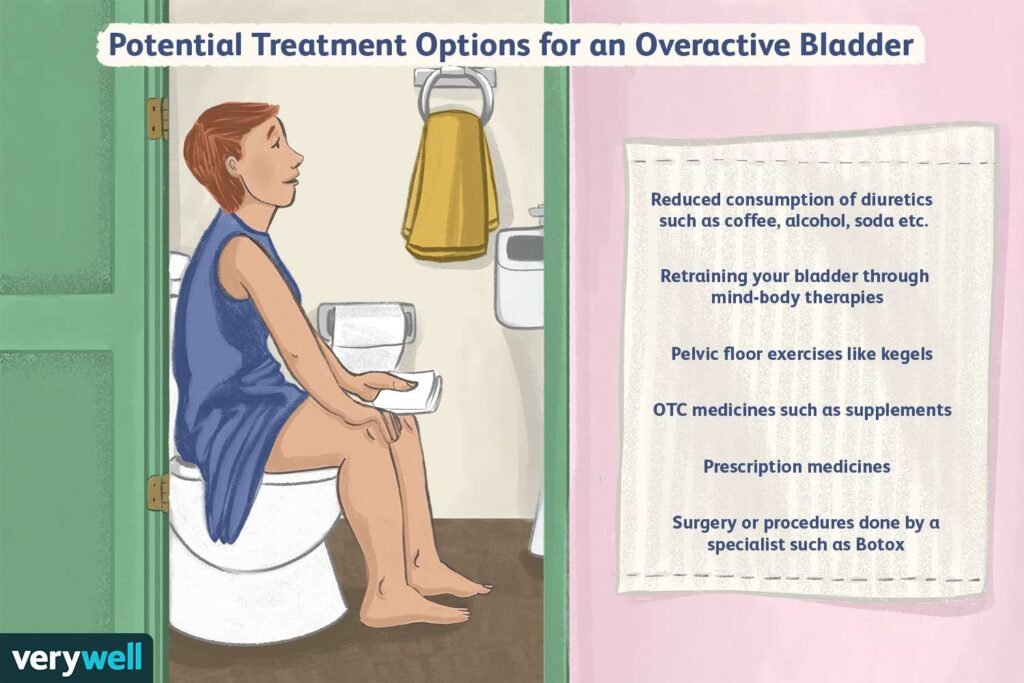
Understanding Overactive Bladder
Overactive Bladder (OAB) is a common medical condition that affects many individuals, both men, and women, of all ages. It is characterized by a frequent and urgent need to urinate, often accompanied by an inability to hold urine long enough to reach a restroom. While it is not a life-threatening condition, it can significantly impact one’s quality of life if left untreated. Understanding the causes, symptoms, and diagnosis of OAB is essential in finding suitable interventions and managing this condition effectively.
Definition of Overactive Bladder
Overactive Bladder is defined as a condition marked by an uncontrolled urge to urinate, which may be accompanied by leakage of urine, known as urge incontinence. It is important to note that OAB is not a normal part of aging and should not be dismissed as such. While OAB can occur in both men and women, it is more prevalent in women, especially those who have gone through menopause.
Causes of Overactive Bladder
The exact cause of Overactive Bladder is not always clear, but certain factors are known to contribute to the development of this condition. Muscle abnormalities in the bladder, such as bladder spasms or an overactive detrusor muscle, are believed to play a significant role in OAB. Other potential causes include nerve damage, hormonal imbalances, urinary tract infections, and certain medications. Additionally, lifestyle factors, such as excessive caffeine or alcohol consumption, can exacerbate symptoms of OAB.
Symptoms of Overactive Bladder
The most common symptom of Overactive Bladder is a frequent and urgent need to urinate, typically occurring more than eight times a day. Individuals with OAB often experience nocturia, which is the need to wake up during the night to urinate. This disrupted sleep pattern can lead to daytime fatigue and affect overall well-being. Another characteristic symptom of OAB is urge incontinence, which involves an involuntary loss of urine during episodes of urgency. It is essential to identify these symptoms early on and seek appropriate medical attention to manage OAB effectively.
Diagnosis of Overactive Bladder
If you suspect you have Overactive Bladder, it is important to consult a healthcare professional for a proper diagnosis. The diagnosis of OAB involves a thorough evaluation of medical history, physical examination, and possibly additional tests. Your healthcare provider may ask detailed questions about your urinary habits and symptoms, perform a physical examination, and order specific tests to rule out underlying conditions. These tests may include urine analysis, ultrasound of the bladder, and urodynamic studies to assess the function of your bladder and urinary tract. A correct diagnosis is crucial in determining the most effective treatment plan for your Overactive Bladder.
Lifestyle Modifications
Lifestyle modifications can significantly improve the symptoms of Overactive Bladder and enhance your overall quality of life. Simple changes in fluid management, bladder training, dietary habits, and weight management can make a substantial difference in managing OAB effectively.
Fluid Management
Monitoring and managing your fluid intake can help alleviate the symptoms of Overactive Bladder. It is crucial to stay adequately hydrated, but moderation is key. Avoid excessive fluid intake, especially before bedtime, as it may lead to frequent urination during the night. Also, it is advisable to reduce or eliminate caffeine and alcohol from your diet, as they act as diuretics and can irritate the bladder, exacerbating OAB symptoms. Instead, opt for non-caffeinated, non-alcoholic beverages, such as water, herbal tea, or diluted fruit juices.
Bladder Training
Bladder training is a behavioral technique that aims to improve bladder control and reduce the frequency of urination. It involves gradually extending the time between bathroom visits, training your bladder to hold urine for longer periods. Start by trying to hold your urine for a few minutes beyond the initial urge and gradually increase the intervals. This technique helps retrain your bladder to stretch and accommodate larger volumes of urine, reducing the urgency associated with Overactive Bladder.
Dietary Changes
Certain foods and beverages can irritate the bladder and worsen symptoms of Overactive Bladder. To manage OAB more effectively, it is advisable to identify and avoid these triggers. Spicy foods, acidic fruits, carbonated drinks, artificial sweeteners, and tomato-based products are often known to irritate the bladder. Experiment with eliminating or reducing these foods from your diet and observe if your symptoms improve. Maintaining a healthy, well-balanced diet can also help manage weight, which is another important lifestyle factor in OAB management.
Weight Management
Maintaining a healthy weight is vital for individuals with Overactive Bladder, as excess weight can put additional pressure on the bladder and worsen symptoms. Incorporating regular physical activity into your routine and adopting a balanced diet can help achieve and maintain a healthy weight. Consult with a healthcare professional or a registered dietitian to develop a personalized exercise plan and dietary guidelines suitable for your individual needs.
Pelvic Floor Exercises
Pelvic floor exercises, also known as Kegel exercises, are an effective non-invasive approach to strengthen the pelvic floor muscles, which support the bladder and urinary control. These exercises can improve bladder function, reduce urinary symptoms, and provide better control over the involuntary loss of urine associated with Overactive Bladder.
Kegel Exercises
Kegel exercises aim to strengthen the pelvic floor muscles by contracting and relaxing them in a controlled manner. To perform Kegel exercises, identify the muscles that you use to stop the flow of urine midstream. Once identified, contract and hold these muscles for a few seconds, then relax and repeat the process several times. Gradually increase the duration and number of repetitions as your muscles become stronger. It is important to note that Kegel exercises require consistency and may take several weeks or months to show noticeable improvement in Overactive Bladder symptoms.
Biofeedback
Biofeedback is a technique that uses electronic monitoring to provide visual or auditory cues, helping individuals gain awareness and control over specific body functions. In the case of Overactive Bladder, biofeedback can assist in training the pelvic floor muscles and improving coordination to enhance bladder control. By providing real-time feedback on muscle activity, it allows individuals to visualize their progress and adjust their efforts accordingly. Consult a healthcare professional or physical therapist experienced in biofeedback to guide you through this process effectively.
Electrical Stimulation
Electrical stimulation is another treatment option that can be used in conjunction with pelvic floor exercises to strengthen the muscles involved in urinary control. It involves applying mild electrical currents to the pelvic floor muscles, causing them to contract and exercise. This stimulation can be performed using specialized devices designed for home use or under the guidance of a healthcare professional. Electrical stimulation has shown promising results in improving bladder control and reducing symptoms of Overactive Bladder.
Medication Options
In some cases, lifestyle modifications and pelvic floor exercises may not provide sufficient relief from the symptoms of Overactive Bladder. In such instances, medications can be prescribed to manage OAB effectively. There are several medication options available, each with its own unique mechanisms of action and potential side effects.
Anticholinergic Medications
Anticholinergic medications are commonly prescribed for Overactive Bladder as they help relax the bladder muscles, reducing urgency and frequency of urination. These medications work by blocking the action of acetylcholine, a chemical in the body that stimulates bladder contractions. Common anticholinergic medications used for OAB include oxybutynin, tolterodine, solifenacin, and darifenacin. It is important to discuss potential side effects and interactions with your healthcare provider before starting any medication for Overactive Bladder.
Beta-3 Adrenergic Agonists
Beta-3 adrenergic agonists are another class of medications that can be used to treat Overactive Bladder. They work by relaxing the bladder muscles and increasing bladder capacity. Mirabegron is currently the only beta-3 adrenergic agonist approved for OAB treatment. It is important to note that beta-3 adrenergic agonists may have side effects such as increased heart rate and blood pressure. Therefore, it is crucial to discuss the risks and benefits of this medication with your healthcare provider before starting therapy.
Topical Estrogen Therapy
Estrogen plays a crucial role in maintaining the health and function of the lower urinary tract. In postmenopausal women, estrogen levels decrease, which can lead to changes in the urinary system and increase the risk of Overactive Bladder. Topical estrogen therapy, such as creams or vaginal rings, can help restore estrogen levels in the vaginal and urethral tissues, improving OAB symptoms. However, it is essential to discuss the potential risks and benefits of estrogen therapy with your healthcare provider, especially if you have a history of breast or uterine cancer.

Behavioral Therapies
In addition to lifestyle modifications and medications, behavioral therapies can be highly effective in managing Overactive Bladder. These non-pharmacological interventions focus on retraining the bladder and modifying behavioral responses to minimize OAB symptoms.
Scheduled Voiding
Scheduled voiding involves establishing a regular voiding routine, where you empty your bladder at set intervals throughout the day, even when you do not feel the urge to urinate. This technique helps desensitize the bladder and reduce the frequency of sudden urges. Start by setting a schedule with your healthcare provider, gradually increasing the time between voids. Over time, your bladder will adjust to the established routine, and the urgency associated with Overactive Bladder may decrease.
Urge Suppression Techniques
Urge suppression techniques aim to delay or distract oneself from the urge to urinate until reaching an appropriate restroom. These techniques can involve relaxation exercises, deep breathing, or mental distraction techniques. When the urge arises, try to focus on something other than the urgency, such as counting backward from 100 or thinking of a calming image. Practicing these techniques regularly can help regain control over the timing of urges and minimize the impact of Overactive Bladder on your daily activities.
Distraction Techniques
Distraction techniques involve diverting your attention away from the sensation of urgency by engaging in an engaging or enjoyable activity. This can include listening to music, reading a book, or engaging in a conversation. By redirecting your focus, you can momentarily suppress the urge to urinate and proceed with your daily tasks. Experiment with different distraction techniques to find what works best for you in managing your Overactive Bladder symptoms in various situations.
Alternative Treatments
In addition to conventional treatments, some individuals seek alternative therapies to manage their Overactive Bladder. While the effectiveness of these treatments may vary, they can be considered as complementary approaches in conjunction with lifestyle modifications and other interventions.
Acupuncture
Acupuncture is an ancient Chinese practice that involves inserting thin needles into specific points on the body to improve overall health and wellbeing. Some individuals have reported positive effects on their Overactive Bladder symptoms after undergoing acupuncture sessions. Acupuncture is believed to stimulate specific nerves and release endorphins, promoting relaxation, reducing stress, and potentially alleviating OAB symptoms. It is important to consult with a licensed and experienced acupuncturist before considering this treatment option.
Herbal Remedies
Certain herbal remedies have been traditionally used to manage urinary symptoms, including those associated with Overactive Bladder. Examples include pumpkin seed extract, saw palmetto, corn silk, and Gosha-jinki-gan. While some individuals may find relief with herbal remedies, it is crucial to approach these treatments with caution and consult with a healthcare professional before use. Herbal remedies may interact with medications or have side effects, and their effectiveness may vary among individuals.
Hypnotherapy
Hypnotherapy, or hypnosis, involves accessing a deeply relaxed state of concentration and suggestion to promote behavioral changes or alleviate symptoms. Some individuals have found hypnotherapy helpful in managing the urge sensations associated with Overactive Bladder. Hypnosis techniques may help rewire neural pathways and reduce the intensity of the brain’s response to bladder signals. As with any alternative treatment, it is essential to seek a qualified hypnotherapist with expertise in OAB management.

Managing Overactive Bladder at Work
Dealing with Overactive Bladder at the workplace can be challenging, but with proper planning and open communication, you can minimize the impact of OAB on your professional life.
Talking to your Employer
If you are facing difficulties at work due to your Overactive Bladder, it is advisable to have an open and honest conversation with your employer or supervisor. Explain the nature of your condition and provide relevant information to help them understand your needs. Discuss possible strategies, such as maintaining a comfortable working environment or flexible work hours, to accommodate your restroom needs. Many employers are willing to make reasonable accommodations to support employees with medical conditions, so do not hesitate to reach out for support.
Managing Urges Discreetly
There are several discreet techniques that can help manage urges at work discreetly. When you feel the urge to urinate, try gentle pelvic floor contractions or diverting your attention through deep breathing exercises. Breath-holding techniques can temporarily suppress the urgency sensation and provide you with a window of time to reach the restroom. Wearing discreet protective undergarments, such as absorbent pads or bladder control underwear, can also provide peace of mind and manage any potential leakage.
Access to Bathroom Facilities
Ensure that you have easy and quick access to bathroom facilities at your workplace. Talk to your employer about finding the nearest restroom and discuss any necessary modifications or accommodations that could improve your comfort and convenience. If possible, try to minimize obstacles or long distances between your workstation or office and the restroom. Identifying nearby facilities and planning your routes ahead of time can help reduce anxiety and facilitate timely restroom visits.
Dealing with Overactive Bladder at Social Gatherings
Overactive Bladder can present unique challenges when attending social events, but with some preparation and thoughtful choices, you can still enjoy socializing with friends and family.
Planning Ahead
Before attending a social gathering, take the time to plan ahead and consider your Overactive Bladder needs. Familiarize yourself with the location, including the layout and accessibility of restrooms. Inquire if there are any private or disabled facilities available, which may offer added convenience. Having this information in advance can help reduce anxiety and enable you to navigate restroom usage more discreetly.
Choosing the Right Beverages
Making wise choices regarding beverages can help manage your Overactive Bladder symptoms while socializing. Opt for drinks that are less likely to irritate the bladder, such as water, herbal tea, or diluted fruit juices. Avoid or moderate caffeine and alcohol consumption, as these can stimulate the bladder and increase the frequency of urination. If you are unsure about available options, consider bringing your own non-alcoholic and non-caffeinated beverages to ensure you have suitable alternatives.
Finding the Nearest Bathroom
When attending social gatherings, it is essential to familiarize yourself with the location of the nearest restroom. Upon arrival, discreetly locate the facilities, taking note of any alternative options available, such as portable restrooms or accessible facilities. Inform a trusted friend or family member about your condition and let them know you may need to excuse yourself to use the restroom occasionally. Having someone aware of your situation can provide additional support and alleviate any potential embarrassment.
Overcoming Emotional Challenges
Living with Overactive Bladder can have emotional implications, including anxiety, embarrassment, and a decreased sense of self-confidence. It is crucial to address these challenges and implement strategies to maintain a positive mindset.
Coping Strategies for Anxiety
Anxiety is a common emotional challenge associated with Overactive Bladder. To cope with anxiety, try relaxation techniques such as deep breathing exercises, visualization, or mindfulness meditation. Engaging in regular physical activity or seeking professional counseling can also help manage anxiety symptoms effectively. Remember, anxiety is a common response, and seeking support from loved ones or a mental health professional can provide valuable tools to cope with these emotional challenges.
Building a Support Network
Building a support network of understanding and supportive individuals can make a significant difference in managing Overactive Bladder. Reach out to friends, family members, or support groups who may have similar experiences. Sharing your feelings and experiences with others who can relate can provide a sense of validation, understanding, and valuable advice. Online communities and forums can also serve as a platform to connect with others facing similar challenges and share coping strategies.
Seeking Professional Help
If the emotional challenges associated with Overactive Bladder become overwhelming or significantly impact your quality of life, seek professional help. Mental health professionals, such as therapists or counselors, can provide guidance, support, and coping strategies to help manage the emotional aspects of OAB effectively. They can equip you with techniques to address anxiety, build self-confidence, and enhance your overall emotional well-being.
Managing Overactive Bladder Overnight
Overactive Bladder symptoms can be particularly disruptive during the night, affecting sleep quality and overall restfulness. Implementing specific strategies can help manage OAB during the nighttime hours.
Limiting Evening Fluid Intake
To reduce nighttime bathroom visits, it is recommended to limit your fluid intake in the evening. Be mindful of your fluid consumption, particularly a few hours before bedtime. Avoid caffeine and alcohol, as these can increase urine production and irritate the bladder. However, it is essential to maintain proper hydration throughout the day. Aim to drink adequate fluids earlier in the day to meet your hydration needs while minimizing the impact on your quality of sleep.
Using Protective Bedding
For additional reassurance and peace of mind, consider using protective bedding to manage potential leakage during the night. Waterproof mattress protectors, absorbent bed pads, or disposable underpads can help minimize any concerns about accidents or spills. These products are available in various sizes and absorbency levels to suit individual needs. Ensure that your bedding is comfortable and conducive to a good night’s sleep, further enhancing your overall quality of rest.
Implementing Nighttime Strategies
Developing a nighttime routine that promotes relaxation and good sleep hygiene can help manage Overactive Bladder symptoms during the night. Engaging in relaxation techniques before bed, such as reading, listening to calming music, or taking a warm bath, can help promote better sleep. Establish a consistent sleep schedule, allowing adequate time for restful sleep. If you find that Overactive Bladder symptoms still disrupt your sleep, consult a healthcare professional for further evaluation and guidance.
In conclusion, understanding Overactive Bladder and adopting effective strategies to manage this condition are crucial in maintaining a better quality of life. By implementing lifestyle modifications, engaging in pelvic floor exercises, considering medication options, exploring behavioral therapies, and seeking support, individuals with Overactive Bladder can minimize the impact of this condition on daily activities, social interactions, and emotional well-being. Remember, it is important to consult with a qualified healthcare professional to receive an accurate diagnosis and develop a personalized treatment plan that suits your unique needs.