
Have you ever wondered why certain heart conditions seem to run in families? Inherited heart conditions are a complex topic, but by gaining a better understanding of them, we can take steps towards early detection, prevention, and proper management. This article explores the different types of inherited heart conditions, their causes, and how they can be diagnosed and treated. Whether you have a family history of heart disease or simply want to broaden your knowledge, join us on this journey of understanding inherited heart conditions.
Overview
What are inherited heart conditions?
Inherited heart conditions refer to a group of cardiovascular disorders that are passed down through families due to genetic abnormalities. These conditions predispose individuals to an increased risk of developing various heart-related problems such as arrhythmias, coronary artery disease, and structural abnormalities of the heart. Unlike acquired heart conditions, which are typically caused by lifestyle factors or external influences, inherited heart conditions are primarily a result of genetic mutations.
Types of inherited heart conditions
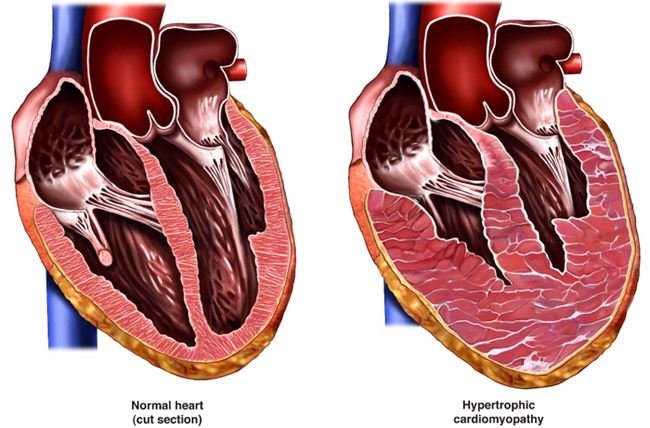
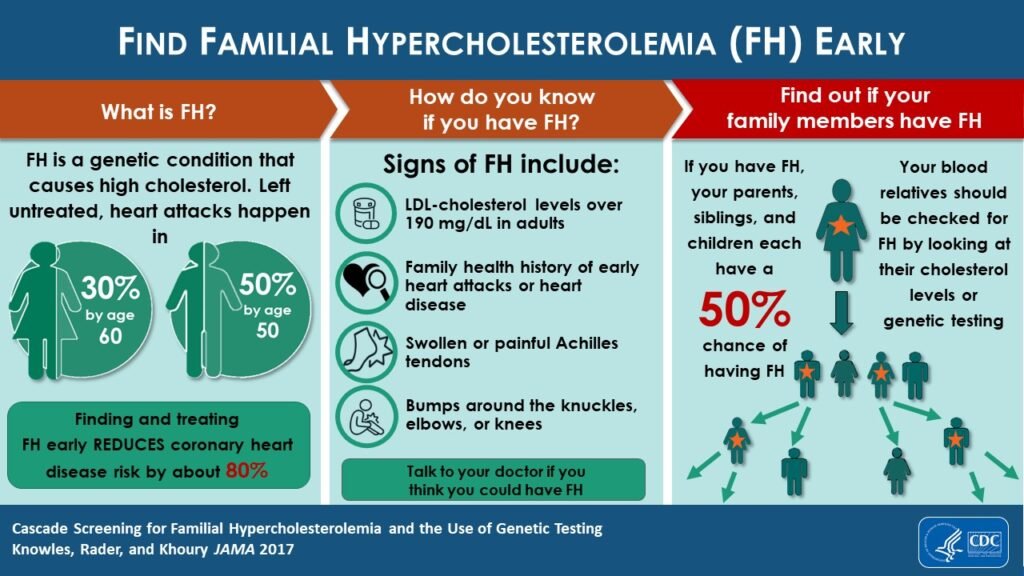
There are several types of inherited heart conditions, each with its own distinct characteristics and implications. Some of the most common inherited heart conditions include hypertrophic cardiomyopathy (HCM), arrhythmogenic right ventricular cardiomyopathy (ARVC), dilated cardiomyopathy (DCM), Marfan syndrome, familial hypercholesterolemia, and long QT syndrome (LQTS). These conditions can vary in their severity and may require different approaches to diagnosis, treatment, and management.
Causes and Risk Factors
Genetic mutations
Genetic mutations play a crucial role in the development of inherited heart conditions. These mutations can lead to abnormalities in the structure or function of the heart, disrupting its normal rhythm or impairing its ability to pump blood effectively. In many cases, inherited heart conditions are caused by mutations in specific genes that regulate cardiac development, electrical conductivity, or structural integrity.
Family history
Having a family history of inherited heart conditions significantly increases the risk of developing these conditions. If one or more of your close relatives, such as parents or siblings, have been diagnosed with an inherited heart condition, it is important to be vigilant and consider regular screenings and genetic testing to assess your own risk. It is essential to understand that inheriting a specific genetic mutation does not guarantee you will develop the condition, but it does increase the likelihood.
Other risk factors
While genetic mutations and family history are the primary risk factors for inherited heart conditions, other factors can contribute to their development. These include certain medical conditions like high blood pressure, diabetes, and obesity, as well as lifestyle choices such as smoking, excessive alcohol consumption, and a sedentary lifestyle. It is important to minimize these risk factors to maintain heart health, even if you are not predisposed to inherited heart conditions.
Symptoms
Common symptoms
The symptoms of inherited heart conditions can vary depending on the specific condition and its severity. However, there are some common symptoms that individuals with inherited heart conditions may experience. These include chest pain or discomfort, palpitations, shortness of breath, fatigue, dizziness, fainting episodes, and swollen ankles or legs. It is important to note that some individuals with inherited heart conditions may not experience any symptoms at all, making regular screenings and check-ups essential for early detection.
Symptoms that require immediate medical attention
While most symptoms associated with inherited heart conditions can be managed with appropriate medical care, certain symptoms should never be ignored and require immediate medical attention. These include sudden and severe chest pain, difficulty breathing, fainting spells, rapid or irregular heartbeats, and symptoms that worsen with physical activity or exertion. If you experience any of these symptoms, it is crucial to seek medical help promptly to ensure timely intervention and prevent complications.
Diagnosis
Genetic testing
Genetic testing plays a pivotal role in the diagnosis of inherited heart conditions. It involves analyzing a person’s DNA to identify specific genetic mutations associated with heart conditions. Genetic testing can help confirm a diagnosis, determine the type and severity of the condition, assess the risk of complications, and guide appropriate treatment strategies. It is important to consult with a genetic counselor or a healthcare professional specializing in genetic testing to understand the implications and limitations of genetic testing for inherited heart conditions.
Physical examination
A thorough physical examination is another crucial component of diagnosing inherited heart conditions. During the examination, your healthcare provider will listen to your heart using a stethoscope to detect any abnormal sounds or rhythms. They will also assess other physical signs such as swollen ankles, elevated jugular venous pressure, or abnormal heart murmurs, which can be indicative of an underlying heart condition.
Electrocardiogram (ECG)
An electrocardiogram, commonly known as an ECG or EKG, is a non-invasive test that measures the electrical activity of the heart. It is a valuable tool in the diagnosis of inherited heart conditions, as it can detect abnormalities in the heart’s rhythm and electrical conduction. An ECG involves placing electrodes on the chest, limbs, and sometimes even the abdomen, and recording the heart’s electrical signals. Changes in the ECG pattern can provide important clues for diagnosing inherited heart conditions.
Echocardiogram
An echocardiogram is an ultrasound-based imaging test that allows visualizing the structure and function of the heart. It uses sound waves to create real-time images of the heart’s chambers, valves, and blood flow patterns. Echocardiography is particularly useful in diagnosing conditions such as cardiomyopathies, valve abnormalities, and structural defects. It provides valuable information on the size, shape, and pumping ability of the heart, helping healthcare professionals make accurate diagnoses and determine appropriate treatment options.
Other diagnostic tests
Depending on the specific symptoms and suspected condition, other diagnostic tests may be necessary for a comprehensive evaluation. These may include exercise stress tests, cardiac magnetic resonance imaging (MRI), cardiac catheterization, or electrophysiology studies. These additional tests aim to gather more detailed information about the heart’s structure, function, and electrical activity, assisting healthcare professionals in making an accurate diagnosis and planning personalized treatment strategies.

Treatment Options
Medications
Medications are an essential component of treatment for inherited heart conditions. The choice of medication depends on the specific condition and its associated symptoms. Medications may be prescribed to control heart rhythm abnormalities, manage high blood pressure or heart failure, reduce the risk of blood clots, and improve overall heart function. It is important to take medications as prescribed and attend regular follow-up appointments to monitor their efficacy and adjust dosages as needed.
Surgery
In some cases, surgery may be necessary to treat inherited heart conditions. Surgical interventions can range from minimally invasive procedures, such as catheter-based interventions or implantation of cardiac devices, to more extensive surgeries, such as valve replacements or coronary artery bypass grafting. Surgical options are typically considered when medications and other non-invasive treatments are insufficient to manage symptoms or reduce the risk of complications.
Implantable devices
For individuals with certain inherited heart conditions, implantable devices may be recommended to manage symptoms or reduce the risk of sudden cardiac arrest. These devices include implantable cardioverter-defibrillators (ICDs) and pacemakers. ICDs continuously monitor the heart’s rhythm and deliver electrical shocks or pacing when life-threatening arrhythmias occur. Pacemakers, on the other hand, regulate the heart rate and rhythm, ensuring it stays within a normal range.
Living with an Inherited Heart Condition
Understanding the condition
Living with an inherited heart condition can be challenging, but gaining a thorough understanding of the condition is paramount. Educate yourself about your specific heart condition, its causes, symptoms, treatment options, and potential complications. Stay informed about the latest research and advancements in the field to make informed decisions regarding your health. This understanding will help you actively participate in your treatment plan and make appropriate lifestyle choices.
Maintaining a healthy lifestyle
Leading a healthy lifestyle is crucial for managing an inherited heart condition effectively. This includes adopting a heart-healthy diet rich in fruits, vegetables, whole grains, lean proteins, and low in saturated fats, cholesterol, and sodium. Regular exercise is also important, but it is advisable to consult with your healthcare provider to determine the appropriate level of physical activity. Avoid smoking, limit alcohol consumption, and manage stress through relaxation techniques and healthy coping mechanisms.
Regular check-ups
Regular check-ups with a healthcare professional experienced in managing inherited heart conditions are essential for long-term care. These check-ups typically include physical examinations, monitoring of symptoms, medication reviews, and assessment of cardiac function through various tests such as ECGs, echocardiograms, or stress tests. Regular follow-ups help identify any changes in your condition, adjust treatment plans accordingly, and detect potential complications at an early stage.
Managing emotional well-being
Living with an inherited heart condition can take a toll on your emotional well-being. It is important to recognize and address the psychological impact of the condition. Seek support from your healthcare team, loved ones, and support groups specializing in inherited heart conditions. Engaging in stress management techniques, practicing mindfulness, and pursuing hobbies and activities you enjoy can also contribute to emotional well-being and help you cope with the challenges associated with your condition.
Support and Resources
Support groups
Support groups can play a critical role in providing emotional support, sharing experiences, and offering practical advice for individuals with inherited heart conditions and their families. Consider joining local or online support groups where you can connect with others who can relate to your experiences. These groups often organize educational events, workshops, and social activities that can enhance your knowledge and improve your overall well-being.
Counseling services
In addition to support groups, counseling services can help individuals and families affected by inherited heart conditions navigate the emotional and psychological aspects of living with a chronic condition. Professional counselors or therapists can provide guidance, coping strategies, and a safe space to express concerns or fears associated with the condition. They can also assist in managing stress, anxiety, and feelings of uncertainty that may arise.
Online resources
The internet offers a wealth of information about inherited heart conditions, treatment options, and available resources. However, it is important to ensure that the online resources you rely on are reputable and evidence-based. Look for websites or online platforms managed by reputable healthcare organizations, medical institutions, or established patient advocacy groups. These sources can provide accurate, up-to-date information and educational materials to support your ongoing journey with your inherited heart condition.
Prevention and Genetic Counseling
Preventive measures
While it is not always possible to prevent the development of inherited heart conditions, taking preventive measures can help minimize risk factors and optimize heart health. Maintaining a healthy lifestyle that includes a nutritious diet, regular exercise, managing stress, and avoiding smoking and excessive alcohol consumption can have a positive impact on overall heart health. Additionally, managing other medical conditions such as high blood pressure, diabetes, and high cholesterol can significantly reduce the risk of developing complications associated with inherited heart conditions.
Genetic counseling
Genetic counseling is an integral part of managing inherited heart conditions. Genetic counselors are healthcare professionals specialized in the field of medical genetics and can provide personalized information, support, and guidance regarding the genetic aspects of your condition. They can help interpret genetic testing results, assess the risk of passing on the condition to future generations, discuss family planning options, and address any concerns or questions you may have. Genetic counseling empowers you to make informed decisions regarding your health and the health of your family members.
Impact on Family Members
Screening family members
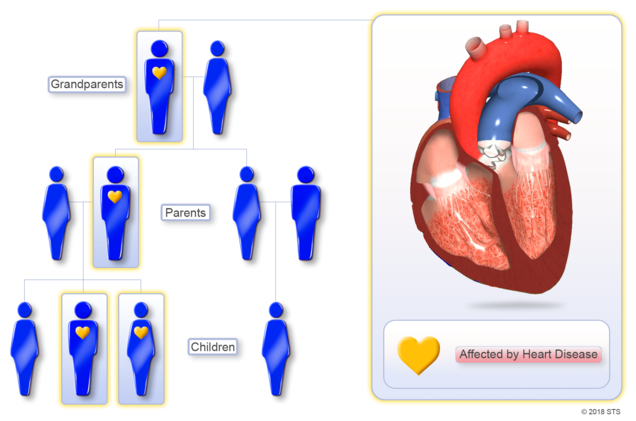
Inherited heart conditions can have a significant impact on family members, as they are often at risk of inheriting the genetic mutation predisposing to the condition. It is crucial for individuals diagnosed with an inherited heart condition to encourage their family members, especially first-degree relatives (parents, siblings, and children), to undergo medical screenings and genetic testing. Early detection and timely intervention can lead to better outcomes and improve the quality of life for affected family members.
Psychological impact on family members
The diagnosis of an inherited heart condition can have a profound psychological impact on family members. Fear, anxiety, guilt, and grief are common emotional responses. It is essential to foster open communication within the family, provide emotional support, and seek professional counseling if needed. Engaging in activities that promote family bonding, such as participating in support groups or attending family counseling sessions, can also help alleviate psychological distress and strengthen relationships.
Research and Future Developments
Advancements in genetic research
Research in the field of genetic cardiology is rapidly advancing our understanding of inherited heart conditions. Scientists are continuously uncovering new genetic mutations associated with different heart conditions and exploring their mechanisms of action. This knowledge has the potential to lead to the development of targeted therapies, improved diagnostic tools, and enhanced treatment modalities for individuals with inherited heart conditions.
Current ongoing studies
Numerous ongoing studies are further exploring various aspects of inherited heart conditions, including disease progression, risk prediction, and treatment outcomes. Clinical trials are also underway to evaluate the safety and efficacy of innovative treatment approaches and medications. By participating in clinical studies, individuals with inherited heart conditions can contribute to the advancement of medical knowledge, help shape future treatment options, and potentially benefit from cutting-edge therapies before they become widely available.
In conclusion, understanding inherited heart conditions is essential for individuals and families affected by these conditions. Recognizing the causes, symptoms, treatment options, and resources available is crucial for managing the condition effectively and promoting heart health. With advances in genetic research and ongoing studies, there is hope for improved diagnosis, treatment, and outcomes for individuals living with inherited heart conditions. Remember to consult with healthcare professionals, engage in support networks, and stay informed about the latest developments in the field to best navigate your journey with an inherited heart condition.