
Spending time outdoors can be a wonderful experience, filled with fresh air and a chance to connect with nature. However, one common nuisance that can put a damper on your outdoor adventures is insect bites. Mosquitoes, ticks, and other pests can leave you itching and uncomfortable, not to mention the potential health risks they can pose. Fear not, for this article is here to provide you with some helpful tips and tricks to prevent those pesky insect bites during your outdoor activities. Whether you’re planning a hike, a camping trip, or simply enjoying a picnic in the park, these simple strategies will help keep those annoying bugs at bay, ensuring your time in the great outdoors is nothing short of fantastic.
Preventing Insect Bites: Tips for Outdoor Activities
Spending time outdoors and enjoying nature is a wonderful way to relax and rejuvenate. However, pesky insects can often make outdoor activities less enjoyable. Insect bites can not only be annoyingly itchy and uncomfortable, but they can also pose health risks by transmitting diseases. To keep yourself protected and enjoy your time outside to the fullest, it’s essential to take preventive measures against insect bites. This comprehensive guide will provide you with tips and strategies to minimize the risk of insect bites during your outdoor adventures.
Understanding Insect Bites
Before diving into preventive measures, it is important to understand the different types of insect bites and the dangers associated with them. Insects such as mosquitoes, ticks, and gnats are common perpetrators when it comes to bites, each with their own unique characteristics and risks.
Different Types of Insect Bites
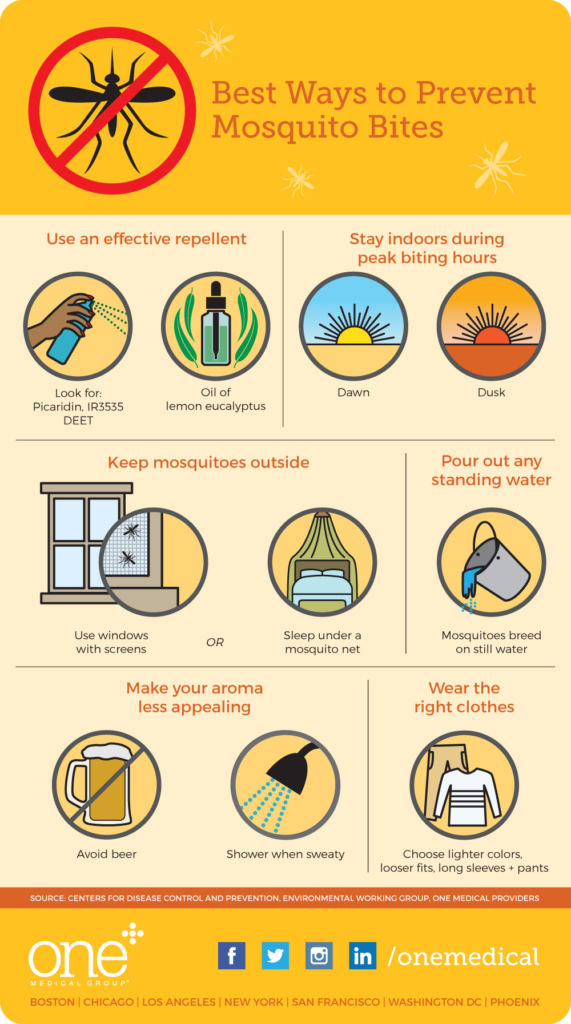
Mosquito bites are characterized by itchy, red bumps that usually appear shortly after being bitten. Mosquitoes are most active during dawn and dusk, so it’s especially important to take precautions during these times.
Ticks are known for their ability to latch onto your skin and feed on your blood. Their bites can be painless, making them difficult to notice right away. Ticks are notorious carriers of diseases like Lyme disease, so it’s crucial to take extra care when dealing with tick bites.
Gnats and other biting flies can leave painful welts and often appear in swarms near bodies of water. While not as dangerous as mosquito or tick bites, they can still cause discomfort and ruin your outdoor experience.
Dangers Associated with Insect Bites
Insect bites can lead to various health risks, including allergic reactions, itching, and in some cases, the transmission of diseases. Mosquitoes are known vectors for diseases like Zika virus, West Nile virus, and dengue fever. Ticks can transmit Lyme disease, babesiosis, and other tick-borne illnesses. It’s important to remember that prevention is key to avoiding these potential dangers and enjoying your time outdoors without worry.

Choosing Appropriate Clothing
One of the most effective ways to prevent insect bites is to wear the right clothing. By selecting the appropriate garments, you can create a physical barrier between yourself and the biting insects.
Covering Exposed Skin
When spending time outdoors, it is advisable to cover as much exposed skin as possible. Opt for lightweight, long-sleeved shirts and pants to protect your arms and legs. Wearing clothing made of tightly-woven fabric can also prevent insects from biting through the material.
Opting for Light-Colored Clothing
Insects are often attracted to dark colors, so choosing light-colored clothing can help reduce their interest in you. Light-colored garments are less likely to attract insects, and they also help you stay cool in hotter weather.
Avoiding Floral Prints and Bright Colors
While floral prints and bright colors may be fashionable, they can also attract insects. Avoid clothing with floral patterns or bright, vibrant colors as they tend to draw insects towards you. By opting for solid colors, you can lessen the chances of being noticed by insects and minimize your risk of bites.
Wearing Protective Footwear
In addition to covering your body, don’t forget about protecting your feet. Opt for closed-toe shoes or boots rather than sandals or flip-flops, as these can provide a physical barrier against insect bites. Tucking your pants into your socks or shoes can also prevent insects from crawling up your legs.
Applying Insect Repellent
Insect repellent is a powerful tool in the battle against insect bites. By choosing the right repellent and applying it properly, you can significantly reduce your chances of being bitten.
Choosing the Right Repellent
When selecting an insect repellent, look for products containing active ingredients such as DEET, picaridin, or IR3535. These ingredients have been proven effective against a wide range of insects. It’s important to read the label and follow the instructions carefully to ensure maximum protection.
Proper Application of Repellent
To apply insect repellent correctly, start by spraying or spreading a thin, even layer on exposed skin. Be careful to avoid contact with your eyes, nose, and mouth. When applying repellent on children, it’s best to do it yourself and avoid applying it to their hands to prevent accidental ingestion or eye contact.
Reapplying as Necessary
Insect repellent wears off over time, especially if you’re sweating or spending time in water. It’s crucial to reapply repellent as necessary to maintain its effectiveness. Follow the instructions on the product label to determine the appropriate frequency for reapplication.
Using Natural Repellents and Remedies
If you prefer a more natural approach to insect bite prevention, there are several options available that can help repel insects.
Utilizing Essential Oils
Many essential oils have insect-repellent properties and can be used as natural alternatives to commercial repellents. Oils such as citronella, lemongrass, lavender, and eucalyptus are known for their ability to deter insects. Dilute these oils with a carrier oil such as almond or coconut oil, and apply them directly to your skin or clothing.
Creating Homemade Repellents
Another option is to create your own homemade repellents using common household ingredients. For example, a mixture of vinegar and water can be effective in repelling mosquitoes and gnats. Adding a few drops of essential oils to this mixture can enhance its repellent properties. Always perform a patch test on a small area of your skin to ensure you don’t have any adverse reactions.
Applying Calamine Lotion for Itchy Bites
Sometimes despite all precautions, you still end up with itchy insect bites. In such cases, applying calamine lotion can provide relief. Calamine lotion has a soothing effect on insect bites and can help reduce itching and inflammation. Apply it directly to the affected area for immediate relief.
Creating a Bug-Free Environment
Preventing insect bites also involves making your outdoor environment less appealing to bugs. By taking some simple steps, you can significantly reduce their presence.
Removing Standing Water
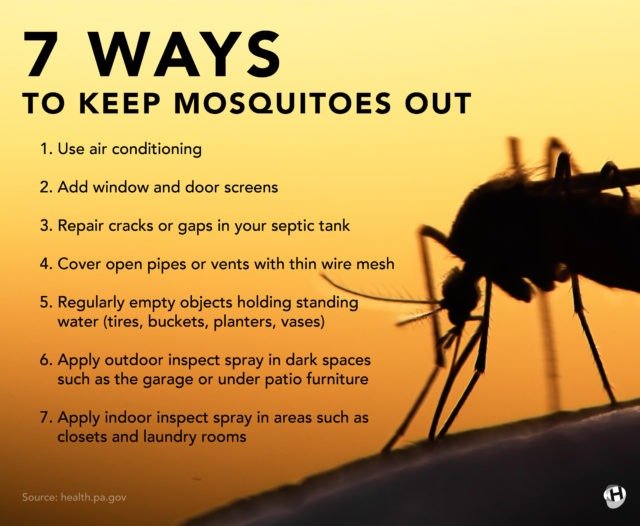
Mosquitoes breed in standing water, so it’s essential to eliminate any potential breeding grounds. Regularly drain any stagnant water from birdbaths, flower pots, or containers in your outdoor space. Ensure that rain gutters are clean and free from debris to prevent water accumulation.
Keeping Outdoor Areas Clean
Regular maintenance and cleanliness of outdoor areas can discourage insects from making themselves at home. Trim overgrown vegetation and bushes to reduce hiding spots for insects. Remove any fallen leaves or debris that may attract insects and provide them with shelter.
Using Outdoor Fans or Citronella Candles
Insects are not particularly fond of moving air, so using outdoor fans can help create a non-ideal environment for them. Additionally, placing citronella candles or torches around your outdoor space can deter insects with their aromatic scent. These measures can help you enjoy insect-free evenings on your patio or deck.

Avoiding Peak Mosquito Activity
Understanding the peak activity times of mosquitoes can help you plan your outdoor activities more strategically, reducing your chances of getting bitten.
Knowing Mosquito Activity Times
Mosquitoes are most active during the early morning and evening hours. Avoiding outdoor activities during these times or taking extra precautions can significantly reduce your exposure to these biting pests. If you must be outdoors during peak mosquito activity, ensure you are well-prepared with appropriate clothing and repellents.
Planning Activities Accordingly
When planning outdoor activities, consider the mosquito activity in your area. Mosquito presence can vary depending on the season and local climate. Be mindful of areas with standing water, as they tend to attract mosquitoes. If possible, choose locations with a lower mosquito population or plan activities when the risk of bites is lower.
Using Physical Barriers
Physical barriers are an effective way to keep insects at bay and prevent bites. By utilizing screens, netting, and appropriate accessories, you can create a bug-free zone.
Using Screens or Netting
Installing screens on windows, doors, or patio enclosures can prevent insects from entering your living space. Make sure the screens are well-maintained and free from holes or tears to provide maximum protection. For camping or outdoor sleeping arrangements, use a mosquito net around your sleeping area to create a barrier against insect bites.
Wearing Hats and Scarves
In addition to protecting your skin with clothing, wearing hats and scarves can offer an extra layer of defense against insect bites. A wide-brimmed hat can not only shade your face from the sun but also keep mosquitoes away from your head and neck. A lightweight scarf or bandana can be wrapped around your neck or tucked into your shirt to prevent biting insects from accessing your skin.

Taking Precautions in Specific Environments
Different outdoor environments come with their own unique challenges when it comes to insect bites. Here are some specific precautions to consider in various settings:
Campgrounds and Hiking Trails
When camping or hiking, it’s crucial to be prepared for encounters with insects. Wear long pants, long-sleeved shirts, and closed-toe shoes to minimize exposure to ticks and biting flies. Additionally, consider treating your clothing and gear with permethrin, an insect repellent specifically designed for fabrics.
Beaches and Coastal Areas
Insects are often less prevalent in sandy, open beach areas. However, it’s still important to protect yourself from biting flies and gnats. Applying repellent and wearing protective clothing, such as lightweight long sleeves and pants, can help prevent bites. Don’t forget to reapply repellent after swimming or water activities.
Gardens and Parks
Spending time in gardens and parks can expose you to a variety of insects. Be cautious around flowering plants, as they tend to attract bees and wasps. Keep an eye out for ticks if you’re walking through tall grass or wooded areas. Applying repellent and doing a thorough tick check after your outdoor adventure is advisable.
Conclusion
By understanding the different types of insect bites, choosing appropriate clothing, applying insect repellent, utilizing natural remedies, creating a bug-free environment, avoiding peak mosquito activity, using physical barriers, and taking specific precautions in different environments, you can effectively prevent insect bites during your outdoor activities. Prioritizing prevention and adopting these strategies will help keep you comfortable, protected, and fully able to enjoy the great outdoors. So, gear up, apply some repellent, and embark on your next outdoor adventure with confidence, knowing that you’ve taken the necessary steps to prevent those pesky insect bites.