
Imagine being able to gain valuable insight into your risk for potential heart conditions simply through a genetic test. With advancements in medical technology, this is now a possibility. Genetic testing for inherited heart conditions has become increasingly popular, offering individuals the opportunity to better understand their genetic predisposition for various heart conditions. By identifying specific genetic mutations, healthcare professionals can provide tailored treatment plans and prevention strategies, ultimately saving lives and improving overall heart health. In this article, we will explore the benefits and drawbacks of genetic testing for inherited heart conditions, as well as how this innovative approach is revolutionizing the field of cardiology.

Understanding Inherited Heart Conditions
Inherited heart conditions refer to a group of cardiovascular disorders that are passed down from one generation to another through genetic inheritance. These conditions are caused by mutations or changes in specific genes that are essential for the normal functioning of the heart. While not all heart conditions are inherited, it is crucial to have a comprehensive understanding of these conditions to ensure proper diagnosis, management, and prevention.
What are inherited heart conditions?
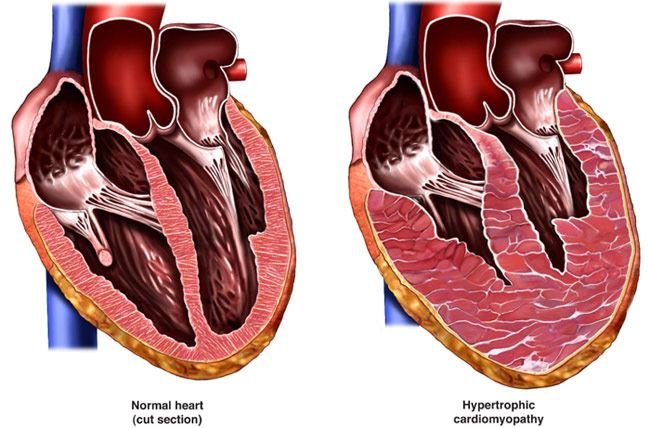
Inherited heart conditions encompass a wide range of disorders that affect the structure and function of the heart. These conditions can manifest in various ways, including abnormalities in the heart’s electrical system, structural defects, or problems with the heart’s ability to pump blood efficiently. Some examples of inherited heart conditions include hypertrophic cardiomyopathy, arrhythmogenic right ventricular cardiomyopathy, long QT syndrome, and Marfan syndrome.
Types of inherited heart conditions
There are several types of inherited heart conditions, each with its unique characteristics and modes of inheritance. Some conditions, such as hypertrophic cardiomyopathy, are caused by mutations in a single gene and can be inherited in an autosomal dominant pattern, meaning that an affected individual has a 50 percent chance of passing the condition on to each of their children. Other conditions, such as long QT syndrome, may follow an autosomal recessive pattern or even have an X-linked inheritance pattern.
Causes of inherited heart conditions
The primary cause of inherited heart conditions is genetic mutations. These mutations can occur spontaneously during one’s lifetime or be inherited from parents who carry the mutated gene. In some cases, the mutations may be silent, meaning they have no apparent impact on the individual’s health. However, when these mutations affect genes that are responsible for regulating the heart’s structure or function, they can result in the development of inherited heart conditions.
Symptoms of Inherited Heart Conditions
Recognizing the symptoms of inherited heart conditions is crucial for early detection, proper diagnosis, and timely medical intervention. While symptoms may vary depending on the specific condition and individual, there are common signs that one should be aware of.
Common symptoms
Some common symptoms of inherited heart conditions include chest pain or discomfort, shortness of breath, palpitations (rapid or irregular heartbeats), dizziness or fainting spells, fatigue, and fluid retention. These symptoms may worsen with physical activity or emotional stress and can significantly impact an individual’s quality of life. It is essential to pay attention to these symptoms and seek medical attention promptly if they occur.
Symptoms in different age groups
The symptoms of inherited heart conditions can present differently based on the age of the individual. In children, symptoms may manifest as poor feeding, failure to thrive, and exercise intolerance. Adolescents and young adults may experience symptoms during physical exertion or increased emotional stress. As individuals age, symptoms may become more pronounced, leading to a higher risk of complications such as heart failure or sudden cardiac arrest.
When to seek medical attention
It is crucial to remember that inherited heart conditions can be life-threatening without proper management. If you or a loved one experience any of the symptoms mentioned or suspect the presence of an inherited heart condition based on family history, it is essential to seek medical attention promptly. A healthcare professional specializing in cardiovascular disorders can provide a comprehensive evaluation, proper diagnosis, and recommend appropriate treatment options.

Diagnosis of Inherited Heart Conditions
Accurate diagnosis of inherited heart conditions is essential to develop appropriate treatment plans and provide adequate care for affected individuals. Diagnosis often involves a combination of medical history assessment, physical examination, and specialized tests.
Medical history and physical examination
The healthcare professional will start by evaluating the individual’s medical history, including any family history of heart conditions or sudden cardiac death. They will also conduct a physical examination to look for any signs or symptoms of an inherited heart condition. The information gathered during this assessment will help guide further diagnostic steps.
Genetic testing for inherited heart conditions
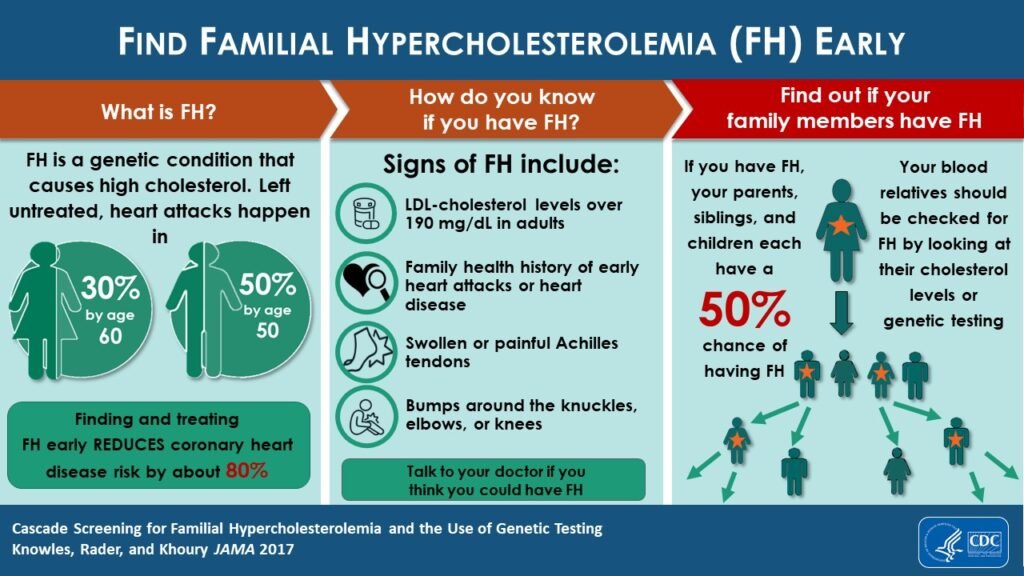
Genetic testing is a fundamental tool in diagnosing inherited heart conditions. It involves analyzing an individual’s DNA to identify specific genetic mutations associated with these conditions. Genetic testing can help confirm a diagnosis, determine the specific type of inherited heart condition, and provide valuable information about the risk of passing the condition on to future generations.
Other diagnostic methods
In addition to genetic testing, healthcare professionals may use other diagnostic methods to evaluate the heart’s structure and function. These methods may include electrocardiogram (ECG or EKG) to assess the heart’s electrical activity, echocardiography to visualize the heart’s structure and function, and exercise stress testing to evaluate the heart’s response to physical activity. Other specialized tests such as cardiac MRI or cardiac catheterization may be required in specific cases to provide more detailed information.
Benefits of Genetic Testing
Genetic testing offers various benefits in the context of inherited heart conditions, ranging from identifying individuals at risk to guiding treatment plans.
Identifying individuals at risk
Genetic testing can identify individuals who carry specific gene mutations associated with inherited heart conditions. This information is invaluable for their relatives, as it enables them to determine their own risk of developing the condition. It allows healthcare professionals to provide appropriate monitoring, early intervention, and preventive measures in individuals at risk, potentially preventing serious complications.
Early detection and prevention
Genetic testing can facilitate early detection of inherited heart conditions, even before symptoms manifest. Early identification allows for proactive management and implementation of preventive strategies, such as lifestyle modifications, medication regimens, or close monitoring. Timely intervention can significantly improve outcomes and reduce the risk of life-threatening events like sudden cardiac arrest.
Guiding treatment plans
Understanding an individual’s genetic profile can guide healthcare professionals in developing personalized treatment plans. Different genetic mutations may require specific management approaches or targeted therapies. Genetic testing can help tailor treatment plans to a particular individual’s needs, optimizing their chances of successful outcomes and improving their overall quality of life.
Available Genetic Testing Methods
Various genetic testing methods are employed to detect mutations associated with inherited heart conditions. The choice of testing method depends on the specific condition being evaluated and the type of genetic alteration suspected.
Targeted sequencing
Targeted sequencing focuses on analyzing specific genes known to be associated with inherited heart conditions. This method is useful when there is a high suspicion of a particular genetic mutation based on family history or clinical presentation. Targeted sequencing is a cost-effective approach that can provide focused information.
Whole exome sequencing
Whole exome sequencing involves analyzing the protein-coding regions of the genome to identify potential genetic mutations. This approach provides comprehensive coverage of the exome and can detect mutations not directly linked to known inherited heart conditions. However, it does not analyze non-coding regions of the genome.
Whole genome sequencing
Whole genome sequencing offers the most comprehensive analysis, as it examines the entire DNA sequence of an individual. It includes both coding and non-coding regions of the genome. While whole genome sequencing provides extensive information, it may be costlier and generate an overwhelming amount of data that requires careful analysis and interpretation.
Genetic Counseling
Genetic counseling plays a pivotal role in the genetic testing process for inherited heart conditions. It provides individuals and families with the information, support, and guidance necessary to make informed decisions about genetic testing, understand the results, and navigate the potential implications.
What is genetic counseling?
Genetic counseling is a personalized process that involves discussing an individual or family’s medical and genetic information with a trained genetic counselor or healthcare professional. The counselor helps interpret genetic test results, assess the risk of developing or passing on inherited heart conditions, explain the options available for management and prevention, and address any concerns or questions.
Role of genetic counselors
Genetic counselors are highly trained healthcare professionals who specialize in genetics and counseling. They play a crucial role in helping individuals and families understand the complexities of genetic testing and inherited heart conditions. Genetic counselors provide emotional support, education, and empower individuals to make informed decisions about their health and the health of their family members.
Benefits of genetic counseling
Genetic counseling offers numerous benefits in the context of inherited heart conditions. It provides individuals and families with a clear understanding of the condition, including its inheritance patterns, potential implications, available management strategies, and preventive measures. Genetic counseling can alleviate anxiety, ensure informed decision-making, and foster a sense of empowerment by equipping individuals and families with the knowledge necessary to manage their health effectively.

Considerations Before Genetic Testing
Before undergoing genetic testing for inherited heart conditions, it is essential to consider various factors to make an informed decision.
Understanding the implications
Genetic testing can provide valuable information about an individual’s health, future risks, and potential implications for family members. It is important to fully understand the impact the results may have on personal and family dynamics, emotional well-being, and long-term planning.
Potential emotional and psychological impact
Genetic testing can be an emotionally challenging process, as it may uncover unexpected results or reveal the presence of a serious health condition. It is essential to consider the potential psychological impact on oneself and family members before proceeding with testing. Engaging in supportive networks and seeking counseling can be helpful in navigating the emotional journey.
Privacy and confidentiality concerns
Genetic testing involves the analysis of personal genetic information, raising concerns about privacy and confidentiality. It is important to understand the safeguards in place to protect this sensitive information and ensure that appropriate consent procedures are followed by the testing facility.
Limitations and Challenges
While genetic testing offers significant advancements in diagnosing and managing inherited heart conditions, it also has limitations and challenges that need to be considered.
Interpreting genetic test results
Interpreting genetic test results can be complex, as the presence of a genetic mutation does not always guarantee the development of an inherited heart condition. Understanding the significance of different genetic variants and their impact on an individual’s health requires expertise in genetics and specialized knowledge in cardiovascular disorders.
Conflicting or inconclusive results
Genetic testing may yield conflicting or inconclusive results, leaving individuals uncertain about their risk of developing an inherited heart condition or passing it on to future generations. In such cases, consultation with a genetic counselor or a specialist in inherited heart conditions can help navigate uncertainties and provide further guidance.
Ethical considerations
Genetic testing raises ethical considerations, including questions related to testing minors, testing without clear medical indications, and potential discrimination based on genetic information. Understanding and advocating for ethical practices in genetic testing is essential to ensure the responsible and equitable use of this technology.
Cost and Accessibility of Genetic Testing
The cost and accessibility of genetic testing for inherited heart conditions can vary depending on several factors.
Insurance coverage
Insurance coverage for genetic testing may vary depending on the specific policy and the indication for testing. Some insurance providers may cover the cost of testing when it is medically indicated, while others may have restrictions or require pre-authorization. It is important to check with the insurance provider about coverage before pursuing genetic testing.
Affordability and availability
The affordability and availability of genetic testing depend on geographic location, healthcare infrastructure, and access to specialized genetic testing facilities. While genetic testing has become increasingly accessible in many regions, there may still be limitations in certain areas or for specific populations.
Barriers to access
Barriers to accessing genetic testing for inherited heart conditions can include financial constraints, lack of awareness, cultural or language barriers, and geographic isolation. Efforts should be made to reduce these barriers and ensure equitable access to genetic testing, particularly for individuals and families at an increased risk of inherited heart conditions.
Future Directions and Developments
Advancements in genetic testing technology offer promising directions for the management and treatment of inherited heart conditions.
Advancements in genetic testing technology
Continual advancements in genetic testing technology are allowing for increased efficiency, accuracy, and cost-effectiveness. Next-generation sequencing techniques are evolving, enabling simultaneous analysis of a wide range of genetic variants associated with inherited heart conditions. These advancements hold the potential to further streamline the diagnostic process and improve patient outcomes.
Precision medicine and personalized treatments
Genetic testing provides valuable information that can support the development of precision medicine approaches for inherited heart conditions. With a better understanding of an individual’s genetic profile, healthcare professionals can tailor treatment plans to target specific genetic abnormalities. This personalized approach may lead to more effective treatments and better outcomes for affected individuals.
Research and ongoing studies
Ongoing research and studies continue to expand our understanding of the genetic basis of inherited heart conditions. These studies aim to identify new genetic variants associated with these conditions, refine diagnostic approaches, and develop targeted therapies. Advances in research will pave the way for improved genetic testing methods and ultimately help shape the future of inherited heart condition management.
In conclusion, understanding inherited heart conditions and the role of genetic testing is crucial for their timely diagnosis, management, and prevention. Genetic testing offers numerous benefits, including early detection, personalized treatment plans, and risk assessment for affected individuals and their families. However, it is essential to consider the limitations and challenges associated with genetic testing and ensure that it is accessible and ethically conducted. With advancements in genetic testing technology and ongoing research, the future holds promise for further advancements in the field of inherited heart conditions.