
Did you know that the health of your heart could be determined by your genes? Inherited heart conditions have long been a subject of interest for researchers, as they can significantly impact the lives of individuals and their families. From conditions like hypertrophic cardiomyopathy to long QT syndrome, studying the role of genetics in these conditions has become crucial for diagnosis, treatment, and prevention. Understanding how our genetic makeup influences the development of heart conditions can pave the way for personalized medicine, leading to better outcomes for those at risk.
Overview of Inherited Heart Conditions
Definition of inherited heart conditions
Inherited heart conditions, also known as genetic heart conditions, refer to a group of cardiovascular diseases that are passed down through generations within families. These conditions are caused by genetic mutations or variations, which can affect the structure or function of the heart. Unlike acquired heart conditions that can develop due to lifestyle factors or other external causes, inherited heart conditions are present from birth and can pose significant health risks if left untreated or unmanaged.
Prevalence of inherited heart conditions
Inherited heart conditions are more common than many people realize. While the prevalence varies among different conditions, it is estimated that approximately 1 in 100 individuals may have a genetic predisposition to developing a heart condition. These conditions can affect people of all ages and ethnicities, and their impact on individuals and families can be substantial. It is vital to understand the scope and significance of inherited heart conditions to effectively diagnose, manage, and prevent their potential complications.
Types of inherited heart conditions
There are several different types of inherited heart conditions, each with its own unique characteristics and implications. Some of the most common conditions include dilated cardiomyopathy, hypertrophic cardiomyopathy, arrhythmogenic right ventricular dysplasia, long QT syndrome, and Marfan syndrome. Dilated cardiomyopathy is characterized by an enlarged and weakened heart, while hypertrophic cardiomyopathy involves the thickening of the heart muscle. Arrhythmogenic right ventricular dysplasia affects the structure of the heart’s muscle tissue, leading to irregular heart rhythms. Long QT syndrome affects the electrical signaling of the heart, potentially causing life-threatening arrhythmias. Lastly, Marfan syndrome is a connective tissue disorder that affects the heart and other organs. Understanding these various conditions is essential for accurate diagnosis, appropriate treatment, and improved outcomes.
Genetic Factors in Inherited Heart Conditions
Role of genetic mutations
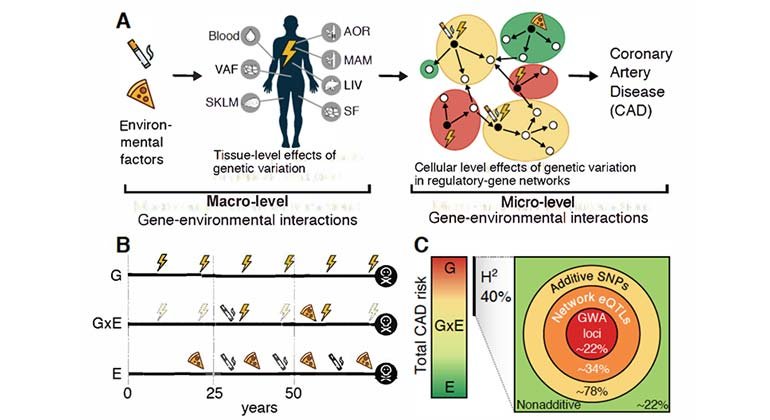
Genetic mutations play a significant role in the development of inherited heart conditions. These mutations can occur in specific genes responsible for regulating the structure and function of the heart. When a mutation occurs in one of these genes, it can disrupt normal heart development or lead to abnormalities in heart structure and function. These genetic mutations can be inherited from one or both parents, or they can occur spontaneously during fetal development. Identifying the specific genetic mutations associated with inherited heart conditions is crucial for understanding disease mechanisms and developing targeted treatment strategies.
Inheritance patterns
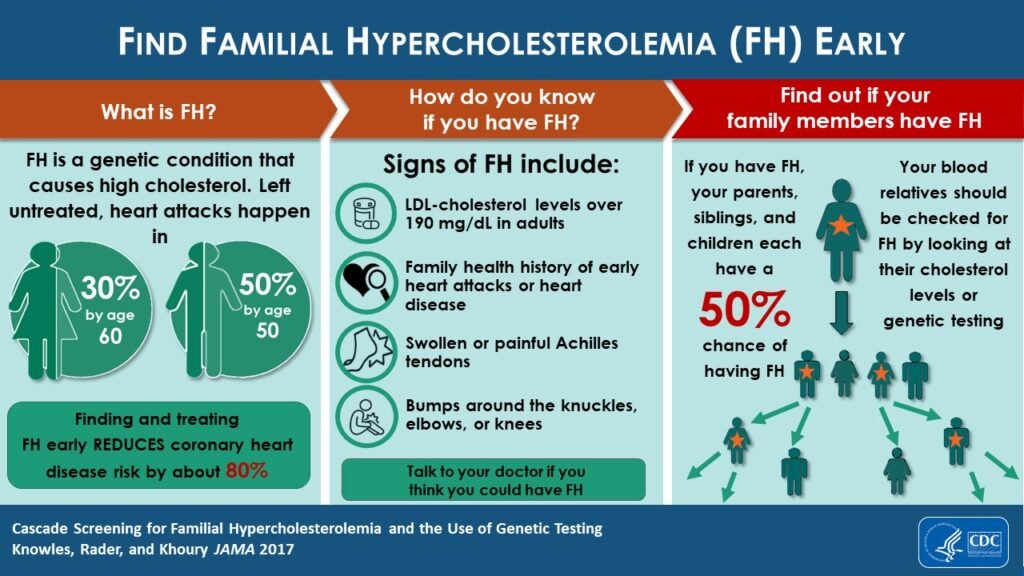
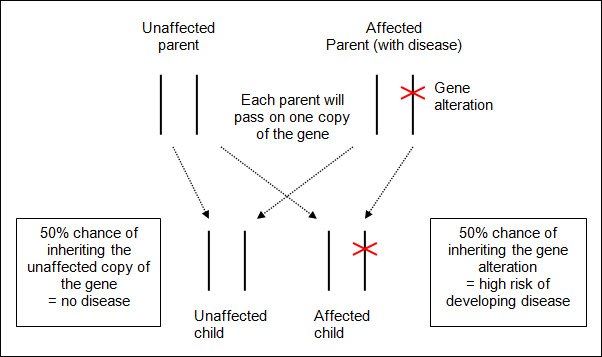
The inheritance patterns of inherited heart conditions can vary depending on the specific condition and the genes involved. In some cases, these conditions follow an autosomal dominant pattern, meaning that if one parent carries the mutated gene, there is a 50% chance of passing it on to each child. Other conditions may follow an autosomal recessive pattern, where both parents must carry the mutated gene for it to be passed on to the child. X-linked inheritance, which primarily affects males, is another pattern observed in certain inherited heart conditions. Understanding the inheritance patterns is essential for genetic counseling, risk assessment, and family planning.
Identification of genetic mutations
Advances in genetic testing technologies have revolutionized the identification of genetic mutations associated with inherited heart conditions. DNA sequencing techniques, such as next-generation sequencing, allow researchers and healthcare providers to analyze multiple genes simultaneously, expediting the diagnostic process. Genetic testing can identify mutations that can help confirm a diagnosis and guide treatment decisions. Additionally, genetic testing in family members of affected individuals can provide valuable information about the risk of developing the condition and inform preventive strategies.
Role of genetic counseling
Genetic counseling is an integral part of managing and preventing inherited heart conditions. Genetic counselors work closely with individuals and families to explain the genetic basis of the condition, assess the risk of inherited heart conditions, and discuss available testing options and treatment strategies. Genetic counselors also guide individuals and families through the decision-making process, providing emotional support, and addressing any concerns or questions they may have. By combining scientific knowledge with compassionate care, genetic counselors empower individuals and families to make informed decisions about their healthcare journey.
Specific Inherited Heart Conditions
Dilated cardiomyopathy
Dilated cardiomyopathy is characterized by an enlarged and weakened heart muscle, which affects the heart’s ability to pump blood efficiently. This condition can be caused by genetic mutations in genes involved in the structural integrity of the heart muscle, as well as by environmental factors such as viral infections or excessive alcohol consumption. Symptoms may include shortness of breath, fatigue, and swelling in the legs, ankles, and feet. Treatment options for dilated cardiomyopathy include medication, lifestyle changes, and, in severe cases, heart transplantation.
Hypertrophic cardiomyopathy
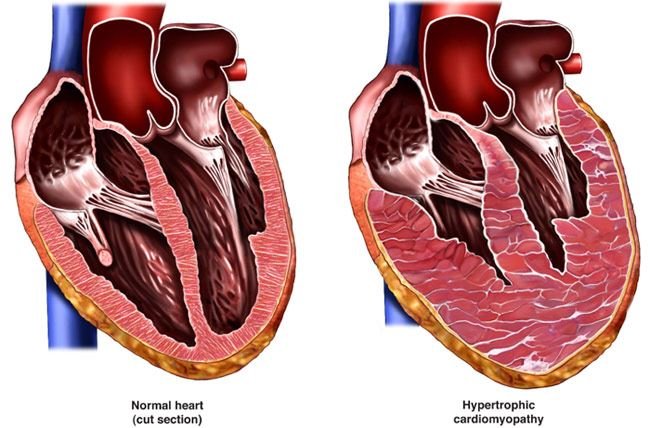
Hypertrophic cardiomyopathy is characterized by excessive thickening of the heart muscle, particularly in the wall separating the heart chambers. This thickening can disrupt the heart’s normal pumping function and lead to symptoms such as chest pain, shortness of breath, and dizziness. Genetic mutations in genes encoding proteins in the heart muscle cells are responsible for the majority of cases. Treatment for hypertrophic cardiomyopathy aims to relieve symptoms and prevent complications and may include medication, lifestyle modifications, and in some cases, surgical procedures.
Arrhythmogenic right ventricular dysplasia
Arrhythmogenic right ventricular dysplasia (ARVD) is a condition characterized by the progressive replacement of the heart’s muscle tissue with fatty or fibrous tissue, primarily affecting the right ventricle. This can lead to irregular heart rhythms and, in some cases, sudden cardiac arrest. Genetic mutations in genes encoding proteins involved in cell-to-cell adhesion are associated with ARVD. Symptoms may include palpitations, fainting, and shortness of breath. Treatment for ARVD typically involves medication to manage arrhythmias, implantable cardioverter-defibrillator (ICD) placement, and lifestyle modifications.
Long QT syndrome
Long QT syndrome (LQTS) is an inherited heart condition that affects the electrical system of the heart, leading to abnormal heart rhythms called arrhythmias. These arrhythmias can cause fainting spells, seizures, and potentially life-threatening cardiac events such as sudden cardiac arrest. Genetic mutations in genes encoding ion channels that regulate the flow of ions in cardiac cells are responsible for LQTS. Treatment options for LQTS include medication, lifestyle modifications, and in some cases, placement of an ICD or surgical procedures.
Marfan syndrome
Marfan syndrome is a genetic disorder that affects the connective tissues throughout the body, including the heart, blood vessels, joints, and eyes. In the context of heart health, Marfan syndrome can lead to aortic aneurysm, a condition where the aorta becomes weakened and prone to enlargement or rupture. Genetic mutations in the gene FBN1, responsible for producing the protein fibrillin-1, underlie most cases of Marfan syndrome. Management of Marfan syndrome involves regular monitoring of the heart, blood vessels, and other affected organs, medication when necessary, and potentially surgical interventions to prevent complications.
Genetic Testing for Inherited Heart Conditions
Purpose of genetic testing
Genetic testing for inherited heart conditions serves several purposes. It can confirm a diagnosis when a clinical suspicion of an inherited heart condition exists based on symptoms, family history, or other factors. Genetic testing can also identify the specific genetic mutation responsible for the condition, which can help guide treatment decisions, predict disease progression, and inform family members about their risk of developing the condition. Additionally, genetic testing can offer individuals and families peace of mind by excluding certain genetic mutations and providing a clearer understanding of their genetic health.
Methods of genetic testing
There are several methods of genetic testing employed in the identification of inherited heart conditions. Traditional Sanger sequencing, which involves the sequencing of individual DNA fragments, may be used to analyze specific genes suspected to be responsible for the condition. However, recent advancements in technology have made next-generation sequencing (NGS) more prevalent. NGS allows for the simultaneous analysis of multiple genes, providing a comprehensive assessment of an individual’s genetic profile. This technology has significantly reduced the time and cost associated with genetic testing, making it more accessible to patients and clinicians.
Benefits and limitations of genetic testing
Genetic testing offers numerous benefits in the realm of inherited heart conditions. It can facilitate accurate diagnosis, inform treatment decisions, enable prevention strategies, and assist in family planning. By identifying genetic mutations, genetic testing can also aid ongoing research efforts by helping scientists better understand the underlying mechanisms of these conditions. However, genetic testing also has its limitations. Not all inherited heart conditions have a known genetic cause, which means that testing may not always yield definitive results. Additionally, the interpretation of genetic test results can be complex, requiring the expertise of genetic counselors and healthcare providers to provide accurate and meaningful information to patients and their families.
Impact of Genetic Variants on Treatment
Personalized medicine approach
The discovery of genetic mutations associated with inherited heart conditions has paved the way for personalized medicine approaches. Personalized medicine, also known as precision medicine, involves tailoring treatment plans to an individual’s specific genetic profile. By identifying the genetic variant responsible for an inherited heart condition, healthcare providers can better understand the underlying mechanisms of the disease and develop targeted therapies. This approach aims to optimize treatment effectiveness, minimize adverse effects, and improve overall patient outcomes.
Effectiveness of targeted therapies
Targeted therapies are treatment approaches that aim to address the specific molecular mechanisms implicated in a disease. In the context of inherited heart conditions, targeted therapies can help manage symptoms, slow disease progression, and improve overall quality of life. For example, certain medications can regulate heart rhythm abnormalities or reduce the strain on the heart muscle in dilated cardiomyopathy. Surgical interventions, such as a myectomy or alcohol septal ablation, are targeted approaches used to alleviate symptoms and improve heart function in hypertrophic cardiomyopathy. The development of targeted therapies offers hope for more effective and tailored treatments for individuals with inherited heart conditions.
Risk assessment and prevention strategies
Genetic variants associated with inherited heart conditions can provide valuable information about an individual’s risk of developing the condition or transmitting it to their children. Knowing the specific genetic mutation can guide healthcare providers in assessing an individual’s risk and implementing appropriate prevention strategies. This can include regular monitoring of heart health, lifestyle modifications, and, in some cases, prophylactic treatments. For individuals planning to start a family, genetic testing can provide insights into the likelihood of passing on the condition and help them make informed decisions about reproductive options.
Genetic Research and Discoveries
Recent advancements in genetic research
Genetic research in the field of inherited heart conditions has witnessed significant advancements in recent years. Technological advancements, such as next-generation sequencing, have accelerated the pace of genetic discovery, allowing researchers to identify new genetic variants associated with these conditions more efficiently. Collaborative efforts, such as large-scale genetic studies and international research consortia, have also played a crucial role in uncovering novel insights into the genetic basis of inherited heart conditions. These advancements continue to expand our understanding of disease mechanisms, pathways, and potential therapeutic targets.
Identification of novel genetic markers
Through extensive genetic research, scientists continue to uncover novel genetic markers associated with inherited heart conditions. These markers can help identify individuals at risk of developing the condition and contribute to better diagnosis and treatment approaches. By studying the function of these genetic markers, researchers can gain insights into disease mechanisms and better understand the variability in clinical presentations observed among individuals with the same condition. The identification of novel genetic markers opens up new avenues for precision medicine and the development of targeted therapies.
Potential implications for future treatments
The rapid advancements in genetic research and understanding of inherited heart conditions hold promise for future treatments. By identifying specific genetic mutations and their associated biological processes, researchers can explore therapeutic interventions that directly address these abnormalities. Gene therapies, for example, aim to correct or replace faulty genes responsible for the condition, potentially offering a curative approach. Additionally, emerging technologies such as gene editing hold potential for precise modification of genes, opening up possibilities for preventing the development of inherited heart conditions altogether. While these treatments are still in early stages of development, they offer hope and excitement for the future of inherited heart condition management.
Ethical Considerations in Genetic Testing
Confidentiality and privacy
Genetic testing raises important ethical considerations, including the confidentiality and privacy of genetic information. As genetic testing becomes more widespread, it is critical to protect individuals’ genetic data and ensure its secure storage and handling. Confidentiality is especially important in the context of inherited heart conditions, as a positive test result could have implications for individuals and their family members. Policies and guidelines are in place to safeguard patient confidentiality and protect against potential misuse or discrimination based on genetic information.
Guilt and blame
Learning that a heart condition is inherited can evoke emotions of guilt and blame within individuals and families. It is important to emphasize that inherited heart conditions are not the result of individual choices or actions. Genetic mutations are often beyond an individual’s control and should not be viewed as a source of guilt or blame. Genetic counseling can play a pivotal role in addressing these emotions, providing reassurance and support to individuals and their families as they navigate the complexities of living with an inherited heart condition.
Access and affordability
Ensuring equitable access to genetic testing and related healthcare services is crucial. Genetic testing can be expensive, making it inaccessible for many individuals and families, particularly those without adequate insurance coverage. Efforts are underway to increase access, reduce costs, and make genetic testing more affordable and available to those who need it. These efforts include advocacy for insurance coverage, research funding, and collaborations between researchers, healthcare providers, and policymakers to develop strategies that address the economic barriers to genetic testing.
Psychosocial Impact of Inherited Heart Conditions
Emotional and psychological challenges
Being diagnosed with an inherited heart condition can have a significant psychosocial impact on individuals and their families. The emotional and psychological challenges associated with living with a potentially life-threatening condition can be overwhelming. Feelings of fear, anxiety, sadness, and frustration are common. Additionally, individuals may also grapple with concerns about their future, managing daily activities, and long-term impacts on their health and well-being. Support from healthcare providers, genetic counselors, and mental health professionals can help individuals and families navigate these emotional challenges and develop coping strategies.
Support and resources
A strong support system and access to appropriate resources are vital for individuals and families affected by inherited heart conditions. Numerous organizations and support groups exist to provide educational materials, peer support, and advocacy for individuals and families with these conditions. Access to genetic counseling services is also essential, as it enables individuals and families to gain a better understanding of their conditions, ask questions, and engage in shared decision-making. By connecting with others who have gone through similar experiences, individuals can find comfort, encouragement, and practical advice, enhancing their overall well-being.
Impact on family dynamics
Inherited heart conditions can have a profound impact on family dynamics. A diagnosis of an inherited heart condition can raise concerns about the risk of the condition being passed on to future generations and can affect family planning decisions. Open and honest communication within families is crucial in fostering understanding, support, and empathy. Genetic counseling can provide a safe space for families to discuss their concerns, explore available options, and make informed decisions together. By working as a united front, families can navigate the challenges posed by these conditions and develop strategies to support each other through the journey.
Patient Education and Empowerment
Understanding genetic risks
Patient education plays an essential role in helping individuals understand their genetic risks associated with inherited heart conditions. By providing comprehensive and accurate information about the genetic basis of these conditions, healthcare providers can empower individuals to make informed decisions about their healthcare. Understanding the underlying causes, inheritance patterns, and potential complications can help individuals take preventive measures, advocate for their health, and engage in proactive self-care practices.
Taking charge of one’s health
Empowering individuals with inherited heart conditions to take charge of their health is crucial for managing these conditions effectively. Encouraging regular monitoring, adherence to medication regimens, and lifestyle modifications can help individuals optimize their heart health. In collaboration with their healthcare providers, individuals can develop personalized care plans that address their specific needs, goals, and preferences. By actively participating in their healthcare journey, individuals can better manage their conditions and improve their overall quality of life.
Engaging in self-care practices
Self-care practices are an essential component of managing inherited heart conditions. Individuals can take proactive steps to improve their heart health by adopting a heart-healthy lifestyle, including a balanced diet, regular exercise, adequate sleep, and stress management techniques. Additionally, individuals should be attentive to their symptoms, report any changes to their healthcare providers, and follow recommended monitoring and screening guidelines. By incorporating self-care practices into their daily routines, individuals can promote better heart health and potentially reduce the risk of complications associated with inherited heart conditions.
Future Directions in Genetic Research
Advancements in gene therapies
Gene therapies hold great promise for the future of inherited heart condition management. These therapies involve the targeted delivery of genetic material to correct or replace faulty genes responsible for the condition. By addressing the underlying cause at the genetic level, gene therapies have the potential for long-lasting and curative effects. Ongoing research in this field aims to refine the techniques, improve delivery methods, and ensure the safety and efficacy of gene therapies for inherited heart conditions. While challenges remain, gene therapies offer exciting opportunities for personalized and transformative treatments.
Potential for gene editing technologies
Gene editing technologies, such as CRISPR-Cas9, have garnered significant attention for their potential to modify genes to treat or prevent inherited heart conditions. Gene editing allows for precise and targeted modifications to the DNA sequence, enabling the correction of genetic mutations responsible for these conditions. While gene editing technologies are still in the early stages of development and face numerous regulatory and ethical considerations, they offer a glimpse into a future where inherited heart conditions can be prevented or cured at the genetic level.
Integration of genetics into mainstream healthcare
As genetic research continues to progress, the integration of genetics into mainstream healthcare is becoming increasingly important. Incorporating genetic information into routine medical care can enhance the accuracy of diagnoses, guide personalized treatment decisions, and optimize prevention strategies. Healthcare providers must receive adequate training and education in the field of genetics to effectively interpret genetic information and communicate it to patients. As genetics becomes a more prominent part of healthcare, interdisciplinary collaboration between geneticists, cardiologists, genetic counselors, and other healthcare professionals will be crucial for delivering comprehensive and patient-centered care.
In conclusion, inherited heart conditions are a diverse group of cardiovascular diseases with a genetic basis. Genetic mutations play a key role in the development of these conditions, which can be inherited through different patterns. Genetic testing has revolutionized the diagnosis and management of inherited heart conditions, allowing for personalized medicine approaches and the development of targeted therapies. Advances in genetic research continue to uncover novel insights and potential treatments, offering hope for improved patient outcomes. However, ethical considerations, psychosocial impacts, and patient education remain crucial aspects of managing inherited heart conditions. By empowering individuals and families with knowledge, support, and resources, they can actively engage in their healthcare, make informed decisions, and enhance their overall well-being. With ongoing advancements in genetic research and the integration of genetics into mainstream healthcare, the future holds tremendous potential for the prevention and improved management of inherited heart conditions.