
You are about to embark on a journey of understanding Hyperlipidemia, a condition that affects millions of individuals worldwide. In this article, we will explore the causes, symptoms, and treatment options of Hyperlipidemia, providing you with valuable information to help you gain a comprehensive understanding of this condition. By the end of this read, you will be equipped with the knowledge to navigate the world of Hyperlipidemia with confidence and be aware of the various ways it can be managed effectively. So let’s dive in and unravel the mysteries of Hyperlipidemia together!

What is Hyperlipidemia?
Hyperlipidemia is a medical condition characterized by high levels of lipids (fats) in the blood. It occurs when there is an imbalance in the levels of cholesterol and triglycerides. Cholesterol is essential for various body functions, but excess levels can lead to health problems. There are different types of hyperlipidemia, each with its own unique causes and characteristics.
Definition
Hyperlipidemia, also known as dyslipidemia, is a condition characterized by abnormal levels of lipids in the blood. It is classified based on the types and levels of lipids involved. The two main types of hyperlipidemia are:
- Hypercholesterolemia: This type is characterized by high levels of cholesterol in the blood.
- Hypertriglyceridemia: This type is characterized by high levels of triglycerides in the blood.
Types
There are different types of hyperlipidemia, including:
- Familial hypercholesterolemia: This is an inherited condition caused by genetic mutations that affect the body’s ability to remove low-density lipoprotein (LDL) cholesterol from the blood.
- Hyperlipoproteinemia: This type is characterized by elevated levels of lipoproteins, which are responsible for transporting lipids in the bloodstream.
- Mixed hyperlipidemia: This type is characterized by high levels of both LDL cholesterol and triglycerides.
- Primary hypertriglyceridemia: This type is caused by genetic factors that lead to elevated triglyceride levels.
- Secondary hyperlipidemia: This type is caused by underlying medical conditions, such as diabetes, hypothyroidism, and kidney disease, or certain medications.
Causes of Hyperlipidemia
Hyperlipidemia can be caused by a combination of genetic factors, lifestyle choices, and underlying medical conditions.
Genetic Factors
Genetic factors can play a significant role in the development of hyperlipidemia. Inherited conditions, such as familial hypercholesterolemia, can lead to abnormal lipid metabolism and high cholesterol levels.
Lifestyle Factors
Unhealthy lifestyle choices, such as poor diet and lack of physical activity, can contribute to the development of hyperlipidemia. Consuming a diet high in saturated fats, trans fats, and cholesterol can increase your risk of developing high cholesterol levels. Additionally, a sedentary lifestyle can lead to weight gain and increased triglyceride levels.
Medical Conditions
Certain medical conditions can cause or contribute to the development of hyperlipidemia. These include diabetes, hypothyroidism, kidney disease, liver disease, and certain genetic disorders. Additionally, some medications, such as corticosteroids and diuretics, can affect lipid metabolism and lead to elevated lipid levels.

Risk Factors
Several risk factors can increase your likelihood of developing hyperlipidemia. These include:
Family History
Having a family history of hyperlipidemia or cardiovascular disease can significantly increase your risk of developing the condition. Genetic factors play a significant role in determining your lipid levels.
Obesity
Being overweight or obese is a major risk factor for hyperlipidemia. Excess body weight, especially around the waist, can contribute to high cholesterol and triglyceride levels.
Unhealthy Diet
Consuming a diet high in saturated fats, trans fats, and cholesterol can raise your LDL cholesterol levels. Foods like red meat, full-fat dairy products, fried foods, and processed snacks are commonly associated with high lipid levels.
Physical Inactivity
Leading a sedentary lifestyle can contribute to weight gain and elevated lipid levels. Regular physical activity can help lower LDL cholesterol and triglycerides.
Smoking
Smoking cigarettes damages blood vessels and promotes the accumulation of LDL cholesterol in the arteries. It also reduces the levels of high-density lipoprotein (HDL) cholesterol, which is considered “good” cholesterol.
Age
As you age, your risk of developing hyperlipidemia increases. Blood lipid levels tend to rise with age, especially if other risk factors are present.
Gender
Men are generally at a higher risk of developing hyperlipidemia compared to premenopausal women. However, after menopause, women’s risk increases, equalizing with men.
Symptoms and Complications
Hyperlipidemia often does not cause any visible symptoms until it leads to complications. Some of the common symptoms and complications associated with hyperlipidemia include:
No Visible Symptoms
In many cases, individuals with hyperlipidemia do not experience any noticeable symptoms. This makes routine screening and regular check-ups essential for early detection.
Xanthomas and Xanthelasmas
High lipid levels can cause fatty deposits to accumulate on the skin, resulting in the formation of yellowish or orange bumps or patches called xanthomas and xanthelasmas. These deposits can appear on the elbows, knees, buttocks, and eyelids.
Chest Pain
In severe cases of hyperlipidemia, the build-up of plaque in the arteries can lead to reduced blood flow to the heart. This can result in chest pain or angina.
Peripheral Arterial Disease
The accumulation of plaque in the arteries can also affect blood flow to the limbs, resulting in peripheral arterial disease. Symptoms may include leg pain, numbness, and coldness.
Pancreatitis
In rare cases, hyperlipidemia can lead to pancreatitis, an inflammation of the pancreas. Symptoms may include severe abdominal pain, nausea, vomiting, and fever.
Heart Attack
Hyperlipidemia is a major risk factor for cardiovascular disease, including heart attacks. When the arteries supplying the heart become narrowed or blocked, it can lead to a heart attack.
Stroke
The build-up of plaque in the blood vessels can also cause a stroke when blood flow to the brain is disrupted. Symptoms may include sudden weakness, numbness, confusion, and difficulty speaking or understanding speech.

Diagnosing Hyperlipidemia
Diagnosing hyperlipidemia typically involves a combination of medical history evaluation, physical examination, and laboratory tests.
Medical History and Physical Examination
Your healthcare provider will review your medical history and ask about any symptoms or risk factors you may have. They will also perform a physical examination to assess your overall health and look for physical signs of hyperlipidemia, such as xanthomas.
Lipid Profile Test
A lipid profile test, also known as a lipid panel, is the primary test used to diagnose hyperlipidemia. This blood test measures your levels of total cholesterol, LDL cholesterol, HDL cholesterol, and triglycerides. It provides a comprehensive picture of your lipid profile and helps determine the appropriate treatment approach.
Other Diagnostic Tests
In some cases, additional diagnostic tests may be ordered to assess your cardiovascular health. These may include an electrocardiogram (ECG) to evaluate the electrical activity of your heart, an echocardiogram to assess your heart’s structure and function, or a stress test to evaluate your heart’s response to physical exertion.
Prevention and Lifestyle Modifications
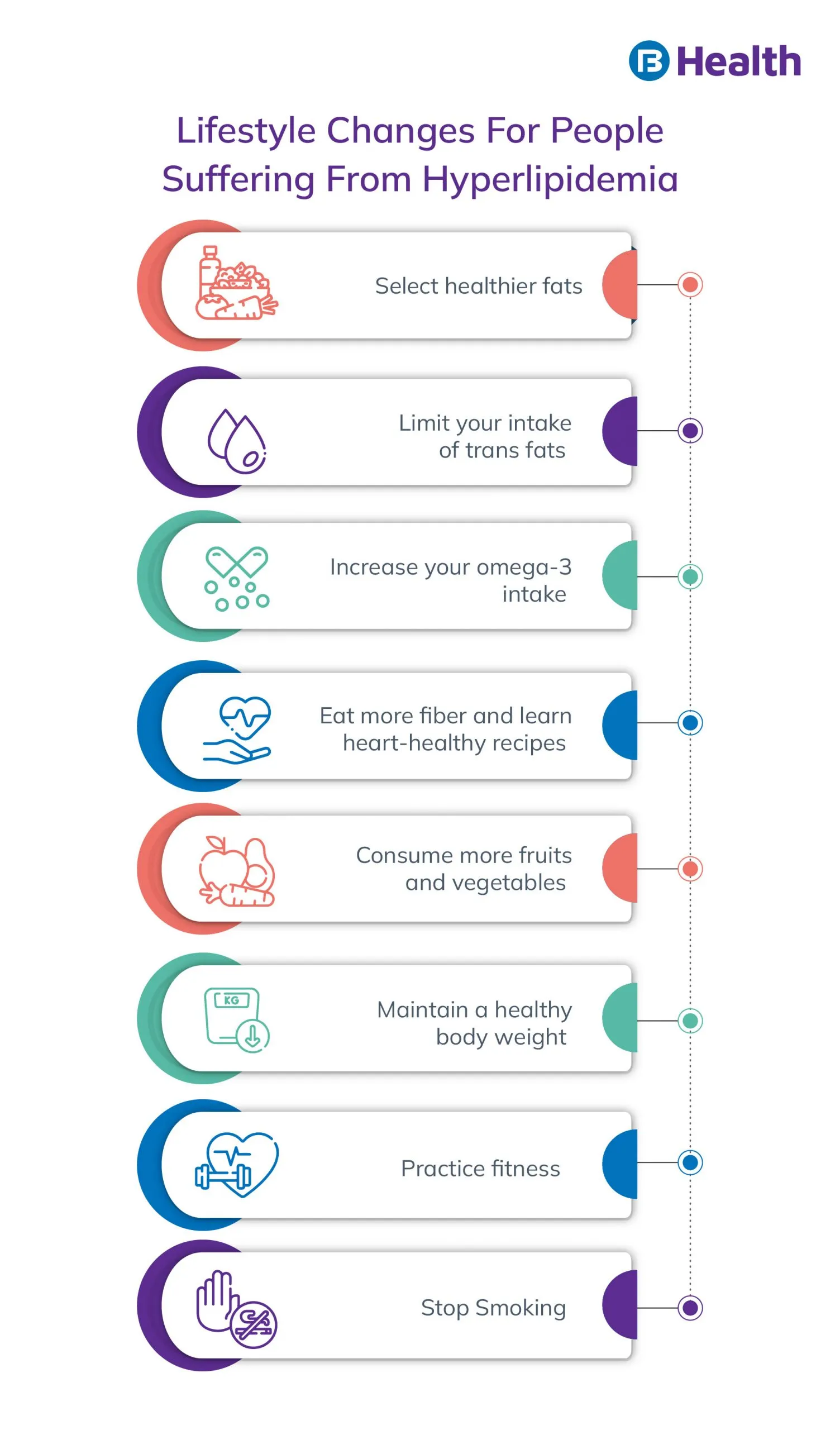
Making certain lifestyle modifications can help prevent or manage hyperlipidemia. These include:
Healthy Diet
Following a heart-healthy diet low in saturated fats, trans fats, and cholesterol is crucial in managing hyperlipidemia. Emphasize fruits, vegetables, whole grains, lean proteins, and healthy fats like those found in nuts and olive oil.
Regular Exercise
Engaging in regular physical activity can help lower LDL cholesterol levels and improve overall cardiovascular health. Aim for at least 150 minutes of moderate-intensity exercise or 75 minutes of vigorous exercise per week.
Weight Management
Maintaining a healthy weight is important in managing hyperlipidemia. Losing excess weight can help lower LDL cholesterol and triglyceride levels.
Smoking Cessation
If you smoke, quitting is one of the most important steps you can take to improve your lipid profile and overall health. Consult with your healthcare provider for assistance and support programs.
Moderate Alcohol Consumption
If you consume alcohol, do so in moderation. Limit your intake to one drink per day for women and up to two drinks per day for men. Excessive alcohol consumption can raise your triglyceride levels.
Medication Options for Hyperlipidemia
In some cases, lifestyle modifications may not be sufficient to manage hyperlipidemia, and medication may be prescribed. Several drugs are commonly used to treat hyperlipidemia, including:
Statins
Statins are the most commonly prescribed medications for hyperlipidemia. They work by reducing the liver’s production of cholesterol and helping the body reabsorb cholesterol from plaque.
Ezetimibe
Ezetimibe works by inhibiting the absorption of cholesterol in the intestines, leading to lower LDL cholesterol levels. It is often used in combination with statins.
Fibrates
Fibrates primarily target high triglyceride levels and can also increase HDL cholesterol levels. They work by reducing the liver’s production of triglycerides and increasing the breakdown of triglycerides in the blood.
Niacin
Niacin, or vitamin B3, can help increase HDL cholesterol levels and lower LDL cholesterol and triglyceride levels. It is usually used in combination with other medications and under close medical supervision.
Bile Acid Binding Resins
These medications work by binding to bile acids in the intestines, preventing their reabsorption. This leads to increased cholesterol elimination from the body.
PCSK9 Inhibitors
PCSK9 inhibitors are newer medications that help lower LDL cholesterol levels by blocking a protein involved in the liver’s ability to remove LDL cholesterol from the blood.
Possible Complications of Medication
While medications can be highly effective in managing hyperlipidemia, they can also have potential side effects. Some of the possible complications associated with medication use include:
Muscle Pain and Weakness
Some individuals may experience muscle pain and weakness as a side effect of certain cholesterol-lowering medications, particularly statins.
Liver Damage
Occasionally, cholesterol-lowering medications can cause liver damage. Liver function tests are often performed before starting medication and periodically thereafter to monitor for any abnormalities.
Digestive Issues
Certain medications, such as bile acid binding resins, can cause digestive issues like bloating, constipation, or diarrhea.
It is important to discuss any concerns or potential side effects with your healthcare provider before starting any medication.

Management and Treatment
The management and treatment of hyperlipidemia often involve a combination of lifestyle modifications, medication, and ongoing medical supervision.
Medical Supervision
Working closely with your healthcare provider is crucial in managing hyperlipidemia. They will monitor your condition, make adjustments to your medication regimen if necessary, and provide guidance on lifestyle modifications.
Regular Monitoring
Regular follow-up appointments and blood tests are essential to monitor your lipid levels and overall cardiovascular health. This allows for timely adjustments to treatment plans to ensure optimal control of hyperlipidemia.
Target LDL Cholesterol Levels
The primary goal of treatment is to lower LDL cholesterol levels to reduce the risk of cardiovascular disease. The exact target levels will vary depending on your individual risk factors and overall health.
Combined Approach
A combined approach of lifestyle modifications and medication is often the most effective strategy in managing hyperlipidemia. It is important to adhere to prescribed medications, follow a heart-healthy diet, engage in regular physical activity, and make appropriate lifestyle changes.
Conclusion
Hyperlipidemia is a common condition characterized by high levels of lipids in the blood. It can result from a combination of genetic factors, lifestyle choices, and underlying medical conditions. While many individuals with hyperlipidemia do not experience any visible symptoms, it can lead to serious complications such as heart disease and stroke. Diagnosing hyperlipidemia involves medical history evaluation, physical examination, and lipid profile testing. Treatment options include lifestyle modifications and medication, with close medical supervision and regular monitoring. By making positive lifestyle changes and effectively managing hyperlipidemia, individuals can reduce their risk of cardiovascular disease and improve overall health.