
So you’ve probably heard of autoimmune diseases and you may even be familiar with leaky gut syndrome, but did you know there’s a strong link between the two? Leaky gut syndrome, also known as intestinal permeability, is a condition where the lining of the intestines becomes more porous, allowing harmful substances like bacteria and toxins to leak into the bloodstream. This can trigger an immune response, potentially leading to autoimmune diseases, where the immune system mistakenly attacks healthy tissues in the body. In this article, we’ll explore the fascinating connection between leaky gut syndrome and autoimmune diseases, and shed light on how these conditions are intertwined.
Leaky Gut Syndrome and Autoimmune Diseases
Introduction to Leaky Gut Syndrome
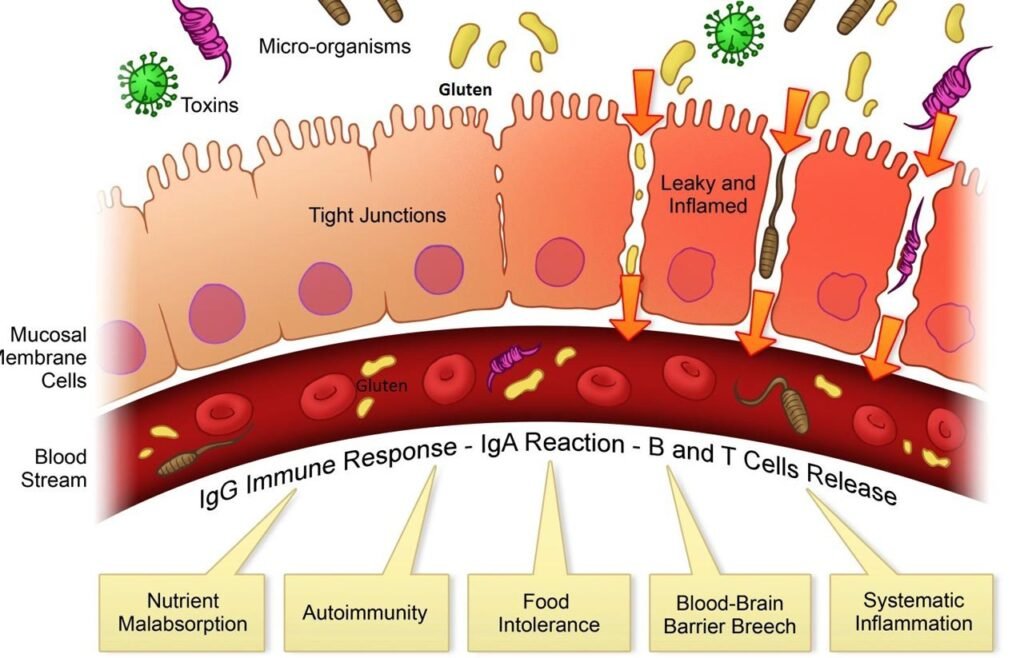
Leaky Gut Syndrome, also known as increased intestinal permeability, is a condition characterized by a compromised gut lining. This condition allows harmful substances such as toxins, microbes, and undigested food particles to leak through the intestinal barrier and enter the bloodstream. When these substances enter the bloodstream, they can trigger an immune response, leading to inflammation and potentially contributing to the development of autoimmune diseases.
Understanding Autoimmune Diseases
Autoimmune diseases occur when the immune system mistakenly attacks healthy cells and tissues in the body. These diseases can affect various parts of the body, such as the joints, skin, thyroid, or digestive system. Common autoimmune diseases include rheumatoid arthritis, celiac disease, inflammatory bowel disease, multiple sclerosis, Hashimoto’s thyroiditis, and psoriasis.
The Connection Between Autoimmune Diseases and Leaky Gut Syndrome
Emerging research suggests that there is a strong link between leaky gut syndrome and autoimmune diseases. While the exact cause of autoimmune diseases is still unknown, scientists believe that a combination of genetic predisposition and environmental factors, including leaky gut syndrome, play a significant role in their development. When the intestinal lining becomes damaged and permeable, it allows foreign substances to pass through, triggering an immune response and potentially leading to the development of autoimmune diseases.
What is Leaky Gut Syndrome?
Definition of Leaky Gut Syndrome
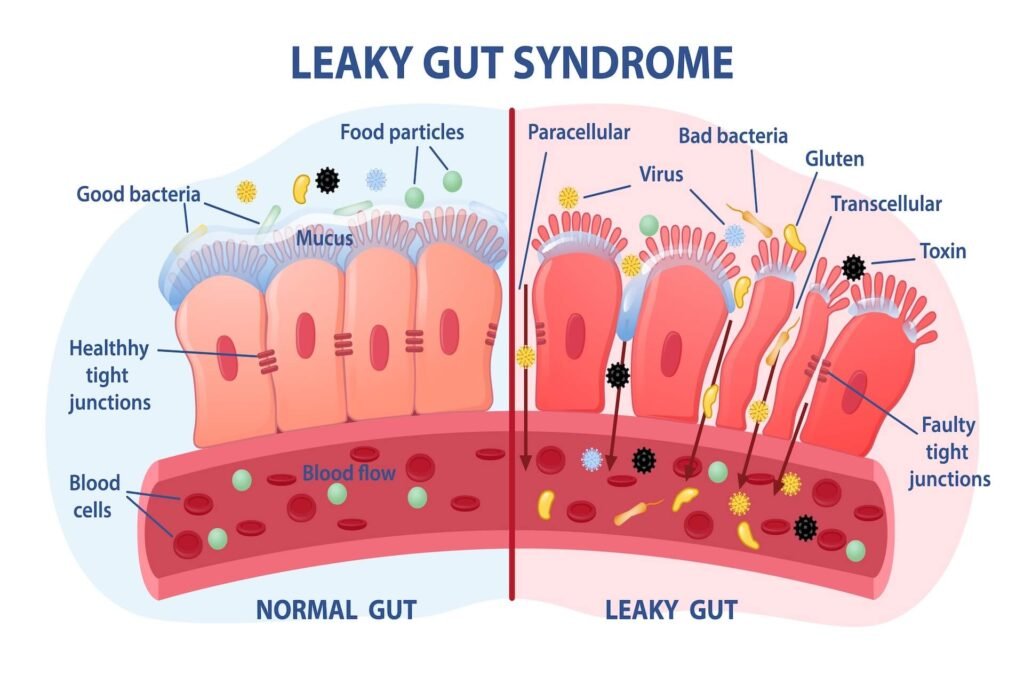
Leaky Gut Syndrome refers to a condition in which the intestinal lining becomes more permeable than usual, allowing unwanted particles to pass through the barrier and enter the bloodstream. The intestinal lining is typically made up of tightly packed cells that act as a barrier, controlling what substances can pass through into the bloodstream. In cases of leaky gut syndrome, this barrier becomes compromised, leading to increased permeability.
Causes of Leaky Gut Syndrome
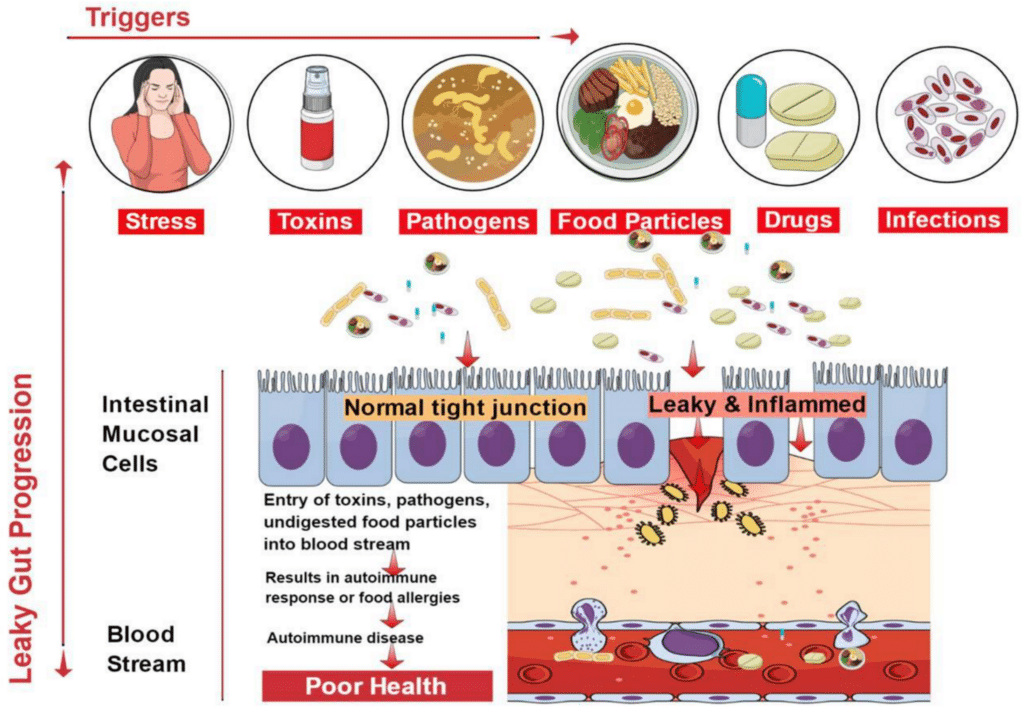
Leaky gut syndrome can have several potential causes. Chronic inflammation, often resulting from a poor diet high in processed foods, sugar, and unhealthy fats, can damage the intestinal lining and contribute to its increased permeability. Other potential causes include chronic stress, imbalances in gut bacteria (dysbiosis), infections, and certain medications like nonsteroidal anti-inflammatory drugs (NSAIDs). In some cases, leaky gut syndrome may also be caused by diseases such as celiac disease or Crohn’s disease.
Symptoms of Leaky Gut Syndrome
Identifying leaky gut syndrome can be challenging, as the symptoms can vary widely and mimic those of other conditions. Some common symptoms associated with leaky gut syndrome include bloating, gas, diarrhea, constipation, food sensitivities, fatigue, joint pain, skin rashes, and brain fog. However, it is important to note that experiencing these symptoms does not necessarily mean that an individual has leaky gut syndrome, as they can also be indicative of other digestive or autoimmune disorders.
What are Autoimmune Diseases?
Definition of Autoimmune Diseases
Autoimmune diseases are a group of conditions in which the immune system mistakenly attacks healthy cells and tissues in the body. Instead of protecting the body from foreign invaders, the immune system produces antibodies that attack and destroy healthy cells, leading to inflammation and damage to various organs and tissues. Autoimmune diseases can affect different parts of the body, including the joints, skin, thyroid, digestive system, and nervous system.
Common Types of Autoimmune Diseases
There are more than 80 different types of autoimmune diseases, each with its unique characteristics and targeted organs. Some common autoimmune diseases include rheumatoid arthritis, which primarily affects the joints; celiac disease, an autoimmune condition triggered by gluten consumption; inflammatory bowel disease, which includes conditions like Crohn’s disease and ulcerative colitis; multiple sclerosis, a neurological autoimmune disease; Hashimoto’s thyroiditis, which affects the thyroid gland; and psoriasis, a chronic skin condition.
Causes of Autoimmune Diseases
The exact causes of autoimmune diseases are still not fully understood. However, a combination of genetic predisposition and environmental factors is believed to contribute to their development. Genetic factors can make certain individuals more susceptible to autoimmune diseases, while environmental factors like infections, toxins, and lifestyle choices can trigger the onset of these diseases in genetically susceptible individuals. Leaky gut syndrome is one of the potential environmental factors that researchers believe can contribute to the development of autoimmune diseases.
Understanding the Gut Barrier
The Role of the Intestinal Lining
The intestinal lining, also known as the gut barrier, plays a crucial role in our overall health and well-being. It serves as a protective barrier, selectively allowing nutrients to be absorbed into the bloodstream while preventing harmful substances from entering. The intestinal lining is made up of a single layer of specialized cells held together by tight junctions, which control the permeability of the barrier.
Importance of a Healthy Gut Barrier
Maintaining a healthy gut barrier is essential for optimal digestion, nutrient absorption, and overall immune system function. A healthy gut barrier prevents potentially harmful substances like toxins, bacteria, and undigested food particles from entering the bloodstream and triggering an immune response. It also helps maintain a balanced gut microbiome, which is crucial for various aspects of health, including digestion, immunity, and mental well-being.
Functions of the Gut Barrier
The gut barrier performs several important functions. It acts as a physical barrier, preventing the entry of large molecules, bacteria, and toxins into the bloodstream. It also regulates the transport of nutrients, allowing beneficial substances to be absorbed while excluding harmful ones. Additionally, the gut barrier houses a significant portion of the body’s immune system, playing a crucial role in distinguishing between harmless and harmful substances and mounting appropriate immune responses.
How Leaky Gut Syndrome Develops
Factors that Contribute to Leaky Gut Syndrome
Leaky gut syndrome can develop due to a combination of several factors. Poor diet, high in inflammatory foods like processed foods, refined sugars, unhealthy fats, and artificial additives, can contribute to chronic inflammation in the gut and damage the intestinal lining. Chronic stress has also been linked to increased intestinal permeability. Certain medications, such as NSAIDs, can irritate the gut lining and contribute to its dysfunction. Infections, imbalances in gut bacteria (dysbiosis), and diseases like celiac disease or Crohn’s disease can also lead to leaky gut syndrome.
Impact of Diet on Gut Health
Diet plays a critical role in maintaining a healthy gut barrier. A diet high in processed foods, refined sugars, unhealthy fats, and artificial additives can promote inflammation and damage the gut lining, contributing to leaky gut syndrome. On the other hand, a diet rich in whole foods, including fruits, vegetables, lean proteins, and healthy fats, provides the necessary nutrients to support a healthy gut barrier. Including probiotic-rich foods like yogurt and fermented vegetables can also help promote a healthy balance of gut bacteria.
Gut Dysbiosis and Microbiome Imbalance
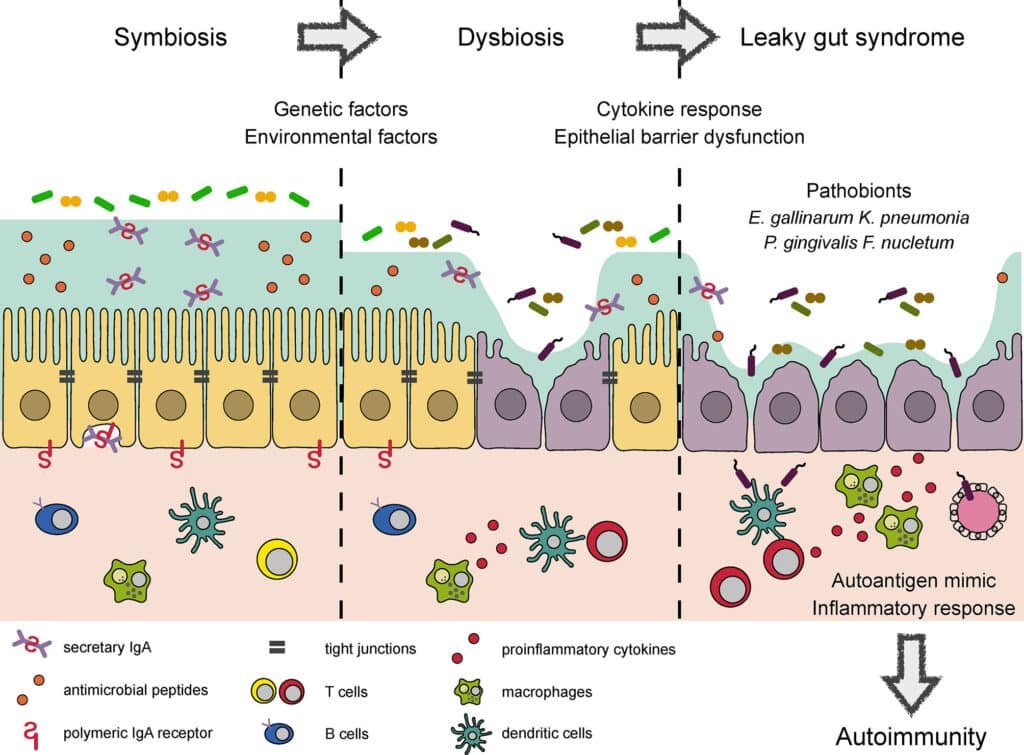
Gut dysbiosis refers to an imbalance in the gut microbiome, the collection of microorganisms living in the digestive tract. An imbalance in gut bacteria can disrupt the delicate ecosystem of the gut and contribute to the development of leaky gut syndrome. Certain factors, such as a poor diet, stress, lack of physical activity, and overuse of antibiotics, can disrupt the balance of gut bacteria. Restoring a healthy balance of gut bacteria through probiotics, prebiotics, and dietary changes can help support a healthy gut barrier and reduce the risk of leaky gut syndrome.
Immune System and Autoimmune Diseases
Overview of the Immune System
The immune system is a complex network of cells, tissues, and organs that work together to defend the body against harmful foreign invaders, such as bacteria, viruses, and parasites. It is comprised of various components, including white blood cells, antibodies, and lymphatic vessels. The immune system is designed to recognize and destroy pathogens while distinguishing them from healthy cells and tissues.
Autoimmunity and Immune Response
Autoimmunity occurs when the immune system mistakenly targets and attacks healthy cells and tissues in the body. Instead of recognizing them as self, the immune system generates an immune response, leading to inflammation and tissue damage. Autoimmune diseases can affect various organs and tissues throughout the body, depending on the specific condition.
Autoimmune Triggers
The development of autoimmune diseases is complex and multifactorial. While the exact triggers vary among different individuals and autoimmune diseases, several common factors can contribute to their onset. These triggers include genetic predisposition, hormonal imbalances, infections, environmental factors such as toxins and pollutants, and chronic inflammation. Leaky gut syndrome is emerging as one of the potential triggers for autoimmune diseases.
Leaky Gut Syndrome as an Autoimmune Trigger
Inflammation and Increased Gut Permeability
Chronic inflammation in the gut can lead to increased intestinal permeability, or leaky gut syndrome. Inflammatory mediators can disrupt the tight junctions between intestinal cells, causing them to become more permeable than usual. This increased permeability allows harmful substances like toxins and undigested food particles to pass through the intestinal lining and enter the bloodstream. Once in the bloodstream, these substances can trigger an immune response, and in susceptible individuals, potentially contribute to the development of autoimmune diseases.
Leaky Gut Syndrome and Immune System Dysfunction
Leaky gut syndrome can also lead to immune system dysfunction, further contributing to the development of autoimmune diseases. When harmful substances enter the bloodstream due to an impaired gut barrier, the immune system may react by producing antibodies and initiating an immune response. In individuals with genetic predispositions to autoimmune diseases, this immune response may mistakenly target healthy cells and tissues, leading to chronic inflammation and tissue damage.
Role of Zonulin in Gut Barrier Regulation
Zonulin is a protein that regulates the permeability of the intestinal barrier. Research has shown that increased levels of zonulin are associated with conditions like celiac disease, inflammatory bowel disease, and type 1 diabetes, which are all autoimmune diseases. Elevated zonulin levels can disrupt the tight junctions between intestinal cells, leading to increased intestinal permeability. This disruption can contribute to the development of leaky gut syndrome and potentially trigger autoimmune diseases in genetically susceptible individuals.
Scientific Evidence on the Link
Leaky Gut Syndrome and Autoimmune Disease Studies
Several studies have explored the potential link between leaky gut syndrome and autoimmune diseases. A study published in the journal Current Opinion in Rheumatology found that increased intestinal permeability was present in patients with autoimmune diseases such as rheumatoid arthritis, systemic lupus erythematosus, and ankylosing spondylitis. Another study published in the journal Frontiers in Immunology demonstrated that patients with celiac disease, an autoimmune condition triggered by gluten consumption, had increased intestinal permeability compared to healthy individuals.
Correlation between Increased Intestinal Permeability and Autoimmune Diseases
Research has also revealed a correlation between increased intestinal permeability and various autoimmune diseases. Studies have shown that individuals with autoimmune diseases such as type 1 diabetes, inflammatory bowel disease, and systemic lupus erythematosus have higher levels of zonulin, indicating increased intestinal permeability. These findings suggest that leaky gut syndrome may play a role in the development or progression of autoimmune diseases.
Role of Gut Microbiota in Autoimmunity
Emerging evidence suggests that the gut microbiota, the collection of microorganisms living in the digestive tract, may play a crucial role in the development and regulation of the immune system. Disruptions in the gut microbiota composition, known as dysbiosis, have been associated with various autoimmune diseases. Research has shown that certain gut bacteria can influence the production and function of immune cells, potentially contributing to the development of autoimmune diseases. Maintaining a healthy balance of gut bacteria is essential for overall gut health and immune system function.
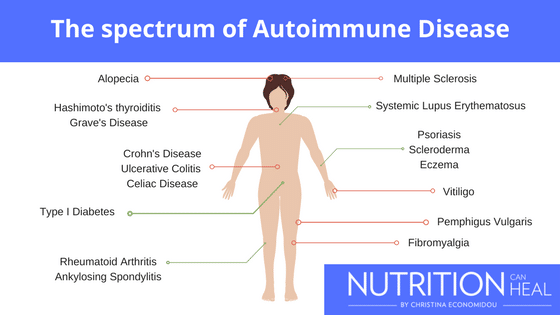
Common Autoimmune Diseases Associated with Leaky Gut Syndrome
Rheumatoid Arthritis
Rheumatoid arthritis is an autoimmune disease characterized by chronic inflammation in the joints. While the exact cause of rheumatoid arthritis is unknown, research suggests that leaky gut syndrome may play a role in its development. Increased intestinal permeability can allow gut bacteria and other foreign substances to enter the bloodstream, triggering an immune response that can contribute to joint inflammation and damage.
Celiac Disease
Celiac disease is an autoimmune condition triggered by the consumption of gluten, a protein found in wheat, barley, and rye. People with celiac disease have a hypersensitivity to gluten, leading to damage to the small intestine. Research has shown that individuals with celiac disease often have increased intestinal permeability, suggesting a connection between leaky gut syndrome and the development of this autoimmune disease.
Inflammatory Bowel Disease
Inflammatory bowel disease (IBD) encompasses several conditions, including Crohn’s disease and ulcerative colitis. These diseases involve chronic inflammation in the digestive tract. Studies have found that increased intestinal permeability is present in individuals with IBD, indicating a potential role for leaky gut syndrome in the development and progression of these autoimmune diseases.
Multiple Sclerosis
Multiple sclerosis (MS) is a neurological autoimmune disease characterized by the destruction of the protective covering of nerve fibers in the central nervous system. While the exact cause of MS is not fully understood, emerging research suggests that leaky gut syndrome may contribute to its development. Studies have found increased intestinal permeability in individuals with MS, indicating a potential link between gut health and the progression of this autoimmune disease.
Hashimoto’s Thyroiditis
Hashimoto’s thyroiditis is an autoimmune disease affecting the thyroid gland, leading to an underactive thyroid. Research has shown a correlation between leaky gut syndrome and Hashimoto’s thyroiditis. Individuals with Hashimoto’s thyroiditis often have increased intestinal permeability, suggesting a potential connection between gut health and the development of this autoimmune disease.
Psoriasis
Psoriasis is a chronic skin condition characterized by the development of thick, red, and scaly patches on the skin. While the exact cause of psoriasis is unknown, research suggests that leaky gut syndrome may play a role in its development. Studies have found that individuals with psoriasis often have increased intestinal permeability, indicating a potential link between gut health and the progression of this autoimmune disease.
Prevention and Maintenance for a Healthy Gut
Balanced Diet and Nutrition
Maintaining a balanced diet rich in whole foods is essential for supporting a healthy gut. Include a variety of fruits, vegetables, lean proteins, whole grains, and healthy fats in your diet to ensure you are getting the necessary nutrients to support gut health. Additionally, incorporating probiotic-rich foods like yogurt, kefir, sauerkraut, and kimchi can help promote a healthy gut microbiome and maintain a strong gut barrier.
Avoiding Toxins and Irritants
Minimize exposure to toxins and irritants that can disrupt the gut barrier and contribute to leaky gut syndrome. Limit the intake of processed foods, refined sugars, unhealthy fats, and artificial additives, as these can promote inflammation and damage to the intestinal lining. Reduce exposure to environmental toxins like pesticides, pollutants, and chemicals by choosing organic produce, filtering drinking water, and using natural household cleaning products.
Regular Exercise and Physical Activity
Engaging in regular exercise and physical activity can benefit gut health by promoting overall digestion and reducing stress. Exercise helps stimulate the muscles in the digestive tract, aiding in the movement of food through the system. It also helps reduce stress, which can contribute to gut inflammation and dysfunction. Aim for at least 30 minutes of moderate-intensity exercise most days of the week.
Stress Reduction Techniques
Chronic stress can negatively impact gut health and contribute to the development of leaky gut syndrome. Incorporate stress reduction techniques into your daily routine, such as meditation, deep breathing exercises, yoga, or engaging in hobbies that bring you joy. Prioritizing self-care and finding healthy ways to manage stress can support a healthy gut barrier and overall well-being.
In conclusion, there is a growing body of evidence suggesting a link between leaky gut syndrome and autoimmune diseases. Leaky gut syndrome can compromise the integrity of the intestinal barrier and contribute to increased intestinal permeability, allowing harmful substances to enter the bloodstream and triggering immune responses that may lead to the development of autoimmune diseases. Maintaining a healthy gut barrier through proper nutrition, avoiding toxins and irritants, regular exercise, and stress reduction techniques may help prevent and manage leaky gut syndrome, reducing the risk of autoimmune diseases. As further research continues to uncover the complexities of this relationship, it is important to prioritize gut health as a vital aspect of overall well-being.