
In order to protect yourself and your loved ones from the potentially harmful effects of Leptospirosis, it is crucial to be proactive and implement key measures and practices. By understanding the causes and transmission of this disease, practicing good hygiene, and maintaining a clean and safe environment, you can significantly reduce the risk of contracting Leptospirosis and ensure the well-being of your community. This article will guide you through the essential steps needed to prevent Leptospirosis, empowering you with the knowledge and tools necessary to safeguard against this illness.

Understanding Leptospirosis
Leptospirosis is a bacterial infection caused by the Leptospira bacteria. It is commonly transmitted through contact with water, soil, or food contaminated with the urine of infected animals, especially rodents. This disease can affect both humans and animals and can lead to severe health complications if not diagnosed and treated promptly.
What is Leptospirosis?
Leptospirosis is an infectious disease caused by a specific type of bacteria called Leptospira. These bacteria are commonly found in the urine of infected animals, particularly rodents such as rats and mice. When humans come into contact with water, soil, or food contaminated with the urine of these infected animals, they can contract the disease.
How is Leptospirosis transmitted?
Leptospirosis is primarily transmitted through direct or indirect contact with the urine of infected animals. This can happen through activities such as swimming or wading in contaminated water, working in fields or areas where infected animals are present, or consuming food or water that has been contaminated. The bacteria can enter the body through open cuts or wounds, the mucous membranes, or by swallowing contaminated water or food.
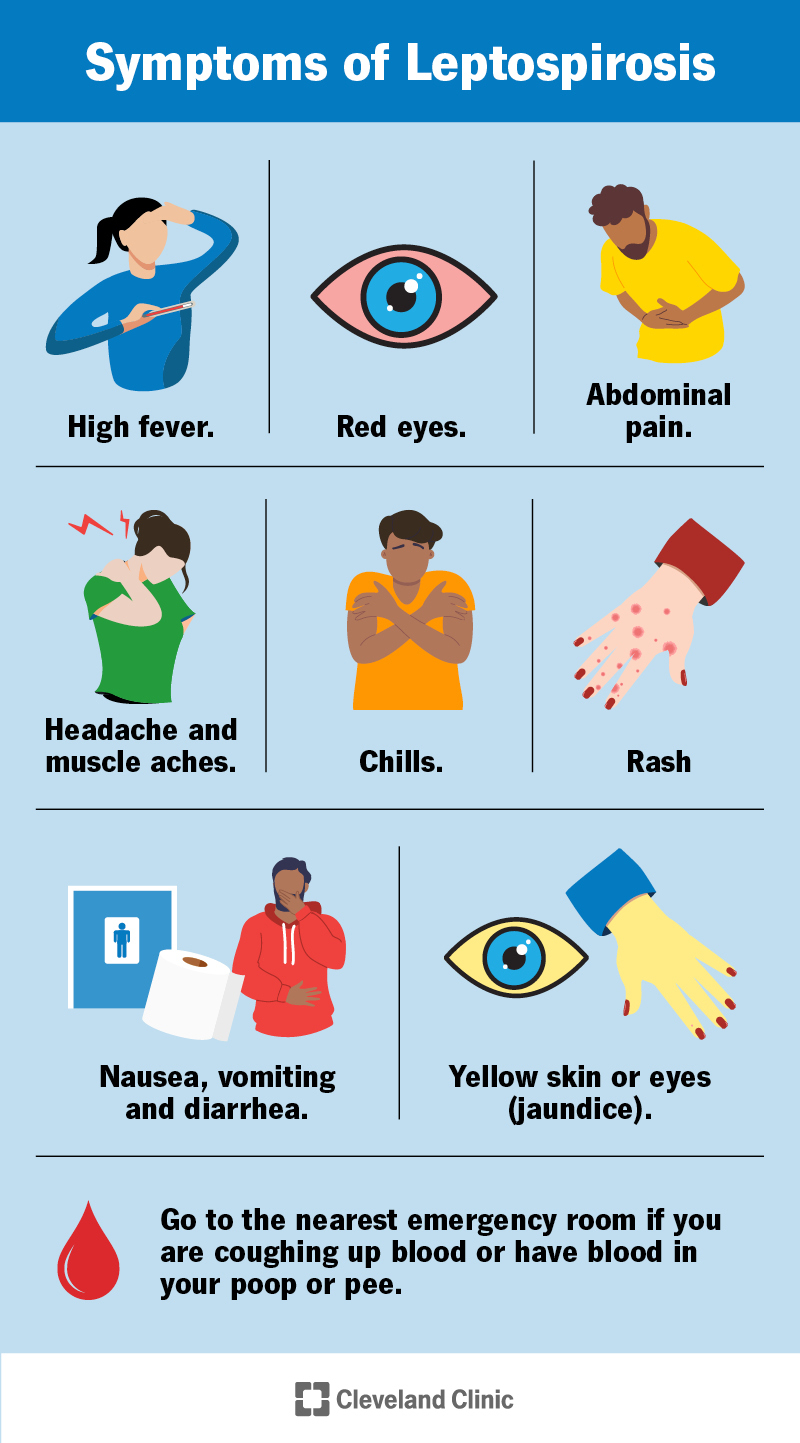
What are the symptoms of Leptospirosis?
The symptoms of Leptospirosis can vary from mild to severe and may resemble those of other illnesses, making it challenging to diagnose. Common symptoms include high fever, muscle aches, headache, chills, red eyes, jaundice (yellowing of the skin and eyes), and vomiting. In severe cases, the infection can lead to organ damage, bleeding disorders, kidney failure, and even death.

Who is at risk of contracting Leptospirosis?
Anyone can contract Leptospirosis, but certain groups of people are at a higher risk. These include individuals who work in high-risk occupations such as agriculture, farming, sewer workers, and veterinarians. People who engage in outdoor recreational activities such as camping, hiking, or swimming in contaminated waters are also more susceptible to the disease. Additionally, individuals with weakened immune systems, such as the elderly or those with certain medical conditions, may be more prone to severe infections.
Prevention through Personal Hygiene
Proper handwashing techniques play a vital role in preventing the transmission of Leptospirosis. It is essential to wash your hands with soap and clean running water for at least 20 seconds, especially after coming into contact with potentially contaminated surfaces or objects. This includes washing your hands before preparing and consuming food, after using the toilet, and after handling animals or their urine.
Using personal protective equipment, such as gloves and boots, is crucial when working in or near potentially contaminated areas. These items can provide a barrier between you and the bacteria, reducing the risk of infection. It is important to ensure that the personal protective equipment is in good condition and properly fitted to provide adequate protection.
Avoiding direct contact with contaminated water or soil is also crucial in preventing Leptospirosis. If you are in an area that may be contaminated, it is advisable to wear protective clothing, such as long sleeves and pants, to minimize skin exposure. Additionally, be cautious when handling or disposing of items that have come into contact with potentially contaminated materials to prevent accidental exposure.

Preventing Leptospirosis in the Home
Maintaining a clean and hygienic living environment is essential in preventing the spread of Leptospirosis. Regularly cleaning and disinfecting surfaces, especially those that may have come into contact with animal urine, can help reduce the risk of infection. It is important to pay attention to areas where rodents may hide or leave urine, such as attics, basements, and storage rooms.
Proper disposal of waste and garbage is crucial to prevent attracting rodents to your home. Make sure to secure trash bins with tightly fitted lids and avoid leaving food or water sources accessible to rodents. It is also recommended to seal any gaps or openings in your home, as these can serve as entry points for rodents and other animals.
Avoiding exposure to rodents is another key aspect of preventing Leptospirosis in the home. Rodents can carry the Leptospira bacteria and contaminate your living space if they gain entry. Taking measures to rodent-proof your home, such as removing potential food sources, sealing cracks and crevices, and setting traps or using rodent deterrents, can help reduce the risk of infestation.
Preventing Leptospirosis in the Workplace
Implementing proper sanitation and hygiene measures in the workplace is crucial in preventing the transmission of Leptospirosis. This includes maintaining clean and well-ventilated work areas, regularly disinfecting surfaces and equipment, and providing access to hand hygiene facilities for all employees.
Regular disinfection of work areas is important, especially in occupations where employees may come into contact with potentially contaminated materials or work in environments frequented by rodents. This can help eliminate any bacteria present on surfaces and reduce the risk of transmission.
Training and awareness programs for employees are also essential in preventing Leptospirosis in the workplace. Educating employees about the risks associated with the disease, proper hand hygiene practices, and the use of personal protective equipment can help ensure that they are equipped with the knowledge and skills to protect themselves.

Preventing Leptospirosis in Recreational Settings
When engaging in recreational activities, it is important to take precautions to prevent the contraction of Leptospirosis. Avoid swimming or engaging in water activities in areas that may be contaminated with the urine of infected animals. These areas include stagnant water bodies, flooded areas, or bodies of water with known rodent populations.
Proper maintenance and chlorination of swimming pools are crucial in preventing the transmission of Leptospirosis. Regularly testing the water and maintaining proper chlorine levels can help kill any bacteria present and ensure a safe swimming environment. It is also important to encourage individuals to shower before entering pools to remove any potential sources of contamination.
Encouraging safe practices among visitors or tourists is essential in recreational settings to prevent the spread of Leptospirosis. Providing information about the risks associated with the disease and educating individuals about proper hygiene practices, such as washing hands after outdoor activities, can help reduce the risk of infection.
Vaccination as a Preventive Measure
Vaccination against Leptospirosis is an effective preventive measure for individuals at risk of exposure to the bacteria. The vaccine stimulates the immune system to produce antibodies against the Leptospira bacteria, providing protection against the disease.
Importance of Leptospirosis vaccination cannot be stressed enough, especially for individuals in high-risk occupations or those who frequently engage in outdoor activities. It is essential to consult with a healthcare professional to determine the appropriate vaccination schedule and ensure that the vaccine is up to date.
Vaccination recommendations may vary depending on factors such as age, occupation, and geographic location. It is important to follow the advice of healthcare professionals and stay informed about any updates or changes in vaccination guidelines.
Protection for High-Risk Individuals
Individuals with weakened immune systems, such as the elderly or those with certain medical conditions, may require additional preventive measures to protect against Leptospirosis. These measures may include avoiding high-risk environments, using personal protective equipment, and maintaining good personal hygiene practices.
Extra precautions should be taken by individuals working in high-risk occupations such as agriculture, farming, or sewer workers. These individuals should follow strict hygiene protocols, wear appropriate personal protective equipment, and seek medical attention if they develop any symptoms that may indicate Leptospirosis.
Controlling Rodent Infestations
Identifying signs of rodent presence in and around your home is important in preventing Leptospirosis. Common signs include droppings, nests, gnaw marks, and the presence of rodent activity during nighttime. If you suspect rodent infestation, it is crucial to take immediate action to eliminate them.
Implementing effective rodent control measures is essential in preventing the spread of Leptospirosis. This can include measures such as setting traps, using rodenticides (if approved by local regulations), sealing entry points, and removing potential food and water sources. It is important to follow safe and ethical practices when dealing with rodents to minimize harm to both humans and animals.
Seeking professional help when necessary is recommended, especially in cases of severe infestations or when preventive measures have not been successful. Pest control professionals have the knowledge and experience to handle rodent infestations safely and effectively, helping to reduce the risk of Leptospirosis and other diseases associated with rodents.
Educational Campaigns and Public Awareness
Educating the public about Leptospirosis is crucial in raising awareness and promoting preventive measures. Public awareness campaigns can provide information about the risks associated with the disease, proper hygiene practices, and the importance of vaccination.
Developing informational materials and resources is an effective way to reach a wide audience. This can include brochures, posters, online resources, and social media campaigns. These materials should provide accurate and accessible information that individuals can easily understand and apply in their daily lives.
Organizing community events and workshops can also help raise awareness about Leptospirosis. These events can provide opportunities for people to learn more about the disease, interact with healthcare professionals, and receive guidance on preventive measures. Collaborating with local authorities, schools, and community organizations can help maximize the reach and impact of these initiatives.
Ensuring Proper Diagnosis and Treatment
Early detection and diagnosis of Leptospirosis are crucial in preventing the progression of the disease and increasing the chances of a successful recovery. If you develop symptoms that may indicate Leptospirosis, seek medical attention promptly.
Prompt and appropriate medical treatment is essential for individuals diagnosed with Leptospirosis. Treatment may involve antibiotics to eliminate the bacteria, as well as supportive care to manage symptoms and complications. It is important to follow the prescribed treatment plan and attend follow-up appointments to ensure a full recovery.
Follow-up care and monitoring are essential, especially for individuals who have experienced severe Leptospirosis. Regular check-ups can help assess the progress of recovery, monitor any potential complications, and provide necessary support and guidance.
By understanding Leptospirosis and implementing preventive measures, we can reduce the risk of transmission and protect ourselves and our communities. Remember to practice proper hygiene, take necessary precautions, and stay informed about the latest guidelines and recommendations for preventing this potentially serious bacterial infection.