
Living with leukemia can be challenging, especially when faced with the side effects of treatment. From fatigue and nausea to hair loss and a weakened immune system, these symptoms can significantly impact your daily life. But fear not, this article will provide you with valuable tips and strategies to help you manage the side effects of leukemia treatment. With a friendly approach and practical advice, we aim to support you through this difficult journey, ensuring that you have the best possible quality of life during your treatment.

Managing Side Effects of Leukemia Treatment: Tips for Patients

Understanding Leukemia and Its Treatment
Leukemia is a type of cancer that affects the blood and bone marrow. It occurs when the body produces too many abnormal white blood cells, which crowd out healthy cells and prevent them from performing their normal functions. The treatment for leukemia varies depending on the type and stage of the cancer, but commonly involves chemotherapy, radiation therapy, targeted therapy, and stem cell transplant. While these treatments are effective in targeting cancer cells, they often come with side effects that can impact patients’ quality of life.

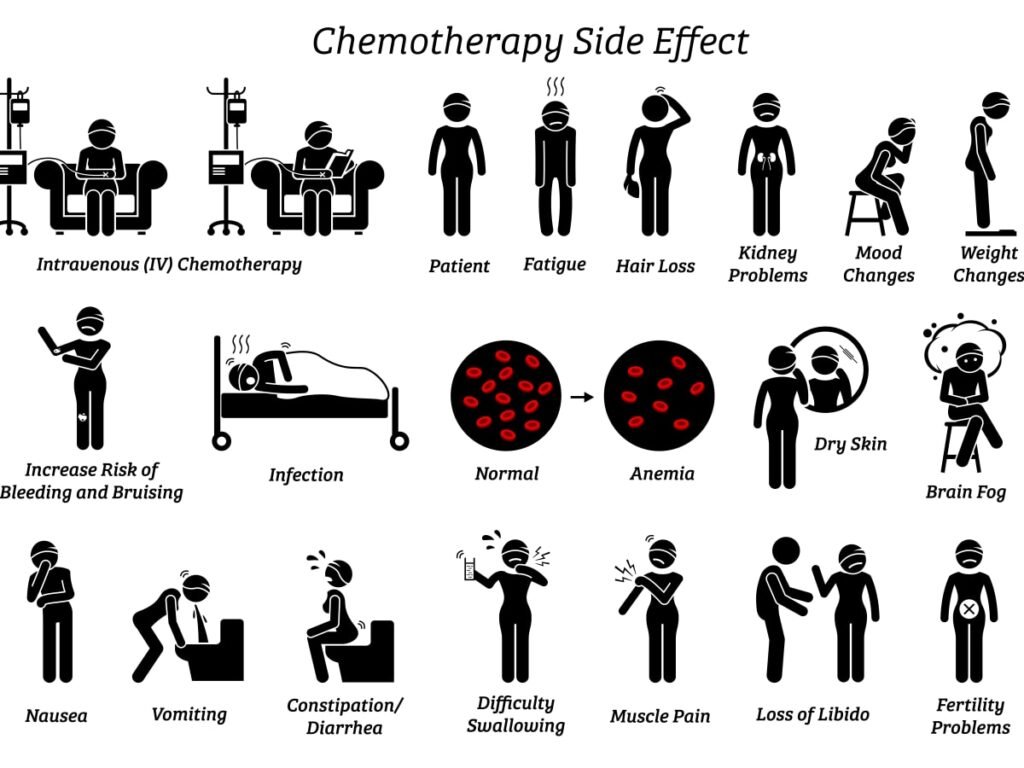
Common Side Effects of Leukemia Treatment
- Nausea and Vomiting: Many leukemia patients experience nausea and vomiting as a side effect of chemotherapy. This can be managed with anti-nausea medications prescribed by your doctor.
- Fatigue: Leukemia treatment can cause extreme fatigue, leaving you feeling tired and lacking energy. It is important to prioritize rest and conserve your energy throughout the day.
- Hair Loss: Certain chemotherapy drugs used in leukemia treatment can cause hair loss. This can be emotionally challenging, but remember that hair will usually grow back once treatment is complete.
- Mouth Sores: Chemotherapy and radiation therapy can cause mouth sores, making it difficult to eat and speak. Maintaining good oral hygiene and using gentle oral rinses can help alleviate discomfort.
- Loss of Appetite: Treatment can reduce your appetite and make food taste differently. It is important to eat small, frequent meals and focus on nutrient-rich foods to maintain your strength and energy levels.
- Infections: Leukemia and its treatment weaken the immune system, making you more susceptible to infections. Avoid crowded places and practice good hygiene to reduce the risk of contracting infections.
- Bleeding and Bruising: Leukemia can affect your body’s ability to produce enough platelets, which are responsible for blood clotting. This can lead to excessive bleeding and bruising. Be cautious and seek medical attention if you notice unusual bleeding or bruising.
- Skin Changes: Radiation therapy and certain medications can cause changes in your skin, such as dryness, redness, and sensitivity. Moisturizing regularly and using sunscreen can help protect your skin.
- Emotional and Mental Health: Dealing with a leukemia diagnosis and undergoing treatment can take a toll on your emotional and mental well-being. It is important to seek support from loved ones and consider counseling or therapy to cope with the emotional challenges.
- Fertility and Sexual Health: Some leukemia treatments can affect fertility and sexual health. Discuss your concerns with your doctor and consider fertility preservation options before starting treatment.
Tips for Managing Side Effects
- Communicate with Your Doctor: It is crucial to maintain open communication with your doctor throughout your treatment journey. Inform them about any side effects you experience, as they can provide guidance and adjust your treatment plan if necessary.
- Stay Hydrated: Drinking enough fluids is essential to combat the side effects of treatment. Aim to drink at least 8-10 glasses of water per day, and consider consuming electrolyte-rich beverages to replenish lost nutrients.
- Eat a Healthy Diet: Proper nutrition is key to maintaining your strength and supporting your body’s healing process. Focus on consuming a balanced diet consisting of fruits, vegetables, lean proteins, whole grains, and healthy fats.
- Get Adequate Rest: Fatigue is a common side effect of leukemia treatment, and getting enough rest is crucial to manage this symptom. Listen to your body and prioritize restful sleep and naps throughout the day.
- Gentle Exercise and Physical Activity: Although it may be challenging, engaging in gentle exercise and physical activity can help combat fatigue, improve mood, and maintain muscle strength. Consult with your doctor about suitable activities for you.
- Take Medications as Prescribed: It is important to take all prescribed medications as instructed by your doctor. This includes anti-nausea drugs, pain relievers, or any other medications prescribed to manage specific side effects.
- Opt for Alternative Therapies: Some patients find relief from side effects through alternative therapies such as acupuncture, massage, or yoga. Discuss these options with your doctor to ensure they are safe and appropriate for you.
- Manage Stress and Emotional Well-being: Leukemia treatment can be emotionally challenging, so it is crucial to find healthy ways to manage stress. Consider relaxation techniques, such as deep breathing exercises, meditation, or engaging in hobbies you enjoy.
- Join a Support Group: Connecting with others who are going through a similar experience can provide immense emotional support. Joining a support group or seeking individual counseling can help you navigate the challenges of leukemia treatment.
- Maintain a Positive Outlook: While leukemia treatment can be difficult, maintaining a positive mindset can make a significant difference. Surround yourself with loved ones, engage in activities that bring you joy, and celebrate small victories along the way.
Remember, each individual’s experience with leukemia treatment and its side effects may vary. It is important to consult with your healthcare team and tailor these tips to your specific needs. With the right support and self-care strategies, you can effectively manage the side effects of leukemia treatment and improve your overall well-being during this challenging time.
