
You may have heard of listeriosis before, but do you really understand what it is and how it can affect you? In this article, we will explore the causes, symptoms, and treatment options for listeriosis, a serious infection caused by the bacterium Listeria monocytogenes. Whether you want to know how to prevent it, or you’re simply curious about its impact on your health, this article aims to provide you with a comprehensive understanding of listeriosis, keeping things informative and friendly. So let’s dive in and uncover the facts about this potentially dangerous infection.
Understanding Listeriosis
Listeriosis is a serious infection caused by the bacteria Listeria monocytogenes. This bacteria is commonly found in the environment, such as in soil and water, and can contaminate a variety of food sources. Listeriosis is a rare but potentially life-threatening illness, so it’s important to understand its causes, symptoms, diagnosis, and treatment. Additionally, certain individuals, such as pregnant women and the elderly, are more susceptible to Listeriosis and should take extra precautions to protect themselves.
Definition
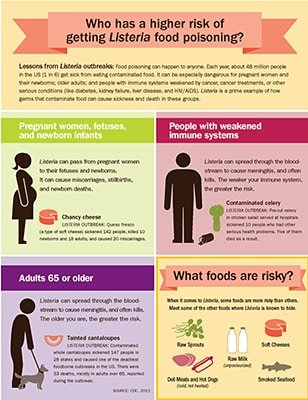
Listeriosis is an infection caused by the bacteria Listeria monocytogenes. It can affect individuals of all ages, but certain groups, such as pregnant women, newborns, the elderly, and individuals with weakened immune systems, are at higher risk of developing severe forms of the infection. The bacteria can cause symptoms ranging from mild flu-like symptoms to more severe illnesses, such as meningitis or septicemia.
Incidence
Listeriosis is considered a rare infection, with an estimated incidence of 0.5-10 cases per million population per year. However, it is important to note that the severity of the illness can vary greatly, and the mortality rate is relatively high, especially among high-risk populations. Prompt diagnosis and treatment are crucial to improving outcomes for individuals with Listeriosis.
Transmission
Listeria monocytogenes can be transmitted through the consumption of contaminated food and can also be spread from person to person in certain cases. The bacteria can survive and grow at refrigeration temperatures, making it important to practice safe food handling and preparation methods. It can also be transmitted from mother to child during pregnancy or childbirth, leading to severe complications for both the mother and the baby.
Causes of Listeriosis
Listeria monocytogenes
Listeria monocytogenes is a gram-positive bacterium that is the primary cause of Listeriosis. It is commonly found in the environment, such as in soil and water, as well as in the intestines of some animals. The bacteria can contaminate a variety of food sources, including raw or unpasteurized milk, soft cheeses, deli meats, and raw vegetables. Ingesting contaminated food can lead to Listeriosis, especially in individuals with compromised immune systems.
Contaminated Food Sources
Listeriosis outbreaks are often linked to specific food sources that have been contaminated with Listeria monocytogenes. This can include ready-to-eat foods that have been improperly processed or stored, as well as foods that have come into contact with contaminated surfaces or equipment during preparation. It is important to follow food safety guidelines, such as proper cooking and refrigeration temperatures, to reduce the risk of Listeriosis.
At-Risk Individuals
Certain individuals are at higher risk of developing severe forms of Listeriosis. This includes pregnant women, newborns, the elderly, and individuals with weakened immune systems, such as those with HIV/AIDS, cancer, diabetes, or organ transplants. These individuals may have a reduced ability to fight off infections, making them more susceptible to severe complications from Listeriosis. It is important for these high-risk groups to take extra precautions to prevent Listeriosis and seek prompt medical attention if symptoms occur.

Symptoms of Listeriosis
Early Symptoms
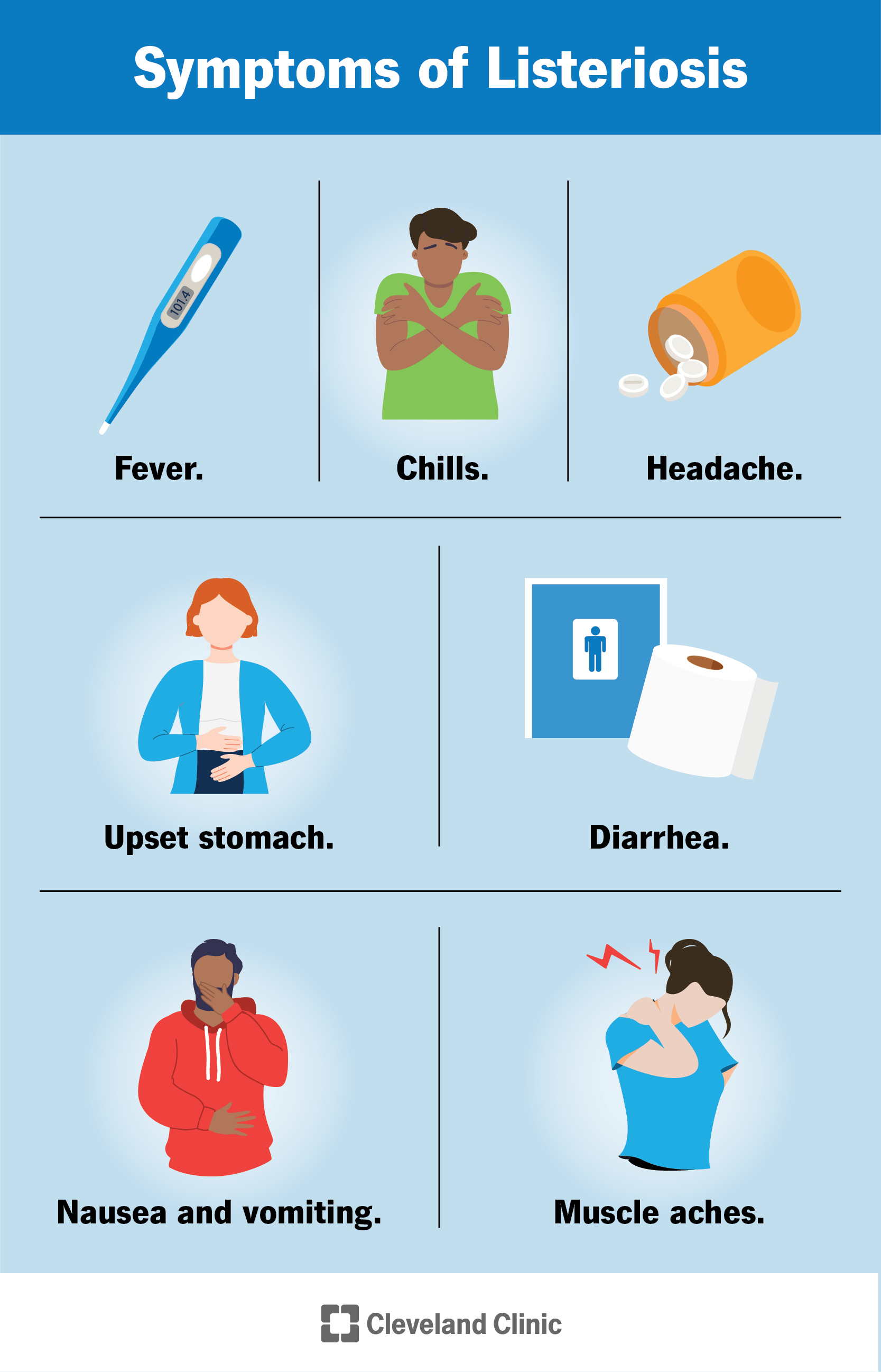
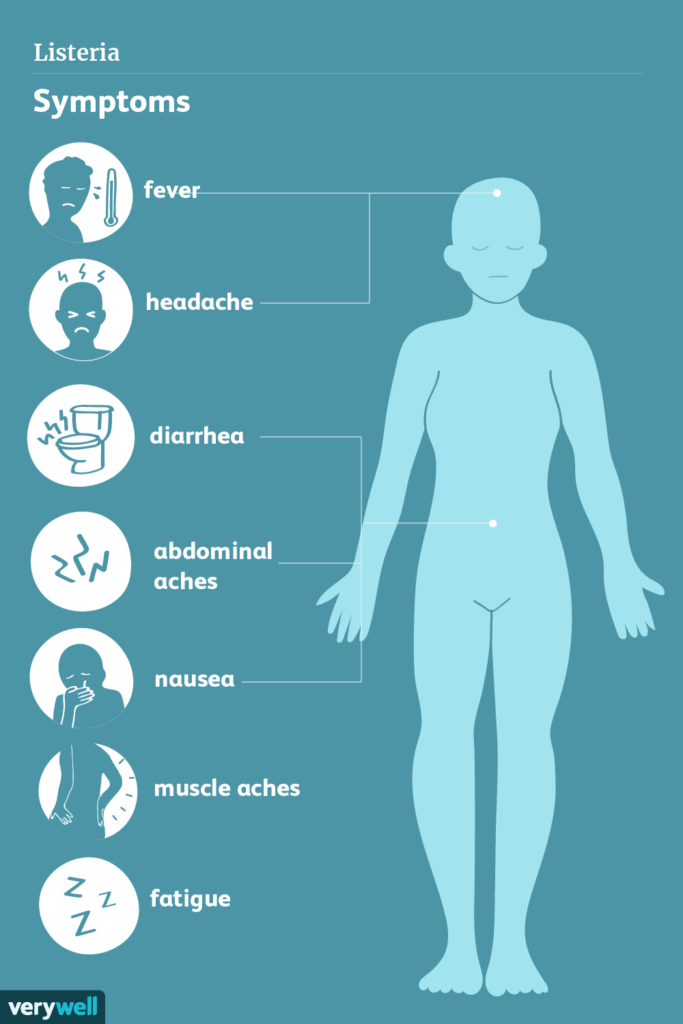
The initial symptoms of Listeriosis can be similar to those of the flu and may include fever, muscle aches, and gastrointestinal symptoms such as nausea and diarrhea. These symptoms may appear within a few days to a few weeks after consuming contaminated food. In healthy individuals, these early symptoms may be mild and resolve on their own without treatment. However, in high-risk individuals, these symptoms can progress to more severe forms of the infection.
Severe Symptoms
Severe forms of Listeriosis can occur when the infection spreads beyond the gastrointestinal tract. This can lead to symptoms such as headache, stiff neck, confusion, loss of balance, and convulsions. In some cases, the infection can lead to meningitis, a serious inflammation of the membranes surrounding the brain and spinal cord. Septicemia, a bloodstream infection, can also occur, leading to symptoms such as chills, rapid breathing, and a rapid heart rate.
Complications
Listeriosis can lead to severe complications, particularly in high-risk individuals. Pregnant women can experience miscarriage, stillbirth, premature delivery, or severe illness in the newborn. Infection during pregnancy can also lead to meningitis or blood infections in the newborn. The elderly and individuals with weakened immune systems are also at increased risk of developing severe complications, such as septicemia or meningitis. Seeking timely medical care is important to prevent these complications.
Diagnosis of Listeriosis
Clinical Evaluation
Diagnosing Listeriosis can be challenging, as the symptoms can be non-specific and may mimic other infections. A healthcare provider will typically perform a thorough clinical evaluation, taking into account the individual’s symptoms, medical history, and risk factors. The physician may ask about recent food consumption and conduct a physical examination to assess for signs of infection.
Laboratory Tests
Laboratory tests are necessary to confirm a diagnosis of Listeriosis. This typically involves collecting samples, such as blood or cerebrospinal fluid, and sending them to a laboratory for analysis. The samples are tested for the presence of Listeria monocytogenes, typically using culture methods or molecular techniques. It is important to promptly notify the laboratory if Listeriosis is suspected, as specialized tests may be required to isolate and identify the bacteria.
Treatment for Listeriosis
Antibiotics
Treatment for Listeriosis usually involves the administration of antibiotics to eliminate the infection. The choice of antibiotic will depend on the individual’s age, overall health, and the severity of the infection. In some cases, hospitalization may be required for intravenous antibiotics and close monitoring. Prompt initiation of antibiotic treatment is important to prevent the infection from spreading and causing severe complications.
Supportive Care
In addition to antibiotics, supportive care may be necessary to manage the symptoms and complications of Listeriosis. This can include measures such as intravenous fluids to maintain hydration, pain management, and treatment for any associated complications, such as meningitis. Pregnant women and individuals with severe forms of the infection may require intensive care and monitoring to ensure the best possible outcomes.
Prevention of Maternal-Fetal Transmission
Preventing maternal-fetal transmission of Listeriosis is crucial to protecting the health of both the mother and the baby. Pregnant women should take precautions to avoid consuming high-risk foods, such as raw or unpasteurized milk products, soft cheeses, deli meats, and raw vegetables. Safe food handling and preparation methods should be followed, and any symptoms of infection should be promptly reported to a healthcare provider. Preventive antibiotics may be recommended for high-risk pregnant women who have been exposed to Listeria monocytogenes.
Prevention of Listeriosis
Food Safety
Practicing food safety is key to preventing Listeriosis. This includes purchasing and consuming only pasteurized dairy products, thoroughly cooking raw meats and poultry, and avoiding high-risk foods such as raw or unpasteurized milk products, soft cheeses, and deli meats unless they have been reheated to steaming hot. It is also important to maintain proper refrigeration temperatures and to promptly consume or discard perishable foods. Washing raw fruits and vegetables before consumption can also help reduce the risk of Listeriosis.
Safe Food Handling
Safe food handling practices are essential to prevent the contamination of food with Listeria monocytogenes. This includes washing hands thoroughly before and after handling food, as well as cleaning and sanitizing surfaces and utensils used for food preparation. Cross-contamination between raw and cooked foods should be avoided, and leftovers should be promptly refrigerated and consumed within a safe time frame. Following these practices can greatly reduce the risk of Listeriosis.
High-Risk Individuals
High-risk individuals, such as pregnant women, newborns, the elderly, and individuals with weakened immune systems, should take extra precautions to prevent Listeriosis. This includes avoiding high-risk foods, practicing safe food handling and preparation methods, and seeking prompt medical attention if symptoms of infection occur. It is important for these individuals to be aware of the risks and to take proactive measures to protect their health.

Listeriosis in Pregnant Women
Increased Susceptibility
Pregnant women are at increased risk of developing Listeriosis due to changes in their immune system and hormonal fluctuations. These changes can reduce the body’s ability to fight off infections, making them more susceptible to Listeria monocytogenes. Additionally, the bacteria can cross the placenta and infect the developing fetus, leading to severe complications. Pregnant women should be vigilant about food safety and seek prompt medical attention if symptoms of infection occur.
Impact on Unborn Baby
Listeriosis can have serious consequences for the unborn baby. Infection during pregnancy can lead to miscarriage, stillbirth, premature delivery, or severe illness in the newborn. Infected babies may experience symptoms such as fever, irritability, poor feeding, and respiratory distress. It is important for pregnant women to take all necessary precautions to prevent Listeriosis and to seek medical care if infection is suspected.
Preventive Measures
Pregnant women can take several preventive measures to reduce the risk of Listeriosis. This includes avoiding high-risk foods, such as raw or unpasteurized milk products, soft cheeses, deli meats, and raw vegetables. Safe food handling and preparation methods should be followed, and any symptoms of infection should be promptly reported to a healthcare provider. Pregnant women who have been exposed to Listeria monocytogenes may be recommended preventive antibiotics to reduce the risk of transmission to the baby.
Listeriosis in Newborns and Infants
Transmission During Birth
Listeriosis can be transmitted from mother to child during pregnancy or childbirth. This can lead to severe infections in newborns and infants. It is important for pregnant women to take steps to prevent Listeriosis during pregnancy and to seek appropriate medical care if infection occurs. Delivery methods, such as cesarean section, may be recommended in certain cases to reduce the risk of transmission.
Symptoms in Newborns
Newborns and infants with Listeriosis may experience symptoms such as fever, irritability, poor feeding, and respiratory distress. Symptoms can vary depending on the severity of the infection and may develop within a few days to a few weeks after birth. Prompt medical attention is important to ensure early diagnosis and treatment for affected infants.
Treatment and Prevention
Treatment for Listeriosis in newborns and infants typically involves the administration of antibiotics to eliminate the infection. Supportive care, such as intravenous fluids and monitoring, may also be necessary to manage symptoms and complications. Preventive measures, such as safe food handling and proper hygiene practices, are essential to reduce the risk of Listeriosis in newborns and infants. Breastfeeding is generally encouraged, as breast milk can provide additional protection against infection.
Listeriosis in Elderly Individuals
Age-Related Immune System Changes
The immune system undergoes changes as individuals age, making elderly individuals more susceptible to infections such as Listeriosis. The body’s ability to mount an immune response may be compromised, increasing the risk of severe complications. It is important for older individuals to take steps to prevent Listeriosis and to seek prompt medical attention if symptoms occur.
Predisposing Factors
In addition to age-related immune system changes, certain underlying health conditions and medications can predispose elderly individuals to Listeriosis. Conditions such as diabetes, cancer, HIV/AIDS, and organ transplants can weaken the immune system, making it more difficult to fight off infections. Medications that suppress the immune system, such as corticosteroids or chemotherapy drugs, can also increase the risk. Awareness of these risk factors is important for older individuals and their healthcare providers to ensure appropriate preventive measures are taken.
Symptoms and Management
Symptoms of Listeriosis in the elderly can be similar to those seen in other age groups, including fever, muscle aches, and gastrointestinal symptoms. However, the infection can progress rapidly and lead to severe complications, such as septicemia or meningitis. Prompt medical attention is important to ensure early diagnosis and treatment. In severe cases, hospitalization may be required for intravenous antibiotics and supportive care.
Listeriosis Outbreaks
Notable Outbreaks
Listeriosis outbreaks have occurred in various countries around the world, affecting both individuals and communities. Notable outbreaks include the 2011 outbreak in the United States linked to cantaloupes, which resulted in multiple deaths and hospitalizations. The 2017-2018 outbreak in South Africa, associated with contaminated processed meat products, was the largest outbreak recorded to date with over 1,000 cases reported. These outbreaks highlight the importance of vigilance in food safety and prompt response to contain and control Listeriosis.
Investigation and Control Measures
During a Listeriosis outbreak, thorough investigations are conducted to identify the source of contamination and prevent further cases. This involves tracing the contaminated food source, conducting laboratory testing, and interviewing affected individuals to gather information about their food consumption history. Control measures, such as recalling contaminated products, improving food processing and storage practices, and educating the public about safe food handling, are implemented to prevent future outbreaks. Collaboration between public health authorities, healthcare providers, and food industry stakeholders is essential in managing and preventing Listeriosis outbreaks.