
Imagine a world where liver cancer is no longer a life-threatening disease. Thanks to groundbreaking research and innovative advancements in liver tumor research, this dream may soon become a reality. Scientists and medical professionals are tirelessly working to uncover new treatments and therapies that can effectively target and eliminate liver tumors, offering hope to millions of individuals affected by this devastating condition. In recent years, impressive progress has been made, and this article will explore some of the most promising breakthroughs in liver tumor research, shedding light on the path towards a brighter future for liver cancer patients.

Advancements in imaging technology
Advantages of advanced imaging techniques
The field of imaging technology has made significant advancements, revolutionizing the way liver tumors are diagnosed and monitored. Advanced imaging techniques offer several advantages over traditional methods, allowing for more accurate and timely diagnosis, as well as improved treatment planning.
One key advantage of advanced imaging techniques is the ability to obtain high-resolution images of liver tumors. Traditional methods, such as ultrasound or computed tomography (CT) scans, often provide limited visibility and may not accurately depict the details of the tumor. However, with the advent of technologies like magnetic resonance imaging (MRI) and positron emission tomography (PET), healthcare professionals can now obtain clearer, more detailed images of liver tumors. This improved visualization enables physicians to better understand the exact location, size, and characteristics of the tumor, facilitating more precise treatment strategies.
Another advantage is the non-invasiveness of advanced imaging techniques. Unlike invasive procedures like biopsies, which require tissue samples to be taken for examination, advanced imaging techniques allow for the evaluation of liver tumors without the need for any physical intervention. This not only reduces the risk of complications or infections but also provides a more comfortable experience for patients.
Emerging imaging techniques for liver tumors
As technology continues to advance, new imaging techniques are constantly being developed, further enhancing our ability to detect and characterize liver tumors. One emerging imaging technique is contrast-enhanced ultrasound (CEUS), which involves the use of contrast agents to improve the visualization of blood vessels within the liver. CEUS provides real-time imaging and can accurately differentiate between benign and malignant liver tumors, aiding in the early diagnosis and treatment planning.
Another promising technique is diffusion-weighted imaging (DWI) MRI. By measuring the random movement of water molecules within tissues, DWI MRI can provide valuable information about the cellular structure and organization of liver tumors. This technique is particularly useful in differentiating between tumors and non-cancerous lesions, enabling more accurate diagnosis and reducing the need for unnecessary invasive procedures.
Role of artificial intelligence in liver tumor imaging
Artificial intelligence (AI) has been increasingly integrated into various fields of medicine, including liver tumor imaging. AI algorithms have the ability to analyze large amounts of medical data and identify patterns or anomalies that may not be easily recognizable by human observers. In liver tumor imaging, AI can assist in the detection, characterization, and classification of tumors, leading to more accurate diagnoses and treatment decisions.
AI can also contribute to the development of predictive models by analyzing patient data, such as medical history, imaging findings, and genetic information. This can help clinicians estimate disease progression, predict treatment response, and personalize therapy plans for patients with liver tumors. By leveraging AI capabilities, healthcare professionals can make more informed decisions, improving patient outcomes and overall healthcare efficiency.
Non-invasive diagnostic tools
Importance of non-invasive diagnostics
Non-invasive diagnostic tools play a crucial role in the early detection and monitoring of liver tumors. Unlike invasive procedures, which can be uncomfortable and carry certain risks, non-invasive diagnostics provide a safer and more convenient option for patients. Additionally, non-invasive techniques contribute to reducing healthcare costs and improving overall patient experience.
Early detection of liver tumors is vital for successful treatment and improved patient survival rates. Non-invasive diagnostic tools, such as imaging techniques discussed earlier, blood-based biomarkers, and liquid biopsy techniques, offer the possibility of detecting liver tumors at an early stage, even before symptoms become apparent. This early detection allows for timely intervention and the implementation of targeted treatment strategies, increasing the chances of a favorable outcome.
Blood-based biomarkers for early detection
Blood-based biomarkers have gained significant attention in the field of liver tumor diagnostics. These biomarkers are substances present in the blood that can indicate the presence of a liver tumor or provide information about tumor characteristics. As blood samples can be easily obtained through routine venipuncture, blood-based biomarkers offer a non-invasive and cost-effective method for early detection and surveillance of liver tumors.
Several blood-based biomarkers have shown promise in liver tumor research. For example, alpha-fetoprotein (AFP) is a well-known biomarker that has been used for the detection and monitoring of hepatocellular carcinoma (HCC), the most common type of primary liver cancer. Elevated AFP levels in the blood can indicate the presence of HCC and can be used to assess treatment response. Other biomarkers, such as des-gamma-carboxyprothrombin (DCP), glypican-3 (GPC3), and microRNAs, are currently being investigated for their potential diagnostic and prognostic value.
Liquid biopsy techniques for liver tumor diagnosis
Liquid biopsy techniques have emerged as a promising non-invasive approach for the diagnosis and monitoring of liver tumors. Unlike traditional biopsies, which require the collection of tissue samples, liquid biopsies involve the analysis of various components present in body fluids, such as blood or urine. These components can include circulating tumor cells (CTCs), cell-free DNA (cfDNA), exosomes, and other tumor-derived molecules.
Liquid biopsies offer several advantages over traditional tissue biopsies. Firstly, they are less invasive and carry fewer risks, making them more tolerable for patients. Secondly, liquid biopsies allow for the detection of tumor-specific genetic alterations or mutations, providing valuable information about tumor heterogeneity and treatment response. Thirdly, liquid biopsies can be performed repeatedly, enabling real-time monitoring of tumor dynamics and the assessment of therapeutic efficacy.
Researchers are actively exploring the potential applications of liquid biopsies in liver tumor diagnosis. By analyzing specific genetic alterations or changes in circulating tumor markers, liquid biopsies can detect the presence of liver tumors and provide information about their genetic profiles. This information can aid in treatment selection, patient stratification, and the monitoring of treatment response and disease progression.
Targeted therapies
Understanding targeted therapies
Targeted therapies have revolutionized the field of cancer treatment, including liver tumors. Unlike traditional chemotherapy, which aims to kill rapidly dividing cells, targeted therapies specifically target the molecular abnormalities that drive the growth and survival of cancer cells. By interfering with these specific targets, targeted therapies can effectively inhibit tumor growth, leading to improved treatment outcomes and reduced toxicity.
In liver tumor treatment, targeted therapies can be directed towards various molecular targets involved in tumor development and progression. These targets can include growth factor receptors, signaling pathways, immune checkpoints, and cellular mechanisms that promote tumor angiogenesis or evasion of the immune system. By identifying and targeting these specific molecules, healthcare professionals can tailor treatment plans to the individual patient, maximizing therapeutic efficacy.
Promising targets for liver tumor treatment
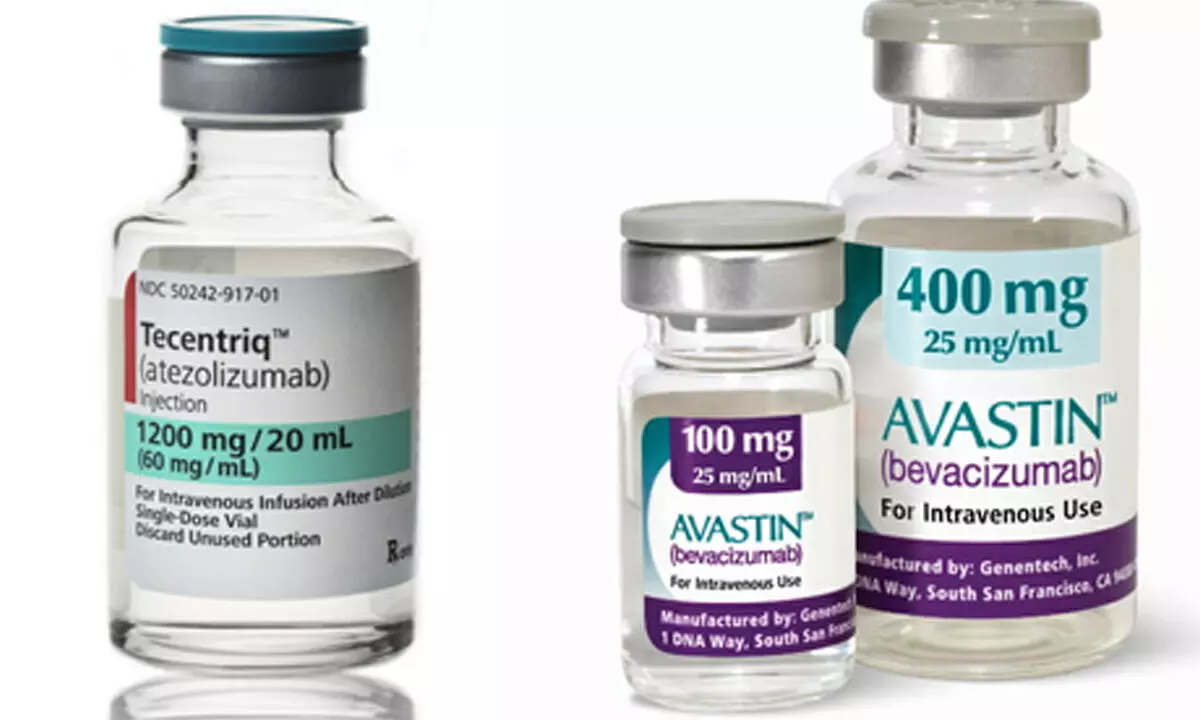
Numerous molecular targets have been identified as potential therapeutic targets in liver tumors. One example is the vascular endothelial growth factor (VEGF) pathway, which plays a crucial role in tumor angiogenesis, the process by which new blood vessels are formed to support tumor growth. Anti-VEGF agents, such as bevacizumab, have shown efficacy in inhibiting angiogenesis and have been approved for the treatment of advanced liver cancer.
Another promising target is the mammalian target of rapamycin (mTOR) pathway, which regulates cell growth, proliferation, and survival. Inhibition of the mTOR pathway has shown promise in slowing down tumor growth and sensitizing liver tumors to other therapies. Furthermore, immune checkpoint inhibitors, such as pembrolizumab and nivolumab, have demonstrated significant clinical benefits by harnessing the immune system to recognize and attack liver tumors.
Advancements in drug delivery systems
Advancements in drug delivery systems have played a critical role in enhancing the effectiveness and safety of targeted therapies for liver tumors. Traditional chemotherapy agents often lack specificity, leading to significant toxicity and systemic side effects. However, the development of novel drug delivery systems has allowed for targeted and controlled release of therapeutic agents, maximizing their efficacy while minimizing their adverse effects.
One notable advancement in drug delivery systems is the use of nanoparticle-based formulations. Nanoparticles are tiny particles with unique properties that can carry therapeutic agents to the tumor site, ensuring their precise delivery. These nanoparticles can be engineered to respond to specific triggers, such as pH or temperature changes, leading to targeted drug release. This targeted approach allows for higher drug concentrations at the tumor site, improving treatment efficacy while minimizing off-target effects.
In addition to nanoparticle-based formulations, other drug delivery systems such as liposomes, polymer-drug conjugates, and drug-eluting implants are also being explored for liver tumor treatment. These advancements in drug delivery technology have the potential to revolutionize targeted therapies, making them more effective and personalized to individual patients.
Immunotherapies
Harnessing the immune system against liver tumors
Immunotherapies have emerged as a promising approach in the treatment of liver tumors. Unlike conventional therapies that directly target cancer cells, immunotherapies harness the power of the immune system to recognize and eliminate liver tumors. By enhancing the body’s natural defense mechanisms, immunotherapies can provide long-lasting anti-tumor effects and potentially cure patients with liver tumors.
The immune system plays a crucial role in cancer surveillance, identifying and eliminating abnormal cells before they develop into tumors. However, liver tumors can evade the immune system through various mechanisms, such as immune checkpoint signaling pathways. Immunotherapies target these pathways to restore the body’s ability to recognize and attack cancer cells effectively.
Checkpoint inhibitors in liver tumor treatment
Checkpoint inhibitors are a type of immunotherapy that has shown remarkable success in the treatment of various cancers, including liver tumors. Checkpoints are molecules that regulate immune responses, preventing overactivation or autoimmunity. However, cancer cells can exploit these checkpoints to evade immune detection. Checkpoint inhibitors block the interaction between checkpoint molecules and their receptors, allowing the immune system to mount a robust response against liver tumors.
One such checkpoint inhibitor is pembrolizumab, which targets the programmed death receptor-1 (PD-1) pathway. PD-1 inhibitors have demonstrated durable responses in patients with advanced liver tumors, leading to improved survival rates. Similarly, nivolumab, another PD-1 inhibitor, has shown promising results in clinical trials, with some patients achieving long-term remission.
Novel immunotherapeutic approaches
Researchers are constantly exploring novel immunotherapeutic approaches to enhance the efficacy of immune-based treatments for liver tumors. One such approach is the development of personalized cancer vaccines. These vaccines are designed to prime the patient’s immune system against specific tumor antigens, stimulating a targeted immune response against the tumor. By using tumor-specific antigens derived from the patient’s own cancer cells, personalized cancer vaccines have the potential to elicit a stronger and more effective anti-tumor immune response.
Another promising approach is the use of chimeric antigen receptor (CAR) T-cell therapy. CAR T-cell therapy involves genetically modifying the patient’s own immune cells to express chimeric antigen receptors, which specifically recognize tumor-associated antigens. Once infused back into the patient’s body, these CAR T-cells can effectively target and eliminate liver tumor cells. CAR T-cell therapy has shown remarkable success in the treatment of hematologic malignancies and is now being investigated for its potential in liver tumor treatment.

Radiotherapy advancements
Improved precision in liver tumor radiotherapy
Radiotherapy, the use of high-energy radiation to kill cancer cells, has long been a cornerstone of cancer treatment, including liver tumors. Advancements in radiotherapy techniques have significantly improved treatment outcomes and reduced side effects. One notable advancement is the improved precision in delivering radiation to liver tumors, while minimizing damage to surrounding healthy tissues.
Image-guided radiation therapy (IGRT) is a technique that combines imaging technology with precise radiation delivery. By using imaging techniques, such as CT, MRI, or PET, in real time, radiation therapists can accurately visualize the tumor and its surrounding structures before and during treatment. This allows for precise targeting of the tumor, ensuring that radiation is delivered only to the intended area, sparing healthy tissues from unnecessary exposure.
Selective internal radiation therapy (SIRT)
Selective internal radiation therapy (SIRT), also known as radioembolization, is a specialized form of radiation therapy that delivers high doses of radiation directly to liver tumors. This technique involves the injection of tiny radioactive microspheres (usually containing yttrium-90) into the blood vessels that supply the liver tumors. The microspheres become lodged in the tumor’s blood vessels, where they emit radiation, effectively destroying the tumor from within.
SIRT offers several advantages over conventional external beam radiotherapy. Firstly, it allows for higher radiation doses to be delivered to liver tumors, increasing treatment efficacy. Secondly, due to the localized nature of SIRT, healthy liver tissue is spared from significant radiation exposure, reducing the risk of complications. Thirdly, SIRT can be performed on an outpatient basis, minimizing patient discomfort and hospitalization.
Combination approaches with radiotherapy
Combination approaches that integrate radiotherapy with other treatment modalities have shown promise in liver tumor management. For example, combining radiotherapy with chemotherapy or targeted therapies allows for synergistic effects, enhancing treatment outcomes. By delivering radiation to liver tumors, radiotherapy can sensitize cancer cells to the effects of other treatment modalities, making them more susceptible to therapy.
Furthermore, combining radiotherapy with surgical interventions, such as liver resection or ablation, can improve local control and maximize treatment efficacy. Radiotherapy can be used before surgery to shrink tumors, making them more operable, or after surgery to target any remaining tumor cells. In both cases, the goal is to achieve a more comprehensive and effective treatment approach, increasing the chances of long-term tumor control and improved patient survival.
Surgical techniques and innovations
Minimally invasive liver tumor surgeries
Surgical intervention remains a primary treatment option for liver tumors, especially in cases where the tumor is localized and has not spread to other organs. Advancements in surgical techniques have led to the development of minimally invasive procedures that offer several advantages over traditional open surgeries.
One such procedure is laparoscopic liver resection, which involves the removal of liver tumors through small incisions, using specialized instruments and a camera. Compared to open surgeries, laparoscopic procedures result in less postoperative pain, reduced blood loss, shorter hospital stays, and faster recovery times. This minimally invasive approach not only improves patient comfort but also reduces the risk of complications and facilitates a quicker return to normal activities.
Another minimally invasive technique is radiofrequency ablation (RFA), which involves the use of heat to destroy liver tumors. During RFA, a thin needle is inserted into the tumor, and an electrical current is passed through it, creating heat that destroys the cancer cells. This procedure can be performed under sedation or local anesthesia and is associated with minimal discomfort and a short recovery period. RFA is particularly effective for small liver tumors, offering an alternative treatment option for patients who are not suitable for surgery.
Robot-assisted liver tumor resections
Robot-assisted surgery has emerged as an innovative approach in the field of liver tumor resections. Utilizing robotic systems, surgeons can perform precise and intricate procedures with enhanced dexterity and visualization. Robot-assisted surgery offers several advantages over traditional laparoscopic surgeries, including improved ergonomics, three-dimensional visualization, and better access to difficult-to-reach areas of the liver.
The da Vinci Surgical System is a widely used robotic platform in liver tumor resections. The surgeon operates the system from a console, controlling robotic arms that hold and manipulate the surgical instruments. The robotic system translates the surgeon’s movements into precise, refined actions, minimizing the risk of errors and improving surgical outcomes.
Robot-assisted surgeries have been shown to offer numerous benefits, including reduced blood loss, shorter hospital stays, and lower complication rates. These procedures can be particularly advantageous in complex liver surgeries, where fine suturing or dissection is required. However, it is important to note that robot-assisted surgeries are technically demanding and require highly skilled surgeons.
Intraoperative imaging advancements
Intraoperative imaging plays a crucial role in liver tumor surgeries, providing real-time visualization of the tumor and surrounding structures. Recent advancements in intraoperative imaging technologies have significantly improved the precision and safety of liver tumor resections.
Intraoperative ultrasound (IOUS) is a commonly used imaging technique during liver tumor surgeries. This technique involves the use of ultrasound probes to obtain real-time images of the liver and the tumor, helping surgeons accurately identify the tumor boundaries and assess the extent of resection. IOUS allows for immediate feedback during surgery, ensuring complete tumor removal while preserving healthy liver tissue.
Other intraoperative imaging modalities, such as near-infrared fluorescence (NIRF) imaging, are also being utilized in liver tumor surgeries. NIRF imaging uses fluorescent dyes that can selectively label liver tumors, allowing surgeons to visualize and differentiate between tumor and normal tissue. This real-time imaging technique enhances the precision of tumor resections and can reduce the risk of leaving residual tumor behind.

Gene therapy and gene editing
Potential of gene therapies in liver tumor treatment
Gene therapy holds great promise in the treatment of liver tumors, offering new avenues for targeting and eliminating cancer cells. By manipulating the genetic material within cells, gene therapy aims to correct or modify the underlying genetic abnormalities that drive tumor growth. This approach has the potential to directly target cancer cells while sparing normal healthy cells, resulting in more effective and less toxic treatments.
In the context of liver tumors, gene therapy can involve the delivery of therapeutic genes that encode proteins capable of suppressing tumor growth or inducing cell death. By introducing these therapeutic genes into liver tumor cells, researchers hope to inhibit their growth, induce apoptosis (programmed cell death), or sensitize them to other treatment modalities. Additionally, gene therapies can also target the genes involved in immune evasion, promoting an effective immune response against liver tumors.
CRISPR-based gene editing for liver tumors
CRISPR-Cas9 technology, a revolutionary gene editing tool, has opened up new possibilities in liver tumor research. CRISPR-Cas9 allows researchers to precisely edit the genetic material of cells, making targeted modifications to specific genes. This technology holds immense potential for liver tumor treatment by enabling the correction of disease-causing genetic mutations or the disruption of oncogenes.
In liver tumors, CRISPR-based gene editing can be utilized to target specific cancer-associated genes, inhibiting their activity or modifying their function. For example, CRISPR-Cas9 can be used to disrupt the expression of genes involved in tumor growth or cell survival, effectively arresting tumor progression. Additionally, CRISPR-based strategies can be employed to sensitize liver tumor cells to other therapies, such as chemotherapy or immunotherapy.
Despite its enormous potential, CRISPR-based gene editing is still a field in its infancy, and many challenges need to be overcome before it can be widely adopted for liver tumor treatment. Ethical considerations, off-target effects, and delivery methods are some of the hurdles that researchers and clinicians are currently addressing to ensure the safe and effective use of CRISPR technology in clinical settings.
Challenges and future prospects
While gene therapy and gene editing hold immense potential for liver tumor treatment, several challenges need to be addressed to translate these advancements into clinical practice. One significant challenge is the efficient delivery of therapeutic genes or gene editing tools to liver tumor cells. Researchers are actively exploring various delivery systems, such as viral vectors or nanoparticles, to ensure the safe and effective delivery of genetic material to the tumor site.
Another challenge is the identification of suitable target genes or genetic alterations for liver tumors. As liver tumors can exhibit significant heterogeneity, it is crucial to identify common genetic features or vulnerabilities that can be exploited for therapeutic purposes. Advances in genomic profiling and large-scale sequencing efforts are helping researchers decipher the molecular intricacies of liver tumors and identify potential therapeutic targets.
Despite these challenges, the field of gene therapy and gene editing holds immense promise for liver tumor treatment. As technology continues to advance and our understanding of the molecular mechanisms driving liver tumors deepens, we can expect further breakthroughs in this area.
Nanotechnology in liver tumor research
Role of nanotechnology in liver tumor diagnosis
Nanotechnology has emerged as a powerful tool in the field of liver tumor research, offering new avenues for diagnosis and treatment. At the nanoscale, materials exhibit unique properties that can be harnessed to develop highly sensitive diagnostic tools for liver tumors.
In liver tumor diagnosis, nanotechnology-based imaging agents can improve the detection and visualization of tumors. For example, nanoparticles coated with targeting ligands can selectively bind to liver tumor cells, allowing for more precise imaging. These nanoparticles can be labeled with fluorescent dyes or contrast agents, enabling the visualization of liver tumors through techniques such as MRI, CT, or fluorescence imaging.
Furthermore, nanotechnology-based biosensors have the potential to detect specific biomarkers or genetic alterations associated with liver tumors. These biosensors, often integrated with microfluidic devices, can provide rapid and highly sensitive detection of liver tumor-specific molecules within patient samples, such as blood or urine. By combining nanotechnology with molecular diagnostics, researchers aim to develop non-invasive and cost-effective diagnostic tools for early detection and monitoring of liver tumors.
Nano drug delivery systems for targeted therapy
Nanotechnology has revolutionized drug delivery systems for the treatment of liver tumors. Nano drug delivery systems offer several advantages over conventional drug formulations, such as improved drug solubility, enhanced stability, and sustained release profiles. Furthermore, these systems can be engineered to specifically target liver tumor cells, minimizing off-target effects and maximizing therapeutic efficacy.
One example of a nano drug delivery system is liposomes, which are microscopic vesicles composed of lipid bilayers. Liposomes can encapsulate therapeutic agents, protecting them from degradation and improving their circulation in the body. By functionalizing the liposome surface with targeting ligands, such as antibodies or peptides, liposomes can selectively bind to liver tumor cells, delivering the therapeutic agents directly to the tumor site.
Other nano drug delivery systems, such as polymeric nanoparticles or dendrimers, are also being explored for liver tumor treatment. These nanoparticles can be designed with specific properties, such as stimuli-responsive drug release or targeted drug delivery through active targeting strategies. By tailoring the size, surface properties, and composition of nanoparticles, researchers can optimize drug delivery to liver tumors, improving treatment outcomes and reducing the side effects associated with systemic chemotherapy.
Nanoparticles for liver tumor imaging
Nanoparticles have shown considerable promise in enhancing liver tumor imaging. Due to their small size, nanoparticles can preferentially accumulate in liver tumor tissue through a phenomenon known as the enhanced permeability and retention (EPR) effect. This accumulation allows for improved visualization of liver tumors through various imaging modalities, such as MRI or fluorescence imaging.
In addition to passive targeting through the EPR effect, nanoparticles can be engineered to actively target liver tumor cells. By modifying the nanoparticle surface with specific ligands that can recognize tumor-associated receptors or antigens, researchers can enhance the selective uptake of nanoparticles by liver tumor cells. This active targeting strategy further improves the specificity and sensitivity of liver tumor imaging, aiding in early detection, precise characterization, and treatment monitoring.
Furthermore, nanoparticles can carry imaging agents, such as fluorescent dyes or contrast agents, allowing for multimodal imaging approaches. By combining different imaging techniques, researchers can obtain complementary information about liver tumors, improving diagnostic accuracy and providing a comprehensive assessment of tumor characteristics.

Personalized medicine approaches
Importance of personalized medicine in liver tumor treatment
Personalized medicine, also known as precision medicine, aims to tailor medical treatment and healthcare decisions to individual patients. In the context of liver tumor treatment, personalized medicine approaches offer several significant benefits, including improved treatment efficacy, reduced toxicity, and enhanced patient outcomes.
Liver tumors can exhibit significant heterogeneity, both at the genetic and molecular level. Personalized medicine allows for a deeper understanding of this heterogeneity and provides the means to develop more accurate patient stratification and targeted treatment plans. By analyzing the genetic profile of liver tumors, healthcare professionals can identify specific mutations, genetic alterations, or biomarkers that drive tumor growth or therapy resistance. This detailed information enables precise treatment selection, optimizing therapeutic efficacy while minimizing unnecessary side effects.
Furthermore, personalized medicine approaches take into account individual patient characteristics, such as age, overall health, and genetic variations that may affect drug metabolism or treatment response. By considering these factors, healthcare professionals can develop personalized therapy plans that account for the unique needs and circumstances of each patient, improving treatment outcomes and overall patient satisfaction.
Genomic profiling for personalized therapy
Genomic profiling has emerged as a powerful tool in personalized medicine for liver tumor treatment. Genomic profiling involves the comprehensive analysis of an individual’s genetic makeup, identifying specific genetic alterations or mutations that may contribute to the development or progression of liver tumors.
Next-generation sequencing (NGS) technologies have revolutionized genomic profiling, allowing for rapid and cost-effective sequencing of the entire genome or specific regions of interest. By conducting genomic profiling of liver tumors, researchers can identify specific genes or pathways that are dysregulated, providing insights into the underlying mechanisms of liver tumor development.
Furthermore, genomic profiling can guide the selection of targeted therapies or clinical trials for patients with liver tumors. By matching the genetic profile of the tumor with available therapeutic options, healthcare professionals can make informed treatment decisions that are more likely to result in favorable outcomes. Additionally, genomic profiling can help identify potential therapy resistance mechanisms, enabling the development of combination treatment strategies to overcome these challenges.
Advancements in precision oncology
Precision oncology, a subset of personalized medicine, focuses specifically on the application of molecular profiling and targeted therapies in cancer treatment. Advances in precision oncology have significantly impacted the field of liver tumor treatment, allowing for the development of more effective and individualized therapeutic strategies.
One of the key advancements in precision oncology is the identification of specific genetic alterations or mutations that can be targeted with existing or emerging therapies. For example, the discovery of targetable alterations in genes such as BRAF, NTRK, or RET has led to the development of targeted therapies that have shown promising clinical results in patients with liver tumors harboring these alterations. By identifying these specific molecular targets, precision oncology enables the selection of therapies that are most likely to be effective in individual patients.
Furthermore, advances in high-throughput screening techniques, such as drug sensitivity testing and functional genomics, have allowed for the identification of novel therapeutic targets and the repurposing of existing drugs for liver tumor treatment. These techniques help researchers understand the molecular vulnerabilities of liver tumors, providing new avenues for therapeutic intervention.
As precision oncology continues to evolve, incorporating advances in genomic profiling, targeted therapies, and computational analyses, it holds great promise in improving patient outcomes and transforming the landscape of liver tumor treatment.
Novel models for preclinical research
Organoid models for studying liver tumors
Organoid models have emerged as a valuable tool for studying liver tumors in a laboratory setting. Organoids are three-dimensional structures that mimic the organization and function of organs, allowing researchers to study the behavior of liver tumor cells in a more physiologically relevant environment.
Liver tumor organoids are generated from patient-derived cells or genetically engineered cell lines, which can self-organize and differentiate into liver-like structures. These organoids can recapitulate key features of liver tumors, such as tumor growth, response to drugs, and interactions with the tumor microenvironment. By studying liver tumors in organoid models, researchers can gain a deeper understanding of tumor biology, identify potential therapeutic targets, and test the efficacy of novel treatments.
Organoid models also offer the potential for personalized medicine approaches in liver tumor research. By using patient-derived cells to generate organoids, researchers can study the response of individual patient tumors to various therapies, aiding in treatment selection and predicting treatment outcomes. The ability to perform high-throughput drug screening on multiple organoids simultaneously further enhances the utility of this model for personalized therapy approaches.
Patient-derived xenografts (PDX) in liver tumor research
Patient-derived xenografts (PDX) represent another valuable preclinical model for liver tumor research. PDX models involve the transplantation of patient-derived tumor samples into immunocompromised mice, allowing the tumors to grow and develop in a manner that closely mimics the patient’s tumor.
PDX models have several advantages over traditional cell line-based models. As PDX models are derived directly from patient tumors, they capture the complexity and heterogeneity of liver tumors more accurately. This enhanced fidelity allows researchers to study the response of liver tumors to various therapeutic interventions, including chemotherapy, targeted therapies, or immunotherapies, in a more clinically relevant context.
Furthermore, PDX models can serve as a platform for the identification of predictive biomarkers or resistance mechanisms. By analyzing the genetic or molecular characteristics of PDX tumors that respond or do not respond to specific therapies, researchers can gain insights into potential biomarkers of treatment response. This knowledge can be translated into clinical practice, guiding treatment decision-making and optimizing therapeutic outcomes for patients with liver tumors.
3D bioprinting of liver tumor tissues
3D bioprinting is an innovative technique that enables the fabrication of complex three-dimensional tissues or organ-like structures. In the field of liver tumor research, 3D bioprinting holds promise for creating realistic in vitro models that capture the intricate architecture and characteristics of liver tumors.
Using a combination of bioinks and advanced bioprinting technology, researchers can precisely deposit liver tumor cells and supporting structures to recreate a miniature version of the tumor. These 3D bioprinted liver tumor tissues can mimic the cellular organization, vascular network, and tumor-stroma interactions observed in vivo, providing a highly relevant model for studying tumor behavior and response to treatments.
The ability to control the composition and geometry of 3D bioprinted liver tumor tissues opens up numerous possibilities for drug testing and personalized medicine approaches. Researchers can assess the efficacy of different therapeutic interventions on patient-specific tumor models, optimizing treatment strategies and minimizing unnecessary side effects. Furthermore, 3D bioprinted liver tumor tissues can be used to study tumor evolution, the development of treatment resistance, and the effects of the tumor microenvironment, providing valuable insights into liver tumor biology.
In conclusion, the advancements in liver tumor research are transforming the way we diagnose, treat, and understand these complex and potentially life-threatening conditions. From advancements in imaging technology and non-invasive diagnostics to targeted therapies, immunotherapies, and novel surgical techniques, researchers and healthcare professionals are continuously striving to improve outcomes for patients with liver tumors. Moreover, the integration of gene therapy, nanotechnology, personalized medicine approaches, and innovative preclinical models allows for a more precise and tailored approach to liver tumor management. As research continues to progress, it is evident that the future of liver tumor treatment holds great promise, offering hope for improved patient outcomes and ultimately paving the way towards a world without liver tumors.