
In this article, we will explore the fascinating connection between low blood platelets and specific medical conditions. Found in our bloodstream, blood platelets are crucial for clotting and preventing excessive bleeding. However, when platelet counts dip below normal levels, it can signal underlying health issues. By understanding this link, we can shed light on the importance of platelet levels as a diagnostic tool and potentially discover new avenues for treatment and prevention. So, let’s embark on this journey as we uncover the intricate relationship between low blood platelets and certain medical conditions.
The Link Between Low Blood Platelets and Certain Medical Conditions
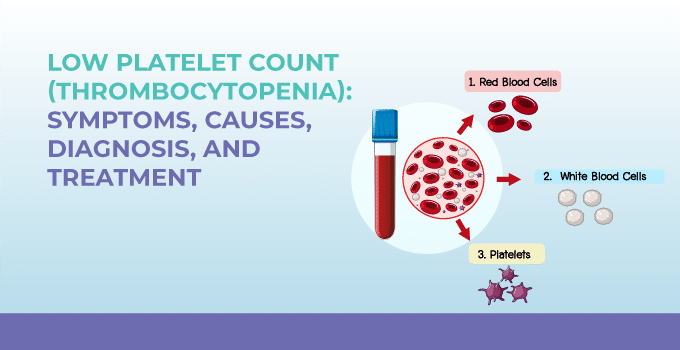
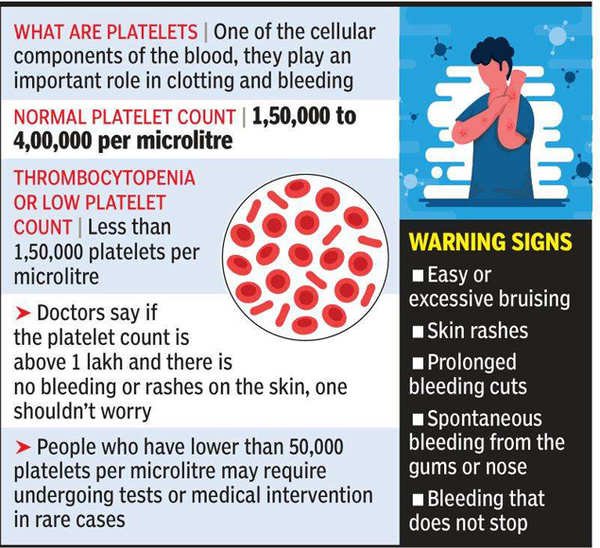
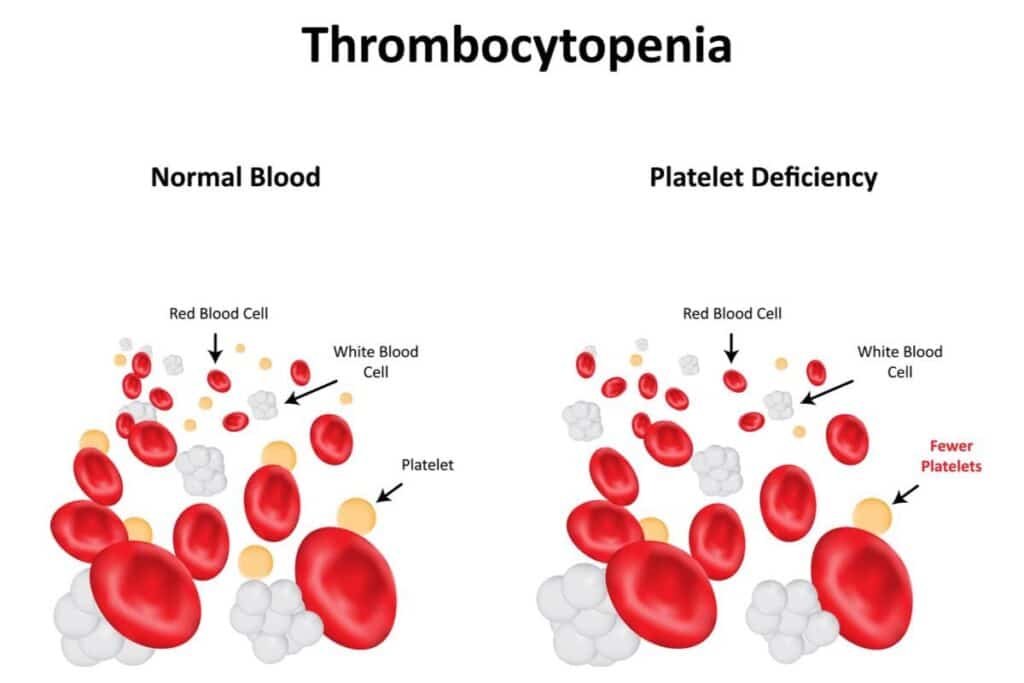
Having low blood platelets, medically known as thrombocytopenia, can be a concerning condition that may be related to various underlying medical conditions. Platelets are the cells in our blood that help with blood clotting, and when their count drops below normal levels, it can lead to difficulties in clotting and an increased risk of bleeding. In this article, we will explore the different medical conditions that can be associated with low blood platelets and understand how they can impact our health.
Thrombocytopenia: Overview and Causes
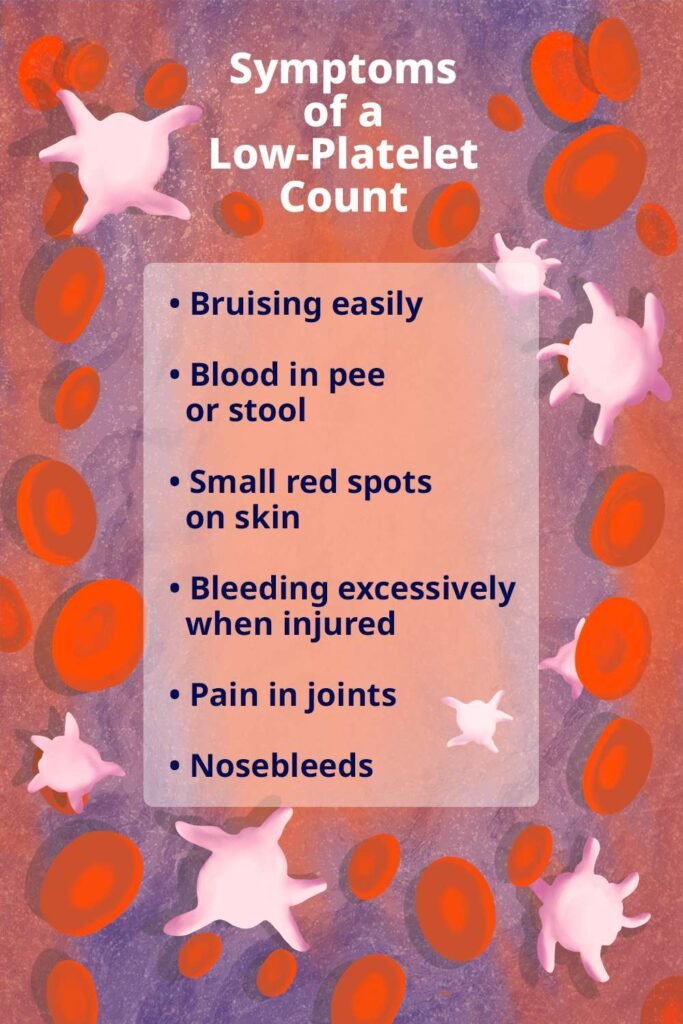
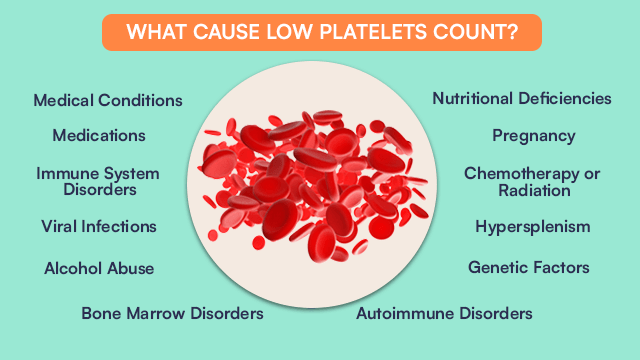
Thrombocytopenia is a condition that occurs when the number of platelets in the blood is lower than normal. This can be caused by a range of factors, including underlying medical conditions, medication use, autoimmune diseases, genetic conditions, viral infections, cancer, and liver or kidney diseases. The symptoms of thrombocytopenia can vary depending on the severity of the condition, but they may include excessive bruising, prolonged bleeding from cuts or injuries, nosebleeds, and tiny red dots on the skin known as petechiae.
Infections and Low Blood Platelets
Certain infections can lead to low blood platelet counts. Viral infections such as dengue fever, Epstein-Barr virus, and HIV have been linked to thrombocytopenia. Bacterial and parasitic infections can also cause a drop in platelet count. It is important to seek medical attention if you suspect an infection and experience symptoms such as fever, fatigue, or unexplained bleeding.
Medications and Low Blood Platelets
Some medications can contribute to the development of thrombocytopenia. Certain antibiotics, anticonvulsants, diuretics, and anti-inflammatory drugs have been associated with low platelet counts. Chemotherapy drugs, used in the treatment of cancer, can also affect platelet production. If you are taking any medications and notice symptoms of thrombocytopenia, it is crucial to consult your healthcare provider for further evaluation.
Autoimmune Diseases and Low Blood Platelets
Autoimmune diseases occur when the body’s immune system mistakenly attacks its own cells and tissues. Conditions such as immune thrombocytopenia purpura (ITP), lupus, and rheumatoid arthritis can lead to a decrease in platelet count. In these cases, the immune system may target and destroy platelets, further affecting blood clotting ability. It is essential for individuals with autoimmune diseases to work closely with their healthcare team to manage their condition effectively.
Genetic Conditions and Low Blood Platelets
Certain genetic conditions can be associated with low platelet counts. One example is a rare inherited disorder called Wiskott-Aldrich syndrome, which affects both platelets and immune system function. Other genetic conditions that may lead to thrombocytopenia include May-Hegglin anomaly and Bernard-Soulier syndrome. Genetic testing and consultation with a genetic specialist can help identify these conditions and guide appropriate management strategies.
Viral Infections and Low Blood Platelets
As mentioned earlier, viral infections can cause thrombocytopenia. It is important to highlight specific viruses that have shown a link to this condition. Dengue fever, a mosquito-borne viral infection prevalent in tropical and subtropical regions, can result in a significant decrease in platelet count. Similarly, the Epstein-Barr virus, which causes infectious mononucleosis (commonly known as mono), has been associated with thrombocytopenia. It is crucial to take necessary precautions and seek medical attention if any concerning symptoms arise after a viral infection.
Cancer and Low Blood Platelets
Cancer and leukemia, in particular, can affect platelet production and lead to thrombocytopenia. The abnormal multiplication and overcrowding of cancer cells can disrupt normal blood cell production, including platelets. Chemotherapy and radiation therapy, common treatments for cancer, can also reduce platelet count as they target rapidly dividing cells. Close monitoring of platelet levels and collaboration with oncologists is crucial to ensure effective management of thrombocytopenia in cancer patients.
Liver and Kidney Diseases: Connection to Low Blood Platelets
Liver and kidney diseases can impact platelet counts due to their crucial role in blood clotting and platelet production. In liver diseases such as cirrhosis, the damaged liver tissue can disrupt the production of proteins necessary for clotting. This can result in decreased platelet count and impaired clotting ability. Similarly, kidney diseases can affect platelet production and lead to thrombocytopenia. Close collaboration between the patient, hepatologists, and nephrologists is necessary to manage platelet-related complications effectively.
Pregnancy and Low Blood Platelets
Low platelet count during pregnancy can be a cause for concern, both for the mother and the baby. Gestational thrombocytopenia is a temporary condition that occurs in some pregnant women, resulting in mild thrombocytopenia during the third trimester. Preeclampsia, a pregnancy-related condition characterized by high blood pressure and organ damage, can also contribute to low platelet count. Regular prenatal care and close monitoring by healthcare professionals are essential to ensure the well-being of both the mother and the baby.
Treatment Options for Low Blood Platelets
The treatment for thrombocytopenia depends on the underlying cause and the severity of the condition. In some cases, addressing and treating the underlying medical condition can help improve platelet counts. Medications, such as corticosteroids and immunosuppressants, may be prescribed to manage autoimmune-related thrombocytopenia. In cases where bleeding risks are high or platelet counts are significantly low, platelet transfusions may be necessary. It is important to discuss treatment options thoroughly with your healthcare provider to determine the most appropriate course of action.
In conclusion, low blood platelet count, or thrombocytopenia, can be a result of various medical conditions. Infections, medications, autoimmune diseases, genetic conditions, viral infections, cancer, liver and kidney diseases, and pregnancy can all contribute to low platelet counts. Proper diagnosis and management are essential to ensure the best outcomes for individuals with thrombocytopenia. If you suspect you have low blood platelets or are experiencing concerning symptoms, it is important to seek medical attention promptly to receive appropriate evaluation and treatment. Remember, timely intervention and collaborating with healthcare professionals can make a significant difference in managing thrombocytopenia effectively and maintaining your overall health and well-being.