
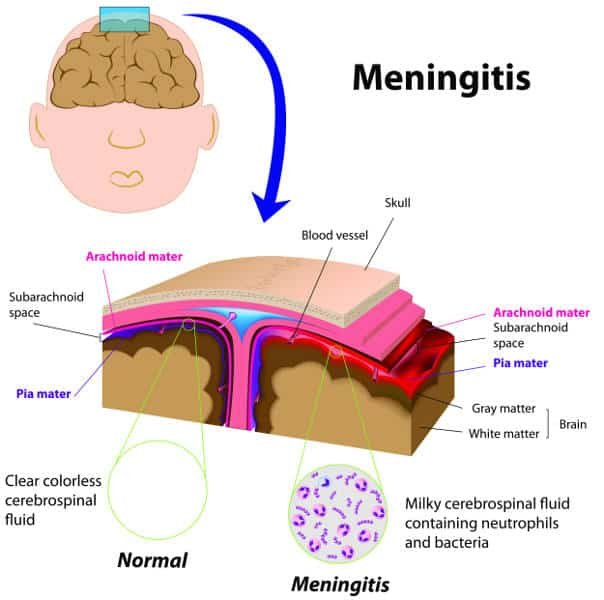
Meningitis can be a difficult and challenging condition to deal with, but you are not alone in your journey towards recovery. In this article, we will explore the ways in which you can find support and implement effective strategies to cope with meningitis. From seeking emotional support from loved ones to understanding the importance of self-care, we will provide you with valuable insights and tips to help you navigate through this experience with strength and resilience. Let’s embark on this journey together and empower ourselves with the knowledge and tools needed to overcome the challenges posed by meningitis. Meningitis is a serious infection that affects the protective membranes surrounding the brain and spinal cord. It can be caused by bacteria, viruses, or fungi, each requiring specific treatment approaches. In order to effectively manage meningitis, a comprehensive treatment plan that addresses various aspects of care is necessary. This article will guide you through the diagnosis and treatment options for different types of meningitis, as well as the supportive care, psychological support, rehabilitation, nutritional support, immune system support, follow-up care, and strategies for returning to daily life. Additionally, it will discuss the importance of education and awareness, as well as family support and advocacy in the context of meningitis.
Diagnosis of Meningitis
Diagnosing meningitis is crucial for initiating prompt and appropriate treatment. When meningitis is suspected, a healthcare professional will perform a thorough physical examination and may order diagnostic tests such as a lumbar puncture, blood tests, imaging scans, or culturing cerebrospinal fluid. These tests help determine the cause of the infection and guide the treatment plan.
Treatment Options for Bacterial Meningitis
Bacterial meningitis is a medical emergency that requires immediate treatment with antibiotics. The specific antibiotic regimen will depend on the type of bacteria identified through laboratory tests. In some severe cases, hospitalization may be necessary to closely monitor the patient and administer antibiotics intravenously. Timely administration of antibiotics is crucial in preventing complications and reducing the risk of permanent damage or death.
Treatment Options for Viral Meningitis
Unlike bacterial meningitis, viral meningitis is typically a self-limiting condition that does not require specific antiviral treatment. Most cases of viral meningitis improve within a week or two with rest, supportive care, and symptomatic treatment. In some cases, antiviral medications may be prescribed if the infection is caused by a specific virus. It is important to manage symptoms such as fever, headache, and muscle aches during the recovery period.
Treatment Options for Fungal Meningitis
Fungal meningitis is a rare but serious form of meningitis that requires long-term treatment with antifungal medications. These medications may be administered through intravenous or oral routes, depending on the severity of the infection. The duration of treatment can vary widely, ranging from weeks to months, and close monitoring is necessary to ensure the effectiveness of the antifungal therapy.
Supportive Care
In addition to specific medical treatments, supportive care is essential in managing meningitis and promoting recovery. This includes various aspects of care such as rest and adequate sleep, fluid and nutrition management, pain management, monitoring vital signs, and isolation and infection control measures.
Rest and Adequate Sleep: Rest is crucial in allowing the body to heal and recover from meningitis. It is important to ensure that you get sufficient sleep and take regular breaks throughout the day to conserve energy and aid in the healing process.
Fluid and Nutrition Management: Adequate hydration and nutrition are vital during the recovery period. It is important to drink plenty of fluids to prevent dehydration and consume a balanced diet that provides the necessary nutrients for healing. In some cases, intravenous fluids or tube feeding may be required if swallowing is difficult.
Pain Management: Meningitis can cause severe headaches and body aches. Over-the-counter pain relievers may be sufficient for mild cases, while stronger medications may be prescribed for more severe pain. It is important to follow the prescribed dosage and consult with healthcare professionals if the pain persists or worsens.
Monitoring Vital Signs: Regular monitoring of vital signs, such as temperature, blood pressure, and heart rate, is crucial in assessing the progress of recovery and identifying any complications that may require medical intervention.
Isolation and Infection Control Measures: Meningitis can be contagious, especially in cases of bacterial or viral meningitis. It is important to follow proper infection control measures, such as frequent handwashing, using tissues or elbows to cover coughs or sneezes, and avoiding close contact with others until cleared by healthcare professionals.
Psychological Support
Recovering from meningitis can be physically and emotionally challenging. Psychological support plays a vital role in helping patients and their caregivers cope with the emotional distress and challenges that may arise during the recovery process. This includes counseling and therapy, building a support network, coping strategies for emotional distress, and educating patients and caregivers about meningitis.
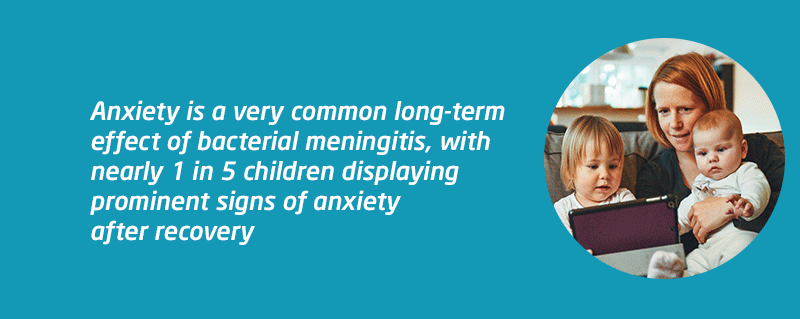
Counseling and Therapy: Professional counseling and therapy can provide a safe space for individuals to express their feelings, fears, and concerns related to their experience with meningitis. Mental health professionals can help patients develop coping strategies and provide guidance for managing anxiety, depression, or post-traumatic stress disorder that may arise as a result of the illness.
Building a Support Network: Having a strong support network is crucial for individuals recovering from meningitis. This may include family, friends, support groups, or online communities where individuals can share their experiences and find understanding and encouragement.
Coping Strategies for Emotional Distress: It is common for individuals to experience a range of emotions, including fear, sadness, or frustration, during the recovery process. Engaging in activities such as journaling, practicing relaxation techniques, or pursuing hobbies can help individuals manage their emotional distress and promote a sense of well-being.
Educating Patients and Caregivers about Meningitis: Increasing awareness and understanding about meningitis among patients and caregivers is essential for effectively managing the condition. Providing educational resources, such as brochures or online materials, can help individuals better understand the nature of meningitis, its treatment options, and strategies for recovery.
Rehabilitation and Physical Therapy
Meningitis can cause various neurological complications that may affect mobility, strength, and daily activities. Rehabilitation and physical therapy can play a crucial role in helping individuals regain their independence and functionality. Some of the rehabilitation approaches include limited mobility and strength training, occupational therapy for daily activities, and speech and language therapy.
Limited Mobility and Strength Training: Depending on the severity of the neurological complications, individuals may require physical therapy to regain their mobility and strength. This may involve exercises, stretches, or other therapeutic techniques designed to improve muscle tone, balance, and coordination.
Occupational Therapy for Daily Activities: Occupational therapy focuses on helping individuals regain the ability to perform activities of daily living, such as dressing, eating, or bathing. Occupational therapists may recommend adaptive devices or modifications to the home environment to facilitate independence and enhance the quality of life.
Speech and Language Therapy: Meningitis can sometimes affect speech and language function. Speech and language therapy can help individuals regain their communication skills and address any swallowing difficulties that may arise during the recovery process.
Nutritional Support
Proper nutrition is vital during the recovery period to support the healing process and prevent complications. Nutritional support may involve dietary modifications, supplemental nutrition, and monitoring nutritional status.
Dietary Modifications: Depending on individual needs and symptoms, dietary modifications may be recommended to aid in the recovery process. This may include consuming a well-balanced diet that is rich in fruits, vegetables, whole grains, and lean proteins. Avoiding foods that may exacerbate symptoms, such as spicy or acidic foods, can also be beneficial.
Supplemental Nutrition: In cases where individuals are unable to meet their nutritional needs through diet alone, supplemental nutrition may be necessary. This may involve the use of meal replacements, liquid nutrition, or tube feeding to ensure adequate intake of calories, protein, vitamins, and minerals.
Monitoring Nutritional Status: Regular monitoring of nutritional status is important to ensure that individuals are receiving adequate nutrition and to identify any deficiencies or imbalances that may require intervention. This may involve regular assessments of weight, body composition, and blood tests to evaluate nutrient levels.
Supporting the Immune System
Maintaining a healthy immune system is crucial in preventing and managing meningitis. Strategies for supporting the immune system include vaccination, proper hygiene and sanitation practices, and adopting a healthy lifestyle.
Vaccination: Vaccination is a key preventive measure against certain types of bacterial and viral meningitis. It is important to ensure that you and your family are up-to-date with recommended vaccinations, including those for meningococcal and pneumococcal bacteria.
Proper Hygiene and Sanitation Practices: Practicing good hygiene, such as frequent handwashing with soap and water, can help reduce the risk of infection. It is important to avoid close contact with individuals who are ill, especially during flu seasons, and to maintain a clean and hygienic living environment.
Healthy Lifestyle Choices: Engaging in a healthy lifestyle can support overall immune system function. This includes adopting a balanced diet, engaging in regular physical activity, getting sufficient sleep, managing stress levels, and avoiding smoking and excessive alcohol consumption.
Follow-Up Care
Follow-up care is essential in monitoring the progress of recovery, managing potential complications, and ensuring medication adherence. Regular medical check-ups, monitoring complications, and medication adherence are important aspects of follow-up care.
Regular Medical Check-ups: Regular medical check-ups allow healthcare professionals to assess the progress of recovery and identify any ongoing issues or complications that may require intervention. This may involve physical examinations, laboratory tests, imaging scans, or other diagnostic procedures to evaluate the overall health and well-being of the individual.
Monitoring Complications: Meningitis can sometimes lead to long-term complications such as hearing loss, cognitive impairment, or seizures. Close monitoring of these potential complications allows for early intervention and appropriate management strategies to minimize their impact on daily life.
Medication Adherence: Some individuals may require long-term medication management, particularly in cases of fungal meningitis. Adhering to the prescribed medication regimen is crucial in preventing relapse and ensuring effective treatment. It is important to follow the recommended dosage instructions and consult with healthcare professionals if there are any concerns or difficulties with medication adherence.
Returning to Daily Life
Returning to daily life after recovering from meningitis may require some adjustments and gradual resumption of normal activities. Managing fatigue and physical challenges, as well as psychological readjustment, are important aspects of this process.
Gradual Resumption of Normal Activities: It is important to gradually increase activity levels and workload to avoid overexertion and fatigue. Start by engaging in light physical activities or part-time work and gradually progress as tolerated.
Managing Fatigue and Physical Challenges: Fatigue is a common symptom experienced during recovery from meningitis. It is important to prioritize rest, conserve energy, and engage in activities that promote relaxation and well-being. Listening to your body and pacing yourself can help manage fatigue and physical challenges effectively.
Psychological Readjustment: Recovering from meningitis may involve adjusting to the emotional and psychological impact of the illness. Seek support from healthcare professionals, friends, and family as you navigate through the readjustment process. Engaging in activities that promote emotional well-being, such as hobbies, mindfulness exercises, or meditation, can also be beneficial.
Education and Awareness
Education and awareness play a crucial role in preventing meningitis, recognizing early symptoms, and implementing appropriate preventive measures. Public health campaigns, recognizing early symptoms of meningitis, and prevention strategies are important aspects of education and awareness.
Public Health Campaigns: Public health campaigns aim to raise awareness about meningitis and its prevention. These campaigns may include informational materials, advertisements, and community outreach programs that educate the public about the causes, symptoms, and preventive measures to reduce the risk of meningitis.
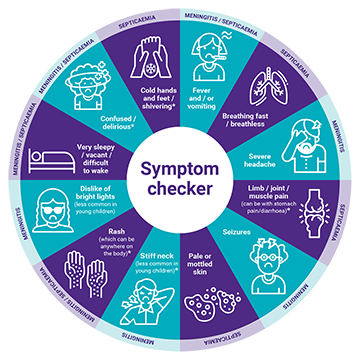
Recognizing Early Symptoms of Meningitis: Recognizing the early symptoms of meningitis is crucial in seeking prompt medical attention. Symptoms may include severe headache, neck stiffness, fever, sensitivity to light, nausea, vomiting, or altered mental status. Understanding these symptoms and seeking immediate medical attention can lead to early diagnosis and treatment, potentially preventing complications.
Prevention Strategies: Preventive strategies for meningitis include vaccination, proper hygiene and sanitation practices, and avoiding close contact with individuals who are ill. Education about these prevention strategies is important in reducing the incidence of meningitis and its associated complications.
Family Support and Advocacy
Meningitis can have a significant impact on the families of individuals affected by the illness. Providing support to the family of meningitis patients and advocating for meningitis awareness and research are important aspects of family support and advocacy.
Supporting the Family of Meningitis Patients: Families of individuals affected by meningitis may require emotional and practical support. Listening to their concerns, providing reassurance, and connecting them with relevant resources or support groups can help families navigate through the challenges associated with meningitis.
Advocating for Meningitis Awareness and Research: Advocacy plays a crucial role in raising awareness about meningitis, promoting research efforts, and ensuring that individuals affected by meningitis have access to appropriate care and support. This may involve participating in advocacy campaigns, contributing to fundraising efforts, or sharing personal experiences to raise awareness about the impact of meningitis and the importance of prevention and treatment strategies.
In conclusion, meningitis requires a comprehensive treatment approach that includes specific medical treatments, supportive care, psychological support, rehabilitation, nutritional support, immune system support, follow-up care, strategies for returning to daily life, education and awareness, as well as family support and advocacy. By addressing these various aspects, individuals can effectively manage meningitis, promote recovery, and minimize the impact of the illness on their overall well-being. With proper medical care, emotional support, and a focus on preventive measures, the journey towards healing and returning to a fulfilling life after meningitis can be achieved.