
Hey there! If you’ve ever dealt with the discomfort and annoyance of mouth ulcers, then this article is for you. We’ve put together some handy tips and tricks to help you prevent those pesky ulcers from making an unwelcome appearance in your mouth. So, keep reading to discover some easy and effective ways to keep those painful sores at bay. Trust us, your mouth will thank you!
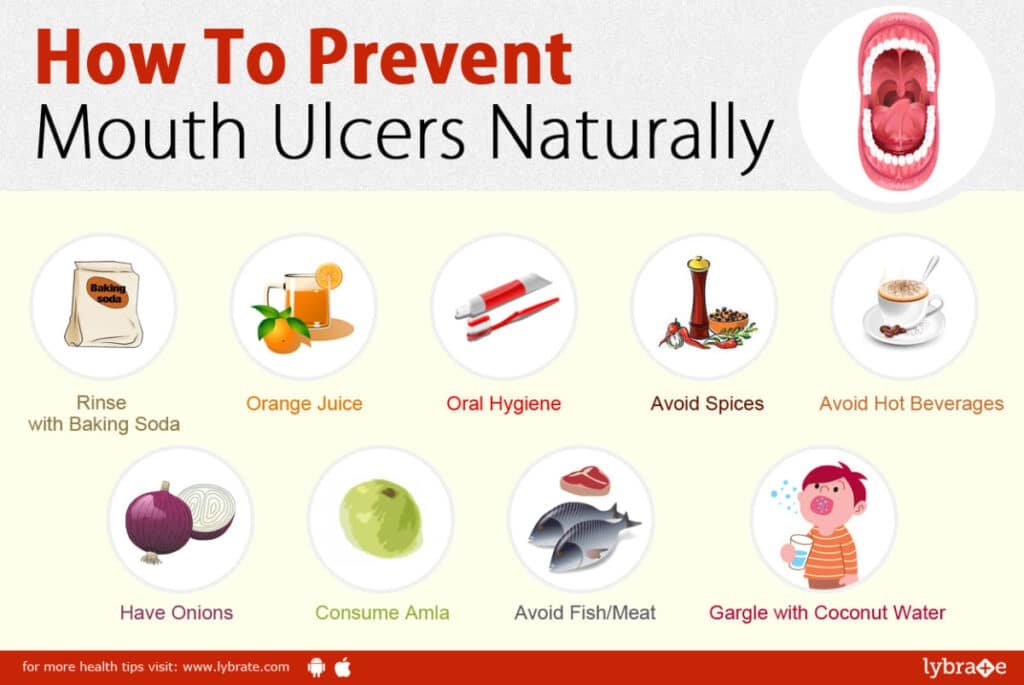
Causes of Mouth Ulcers
Mouth ulcers, also known as canker sores, can be caused by various factors. Understanding the causes can help in preventing and managing these painful sores effectively. Here are some common causes of mouth ulcers:
Stress
Stress is a significant factor that can contribute to the development of mouth ulcers. When you are under stress, your immune system weakens, making you more susceptible to oral health issues. Additionally, stress can lead to behaviors like teeth grinding or biting on the inside of your cheeks, which can trigger the formation of ulcers.
Injury
Accidental injury to the soft tissues inside your mouth, such as biting your tongue or cheek, can cause mouth ulcers to form. Brushing your teeth too vigorously or using a toothbrush with hard bristles can also lead to minor injuries and subsequent ulcers.
Poor Oral Hygiene
Maintaining good oral hygiene is vital for overall oral health. Neglecting proper oral care, such as inadequate brushing and flossing, can create an environment where bacteria thrive. This can irritate the soft tissues in your mouth, resulting in the development of ulcers.
Genetics
Some individuals may have a genetic predisposition to developing mouth ulcers. If you have a family history of recurrent ulcers, you may be more prone to experiencing them yourself. While genetic factors alone may not cause ulcers, they can increase your susceptibility to triggers like stress or injury.
Hormonal Changes
Hormonal changes, particularly in women, can contribute to the occurrence of mouth ulcers. Fluctuations in hormone levels during menstruation, pregnancy, or menopause can make the oral tissues more sensitive, increasing the likelihood of developing ulcers.
Symptoms of Mouth Ulcers
Identifying the symptoms of mouth ulcers can help you seek appropriate treatment and relief. Although the specific symptoms may vary from person to person, here are some common signs to look out for:
Pain and Discomfort
Mouth ulcers are often accompanied by pain or discomfort. The severity of the pain can range from mild irritation to intense soreness, making it challenging to eat, drink, or even speak comfortably.
Redness and Swelling
The area surrounding the ulcer may appear red and swollen. Inflammation is a natural response of the body to an injury or infection, and it can contribute to the discomfort experienced with mouth ulcers.
White or Yellowish Appearance
Mouth ulcers typically have a white or yellowish appearance with a reddish border. This visual characteristic helps differentiate ulcers from other oral conditions and aids in their diagnosis.

Diagnosing Mouth Ulcers
While most mouth ulcers heal on their own within one to two weeks, it is essential to consult a healthcare professional if you experience persistent or recurring ulcers. To diagnose the underlying cause of the ulcers, the following methods may be employed:
Physical Examination
During a physical examination, your doctor or dentist will inspect the inside of your mouth to observe the appearance of the ulcers and assess their severity. They may also examine your tongue, throat, and other oral structures for any additional signs of inflammation or infection.
Medical History
Providing a detailed medical history can assist in identifying potential triggers for mouth ulcers. Be prepared to answer questions about your oral hygiene routine, recent illnesses, medication use, and any stressful events in your life.
Biopsy
In some cases, if the ulcers are particularly large or do not heal within a reasonable time frame, a biopsy may be recommended. A small tissue sample is taken from the ulcer for examination in a laboratory, helping to rule out more serious underlying conditions, such as oral cancer.
Blood Tests
Blood tests may be conducted to check for any deficiencies or infections that could contribute to the development of mouth ulcers. Nutrient deficiencies, such as iron or vitamin B12 deficiency, can make you more prone to ulcers.
Prevention Tips for Mouth Ulcers
Preventing mouth ulcers primarily involves adopting healthy habits and making certain lifestyle changes. Here are some tips to help you reduce the occurrence of mouth ulcers:
Maintain Good Oral Hygiene
Practicing proper oral hygiene is crucial for keeping your mouth healthy. Brush your teeth twice a day using a soft-bristle toothbrush and fluoride toothpaste. Floss daily to remove plaque and food debris from between your teeth. Additionally, visit your dentist regularly for check-ups and professional cleanings.
Avoid Spicy and Acidic Foods
Spicy and acidic foods can irritate the delicate tissues in your mouth, triggering the formation of ulcers. Pay attention to your diet and try to limit or avoid consuming foods that are overly spicy or highly acidic, such as citrus fruits, tomatoes, and vinegar.
Avoid Tobacco and Alcohol
Tobacco and alcohol use can have detrimental effects on oral health. Both can irritate the tissues in your mouth and increase the risk of developing ulcers. Quitting smoking and minimizing alcohol consumption can significantly reduce your susceptibility to mouth ulcers.
Manage Stress Levels
Since stress is a known trigger for mouth ulcers, it is important to find effective ways to manage stress. Engage in stress-reducing activities like exercise, meditation, or hobbies that you enjoy. Seek support from friends, family, or a therapist if you feel overwhelmed.
Protect Your Mouth from Injury
Taking precautions to prevent injuries to your mouth can help avoid the development of ulcers. Be mindful while eating or chewing so as not to accidentally bite your tongue or cheeks. If you participate in sports or other potentially injury-prone activities, consider wearing a mouthguard to protect your oral tissues.

Home Remedies for Mouth Ulcers
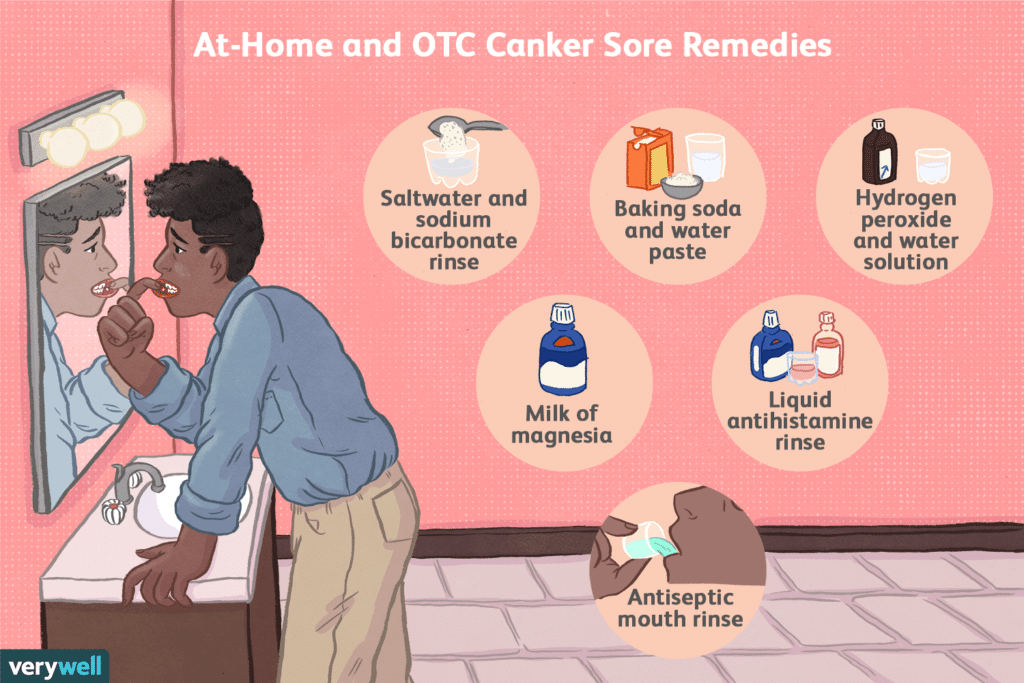
In addition to preventive measures, there are several home remedies that can provide relief and promote healing if you develop a mouth ulcer. While these remedies may not cure the ulcers entirely, they can alleviate symptoms and expedite the healing process. Here are some popular home remedies:
Rinsing with Saltwater
Saltwater rinses have been used for centuries as a natural remedy for various oral health issues, including mouth ulcers. Dissolve half a teaspoon of salt in a cup of warm water and swish the solution around your mouth for about 30 seconds before spitting it out. Repeat this a few times a day to soothe the ulcers and keep the area clean.
Applying Honey or Coconut Oil
Both honey and coconut oil possess antimicrobial and anti-inflammatory properties, which can aid in the healing process of mouth ulcers. Dab a small amount of honey or coconut oil onto the ulcer using a cotton swab. Leave it on for a few minutes before rinsing your mouth with water. Repeat this treatment a few times daily.
Using Aloe Vera Gel
Aloe vera has soothing and healing properties that can provide relief to mouth ulcers. Apply a small amount of pure aloe vera gel directly onto the ulcer and leave it on for a few minutes. Rinse your mouth with water afterward. Repeat this process several times a day to promote healing and reduce discomfort.
Using Over-the-Counter Oral Gels or Ointments
There are various over-the-counter oral gels or ointments specifically formulated to relieve the pain and discomfort of mouth ulcers. These products often contain ingredients like benzocaine or lidocaine, which act as topical analgesics. Follow the instructions on the packaging for proper usage and consult a healthcare professional if your symptoms persist.
Medical Treatments for Mouth Ulcers
If home remedies and preventive measures do not provide sufficient relief, medical interventions may be necessary. Depending on the severity and underlying cause of the ulcers, your healthcare provider may recommend the following treatments:
Topical Corticosteroids
Topical corticosteroids are commonly prescribed to reduce inflammation and alleviate pain associated with mouth ulcers. These medications come in the form of mouth rinses, gels, or ointments. Follow your healthcare provider’s instructions for application to ensure maximum effectiveness.
Antibiotics
If a bacterial infection is suspected as the cause of your mouth ulcers, antibiotics may be prescribed. Antibiotics help eliminate the bacteria responsible for the infection, allowing the ulcers to heal. It is essential to take the prescribed antibiotics as directed and complete the full course, even if your symptoms improve.
Antiviral Medications
In some cases, mouth ulcers may be caused by a viral infection, such as herpes simplex virus (HSV) infection. Antiviral medications can help manage viral outbreaks, reduce the duration of symptoms, and prevent recurrent ulcers. Consult your healthcare provider for an accurate diagnosis and appropriate antiviral treatment.
Oral Analgesics
For severe pain associated with mouth ulcers, oral analgesics may be recommended. These medications, such as nonsteroidal anti-inflammatory drugs (NSAIDs), can help alleviate pain and reduce inflammation. It is important to follow the recommended dosage and consult a healthcare professional if you have any underlying medical conditions or are taking other medications.
When to Seek Medical Care
While most mouth ulcers heal within two weeks without complications, certain situations warrant seeking medical care. Contact your healthcare provider if you experience the following:
Persistent or Recurrent Ulcers
If you frequently develop mouth ulcers that do not go away or return frequently, it is essential to consult a healthcare professional. They can investigate any underlying causes and provide appropriate treatment to manage the condition effectively.
Ulcers Accompanied by Severe Pain or Fever
If your mouth ulcers are exceptionally painful or accompanied by a high fever, it is crucial to seek medical attention. These symptoms may suggest an underlying infection or more severe condition that requires professional evaluation and treatment.
Ulcers That Do Not Heal Within Two Weeks
While most ulcers heal within two weeks, any ulcers that do not show signs of improvement by this timeframe should be evaluated by a healthcare professional. Delayed healing may be indicative of an underlying condition that requires medical intervention.
Preventing Mouth Ulcers in Children
Children can be prone to developing mouth ulcers as their immune systems and oral hygiene habits are still developing. To prevent mouth ulcers in children, consider the following tips:
Encourage Good Oral Hygiene
Teaching children proper oral hygiene from a young age is crucial. Help them establish a routine of brushing their teeth at least twice a day using a fluoride toothpaste and a soft-bristle toothbrush. Show them how to floss their teeth properly, and consider using age-appropriate oral hygiene products, such as toothpaste with appealing flavors for children.
Provide a Balanced Diet
A well-balanced diet is essential for maintaining oral health. Ensure that your child’s diet includes a variety of fruits, vegetables, whole grains, and lean proteins. Avoid excessive consumption of sugary foods and drinks, as they can increase the risk of mouth ulcers.
Avoid Irritants Like Bubblegum or Hard Candies
Bubblegum and hard candies can irritate the delicate tissues in a child’s mouth, leading to the development of ulcers. Monitor your child’s intake of these items and encourage alternative snacks that are less likely to cause irritation, such as fruit or yogurt.

Preventing Mouth Ulcers during Pregnancy
Pregnancy brings about various hormonal changes that can increase the likelihood of mouth ulcers. To prevent or manage mouth ulcers during pregnancy, consider the following tips:
Maintain Good Oral Hygiene
Pregnant women should continue to practice good oral hygiene to keep their mouths healthy. Brush your teeth at least twice a day using a soft-bristle toothbrush and a fluoride toothpaste. Floss daily to remove plaque and debris from between your teeth. Regularly visit your dentist for check-ups and cleanings.
Eat a Balanced Diet
A well-balanced diet is essential for both the health of the mother and the development of the baby. Include a variety of fruits, vegetables, whole grains, and lean proteins in your meals. Adequate nutrition can support your immune system and reduce the risk of developing mouth ulcers.
Manage Stress Levels
Pregnancy can be a stressful time, and managing stress is crucial for overall well-being, including oral health. Engage in relaxation techniques like deep breathing exercises, prenatal yoga, or meditation. Seek support from your partner, family, or friends, or consider joining a pregnancy support group.
Complications of Mouth Ulcers
In most cases, mouth ulcers heal on their own without complications. However, in some situations, complications may arise, and it is important to be aware of them. Here are some potential complications associated with mouth ulcers:
Infection
If mouth ulcers become infected, they may worsen and lead to more severe symptoms. Signs of infection may include increased pain, swelling, redness, or the presence of pus. If you suspect an infection, seek medical attention promptly for appropriate treatment.
Difficulty Eating and Speaking
Large or particularly painful mouth ulcers can make it difficult to eat and speak comfortably. This can lead to inadequate nutrition and hinder daily functioning. Seeking treatment for the ulcers can alleviate the difficulties and enable a quicker return to normal activities.
Psychological Impact
Severe or recurrent mouth ulcers can have a psychological impact, leading to increased stress, anxiety, or reduced self-esteem. The discomfort and appearance of ulcers may affect daily interactions and overall well-being. If you experience psychological distress due to mouth ulcers, consider seeking emotional support from a healthcare professional or counselor.
By understanding the causes, symptoms, preventive measures, and treatment options for mouth ulcers, you can effectively manage this common oral condition. Remember to maintain good oral hygiene, adopt healthy habits, and seek professional advice when needed. With proper care, you can minimize the occurrence of mouth ulcers and promote your overall oral health and well-being.