
Are you concerned about the rising cases of mouth cancer and how it can impact your overall health? This article aims to provide you with valuable insights and effective strategies to prevent mouth cancer. By understanding the causes, risk factors, and adopting healthy habits, you can take control of your oral health and reduce the likelihood of developing this potentially life-threatening disease. Read on to discover practical tips and resources that will empower you to protect yourself and your loved ones from the dangers of mouth cancer.
Risk Factors for Mouth Cancer
Tobacco Use
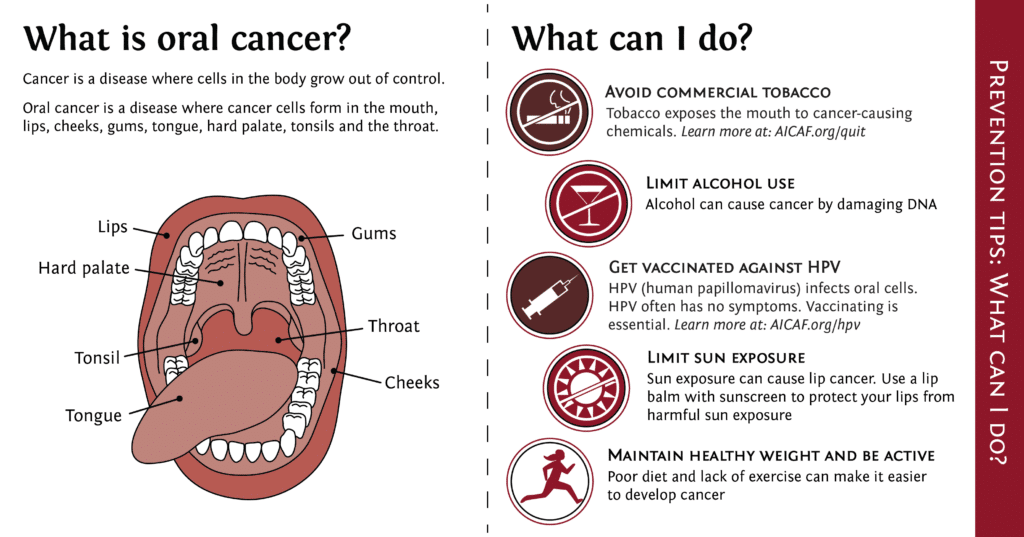
Tobacco use is one of the most significant risk factors for developing mouth cancer. Whether it is smoking cigarettes, cigars, or pipes, or using smokeless tobacco products like chew and snuff, all forms of tobacco increase your chances of developing oral cancer. The harmful chemicals in tobacco products damage the cells in the mouth and can lead to the development of cancerous tumors.
Alcohol Consumption
Excessive alcohol consumption is another major risk factor for mouth cancer. Alcohol, especially when combined with tobacco use, significantly increases the risk. The exact mechanism by which alcohol increases the likelihood of developing oral cancer is not fully understood, but heavy drinking can irritate the cells lining the mouth and throat, leading to potential DNA damage and the formation of cancer cells.
Sun Exposure
Prolonged and unprotected exposure to the sun’s ultraviolet (UV) rays can increase the risk of developing mouth cancer. Lips are particularly vulnerable to the harmful effects of the sun, and excessive sun exposure without protection can lead to the development of cancerous lesions on the lips. Using sunscreen or lip balms with SPF, wearing hats, and seeking shade during peak sun hours can help reduce the risk.
HPV Infection
Human papillomavirus (HPV) infection is a significant risk factor for mouth cancer. HPV is a sexually transmitted infection, and certain strains of the virus, particularly HPV16, are known to increase the risk of developing oral cancer. Practicing safe sexual practices and getting vaccinated against HPV can significantly reduce the risk of acquiring the infection and subsequently developing mouth cancer.
Poor Oral Hygiene
Maintaining good oral hygiene is crucial not only for overall oral health but also for reducing the risk of mouth cancer. Poor oral hygiene can lead to chronic inflammation and irritation of the gums, which can potentially progress to oral cancer. Regular brushing, flossing, and dental check-ups are essential in preventing oral diseases and minimizing the risk of mouth cancer.
Age and Gender
Advancing age is a risk factor for many types of cancer, including mouth cancer. The risk of developing oral cancer increases with age, with most cases being diagnosed in individuals over the age of 40. Additionally, men are more prone to developing mouth cancer than women. However, it is important to note that mouth cancer can affect people of all ages and genders, so awareness and preventive measures should be taken by everyone.
Family History
Having a close relative, such as a parent or sibling, who has had mouth cancer increases the risk of developing the disease. Genetic factors may play a role in the development of oral cancer, so individuals with a family history of the disease should be particularly vigilant in adopting preventive lifestyle choices and regular oral screenings.
Nutrition and Diet
A healthy diet plays a vital role in preventing mouth cancer. Consuming a variety of fruits and vegetables, especially those rich in antioxidants, can help protect against cellular damage and reduce the risk of cancer. Whole grains, omega-3 fatty acids, and limiting the intake of processed and red meats are also recommended. Additionally, maintaining proper hydration and avoiding sugary and acidic foods can contribute to overall oral health and reduce the risk of mouth cancer.
Occupational Hazards
Certain occupations or work environments may expose individuals to carcinogens that can increase the risk of mouth cancer. Examples include exposure to asbestos, formaldehyde, and wood dust. It is important for those working in high-risk industries to take necessary precautions, such as wearing personal protective equipment and following safety guidelines, to minimize the risk of developing oral cancer.
Weakened Immune System
Individuals with a weakened immune system are at a higher risk of developing mouth cancer. Conditions such as HIV/AIDS, organ transplant recipients on immunosuppressive drugs, and those undergoing chemotherapy or radiation therapy have compromised immune systems that make them more susceptible to infections, including HPV infection, which can lead to oral cancer. Maintaining a healthy immune system through a balanced diet, regular exercise, and stress management is crucial in reducing the risk.
Signs and Symptoms of Mouth Cancer
Oral Ulcers
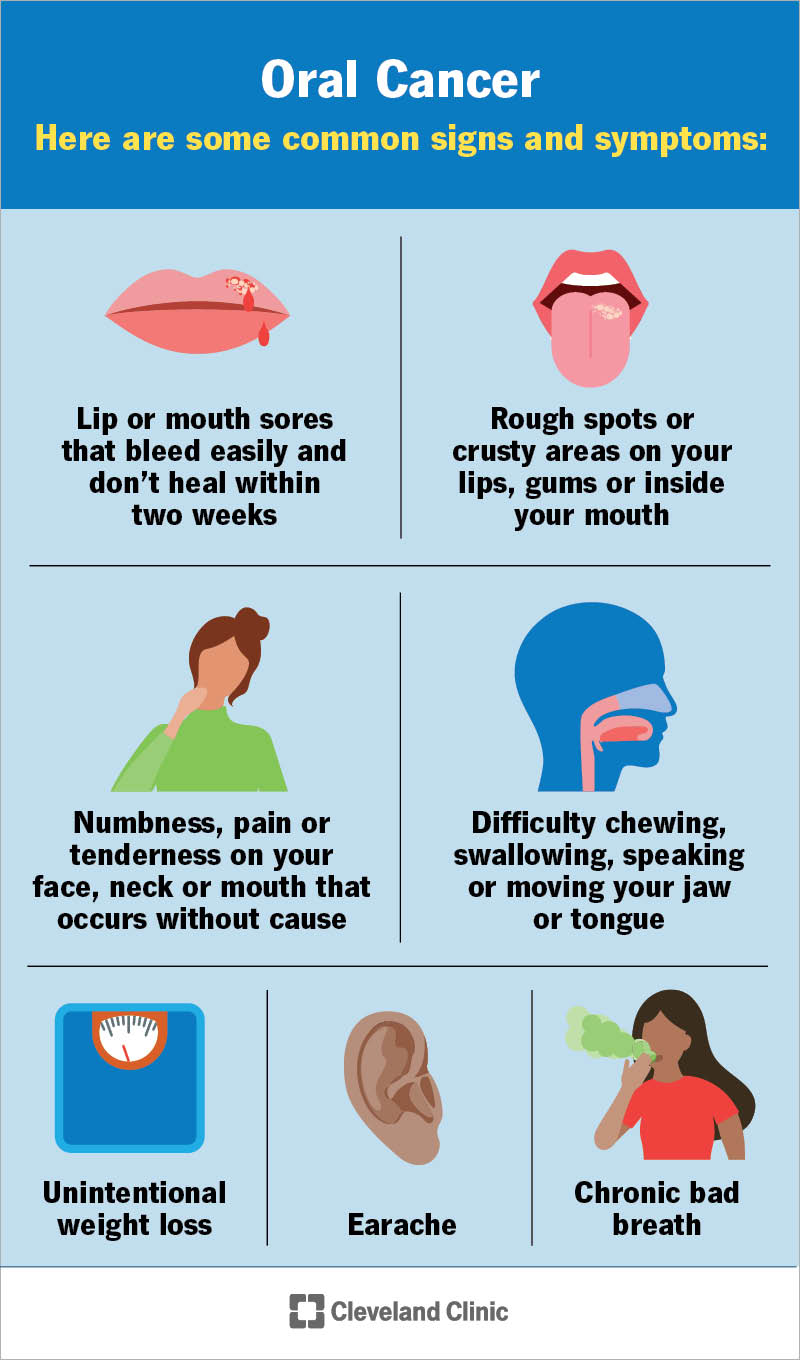
One of the common signs of mouth cancer is the presence of oral ulcers that do not heal within a few weeks. These ulcers may be painful, and they can develop anywhere inside the mouth, including the tongue, lips, gums, and cheeks.
Persistent Mouth Pain
Continuous or persistent pain in the mouth that does not have an identifiable cause should be a cause for concern. Unexplained discomfort, tenderness, or a burning sensation in the mouth can be an indicative symptom of mouth cancer.
Unexplained Bleeding
Bleeding in the mouth that occurs without any apparent cause or persists even after an injury or trauma should not be ignored. Unexplained bleeding may be a sign of mouth cancer, especially if it is accompanied by other symptoms.
Difficulty Swallowing
If you experience difficulty in swallowing or feel like something is stuck in your throat, it could be a symptom of mouth cancer. Cancerous tumors in the mouth or throat can obstruct the passage and make swallowing uncomfortable or painful.
Prolonged Sore Throat
A sore throat that lasts for an extended period without any signs of improvement can be an indication of underlying mouth cancer. If you have a persistent sore throat that does not respond to normal treatments, it is important to seek medical attention.
Swollen Jaw
A swelling or lump in the jaw area, especially if it is painless and does not subside over time, can be a red flag for mouth cancer. The presence of a lump should never be ignored and should be evaluated by a healthcare professional.
Changes in Speech
Mouth cancer can alter the way you speak. If you notice changes in your speech, such as a lisp or difficulty in pronouncing certain words, it could be a result of the growth or spread of cancer in the mouth or throat.
Numbness and Loss of Sensation
Numbness or loss of sensation in the mouth, lips, or tongue can be a symptom of mouth cancer. The presence of a tumor or nerve involvement can cause sensory changes in these areas.
Sudden Weight Loss
Unexplained and significant weight loss that occurs quickly without any changes in diet or physical activity can be a warning sign of mouth cancer. Rapid weight loss can be a result of cancer-related metabolic changes.
Enlarged Lymph Nodes
Enlarged lymph nodes in the neck or under the chin can be a sign that mouth cancer has spread to the surrounding lymph nodes. If you notice any persistent swelling, it is important to have it evaluated by a healthcare professional.
Diagnostics and Screening
Oral Examination
A thorough oral examination is the first step in diagnosing mouth cancer. During an oral examination, a dentist or healthcare professional will inspect the mouth, tongue, lips, gums, and throat for any abnormalities, including suspicious lesions or lumps.
Biopsy
If any suspicious areas are found during the oral examination, a biopsy may be recommended. A biopsy involves taking a small sample of tissue from the suspected area and sending it to a laboratory for analysis. The results of the biopsy can confirm the presence of cancerous cells and help determine the type and stage of the cancer.
Imaging Tests
Imaging tests, such as X-rays, CT scans, and MRI scans, may be conducted to determine the extent of the cancer and whether it has spread to other areas of the body. These tests provide detailed images of the mouth, throat, and surrounding tissues.
Blood Tests
Blood tests are not used to diagnose mouth cancer directly. However, they can help assess overall health and identify any abnormalities or markers that may indicate the presence of cancer or indicate the need for further investigation.
Salivary Diagnostics
Emerging technologies in salivary diagnostics are being developed to aid in the early detection of mouth cancer. Saliva samples can be analyzed for biomarkers and genetic changes that may indicate the presence of cancer cells or a higher risk of developing cancer.
Screening Programs
Some countries have established screening programs for mouth cancer, where individuals at high risk are routinely checked for signs of the disease. These programs aim to promote early detection and improve the chances of successful treatment.
Regular Dental Check-ups
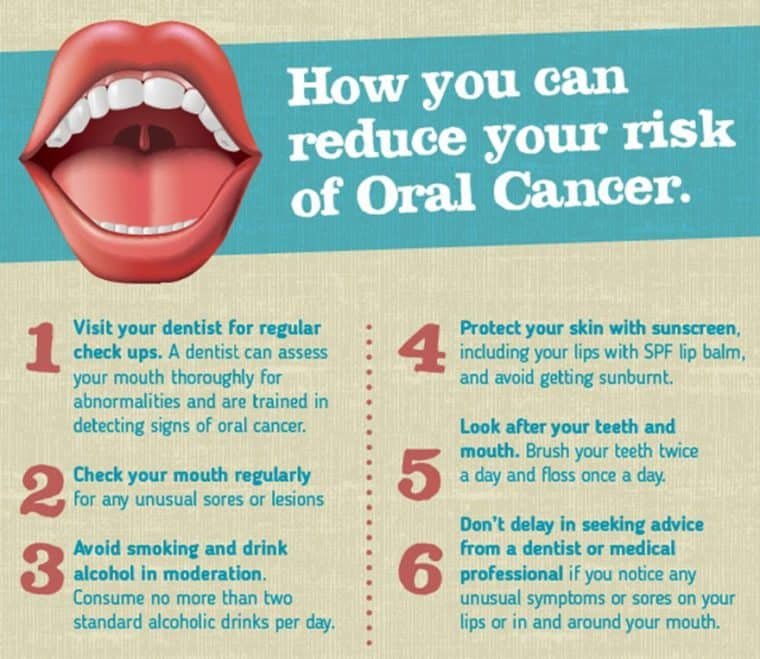
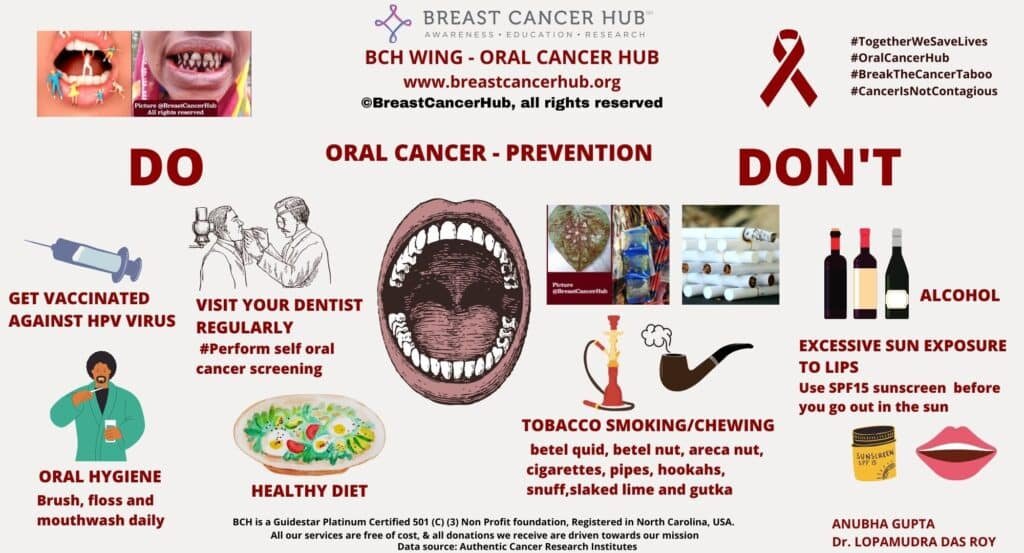
Regular dental check-ups are an important part of oral health maintenance and can help in the early detection of mouth cancer. Dentists are trained to identify signs and symptoms of oral diseases, including mouth cancer, during routine examinations.
Self-Examination
Performing regular self-examinations can help in the early detection of mouth cancer. By becoming familiar with the normal appearance and feel of the mouth and regularly checking for any changes, you can increase the chances of detecting any abnormalities early on and seek medical attention promptly if needed.
Preventing Mouth Cancer through Lifestyle Choices
Quit Smoking and Tobacco Use
If you are a smoker or use any form of tobacco, quitting is the most important step you can take to reduce your risk of developing mouth cancer. Seek support from healthcare professionals or smoking cessation programs to help you quit successfully.
Reduce Alcohol Consumption
To minimize your risk of mouth cancer, it is important to consume alcohol in moderation or, ideally, avoid it altogether. If you choose to drink alcohol, limit your intake and be aware of the recommended guidelines for low-risk drinking.
Protect against Sun Exposure
Protecting your lips from prolonged and unprotected sun exposure can significantly reduce the risk of developing lip cancer. Apply sunscreen or lip balm with SPF, wear hats, and seek shade during peak hours to shield your lips from harmful UV rays.
Practice Good Oral Hygiene
Maintaining good oral hygiene is essential in preventing oral diseases, including mouth cancer. Brush your teeth at least twice a day, floss regularly, and use mouthwash to remove bacteria and maintain a healthy mouth.
Safe Sexual Practices
Practicing safe sexual practices, such as using barrier methods like condoms and dental dams, can help reduce the risk of acquiring sexually transmitted infections, including HPV, which is a significant risk factor for mouth cancer.
Maintain a Healthy Diet
A balanced and nutritious diet plays a crucial role in reducing the risk of mouth cancer. Consume a variety of fruits and vegetables, especially those rich in antioxidants, and limit the intake of processed and red meats.
Regular Exercise
Engaging in regular physical activity has numerous health benefits, including reducing the risk of certain cancers, including mouth cancer. Aim for at least 150 minutes of moderate-intensity aerobic exercise or 75 minutes of vigorous-intensity exercise per week.
Manage Stress Levels
Chronic stress can weaken the immune system and increase the risk of various diseases, including cancer. Find healthy coping mechanisms to manage stress, such as exercise, meditation, or engaging in hobbies.
Avoid Carcinogens at Work
If you work in an industry that exposes you to potential carcinogens, follow safety guidelines and use personal protective equipment to minimize exposure. If you have concerns about potential occupational hazards, discuss them with your employer or occupational health department.
Screening and Early Detection
Importance of Early Detection
Early detection of mouth cancer is crucial for successful treatment and improved survival rates. Detecting cancer at an early stage allows for more conservative treatment options and better outcomes.
Regular Oral Cancer Screenings
Regular oral cancer screenings by a dentist or healthcare professional are essential for early detection. During these screenings, the dentist will examine your mouth, tongue, and throat for any abnormalities or signs of cancer.
Self-Examination Techniques
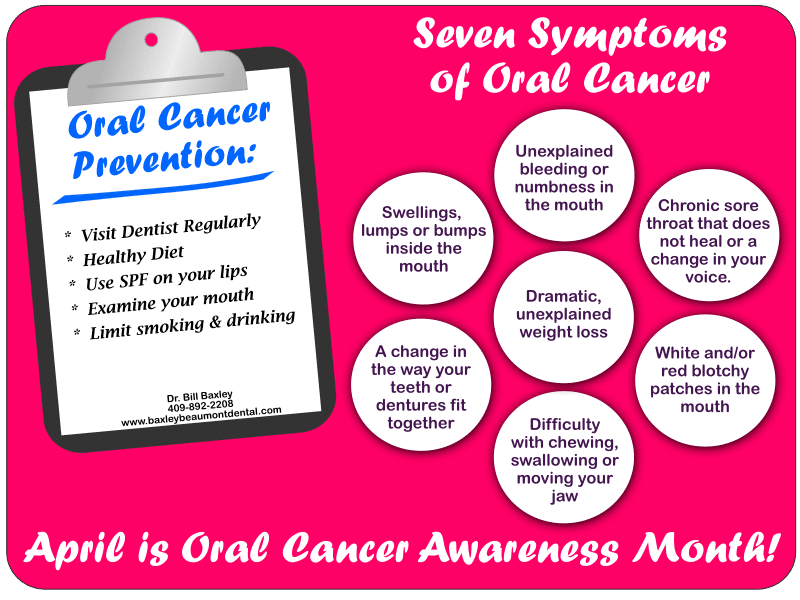
Performing regular self-examinations at home can help you become familiar with the normal appearance of your mouth and increase the chances of detecting any changes or abnormalities. Use a mirror and check all areas of your mouth, including your lips, gums, tongue, and cheeks.
Seek Medical Attention for Suspicious Symptoms
If you notice any signs or symptoms of mouth cancer, such as persistent mouth ulcers, difficulty swallowing, or unexplained bleeding, it is important to seek medical attention promptly. Early diagnosis and treatment can greatly impact the outcome.
Educate Others about Mouth Cancer
Spread awareness about the risk factors, signs, and symptoms of mouth cancer to your friends, family, and community. By educating others, you can help increase early detection rates and promote preventive measures.
Vaccination against HPV Infection
HPV and Mouth Cancer
Certain strains of the human papillomavirus (HPV), particularly HPV16, are linked to an increased risk of developing mouth cancer. Getting vaccinated against HPV can significantly reduce the risk of acquiring the virus and subsequently developing oral cancer.
Benefits of HPV Vaccination
HPV vaccination offers multiple benefits, including protecting against certain strains of the virus that can cause mouth cancer. Vaccination can also prevent other HPV-related cancers, such as cervical, vaginal, and anal cancer.
Age and Gender Recommendations
HPV vaccination is recommended for both males and females. The optimal age for vaccination is between 11 and 12 years old, but it can be given up to the age of 26 for males and 45 for females. Vaccination at a younger age provides the highest level of protection.
Vaccination Process and Safety
HPV vaccination involves receiving a series of shots over a specified period. The vaccine is safe and effective, with minimal side effects. Speak to your healthcare provider about the vaccination schedule and any questions or concerns you may have.
Educational Campaigns on HPV Vaccination
Join and support educational campaigns and initiatives aimed at promoting HPV vaccination. By raising awareness about the benefits and safety of HPV vaccination, we can work towards reducing the incidence of HPV-related mouth cancer and other diseases.
Oral Hygiene Practices for Mouth Cancer Prevention
Brushing Techniques
Proper brushing techniques are essential for maintaining good oral health and preventing mouth cancer. Use a soft-bristled toothbrush and brush your teeth at a 45-degree angle in small, circular motions. Be sure to brush all surfaces of your teeth, including the gumline.
Flossing and Interdental Cleaning
Flossing and cleaning between your teeth with interdental brushes or dental floss removes food particles and plaque from areas that a toothbrush cannot reach. Include flossing or interdental cleaning as part of your daily oral hygiene routine.
Mouthwash Use
Using mouthwash can help kill bacteria and freshen your breath. Look for mouthwashes that are alcohol-free and contain fluoride, which can help prevent tooth decay. Use mouthwash as directed and do not swallow it.
Tongue Cleaning
The tongue can harbor bacteria and contribute to bad breath. Use a tongue scraper or soft-bristled toothbrush to gently clean your tongue every day as part of your oral hygiene routine.
Regular Dental Check-ups
Regular dental check-ups are crucial for maintaining good oral health and preventing mouth cancer. Dentists can identify any early signs of oral diseases, including mouth cancer, and provide appropriate treatment or refer you to a specialist if needed.
Importance of a Healthy Mouth
A healthy mouth is the foundation for overall well-being. By practicing good oral hygiene, you can reduce the risk of oral diseases, including mouth cancer, and maintain a healthy mouth and body.
Nutrition and Diet for Mouth Cancer Prevention
Fruits and Vegetables
Consuming a variety of fruits and vegetables provides essential vitamins, minerals, and antioxidants that can help protect against cellular damage and reduce the risk of mouth cancer. Aim to include a rainbow of colors in your diet.
Antioxidant-rich Foods
Antioxidants play a crucial role in neutralizing harmful free radicals and preventing cellular damage. Include foods rich in antioxidants, such as berries, leafy greens, tomatoes, and citrus fruits, in your diet.
Whole Grains
Whole grains, such as whole wheat, brown rice, and oats, are rich in fiber, vitamins, and minerals. They provide essential nutrients that support overall health and reduce the risk of various cancers, including mouth cancer.
Omega-3 Fatty Acids
Omega-3 fatty acids have anti-inflammatory properties and are beneficial for overall health. Include sources of omega-3 fatty acids, such as fatty fish (salmon, sardines), flaxseeds, and walnuts, in your diet.
Limiting Processed and Red Meats
Processed and red meats have been linked to an increased risk of various cancers, including mouth cancer. Limit your consumption of these meats and opt for lean protein sources, such as poultry, fish, legumes, and tofu.
Avoiding Sugary and Acidic Foods
Frequent consumption of sugary and acidic foods and beverages can increase the risk of tooth decay and gum disease, which can potentially lead to mouth cancer. Limit your intake of these foods and practice good oral hygiene.
Adequate Hydration
Proper hydration is essential for maintaining oral health. Drinking an adequate amount of water helps flush away food particles, boost saliva production, and keep the mouth moisturized, reducing the risk of oral diseases.
The Role of Supplements
While a balanced diet is the best way to obtain essential nutrients, supplements may be beneficial in certain cases. Consult with your healthcare provider or a registered dietitian before starting any supplements to ensure their safety and effectiveness.
The Role of Dentists in Mouth Cancer Prevention
Oral Examination and Early Detection
Dentists play a crucial role in the early detection of mouth cancer through routine oral examinations. They are trained to identify suspicious lesions, provide timely referrals for further evaluation, and recommend appropriate treatment and management options.
Patient Education and Counseling
Dentists have the opportunity to educate their patients about the risk factors and preventive measures for mouth cancer. They can provide information on lifestyle choices, oral hygiene practices, and the importance of regular oral cancer screenings to promote early detection and prevention.
Referrals for Biopsies and Treatment
If a suspicious lesion is found during an oral examination, dentists can refer patients for further evaluation, including biopsies, to confirm the diagnosis. They can also collaborate with oral surgeons or oncologists to ensure timely and appropriate treatment.
Collaboration with Oncologists and Specialists
Dentists often work closely with oncologists and other healthcare specialists involved in the treatment of mouth cancer. This collaborative approach ensures comprehensive and coordinated care for patients, from diagnosis to rehabilitation.
Monitoring High-Risk Patients
Dentists can play a crucial role in monitoring patients at high risk of developing mouth cancer, such as individuals with a history of oral cancer, severe chronic oral diseases, or a family history of the disease. Regular check-ups and screenings help in the early detection of any suspicious changes.
Supporting Rehabilitation after Treatment
After treatment for mouth cancer, patients may require dental rehabilitation to restore oral function and appearance. Dentists can provide necessary support, such as fitting prosthetics, addressing dental issues resulting from treatment, and offering ongoing oral health care.
Raising Awareness and Educating Communities
National Mouth Cancer Awareness Campaigns
National mouth cancer awareness campaigns are instrumental in raising awareness about the risk factors, signs, and symptoms of mouth cancer. These campaigns aim to educate the general public and encourage individuals to adopt preventive measures.
Promoting Oral Health Education
Public health initiatives and educational programs that focus on promoting oral health can help prevent oral diseases, including mouth cancer. By providing information on proper oral hygiene practices, risk factors, and the importance of regular screenings, individuals can make informed decisions about their oral health.
Targeted Outreach to High-Risk Populations
It is important to conduct targeted outreach programs to high-risk populations, such as individuals with a history of tobacco or alcohol use, HPV infection, or occupational exposure to carcinogens. These programs can provide tailored education and resources to empower individuals with the knowledge needed to reduce their risk of mouth cancer.
Collaboration with Schools and Universities
Partnering with educational institutions can help in reaching young individuals and promoting healthy lifestyle choices. By incorporating oral health education into curriculum or organizing awareness events, schools and universities can play a critical role in preventing mouth cancer.
Resolving Myths and Stigma
Addressing myths and dispelling misconceptions surrounding mouth cancer is crucial to combat stigma and encourage individuals to seek timely medical attention. Educating communities about the facts of mouth cancer can encourage early detection and contribute to better outcomes.
Empowering Survivors and Caregivers
Creating a supportive environment for mouth cancer survivors and their caregivers is essential. Support groups, counseling services, and resources can help individuals navigate the challenges associated with diagnosis, treatment, and survivorship. Empowering survivors and caregivers can inspire others and raise awareness about mouth cancer.