
Mouth cancer is a serious condition that affects many individuals, and it is important to be aware of the signs and symptoms associated with it. From persistent mouth sores and difficulty swallowing to unexplained weight loss and changes in voice, there are various indicators that could potentially indicate the presence of mouth cancer. By understanding these signs and symptoms, you can seek timely medical attention and increase your chances of successful treatment.
What is Mouth Cancer?
Definition
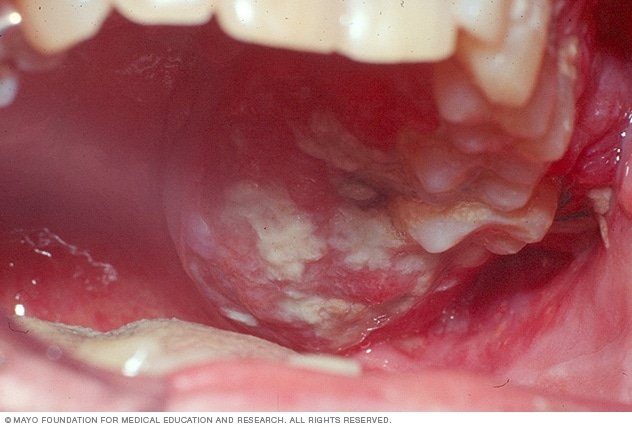
Mouth cancer, also known as oral cancer, is a type of cancer that develops in the tissues of the mouth or throat. It typically begins as a small sore or ulcer that fails to heal and grows into a malignant tumor. Mouth cancer can affect various parts of the oral cavity, including the lips, tongue, gums, cheeks, roof or floor of the mouth, and the back of the throat.
Types of Mouth Cancer
There are several types of mouth cancer, each of which can occur in different areas of the oral cavity. The most common types include:
-
Squamous cell carcinoma: This is the most prevalent type of oral cancer and accounts for the majority of cases. It usually starts in the lining of the mouth or throat and can spread to other parts of the body if not diagnosed and treated early.
-
Verrucous carcinoma: This type of mouth cancer is less aggressive than squamous cell carcinoma and is often associated with long-term tobacco or nicotine use. It typically appears as a wart-like growth and tends to grow slowly.
-
Minor salivary gland carcinomas: These tumors develop in the minor salivary glands, which are located throughout the oral cavity. They can occur in various forms, such as adenoid cystic carcinoma, mucoepidermoid carcinoma, or polymorphous adenocarcinoma.
-
Lymphomas: Although rare, lymphomas can affect the oral cavity, usually originating in the lymphoid tissues present in the mouth or throat.
-
Sarcomas: Mouth sarcomas are a group of rare cancers that develop in the connective tissues, such as muscles, bones, or blood vessels, in the oral cavity.
It is important to note that mouth cancer can manifest in different ways, depending on its type and location within the oral cavity.
Causes and Risk Factors of Mouth Cancer
Tobacco Use
Tobacco use, including smoking and chewing tobacco, is one of the leading causes of mouth cancer. Tobacco contains harmful chemicals that can damage the cells in the mouth and throat, increasing the risk of cancer development. The longer and more frequently tobacco is used, the higher the likelihood of developing mouth cancer.
Alcohol Consumption
Excessive alcohol consumption is strongly associated with an increased risk of mouth cancer. Alcohol can irritate the cells in the mouth, making them more susceptible to cancerous changes. The risk of mouth cancer is particularly heightened when alcohol consumption is combined with tobacco use.
HPV Infection
Certain strains of the human papillomavirus (HPV) have been linked to an increased risk of developing mouth cancer. HPV is a sexually transmitted infection that can affect the mouth and throat through oral-genital contact.
Sun Exposure
Prolonged and unprotected exposure to the sun’s ultraviolet (UV) radiation can raise the risk of lip cancer. The lower lip is particularly vulnerable to the harmful effects of UV radiation, and individuals who work outdoors or participate in outdoor activities without sufficient sun protection are at higher risk.
Age
As with many types of cancer, the risk of developing mouth cancer increases with age. Mouth cancer commonly affects individuals over the age of 40, although it can occur at any age.
Gender
Mouth cancer is more prevalent in men than in women. This may be due to a higher incidence of tobacco and alcohol use among men. However, the gap between genders is gradually narrowing.
Poor Oral Hygiene
Neglecting proper oral hygiene, such as regular brushing, flossing, and dental check-ups, can contribute to the development of oral cancer. Poor oral hygiene may lead to chronic irritation and inflammation of the mouth tissues, increasing the risk of cancerous changes.
Diet
A diet lacking in fruits and vegetables, which are rich in vitamins, minerals, and antioxidants, may increase the risk of mouth cancer. Additionally, a diet high in processed foods, red meat, and unhealthy fats may also contribute to the development of cancer.
Weakened Immune System
Individuals with weakened immune systems, such as those with HIV/AIDS or those who have undergone organ transplantation, have an elevated risk of developing mouth cancer. A compromised immune system is less able to identify and destroy abnormal cells, allowing them to develop into cancerous growths more easily.
Signs and Symptoms of Mouth Cancer
Oral Ulcers
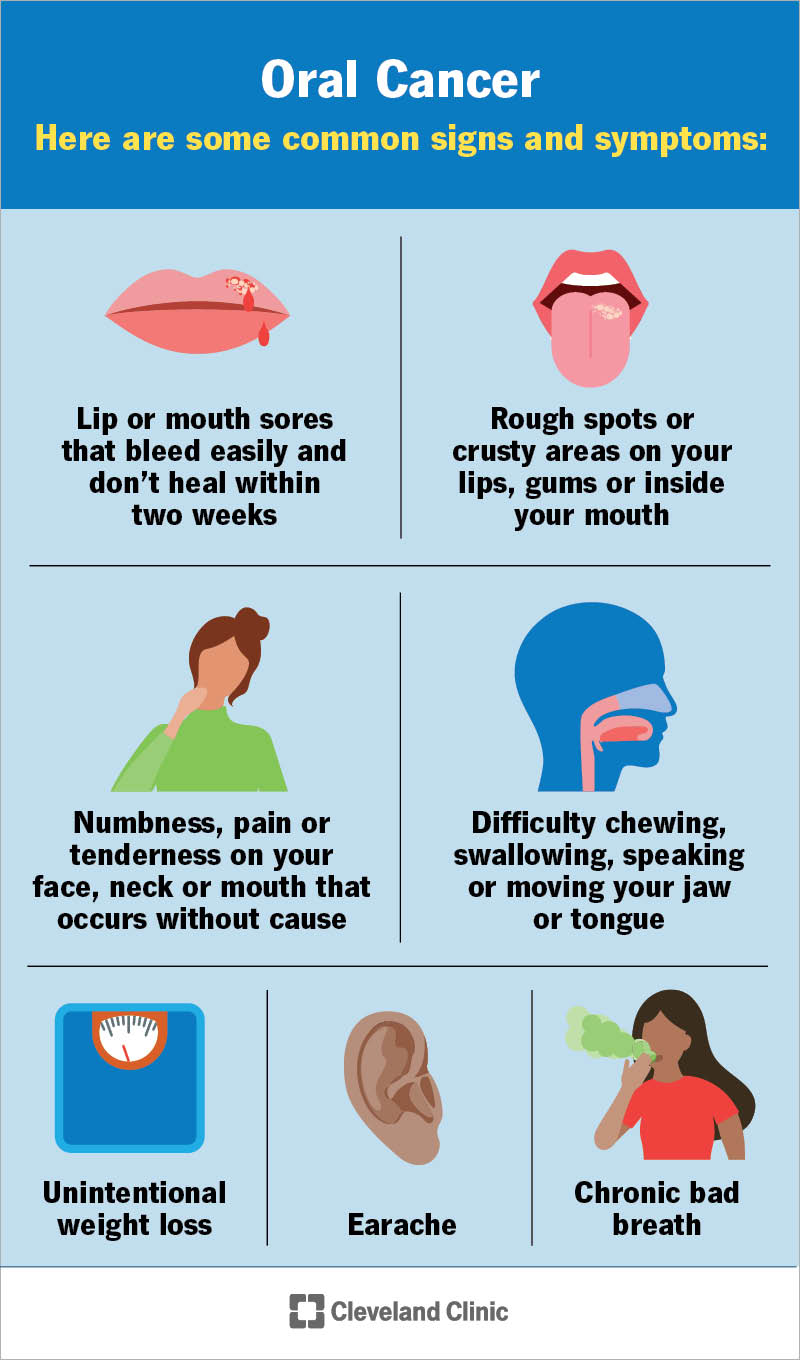
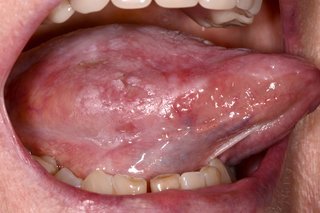
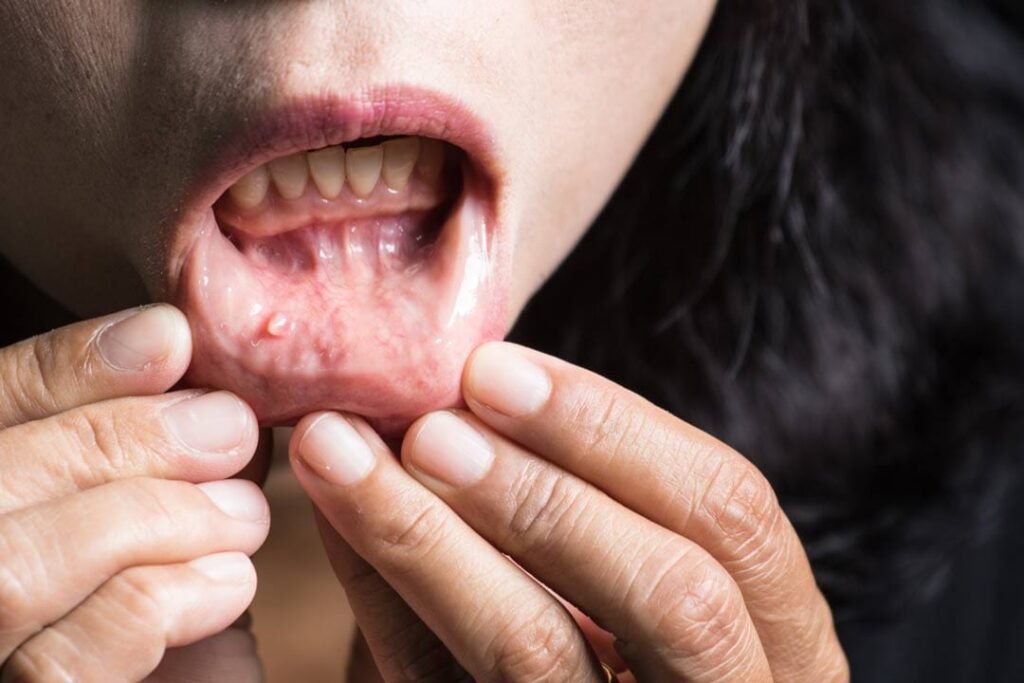
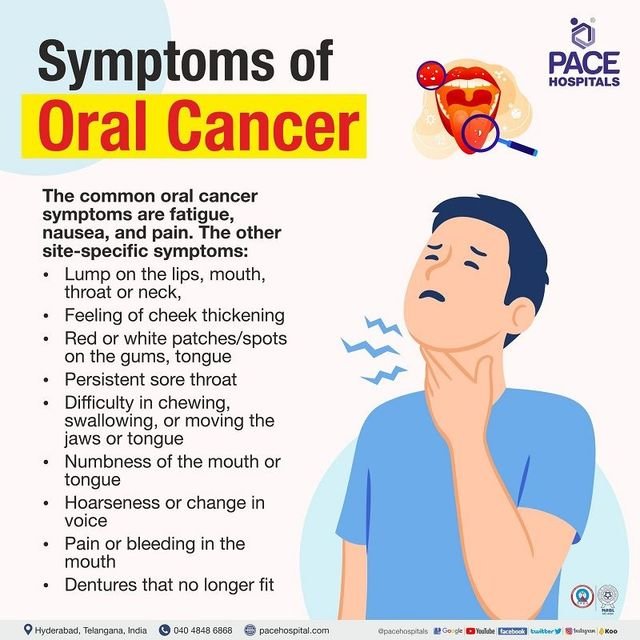
One of the earliest and most common signs of mouth cancer is the presence of persistent oral ulcers. These ulcers may be painful, slow to heal, and often have a raised, irregular edge. They can occur anywhere in the oral cavity, including the lips, tongue, and inside the cheeks.
Persistent Sore Throat
A persistent sore throat that does not respond to conventional treatment, such as antibiotics, may be a symptom of mouth cancer. The throat may feel irritated or scratchy, and there may be discomfort or pain while swallowing.
Difficulty or Painful Swallowing
As mouth cancer progresses, it can cause difficulty or pain while swallowing. This may be accompanied by a feeling of something blocking the throat or chest. Eating solid foods or drinking liquids may become challenging, leading to unintentional weight loss.
Unexplained Bleeding
Bleeding from the mouth without any known cause is a potential warning sign of mouth cancer. The blood may appear in saliva, during brushing, or spontaneously. It is essential to seek medical attention if unexplained bleeding occurs.
Numbness or Tingling
Numbness or tingling in the mouth, tongue, or lips can indicate the presence of mouth cancer. This sensation may persist for an extended period and can affect speech, eating, and drinking.
Lump or Thickening
The development of a lump or thickening in the oral cavity or neck area should not be ignored. These abnormal growths may be painless but gradually increase in size over time.
Change in Voice or Speech
Mouth cancer can affect the vocal cords, leading to changes in voice quality or speech patterns. Hoarseness, a raspy voice, or difficulty pronouncing certain words can be indicative of a serious underlying issue.
Persistent Ear Pain
An inexplicable and persistent pain in the ear, even with no visible signs of infection, may be a symptom of mouth cancer. The pain can be intense and radiate to nearby areas, such as the jaw or throat.
Loose Teeth or Dentures
As mouth cancer progresses, it can affect the integrity of the teeth and supporting tissues. Loose teeth or ill-fitting dentures that do not improve with adjustments may indicate the presence of oral cancer.
Weight Loss
Unintentional or unexplained weight loss is a common symptom in many types of cancer, including mouth cancer. If you notice a significant and unintentional loss of weight without changes in diet or physical activity, it is essential to consult a healthcare professional.
Diagnosis of Mouth Cancer
Medical History and Physical Examination
To diagnose mouth cancer, your healthcare provider will first gather your medical history and discuss any concerning symptoms you may be experiencing. They will then perform a physical examination of your oral cavity, throat, neck, and other relevant areas.
Biopsy
A biopsy is the most definitive way to diagnose mouth cancer. During this procedure, a small sample of the suspicious tissue is taken and examined under a microscope. The biopsy helps determine the presence and type of cancer cells, as well as their aggressiveness.
Imaging Tests
Imaging tests, such as X-rays, CT scans, MRIs, or PET scans, may be conducted to evaluate the extent and spread of mouth cancer. These tests provide detailed images of the affected areas, aiding in the staging of the disease.
Endoscopy
An endoscopy involves the use of a small camera attached to a thin, flexible tube to visualize and assess the inner structures of the oral cavity, throat, and nearby areas. This procedure can help identify the location and extent of the cancer.
Blood Tests
Blood tests may be performed to assess the overall health, liver function, and presence of any specific markers associated with mouth cancer. While blood tests alone cannot diagnose mouth cancer, they provide valuable information as part of an overall diagnostic evaluation.
Stages of Mouth Cancer
Stage 0 (Carcinoma in Situ)
In this stage, the cancer is confined to the surface layer of the oral tissues and has not invaded deeper into the surrounding tissues or spread to nearby lymph nodes or other parts of the body. Carcinoma in situ is considered a precancerous condition, as it has the potential to develop into invasive cancer if left untreated.
Stage I
The cancer is small and limited to the oral cavity, not extending to nearby structures or lymph nodes. In stage I, the tumor measures less than 2 centimeters in diameter.
Stage II
The tumor in stage II is larger than in stage I, typically measuring between 2 to 4 centimeters. It may have spread slightly to nearby structures or lymph nodes but remains localized within the oral cavity.
Stage III
In stage III, the tumor has further grown and may have spread to adjacent tissues or structures. It may also involve one nearby lymph node on the same side of the neck or in the oral cavity.
Stage IV
Stage IV is the most advanced stage of mouth cancer. The tumor is large, has extensively infiltrated nearby structures, and may affect multiple lymph nodes. Stage IV can be further divided into subcategories, such as IVA, IVB, and IVC, depending on the extent of tumor involvement and whether the cancer has spread to distant parts of the body.
Treatment Options for Mouth Cancer
Surgery
Surgery is a common treatment option for mouth cancer. It involves the removal of the cancerous tumor, along with a margin of healthy tissue, to ensure complete excision. Depending on the size and location of the tumor, surgical procedures may include excision, laser surgery, or more extensive operations like mandibulectomy or glossectomy.
Radiation Therapy
Radiation therapy uses high-energy rays to kill cancer cells and shrink tumors. It can be delivered externally (external beam radiation) or through the implantation of radioactive sources inside the body near the tumor (brachytherapy). Radiation therapy may be used before surgery to shrink tumors, after surgery to kill any remaining cancer cells, or as the primary treatment in certain cases.
Chemotherapy
Chemotherapy involves the use of powerful drugs to kill cancer cells or slow their growth. It may be administered orally, intravenously, or directly into the affected area. Chemotherapy can be used in combination with surgery and radiation therapy or as the primary treatment for advanced or recurrent mouth cancer.
Targeted Therapy
Targeted therapy utilizes drugs that specifically target and disrupt the proteins or molecular pathways involved in the growth and survival of cancer cells. This treatment option is often used in cases where the cancer cells have particular genetic mutations or overexpress specific receptors.
Immunotherapy
Immunotherapy is a rapidly evolving treatment approach that harnesses the body’s immune system to fight cancer. It helps stimulate and enhance the immune response against cancer cells, potentially improving treatment outcomes. Immunotherapy is being explored as a promising option in the management of advanced mouth cancer.
Prevention and Lifestyle Changes
Quit Tobacco Use
Quitting tobacco use, whether smoking or chewing, is crucial in reducing the risk of mouth cancer. It is never too late to quit, and doing so can significantly improve your overall health and reduce the chances of developing oral cancer.
Limit Alcohol Consumption
Moderation is key when it comes to alcohol consumption. Limiting the amount of alcohol you drink can help minimize the risk of mouth cancer. It is recommended to adhere to the guidelines provided by healthcare professionals regarding safe alcohol intake.
Practice Safe Sun Exposure
Protecting your lips from direct sunlight by using lip balm with SPF, wearing broad-brimmed hats, or using sunscreen can help lower the risk of lip cancer associated with excessive sun exposure.
Maintain Good Oral Hygiene
Practicing good oral hygiene, including brushing your teeth twice a day, flossing daily, and regularly visiting the dentist, plays a vital role in preventing oral health issues, including mouth cancer. Regular dental check-ups can help identify any early signs of oral cancer.
Have Regular Dental Check-ups
Regular dental check-ups are important for maintaining good oral health and catching any potential issues early on. Your dentist can perform screenings for mouth cancer during routine visits and swiftly refer you to a specialist for further evaluation if necessary.
Eat a Healthy Diet
Consuming a balanced diet that includes plenty of fruits, vegetables, whole grains, and lean proteins can provide the essential nutrients and antioxidants needed for optimal health. A nutritious diet can help boost the immune system and reduce the risk of mouth cancer.
Protect Against HPV Infection
Practicing safe sex and getting vaccinated against high-risk strains of HPV can protect against oral HPV infection, reducing the risk of developing mouth cancer.
Complications and Prognosis of Mouth Cancer
Recurrence of Cancer
Mouth cancer has the potential to recur even after successful treatment. Regular follow-up appointments and surveillance are essential to monitor for any signs of recurrence and ensure early intervention if needed.
Spread of Cancer
If mouth cancer is not diagnosed and treated in its early stages, it can spread beyond the oral cavity to nearby tissues, lymph nodes, or other parts of the body. This can significantly impact treatment options and prognosis.
Speech and Swallowing Difficulties
Depending on the location and extent of the tumor, mouth cancer can affect speech and swallowing. Treatments such as surgery or radiation therapy may cause temporary or permanent alterations in speech patterns and difficulty swallowing.
Emotional and Psychological Impact
A diagnosis of mouth cancer can have a profound emotional and psychological impact on individuals and their loved ones. Support from healthcare professionals, support groups, and counseling services can help address these emotional challenges and provide guidance throughout the treatment journey.
Survival Rate
The survival rate for mouth cancer varies depending on various factors, including the stage of the cancer at the time of diagnosis, the type of treatment received, and individual factors such as overall health and response to treatment. Early detection and timely intervention can greatly improve the chances of successful treatment and long-term survival.
Support and Resources for Mouth Cancer Patients
Support Groups
Support groups can provide a safe and supportive environment for mouth cancer patients and their families to share experiences, receive emotional support, and learn from others who have faced similar challenges. Joining support groups can help individuals cope with the physical, emotional, and practical aspects of combating mouth cancer.
Counseling Services
Counseling services are available to help individuals address the emotional and psychological impact of a mouth cancer diagnosis. Professional counselors can provide guidance, coping strategies, and support throughout the treatment process.
Financial Assistance Programs
Facing mouth cancer and its treatment can be financially burdensome. There are financial assistance programs and resources available that can help alleviate some of the financial strain associated with medical expenses. These programs can provide guidance on insurance coverage, navigate medical bills, or offer financial support to qualifying individuals.
Conclusion
Mouth cancer is a serious health concern that requires early detection and prompt treatment. Understanding the causes, signs, and symptoms of mouth cancer is essential in identifying potential issues and seeking appropriate medical care. By making positive lifestyle choices, attending regular check-ups, and being aware of the potential risk factors, you can take an active role in preventing mouth cancer and promoting oral health. Remember, early detection saves lives, so be vigilant and prioritize your oral health.