Hey, there! We’ve got some important information to share with you about mumps complications. Mumps, as you may already know, is a contagious viral infection that primarily affects the salivary glands, causing swelling and discomfort. But did you know that there can be potential complications associated with this seemingly harmless illness? In this article, we’ll shed light on what you need to know about mumps complications and how to protect yourself and your loved ones. So, let’s jump right in and explore this topic together!
1. Overview of Mumps Complications
1.1 Overview of Mumps
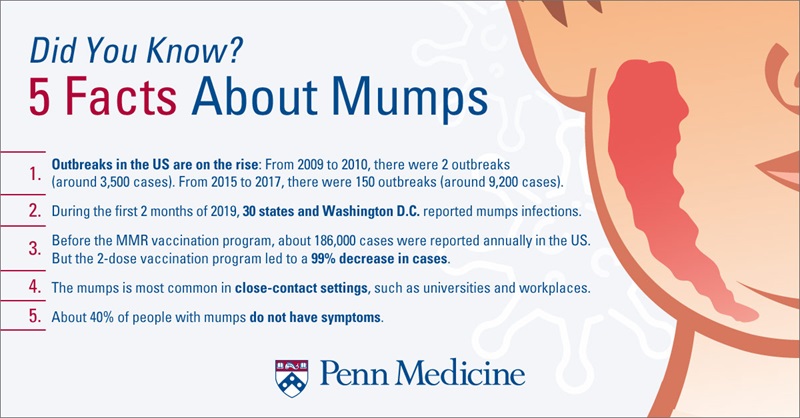
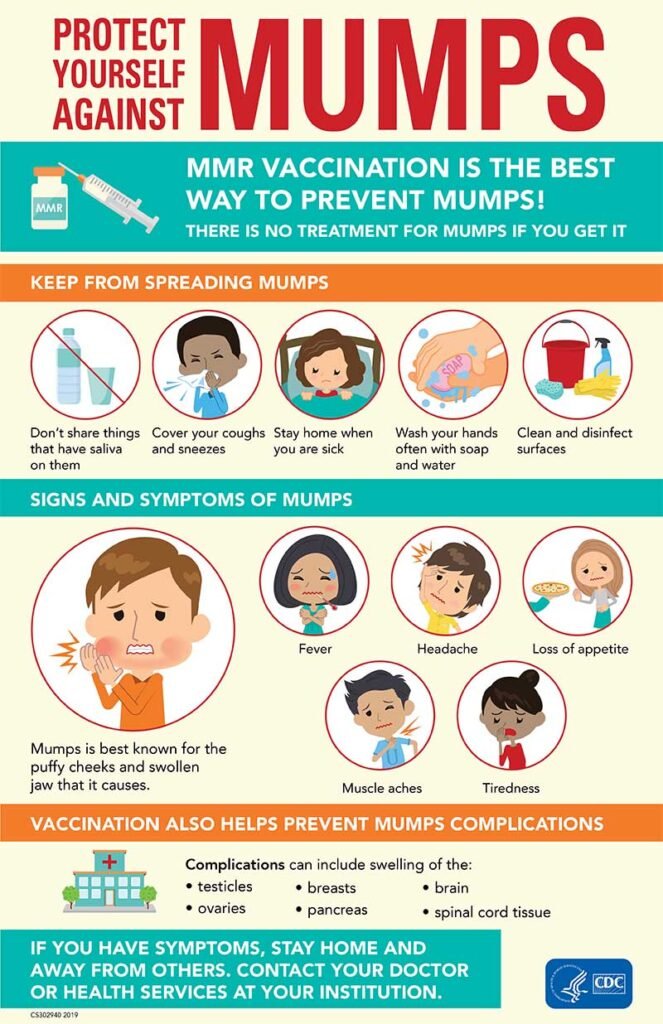
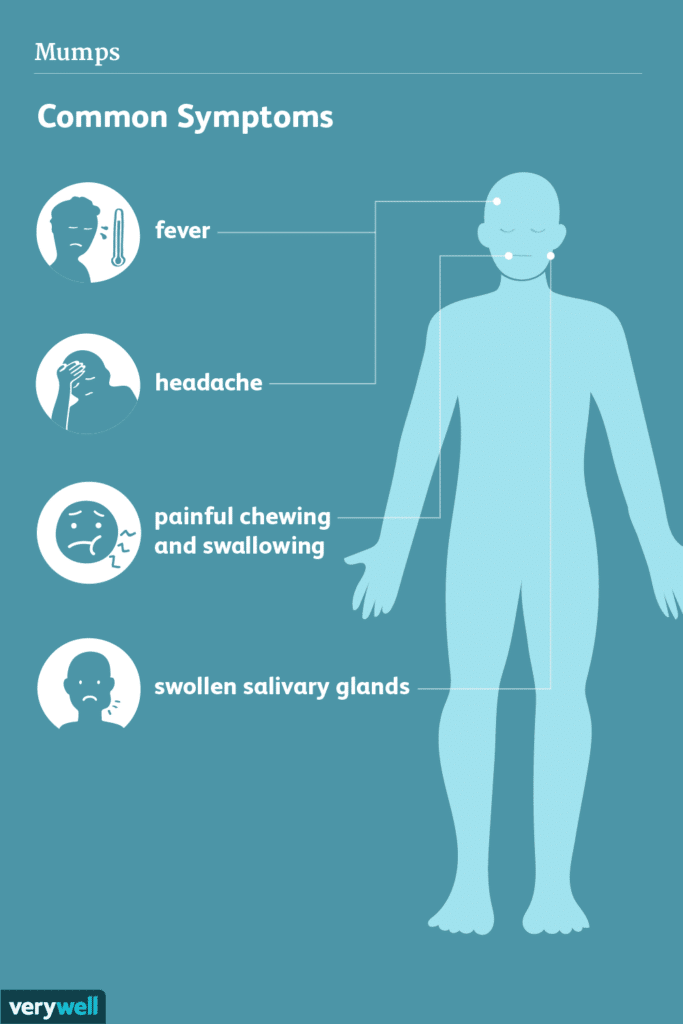
Mumps is a contagious viral infection that primarily affects the salivary glands, causing swelling and tenderness. It is caused by the mumps virus and is transmitted through respiratory droplets, such as when an infected person coughs or sneezes. The infection usually starts with flu-like symptoms, such as fever, headache, muscle aches, and fatigue. However, the most noticeable symptom of mumps is the swelling of one or both parotid glands, which are located on the sides of the face, just below the ear. Mumps is most common in children and adolescents who have not been vaccinated.
1.2 Common Complications of Mumps
While most cases of mumps resolve without any complications, there are certain potential complications that can arise, especially when the infection spreads beyond the salivary glands. These complications can affect various organs and systems in the body, ranging from the reproductive organs to the central nervous system. It is important to be aware of these potential complications and their symptoms in order to seek appropriate medical care and prevent further health issues.
2. Potential Complications of Mumps
2.1 Orchitis
Orchitis is a complication of mumps that affects the testicles in males. It occurs when the mumps virus spreads to the testicles, causing inflammation and swelling. Orchitis can lead to pain, tenderness, and swelling of the testicles, as well as fever and flu-like symptoms. In rare cases, orchitis can result in testicular atrophy or infertility. It is essential to seek medical attention if you or someone you know experiences symptoms of orchitis after mumps infection, as early treatment can help alleviate symptoms and reduce the risk of long-term complications.
2.2 Meningitis
Meningitis is a serious complication that can occur when the mumps virus spreads to the meninges, which are the protective membranes surrounding the brain and spinal cord. Mumps meningitis can cause severe headaches, neck stiffness, sensitivity to light, and fever. Immediate medical attention is crucial if meningitis symptoms develop, as this condition can lead to serious neurological complications if left untreated.
2.3 Encephalitis
Encephalitis is another rare but potentially serious complication of mumps. It refers to the inflammation of the brain tissue and can cause symptoms such as headache, fever, confusion, seizures, and even coma. While uncommon, encephalitis can have long-term effects on cognitive function and may require intensive medical care. Seeking prompt medical attention is vital for a better prognosis.
2.4 Pancreatitis
Pancreatitis, inflammation of the pancreas, can occur as a result of mumps infection. The pancreas plays a crucial role in digestion and the production of insulin. Mumps-related pancreatitis can cause severe abdominal pain, nausea, vomiting, and elevated blood sugar levels. It is important to monitor for these symptoms and consult a healthcare professional for proper management, as untreated pancreatitis can lead to further complications.
2.5 Oophoritis
Oophoritis is a complication specific to females, in which the mumps virus infects the ovaries and causes inflammation. Symptoms of oophoritis may include pelvic pain, fever, and irregular menstrual cycles. If left untreated, oophoritis can lead to infertility or other reproductive health issues. Seeking medical care is essential if symptoms of oophoritis are present.
2.6 Deafness
Mumps can cause sensorineural hearing loss, which can affect one or both ears. The damage to the inner ear can result in permanent hearing loss in some cases. It is important to be aware of the potential for mumps-associated deafness and seek early medical intervention if hearing loss or other auditory symptoms develop.
2.7 Myocarditis
Myocarditis is inflammation of the heart muscle, and while rare, it can occur as a result of mumps infection. Mumps-related myocarditis can cause symptoms such as chest pain, shortness of breath, palpitations, and fatigue. Prompt medical attention is crucial, as untreated myocarditis can lead to heart failure or other serious complications.
2.8 Arthritis
Arthritis, inflammation of the joints, can also be a complication of mumps. It typically affects the joints on both sides of the body, such as the knees, wrists, and ankles. Mumps-related arthritis can cause pain, swelling, stiffness, and reduced range of motion in affected joints. Timely medical intervention can help manage arthritis symptoms effectively.
2.9 Hydrocephalus
In rare cases, mumps can lead to the development of hydrocephalus, a condition characterized by an accumulation of cerebrospinal fluid in the brain. Hydrocephalus can cause symptoms such as headaches, nausea, vomiting, and changes in gait or coordination. Immediate medical attention is necessary to prevent further complications and manage this condition effectively.
2.10 Death
Although rare, mumps can, in some cases, result in fatal outcomes. Mumps-related complications, such as encephalitis or myocarditis, can be life-threatening if left untreated. It is crucial to be aware of the potential seriousness of mumps and the importance of preventive measures and timely medical intervention.
3. Symptoms and Significance of Orchitis
3.1 Definition of Orchitis
Orchitis refers to the inflammation of one or both testicles, usually resulting from an infection such as mumps. When the mumps virus spreads to the testicles, it can cause inflammation and swelling, leading to orchitis.
3.2 Causes and Risk Factors
The most common cause of orchitis is viral infection, with mumps being one of the primary culprits. Other viruses, such as the influenza virus or the Epstein-Barr virus, can also cause orchitis. Risk factors for orchitis include being male, adolescent, and having mumps or other viral infections.
3.3 Symptoms of Orchitis
Symptoms of orchitis may include testicular pain and swelling, tenderness, fever, and flu-like symptoms. The affected testicle may feel firm or hard to the touch. It is important to note that not all individuals with mumps will develop orchitis. However, if orchitis symptoms occur, it is essential to seek medical attention for proper diagnosis and management.
3.4 Complications and Long-Term Effects
In some cases, orchitis can lead to complications such as testicular atrophy, which refers to the shrinking of the testicle due to damage of the testicular tissue. Orchitis can also potentially affect fertility, as it may cause a decrease in sperm production. Prompt medical care can help minimize the risk of complications and long-term effects associated with orchitis.