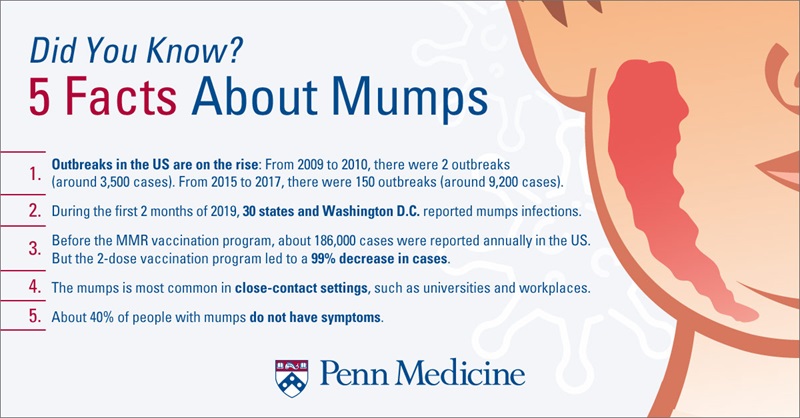
Let’s talk about mumps! This article will provide you with a comprehensive understanding of the causes, symptoms, and treatment options for this viral infection. From what triggers mumps to the signs you should watch out for, we’ve got you covered. By the end of this read, you’ll walk away armed with the knowledge you need to identify and tackle mumps head-on. So, let’s dig into this topic and help you become an expert on all things mumps!
Causes of Mumps
Viral Infection: Mumps Virus
Mumps is primarily caused by a viral infection known as the mumps virus. This virus belongs to the paramyxovirus family and is highly contagious. It spreads easily from person to person through respiratory droplets when an infected individual coughs or sneezes. The mumps virus primarily affects the salivary glands, causing them to become swollen and painful.
Transmission of the Mumps Virus
The transmission of the mumps virus occurs through close contact with an infected individual. This typically happens when an infected person sneezes or coughs, releasing small droplets containing the virus into the air. These droplets can then be inhaled by others nearby, leading to infection. Additionally, the virus can also be transmitted by touching surfaces or objects contaminated with the virus and then touching the mouth, nose, or eyes.
Risk Factors for Contracting Mumps
Certain factors can increase the risk of contracting mumps. These include being unvaccinated or under-vaccinated, living in close quarters such as a dormitory or military barracks, and participating in activities that involve close physical contact with others, such as sports or singing groups. Age is also a significant risk factor, as mumps is more common in children and young adults who may not have received the full course of vaccinations.
Symptoms of Mumps
Swollen Salivary Glands
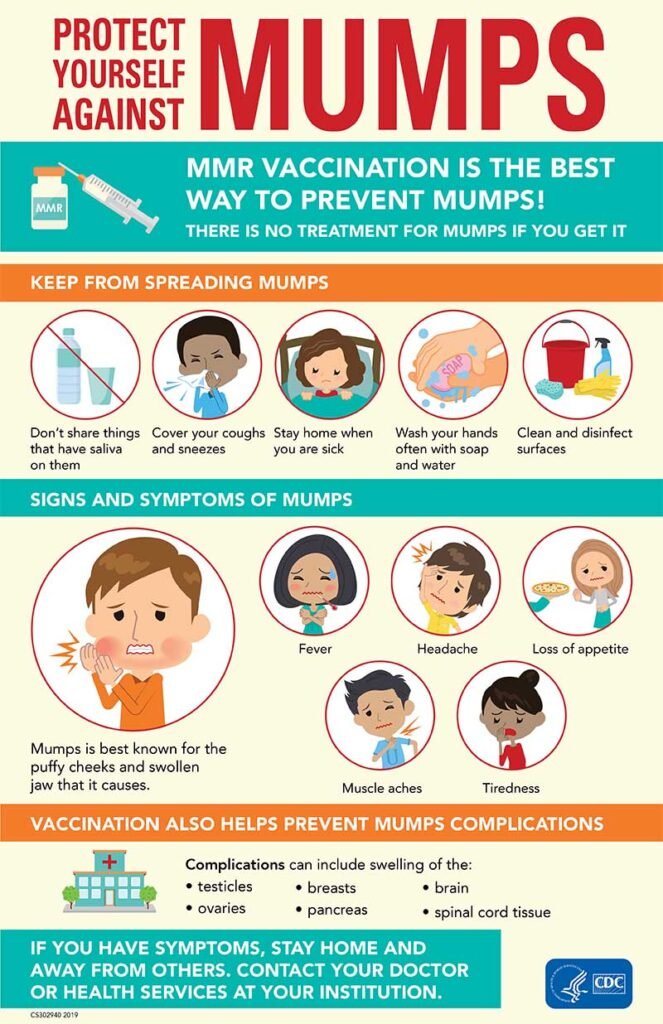
The most common symptom of mumps is swollen salivary glands, particularly the parotid glands located on the sides of the face, just below and in front of the ears. The swelling can cause significant discomfort and pain, making it difficult to eat or speak. The affected area may also feel tender to the touch.
Fever
Fever is another common symptom of mumps. The body’s immune response to the mumps virus can result in an elevated body temperature. The fever may persist for several days.
Headache and Muscle Aches
Headache and muscle aches are often experienced by individuals with mumps. These symptoms can range from mild to severe and can contribute to feelings of overall discomfort and fatigue.
Fatigue
Fatigue is a common symptom that often accompanies viral infections, including mumps. The body’s immune system is working hard to fight off the virus, which can leave you feeling tired and lacking energy.
Loss of Appetite
Many individuals with mumps experience a loss of appetite. The swollen salivary glands can make eating painful and uncomfortable, leading to a decreased desire to eat.
Painful Swallowing
Swollen salivary glands can also lead to painful swallowing, especially when consuming acidic or sour foods that stimulate salivary production. This symptom can contribute to weight loss and dehydration if not managed properly.
Swelling of the Testicles in Males
One of the specific symptoms of mumps in males is the swelling of the testicles, known as orchitis. This condition can cause pain, tenderness, and swelling in one or both testicles. In severe cases, it may even result in fertility issues.
Meningitis or Encephalitis (Rare)
In rare cases, mumps can lead to serious complications such as meningitis or encephalitis. Meningitis is the inflammation of the membranes surrounding the brain and spinal cord, while encephalitis refers to the inflammation of the brain itself. These complications can result in severe headaches, fever, stiff neck, and neurological symptoms, requiring immediate medical attention.

Diagnosing Mumps
Physical Examination
A physical examination is usually sufficient for diagnosing mumps. A healthcare professional will assess the characteristic symptoms, such as swollen salivary glands, fever, and muscle aches, to make an initial diagnosis. They may also review the medical history and inquire about recent exposure to individuals with mumps.
Laboratory Testing for Mumps Virus
In some cases, laboratory testing may be performed to confirm the diagnosis of mumps. This typically involves collecting a sample of saliva or urine and testing it for the presence of the mumps virus. Laboratory testing can help differentiate mumps from other similar conditions and provide a definitive diagnosis.
Complications of Mumps
Orchitis (Testicular Inflammation)
One of the most common complications of mumps in males is orchitis, or testicular inflammation. This condition can occur even after the initial symptoms of mumps have resolved and can cause pain, swelling, and tenderness in one or both testicles. In severe cases, orchitis can lead to fertility issues.
Oophoritis (Ovarian Inflammation)
Similar to orchitis in males, females can develop oophoritis, which is inflammation of the ovaries, as a complication of mumps. Oophoritis can cause abdominal pain, fever, and in rare cases, may affect fertility.
Mumps Encephalitis
Another potential complication of mumps is mumps encephalitis, which refers to inflammation of the brain. This condition can cause severe headaches, fever, vomiting, and neurological symptoms such as seizures or behavioral changes. Prompt medical attention is crucial to prevent long-term damage.
Pancreatitis
Pancreatitis, inflammation of the pancreas, can occur as a rare complication of mumps. It can cause severe abdominal pain, nausea, vomiting, and may require hospitalization for treatment and monitoring.
Deafness
In rare cases, mumps can lead to permanent hearing loss, known as mumps-related deafness. The exact mechanism by which mumps causes hearing loss is not fully understood, but it is thought to be related to the inflammatory response of the virus affecting the structures of the inner ear.

Prevention of Mumps
Vaccination: MMR Vaccine
The most effective way to prevent mumps is through vaccination. The MMR (measles, mumps, and rubella) vaccine is a safe and highly effective vaccine that provides immunity against the mumps virus. It is typically administered in childhood as part of routine immunization schedules and is also recommended for individuals who have not been previously vaccinated or have only received one dose.
Maintaining Good Hygiene
Practicing good hygiene can help reduce the risk of mumps transmission. This includes regularly washing your hands with soap and water, especially after coughing, sneezing, or touching your face. Avoiding sharing utensils, drinks, or personal items with individuals who may be infected is also important.
Avoiding Close Contact with Infected Individuals
When an outbreak of mumps occurs, it is advisable to avoid close contact with infected individuals. This can help reduce the risk of transmission and minimize the spread of the virus to others who may be susceptible.
Treatment for Mumps
Supportive Care
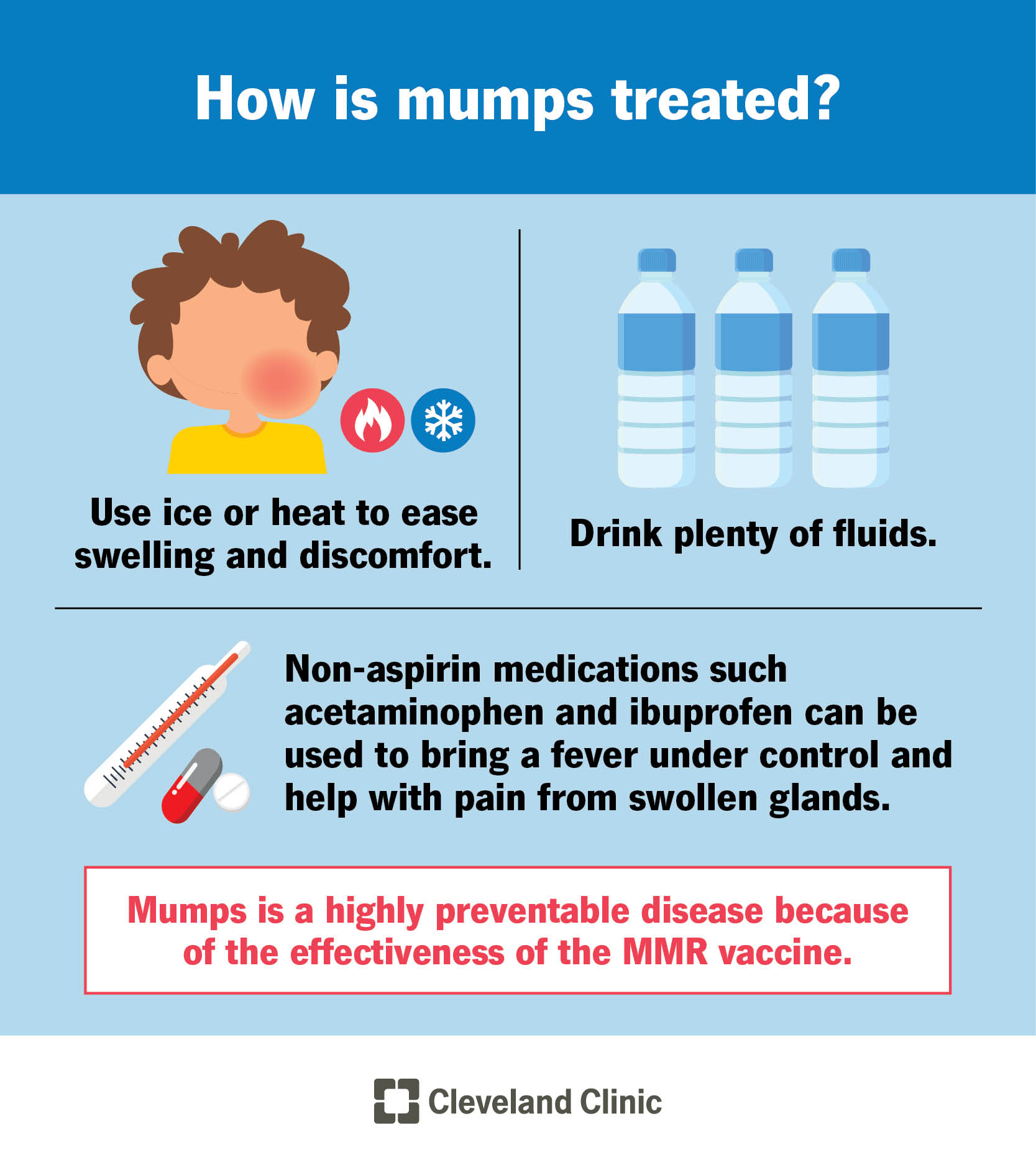
In most cases, treatment for mumps involves supportive care to relieve symptoms and manage discomfort. This includes getting plenty of rest, staying hydrated, and using over-the-counter pain relievers if necessary. Applying warm or cold compresses to the swollen salivary glands can also provide relief.
Managing Symptoms
Individual symptoms of mumps, such as fever or headache, can be managed with medication as needed. It is important to follow the recommended dosages and consult a healthcare professional if symptoms persist or worsen.
Isolation
During the period of contagiousness, it is crucial to isolate oneself from others to prevent the spread of mumps. This typically involves staying home from work or school and avoiding close contact with family members or friends until the risk of transmission has passed.
Pain Relief Medication
Over-the-counter pain relief medications, such as acetaminophen or ibuprofen, can help alleviate the discomfort associated with swollen salivary glands, headaches, muscle aches, and fever. It is important to follow the recommended dosages and consult a healthcare professional if you have any underlying health conditions or are taking other medications.
Antiviral Medications (Rarely Used)
In severe cases or complications of mumps, antiviral medications may be prescribed by a healthcare professional. However, these medications are rarely used and are typically reserved for specific situations where there is a high risk of complications, such as mumps encephalitis.
When to Seek Medical Advice
Seek Medical Attention for Mumps If…
It is advisable to seek medical attention if you experience any symptoms of mumps, particularly if you notice swelling of the salivary glands, high fever, severe headache, or signs of complications such as testicular or ovarian pain. Prompt medical evaluation can help ensure appropriate management and reduce the risk of complications.
Consult a Healthcare Professional
If you have been in close contact with someone who has been diagnosed with mumps, it is recommended to consult a healthcare professional, even if you do not have symptoms. They can provide guidance on monitoring for symptoms and steps to take to minimize the risk of transmission to others.
Conclusion
Mumps is a contagious viral infection that primarily affects the salivary glands, causing swelling, pain, and other uncomfortable symptoms. While mumps can occur at any age, it is most common in children and young adults. Vaccination with the MMR vaccine is the best way to prevent mumps and its complications. Practicing good hygiene and avoiding close contact with infected individuals also help reduce the risk of contracting the virus. Prompt medical attention is advised if you suspect you have mumps or have been in contact with an infected individual. With proper care and management, most individuals with mumps recover fully and without complications.