You’re feeling unwell recently and are wondering what could be causing your symptoms. This article aims to shed light on the symptoms and treatment of West Nile Virus infection. From flu-like symptoms to rare but severe neurological complications, understanding the signs of this mosquito-borne illness can help you seek appropriate medical care and take necessary precautions to protect yourself and your loved ones. Let’s explore the world of West Nile Virus infection together.
Symptoms of West Nile Virus Infection
Mild Symptoms
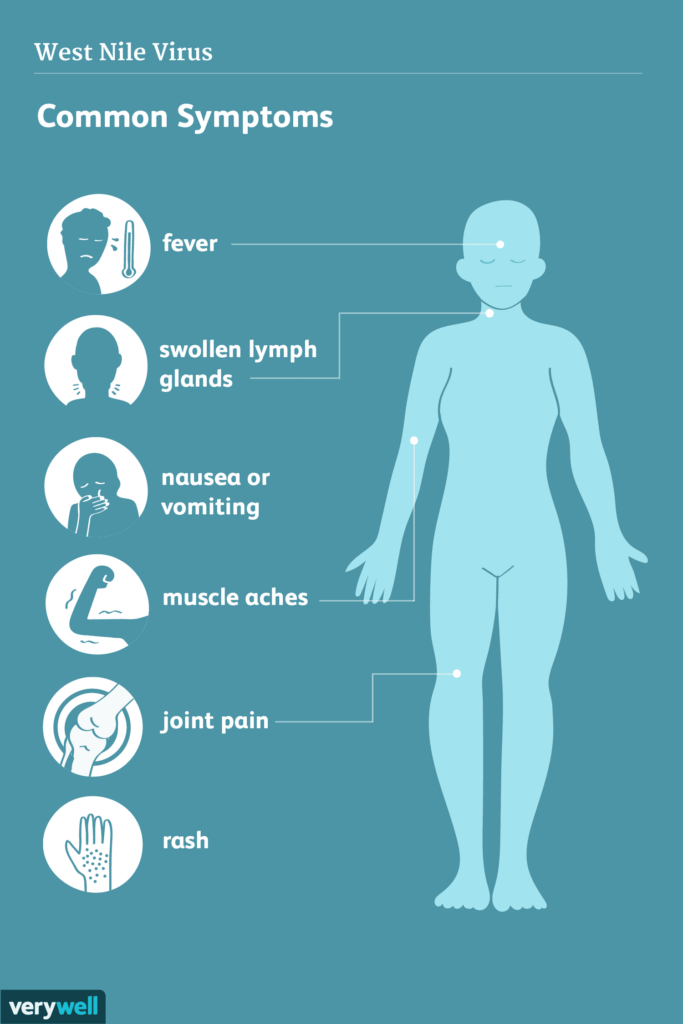
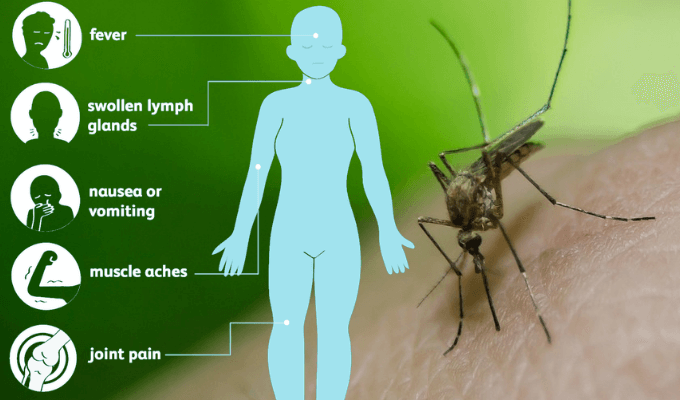
If you’re infected with the West Nile virus, you may experience mild symptoms that resemble the flu. These can include fever, headache, body aches, fatigue, swollen lymph nodes, and a rash on the chest, stomach, or back. These symptoms usually appear within 3 to 14 days after being bitten by an infected mosquito. While these mild symptoms may not seem alarming, it’s important to seek medical attention if you suspect you may have been infected.
Severe Symptoms
In some cases, the West Nile virus can lead to more severe symptoms. This is more likely to occur in individuals over the age of 60 or those with weakened immune systems. Severe symptoms can include high fever, severe headache, neck stiffness, disorientation, tremors, muscle weakness, numbness, convulsions, and even paralysis. If you experience any of these symptoms, it is crucial to seek immediate medical attention as they can be indicative of a more serious infection.
Diagnosis of West Nile Virus Infection
Physical Examination
When you visit a healthcare professional suspecting a West Nile virus infection, they will likely perform a physical examination. During this examination, they will assess your symptoms, check for any signs of neurological issues, and evaluate your overall health. This can help them determine if further testing is necessary to confirm a West Nile virus infection.
Blood Tests
To definitively diagnose a West Nile virus infection, blood tests are conducted. These tests look for specific antibodies or genetic material of the virus in your blood. The most common blood test used is called the Reverse Transcription-Polymerase Chain Reaction (RT-PCR) test, which detects the virus’s genetic material. Blood tests are crucial in confirming the presence of the virus and ruling out other possible causes of your symptoms.
Prevention of West Nile Virus Infection
Mosquito Control
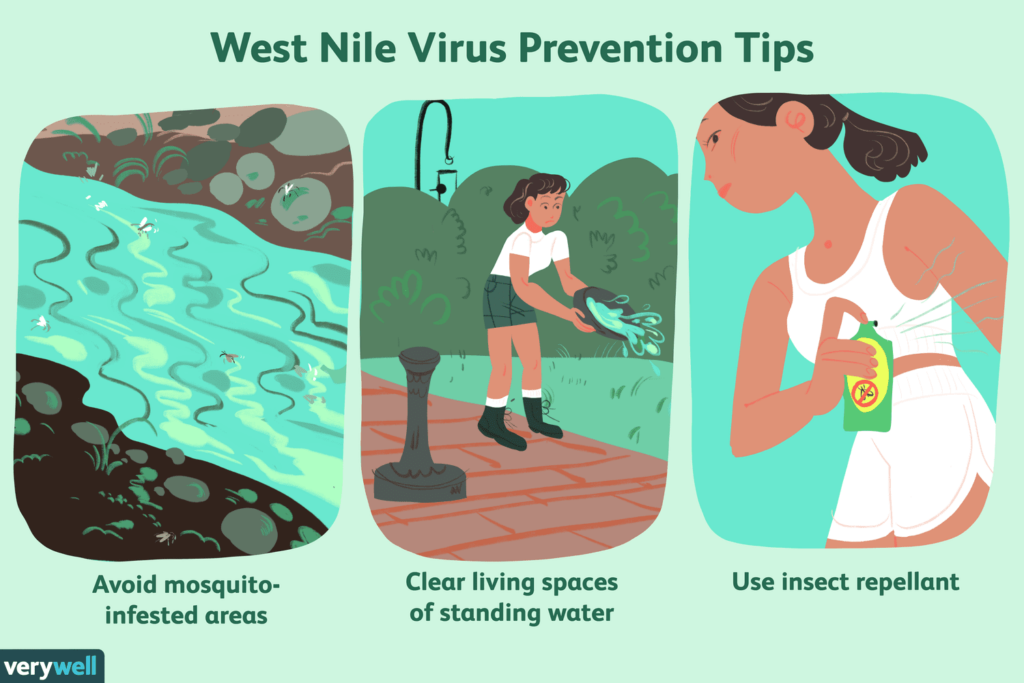
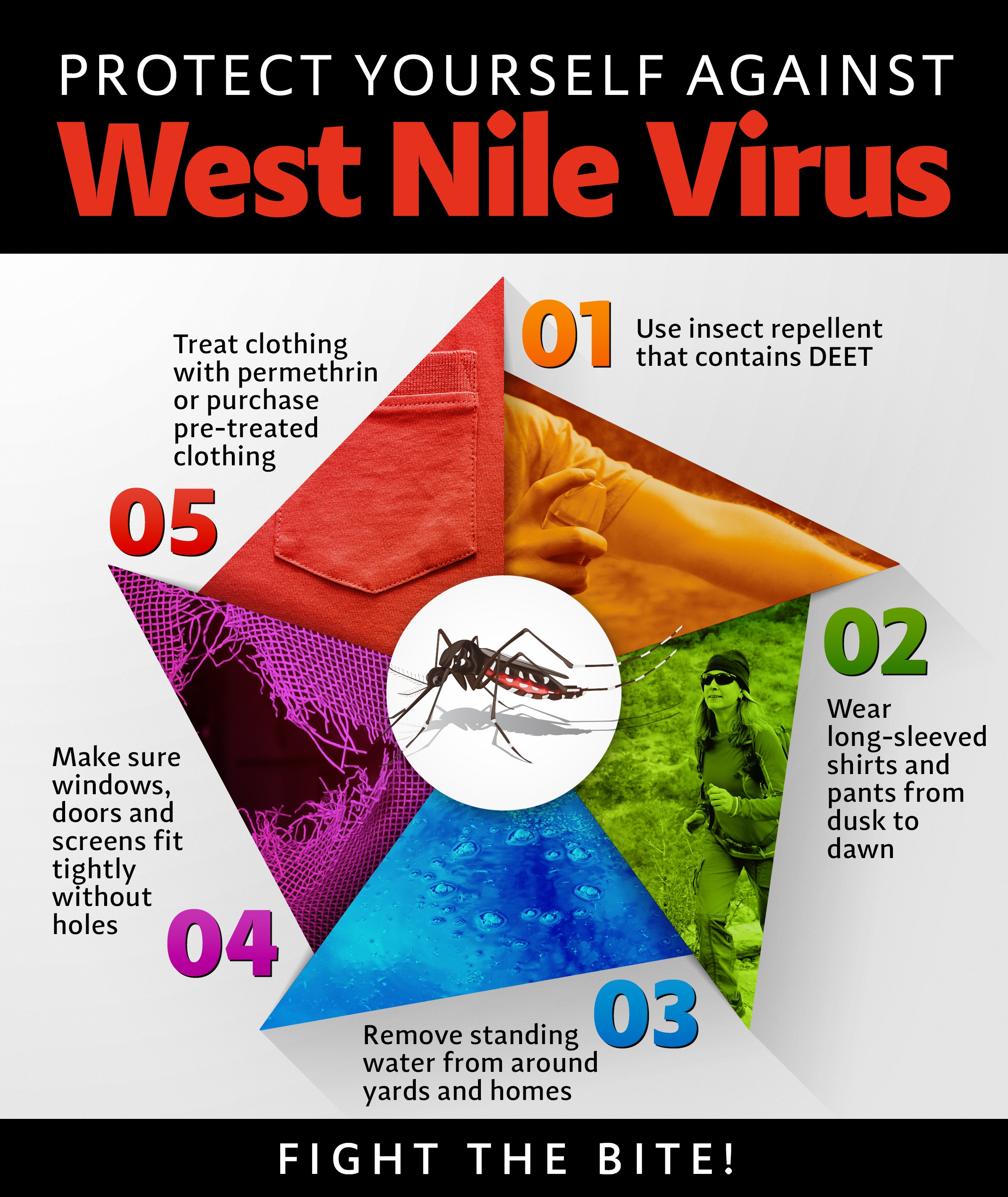
One of the key strategies to prevent West Nile virus infection is effective mosquito control. Mosquitoes are the primary carriers of the virus, so reducing mosquito populations can significantly decrease the risk of transmission. Measures such as eliminating standing water, using insecticides, and employing larvicides can help control mosquito populations. Additionally, community-wide efforts to implement mosquito control programs are important in reducing the overall risk of West Nile virus infection.
Personal Protection Measures
Protecting yourself from mosquito bites is another crucial aspect of preventing West Nile virus infection. You can reduce your risk by using insect repellents containing DEET, wearing long-sleeved shirts and long pants when outdoors, and ensuring that doors and windows have screens to prevent mosquitoes from entering your home. It’s also advisable to avoid spending time outdoors during dawn and dusk, as these are peak mosquito activity periods.
Treatment of West Nile Virus Infection
Supportive Care
Currently, there is no specific antiviral treatment for West Nile virus infection. Most cases of the infection are mild and can be managed with supportive care. This involves getting plenty of rest, staying hydrated, and taking over-the-counter pain relievers to alleviate fever and body aches. In severe cases, hospitalization may be required for close monitoring and supportive care.
Antiviral Medications
In some severe cases or when the infection affects the central nervous system, antiviral medications may be used. These medications, such as ribavirin or interferon, can help reduce the severity of symptoms and potentially shorten the duration of the illness. However, it’s important to note that antiviral medications are not effective against all strains of the West Nile virus, and their use is typically limited to specific situations under the guidance of healthcare professionals.
Hospitalization
Severe cases of West Nile virus infection may require hospitalization. This is especially true for individuals with neurological symptoms or those who develop complications such as encephalitis or meningitis. Hospitalization provides close monitoring of vital signs, supportive therapies, and specialized medical care to manage the symptoms and complications associated with the infection.
Long-term Effects of West Nile Virus Infection
Neurologic Symptoms
Some individuals who have been infected with the West Nile virus may continue to experience neurologic symptoms even after the acute phase of the illness has passed. These symptoms can include persistent headaches, difficulty concentrating, memory problems, and muscle weakness. It’s important to monitor and discuss any long-term neurologic symptoms with your healthcare provider for appropriate management and support.
Fatigue and Weakness
Fatigue and weakness are common long-term effects of West Nile virus infection. These symptoms can persist for weeks or even months after the acute illness has resolved. It’s essential to rest and prioritize self-care during the recovery period. Gradually increasing physical activity under medical guidance can help regain strength and overcome the fatigue associated with the infection.
Complications of West Nile Virus Infection
Encephalitis
Encephalitis, inflammation of the brain, is a severe complication of West Nile virus infection. It can lead to neurological symptoms such as high fever, severe headaches, confusion, seizures, and even coma. Prompt medical intervention is crucial in managing encephalitis, as it can be life-threatening.
Meningitis
Meningitis, inflammation of the membranes surrounding the brain and spinal cord, is another potential complication of West Nile virus infection. It can cause symptoms such as severe headache, stiff neck, sensitivity to light, and fever. While it is typically less severe than encephalitis, meningitis still requires medical attention for appropriate management and support.
Acute flaccid paralysis (AFP)
In rare cases, West Nile virus infection can lead to acute flaccid paralysis (AFP). AFP is characterized by sudden weakness or loss of muscle tone, often affecting one or more limbs. It can also result in difficulty breathing, speaking, and swallowing. Immediate medical attention is necessary for the management of AFP and to prevent further complications.
Outlook for West Nile Virus Infection
Recovery Rate
The majority of individuals who contract West Nile virus infection experience mild symptoms and recover fully within a few weeks. The recovery rate for mild cases is generally high, with most people making a complete recovery without long-term effects. However, it’s important to note that severe cases of the infection, especially those involving neurological complications, can have a more guarded prognosis.
Prognosis for Severe Cases
Severe cases of West Nile virus infection, particularly those with neurological involvement, can have a more severe prognosis. The outlook for these cases depends on various factors, including the individual’s age, overall health, and the promptness and effectiveness of medical intervention. Prompt diagnosis, supportive care, and specialized treatment can improve the prognosis for severe cases, but it is essential to seek medical attention as soon as symptoms become severe.
Epidemiology of West Nile Virus Infection
Geographical Distribution
West Nile virus infection is prevalent in various parts of the world, including North America, Europe, Africa, and Asia. It was first identified in the West Nile region of Uganda in 1937 and has since spread to many countries. In the United States, it is most commonly reported during the summer and early fall months.
Seasonal Variation
There is a seasonal variation in the incidence of West Nile virus infection. In temperate regions, such as North America and Europe, the majority of cases occur during the warm summer and early fall months when mosquitoes are most active. It is important to be especially cautious and take preventive measures during these seasons to reduce the risk of infection.
Risk Factors for West Nile Virus Infection
Age
Age is a significant risk factor for West Nile virus infection. Individuals over the age of 60 are at a higher risk of developing severe forms of the illness, including encephalitis and meningitis. This is thought to be due to age-related changes in the immune system, making older adults more susceptible to infections and complications.
Occupation
Certain occupations, such as farmers, outdoor workers, and individuals involved in mosquito control activities, have a higher risk of West Nile virus infection. These occupations often involve significant exposure to mosquitoes, increasing the chances of being bitten and infected with the virus.
Organ Transplant or Blood Transfusion
Individuals who have received an organ transplant or a blood transfusion are at an increased risk of West Nile virus infection. This is because the virus can be transmitted through these procedures if the donor’s blood contains the virus. Strict screening and testing of donors are in place to minimize this risk, but it is still essential to be aware of this potential risk factor.
Current Research on West Nile Virus Infection
Development of Vaccines
Researchers are actively working on the development of vaccines to prevent West Nile virus infection. Several vaccine candidates are undergoing clinical trials, aiming to provide protection against the virus. The development of an effective vaccine will be a significant milestone in reducing the burden of West Nile virus infection and its associated complications.
Advancements in Treatment Options
Continued research efforts have also focused on advancing treatment options for West Nile virus infection. Scientists are exploring the use of antiviral drugs and other therapeutic interventions to improve outcomes in severe cases. These advancements hold promising potential for more effective management of the infection and reducing its long-term effects.
In conclusion, West Nile virus infection can range from mild flu-like symptoms to severe neurological complications. It is crucial to be aware of the symptoms, seek medical attention when necessary, and take necessary preventive measures such as mosquito control and personal protection. While there is no specific treatment for the infection, supportive care and antiviral medications can be used in severe cases. The long-term effects and complications of West Nile virus infection highlight the importance of prompt diagnosis and appropriate management. Ongoing research and advancements in vaccines and treatment options provide hope for effective prevention and management of this viral infection.