
Have you been struggling with the persistent ringing in your ears known as tinnitus? If so, you’ll be delighted to learn about a potential solution – tinnitus treatment acupuncture. This ancient Chinese healing practice has garnered attention for its effectiveness in relieving the symptoms of tinnitus. By strategically placing tiny needles on specific points in your body, acupuncture aims to restore balance and promote natural healing. In this article, we’ll explore the benefits of tinnitus treatment acupuncture and how it could be the answer you’ve been looking for to finally find relief from this bothersome condition.
What is Tinnitus?
Tinnitus is the perception of sound in the absence of any external auditory stimulus. It is often described as a ringing or buzzing sensation in the ears, but it can also manifest as clicking, hissing, or roaring sounds. This condition can be temporary or chronic and can greatly affect a person’s quality of life. Tinnitus can vary in intensity and is a common symptom of underlying issues.
Definition
Tinnitus is not a disease itself but rather a symptom of an underlying condition. It can be caused by various factors, including damage to the ear, exposure to loud noises, certain medications, or even underlying medical conditions. Understanding the causes of tinnitus is key to finding effective treatment options.
Causes
There are several known causes of tinnitus. Exposure to loud noises, such as those experienced in a noisy workplace or from listening to music at high volumes, can damage the delicate structures of the inner ear, leading to tinnitus. The aging process can also contribute to tinnitus, as the sensory cells in the inner ear can degenerate over time. Other potential causes include earwax blockage, certain medications (such as antibiotics and high doses of aspirin), and underlying medical conditions like Meniere’s disease or temporomandibular joint disorder (TMJ).
Symptoms
Tinnitus can present itself in different ways depending on the individual. The most common symptom is perceiving a sound that is not present externally, such as a ringing, buzzing, or hissing noise. This sound can be constant or intermittent and may vary in intensity. Some individuals may also experience associated symptoms like hearing loss, dizziness, or ear fullness. It is important to consult a healthcare professional if you experience tinnitus, especially if it is affecting your daily life.
Acupuncture as a Treatment for Tinnitus
Acupuncture, an integral part of Traditional Chinese Medicine (TCM), has been used for centuries to treat various health conditions, including tinnitus. Acupuncture involves the insertion of thin needles into specific points on the body to stimulate energy flow and restore balance. While acupuncture may not cure tinnitus, it has shown promise in alleviating its symptoms and providing relief for many individuals.
How Acupuncture Works
According to TCM principles, tinnitus is often associated with imbalances in the body’s energy, known as Qi. Acupuncture aims to restore the flow of Qi and improve overall well-being. By targeting specific acupuncture points, needles are believed to release blocked energy and promote healing. Acupuncture may also stimulate the release of endorphins, which are natural pain-relieving and mood-enhancing substances.
Effectiveness of Acupuncture
While the effectiveness of acupuncture may vary from person to person, many individuals report positive results in managing their tinnitus symptoms through acupuncture. Some studies have suggested that acupuncture can reduce the loudness and severity of tinnitus and improve overall quality of life. However, it is important to note that more research is needed to fully understand how acupuncture works and its effectiveness as a treatment for tinnitus.
Benefits of Acupuncture for Tinnitus
One of the main benefits of acupuncture for tinnitus is that it is non-invasive and generally well-tolerated. Unlike medications or surgery, acupuncture carries minimal risks and side effects when performed by a qualified acupuncturist. Acupuncture treatments are also tailored to the individual, taking into account their specific symptoms and overall health. It can be used as a complementary therapy alongside other tinnitus treatments to enhance their effectiveness. Acupuncture may also help reduce stress, anxiety, and insomnia, which are often associated with tinnitus.
Understanding Acupuncture
To fully appreciate the benefits of acupuncture for tinnitus, it is important to understand the principles and techniques behind this ancient healing practice.
Origins of Acupuncture
Acupuncture originated in China over 2,500 years ago and is one of the oldest forms of medicine still in use today. It is based on the concept of maintaining balance and harmony within the body to achieve optimal health. Traditional Chinese Medicine views the body as interconnected, with energy pathways known as meridians flowing throughout. Acupuncture aims to regulate the flow of Qi (energy) along these meridians to restore balance and promote healing.
Principles of Acupuncture
Acupuncture is rooted in the belief that the human body has a natural ability to heal itself. By stimulating specific acupuncture points, practitioners aim to activate the body’s self-regulating mechanisms and facilitate healing. These points are believed to be located along the meridians, which correspond to specific organs and bodily functions. The principles of acupuncture revolve around the restoration and balance of Qi, Yin, and Yang – fundamental concepts in TCM.
Techniques Used in Acupuncture
The primary technique used in acupuncture is the insertion of thin, sterile needles into specific acupuncture points. The needles are typically left in place for a period of time, ranging from a few minutes to upwards of half an hour. Other techniques may also be employed during acupuncture sessions, such as electroacupuncture (where a small electric current is applied to the needles), cupping (placing heated cups on the skin), or moxibustion (the burning of dried herbs near the skin).
Research on Acupuncture and Tinnitus
The potential benefits of acupuncture for tinnitus have been explored in various research studies. While more research is needed to establish its effectiveness, some studies have provided promising results.
Clinical Studies
Several clinical studies have investigated the use of acupuncture in the treatment of tinnitus. These studies have included participants with different underlying causes of tinnitus, such as noise-induced hearing loss or age-related hearing loss. Some studies have reported positive outcomes, such as reduced tinnitus loudness and improved quality of life, while others have found no significant difference compared to control groups. Overall, clinical studies suggest that acupuncture may be a viable treatment option for some individuals with tinnitus.
Evidence-based Research
Evidence-based research on acupuncture and tinnitus refers to systematic reviews and meta-analyses that analyze a large body of existing studies. These reviews gather and evaluate the available evidence to determine the overall effectiveness of acupuncture. While results are still inconclusive, evidence-based research suggests that acupuncture may have some therapeutic effects on tinnitus. However, more high-quality studies are needed to establish its efficacy definitively.
Meta-analysis
Some meta-analyses have been conducted to assess the effectiveness of acupuncture in treating tinnitus. These analyses compile data from multiple studies and apply statistical methods to evaluate the overall impact of acupuncture. Results from meta-analyses indicate that acupuncture can be beneficial in reducing tinnitus severity and improving subjective measures of tinnitus-related distress. However, it is important to interpret these results cautiously, as the quality and design of included studies can vary widely.

Acupuncture Points for Tinnitus
Acupuncture points play a crucial role in targeting specific symptoms and conditions, including tinnitus. Understanding the relevant acupuncture points can help guide practitioners in providing effective treatment.
Important Acupuncture Points
Several acupuncture points are commonly used in the treatment of tinnitus. These points include SJ3 (Zhongzhu), GB2 (Tinghui), TE17 (Yifeng), and EX-HN3 (Yifeng). SJ3, located on the back of the hand between the fourth and fifth metacarpal bones, is believed to relieve head and neck tension, which can contribute to tinnitus. GB2, situated just in front of the ear, is thought to help open the ear canal and promote circulation in the ear. TE17, located behind the earlobe, is associated with reducing ear-related symptoms. EX-HN3, found at the intersection of the midline and the hairline, is believed to help open the channels through which Qi flows.
Location and Activation
To activate these acupuncture points, a trained acupuncturist will insert thin needles into the specific locations. The depth and angle of insertion will vary depending on the point and the individual’s specific symptoms. The needles are then gently manipulated to achieve the desired effect, which may involve sensations like tingling or a slight dull ache. The duration of needle retention varies but typically ranges from 10 to 30 minutes per session.
Meridians for Tinnitus
In acupuncture, meridians are considered channels through which energy flows. When it comes to tinnitus treatment, specific meridians are targeted to address imbalances and promote healing. The Gallbladder meridian, which passes over the ears, is often focused on when treating tinnitus. The Small Intestine meridian, which influences the ears, can also be involved. By stimulating these meridians, acupuncturists aim to restore balance and alleviate tinnitus symptoms.
Acupuncture Treatment Process
The acupuncture treatment process typically involves several key steps, beginning with an initial consultation and progressing to a personalized treatment plan and multiple acupuncture sessions.
Initial Consultation
During the initial consultation, a qualified acupuncturist will assess the individual’s overall health, medical history, and specific symptoms related to tinnitus. This information helps the acupuncturist understand the underlying causes and imbalances contributing to tinnitus. It is important to provide accurate and detailed information during this consultation to facilitate the development of an effective treatment plan.
Treatment Plan
Based on the information gathered during the consultation, the acupuncturist will create a personalized treatment plan. This plan will outline the specific acupuncture points to be targeted, the frequency and duration of sessions, and any complementary therapies or techniques that may be employed. The treatment plan is tailored to address the individual’s unique needs and symptoms, with the goal of providing long-term relief from tinnitus.
Acupuncture Sessions
Acupuncture sessions generally involve the insertion of thin needles into the designated acupuncture points. The number of needles used can vary depending on the individual’s condition and specific treatment plan. Once the needles are in place, the acupuncturist may gently manipulate them, apply heat, or use other techniques as deemed necessary. The individual may experience sensations like tingling, warmth, or a mild ache during the session. The duration of each session can range from a few minutes to around 30 minutes. The frequency of acupuncture sessions can vary but is typically recommended at least once a week or as advised by the acupuncturist.
Differences in Acupuncture Approaches
While acupuncture is a holistic approach to healing, different acupuncture techniques can be employed to address specific conditions and symptoms. When it comes to treating tinnitus, various approaches within acupuncture can be used.
Traditional Chinese Medicine (TCM)
TCM provides the foundation for many acupuncture practices. In TCM-based acupuncture, the acupuncturist diagnoses the underlying pattern of disharmony associated with tinnitus and employs various acupuncture techniques to address the condition. This may involve the use of classic acupuncture points and meridians, as well as additional techniques like cupping or herbal medicine, depending on the individual’s specific needs.
Auricular Acupuncture
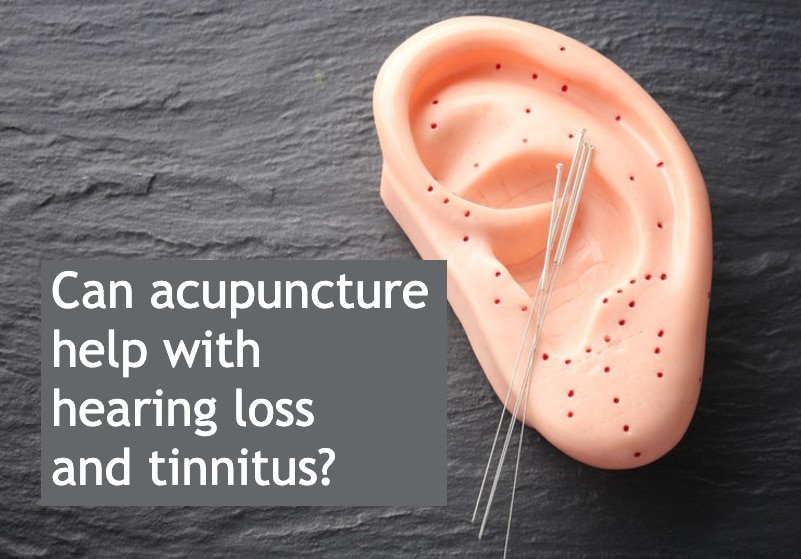
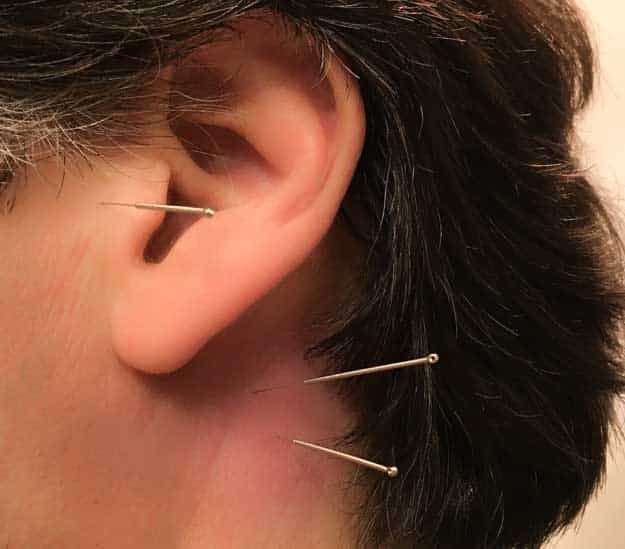
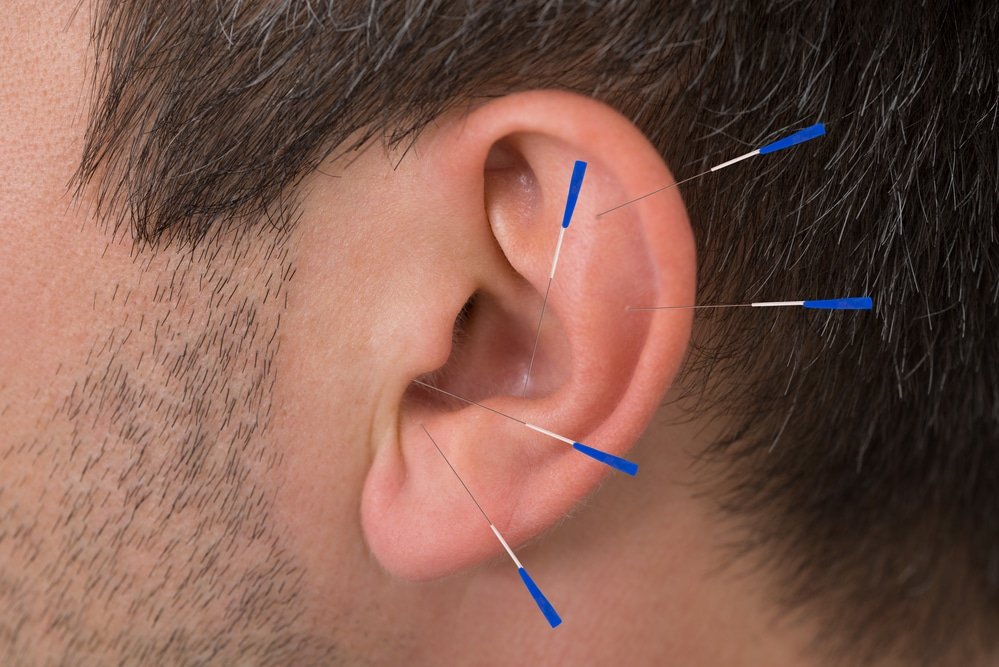
Auricular acupuncture, also known as ear acupuncture, focuses on the stimulation of acupuncture points located on the outer ear. This approach is based on the principle that the entire body can be mapped onto the ear, making it a microsystem for treatment. Auricular acupuncture for tinnitus involves the insertion of needles into specific points on the ear that correspond to the sensory and auditory systems. This targeted approach can be effective in managing tinnitus symptoms.
Scalp Acupuncture
Scalp acupuncture is a specialized technique in which needles are inserted into specific points and zones on the scalp. This approach is based on the concept that the scalp is connected to the brain and can influence various neurological functions. Scalp acupuncture has been used to treat a range of conditions, including tinnitus. By stimulating specific scalp points, acupuncturists aim to address the underlying imbalances contributing to tinnitus and promote healing.
Other Complementary Treatments
In addition to acupuncture, other complementary therapies can be used alongside or in conjunction with acupuncture to enhance the overall effectiveness of tinnitus treatment.
Herbal Medicine
Herbal medicine has been an integral part of TCM for thousands of years. In the context of tinnitus, herbal treatments may involve the use of specific herbs or formulas aimed at addressing the underlying imbalances contributing to tinnitus symptoms. These herbal remedies can be taken in various forms, such as teas, powders, or capsules. However, it is essential to consult a qualified TCM practitioner or herbalist before incorporating any herbal remedies into your treatment plan.
Cupping Therapy
Cupping therapy is a technique that involves placing heated cups on the skin to create suction. This therapy is believed to promote blood circulation and remove stagnation in the body. Cupping therapy can be beneficial for individuals with tinnitus, as it can help alleviate tension in the neck and shoulders, improve blood flow to the ears, and reduce associated symptoms. However, cupping therapy should only be performed by a trained professional to ensure safety and optimal results.
Moxibustion
Moxibustion is a traditional technique that involves the burning of dried herbs, usually Mugwort, near the skin to stimulate specific acupuncture points. This therapy can be used in combination with acupuncture to enhance the overall treatment effects. Moxibustion is believed to promote the flow of Qi, warm the body, and improve circulation. However, it is essential to receive moxibustion from a qualified acupuncturist who can ensure proper technique and minimize the risk of burns.
Safety and Side Effects
Acupuncture is generally considered safe when performed by a qualified and licensed acupuncturist. However, it is essential to be aware of potential side effects and take necessary precautions.
Is Acupuncture Safe?
When performed by a trained professional, acupuncture is considered safe. Licensed acupuncturists undergo extensive training and must adhere to strict hygiene and safety standards. The use of sterile, single-use needles minimizes the risk of infection. It is important to seek treatment from a reputable acupuncturist who is licensed and experienced in treating tinnitus and related conditions.
Potential Side Effects
While side effects from acupuncture are rare, they can potentially occur. The most common side effects include minor bleeding or bruising at the needle insertion sites, temporary pain or discomfort, and lightheadedness. Serious complications are extremely rare when acupuncture is performed by a qualified practitioner. However, it is crucial to communicate any concerns or unusual reactions to your acupuncturist promptly.
Precautions
Individuals with certain medical conditions or who are taking specific medications may need to take additional precautions when considering acupuncture. It is important to inform your acupuncturist of any existing health conditions, medications, or allergies you may have. Acupuncture is generally safe, but it is always best to consult with your healthcare provider before pursuing any new treatments, especially if you have underlying medical conditions or are pregnant.
Seeking Professional Acupuncture Treatment
When seeking acupuncture treatment for tinnitus, it is crucial to ensure that you choose a qualified acupuncturist who can provide safe and effective care.
Choosing a Qualified Acupuncturist
To find a qualified acupuncturist, consider seeking recommendations from trusted healthcare providers or friends and family who have had positive experiences. Look for acupuncturists who are licensed, experienced, and have expertise in treating tinnitus or related conditions. It is also helpful to inquire about their education, credentials, and professional affiliations to ensure they meet the necessary standards for practice.
Safety Measures
Ensure that the acupuncturist follows strict hygiene and safety protocols, adhering to the use of sterile, single-use needles. The treatment room should be clean and well-maintained. The acupuncturist should take a thorough health history, discussing your symptoms and any relevant medical conditions. Open communication between you and your acupuncturist is crucial to ensure the treatment is tailored to your individual needs and concerns.
Realistic Expectations
It is important to have realistic expectations when seeking acupuncture treatment for tinnitus. While acupuncture has shown promise in managing tinnitus symptoms for many individuals, it may not be a cure-all. Results can vary from person to person, and it may take multiple sessions before you notice significant improvements. It is essential to discuss your treatment goals and expectations with your acupuncturist to ensure a mutual understanding and realistic outcome.
In conclusion, acupuncture can be a valuable treatment option for individuals experiencing tinnitus. With its long history and holistic approach, acupuncture aims to address the underlying imbalances contributing to tinnitus symptoms and provide relief. While more research is necessary to fully understand its effectiveness, acupuncture has shown promise in reducing tinnitus severity and improving overall quality of life. By seeking professional acupuncture treatment from a qualified acupuncturist and maintaining realistic expectations, you can embark on a journey towards managing your tinnitus symptoms and regaining a sense of well-being.
