
Are you currently expecting and experiencing back pain? Well, you’re in luck! This article provides you with a simple and effective remedy for alleviating back pain during pregnancy. It’s a common and often uncomfortable issue that many pregnant women face, but worry no more! With this easy solution, you can bid farewell to the aches and pains and enjoy a more comfortable pregnancy. So, grab a seat and let’s dive into the world of back pain remedies for pregnancy!
Causes of Back Pain During Pregnancy
During pregnancy, the body undergoes various changes that can contribute to back pain. Understanding the causes can help you find effective ways to manage and prevent this discomfort.
Weight gain
One of the main causes of back pain during pregnancy is weight gain. As your baby grows, your body naturally gains weight to support and nourish your growing little one. The additional weight puts pressure on your spine and can strain your back muscles, leading to pain and discomfort.
Hormonal changes
Hormonal changes play a significant role in pregnancy and can also contribute to back pain. The hormone relaxin, produced by the body during pregnancy, helps to loosen the ligaments and joints in preparation for childbirth. While necessary for the birthing process, these loosened ligaments can cause instability and lead to back pain.
Posture changes
As your body adapts to accommodate a growing baby, your posture can change. Your center of gravity shifts forward, causing your spine to curve more than usual, which can strain your back muscles. Additionally, the extra weight in your belly can pull your pelvis forward, further affecting your posture and putting stress on your back.
Muscle separation
During pregnancy, the growing uterus can cause the abdominal muscles to separate. This condition, known as diastasis recti, can weaken the core muscles that support your back. Without proper core strength, the back muscles have to work harder to compensate, leading to back pain.
Stress and anxiety
Pregnancy can bring about a range of emotions, including stress and anxiety. These emotional factors can contribute to muscle tension and tightness in the back, leading to discomfort or exacerbating existing back pain.
Common Types of Back Pain During Pregnancy
Understanding the different types of back pain that can occur during pregnancy can help you identify and address specific issues you may be experiencing.
Upper back pain
Upper back pain during pregnancy is often felt between the shoulder blades and can be caused by poor posture, stress, or strain on the muscles due to an increase in breast size. It can also be a result of muscle tension in the neck or upper back.
Lower back pain
Lower back pain is the most common type of back pain experienced during pregnancy. This pain is typically felt in the lumbar region and can range from a dull ache to sharp and intense discomfort. The extra weight, hormonal changes, and changes in posture contribute to lower back pain.
Pelvic girdle pain
Pelvic girdle pain, also known as symphysis pubis dysfunction (SPD) or pregnancy-related pelvic girdle pain (PPGP), is characterized by pain in the pelvic area, hips, or lower back. It occurs when the ligaments that normally keep your pelvic joints stable become relaxed and loosen during pregnancy.

Preventing Back Pain During Pregnancy
While some back pain during pregnancy may be inevitable, there are steps you can take to reduce the risk and alleviate discomfort. Incorporate these preventive measures into your daily routine:
Maintain a healthy weight
Striving for a healthy weight gain during pregnancy can help minimize the stress on your back. Regular exercise and proper nutrition can contribute to a healthy weight and overall well-being.
Exercise regularly
Engaging in appropriate exercise during pregnancy can strengthen the muscles that support your back and help alleviate pain. Low-impact activities such as walking, swimming, and prenatal yoga can be especially beneficial.
Practice good posture
Consciously maintaining good posture can help reduce strain on your back. Focus on keeping your back straight and shoulders back while sitting or standing. Avoid slouching or hunching forward, as this can exacerbate back pain.
Wear comfortable shoes
Choose supportive and comfortable footwear to provide proper cushioning for your feet and additional support for your back. Avoid high heels or shoes with inadequate arch support that can contribute to poor posture and back strain.
Use proper body mechanics
When lifting or carrying objects, remember to use proper body mechanics to avoid undue strain on your back. Bend at the knees and engage your leg muscles rather than relying solely on your back to lift or move things.
Relieving Back Pain During Pregnancy
If you’re experiencing back pain during pregnancy, there are several methods you can try to find relief. Consult with your healthcare provider to determine which options are suitable for you.
Hot or cold therapy
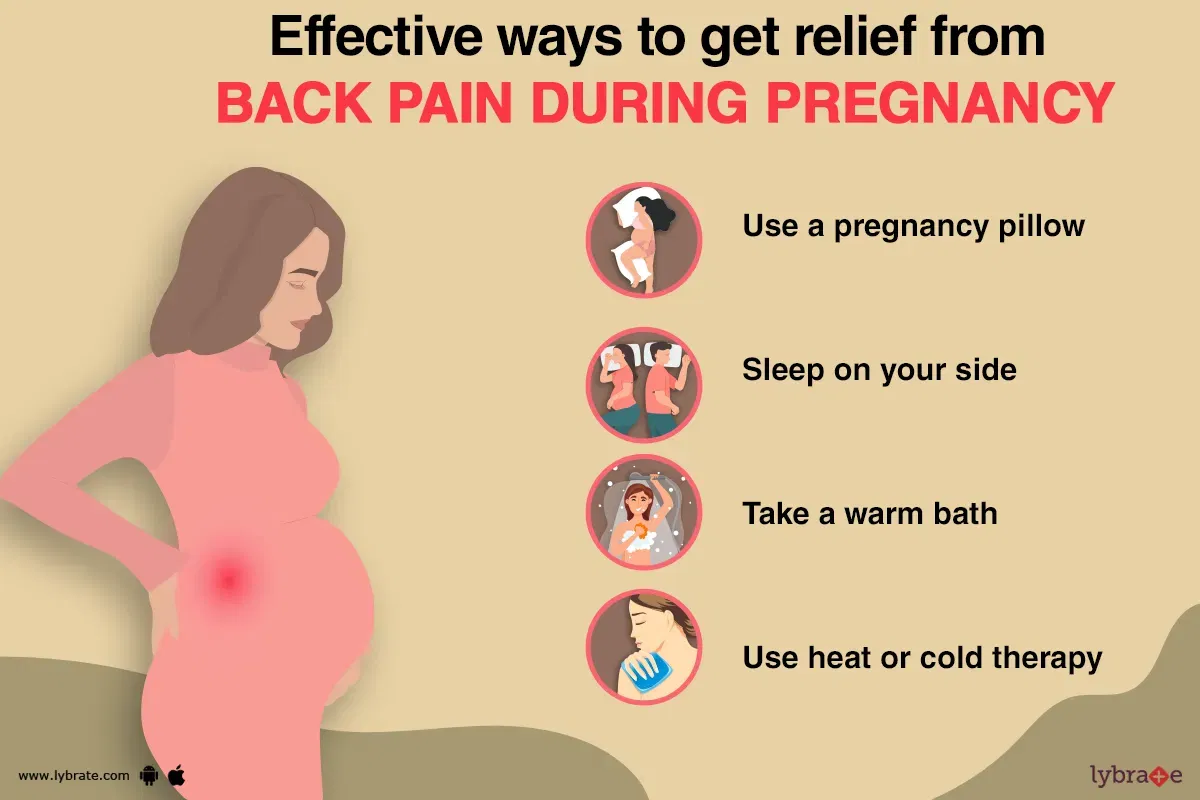
Applying heat or cold to the affected area can help alleviate back pain. Experiment with both heat packs and cold packs to see which provides you with the most relief. Some women find relief with a warm compress or a warm bath, while others prefer cold packs or ice packs.
Prenatal massage
Regular prenatal massages by a trained therapist can be an effective way to relieve back pain during pregnancy. Massage therapists who specialize in prenatal massage can apply techniques that target specific muscle groups, alleviating tension and promoting relaxation.
Prenatal yoga and stretching
Participating in prenatal yoga classes or engaging in gentle stretching exercises can help relieve back pain. These activities promote flexibility, strengthen core muscles, and improve posture. Be sure to consult with a certified prenatal yoga instructor or healthcare provider to ensure you are practicing safe and suitable exercises.
Support garments
Using support garments, such as maternity belts or belly bands, can help reduce the strain on your back by providing additional support to your growing belly. These garments distribute the weight more evenly and can alleviate discomfort.
Acupuncture or chiropractic care
Some women find relief from back pain through alternative therapies, such as acupuncture or chiropractic care. Acupuncture involves the insertion of thin needles into specific points on the body to stimulate energy flow and promote healing. Chiropractic adjustments can help realign the spine, relieving pressure on the nerves and reducing pain.

Pain Relief Medications During Pregnancy
When experiencing severe or persistent back pain, your healthcare provider may recommend certain pain relief medications that are safe to use during pregnancy. Always consult with your healthcare provider before taking any medications.
Paracetamol (acetaminophen)
Paracetamol, commonly known as acetaminophen, is considered safe to use during pregnancy for pain relief. It can help alleviate mild to moderate back pain when used as directed.
Topical creams or ointments
Topical creams or ointments containing ingredients like menthol or capsaicin can provide temporary relief by numbing the affected area or promoting blood flow to the area. Be sure to check with your healthcare provider before using any topical products during pregnancy.
Prescription medications
In certain cases, your healthcare provider may prescribe stronger pain relief medications if the back pain becomes severe and other methods have not provided sufficient relief. These medications should only be used under medical supervision, and the potential risks and benefits should be carefully weighed.
Home Remedies for Back Pain During Pregnancy
In addition to professional treatments, several home remedies can help alleviate back pain during pregnancy. These remedies are generally safe and can be easily incorporated into your daily routine.
Warm compress
Applying a warm compress to the affected area can help relax the muscles and relieve back pain. You can use a heating pad, a warm water bottle, or a warm towel. Make sure the temperature is comfortable and avoid placing direct heat on your belly.
Epsom salt bath
Taking a warm bath with Epsom salts added to the water can provide relaxation and offer relief for back pain. The magnesium sulfate in the Epsom salts can help reduce muscle tension and inflammation.
Gentle exercises and stretches
Performing gentle exercises and stretches specifically designed for pregnant women can help alleviate back pain. Consult with a certified prenatal exercise specialist or physical therapist to learn appropriate exercises and stretches for your condition.
Supportive pillows
Using supportive pillows while sleeping or lounging can help maintain proper spinal alignment and alleviate back pain. Place a pillow between your knees while lying on your side, or try using a body pillow for additional support.
Body pillows
Body pillows, designed specifically for pregnant women, can provide full-body support and help alleviate back pain. These long pillows can be placed between your legs, behind your back, or under your belly to promote spinal alignment and relieve pressure.

Using Pregnancy Support Belts
Pregnancy support belts are specially designed belts that provide additional support to the abdomen, hips, and lower back during pregnancy.
What are pregnancy support belts?
Pregnancy support belts are elastic belts worn around the lower abdomen, hips, or pelvis to provide support and alleviate discomfort associated with the weight of the growing belly.
How do pregnancy support belts work?
These belts work by redistributing the weight of the belly, reducing strain on the lower back, hips, and pelvis. They provide stability and support to the ligaments and joints in the pelvic area, alleviating pain and promoting better posture.
Types of pregnancy support belts
There are various types of pregnancy support belts available, including wrap-around belts, brace-style belts, and maternity underwear with built-in support. Choose a style that feels comfortable and provides adequate support for your specific needs.
Tips for using pregnancy support belts
When using a pregnancy support belt, ensure that it fits snugly but not too tightly. Follow the manufacturer’s instructions for proper usage and wear it only for the recommended duration. If you experience any discomfort or increased pain while wearing the belt, discontinue use and consult with your healthcare provider.
Alternative Therapies for Back Pain During Pregnancy
In addition to conventional treatments, alternative therapies can provide relief for back pain during pregnancy. These therapies focus on holistic approaches to healing and may be used as complementary treatments.
Acupuncture
Acupuncture, a traditional Chinese medicine practice, involves the insertion of thin needles into specific points on the body. It is believed to restore the balance of energy flow, known as Qi, and alleviate pain. Acupuncture can be a safe and effective option for managing back pain during pregnancy when performed by a trained and licensed acupuncturist.
Chiropractic care
Chiropractic care involves the manipulation or adjustment of the spine to improve alignment and relieve pain. It can be beneficial for managing back pain during pregnancy, but it is important to choose a chiropractor experienced in providing care to pregnant women.
Prenatal yoga
Prenatal yoga is a modified form of yoga designed specifically for pregnant women. It focuses on gentle stretching, strengthening, and relaxation techniques that can alleviate back pain and promote overall well-being. Attend prenatal yoga classes taught by qualified instructors who can guide you through safe and effective practices.
Massage therapy
Massage therapy can provide relief from back pain by targeting specific areas of discomfort and promoting relaxation. Select a massage therapist who specializes in prenatal massage and is knowledgeable about the unique needs and safety considerations of pregnant women.

When to Seek Professional Help
While some level of back pain is common in pregnancy, certain signs and symptoms should prompt you to seek professional medical help.
Persistent or severe back pain
If your back pain is persistent and severe, it is important to consult with your healthcare provider. They can evaluate your condition, identify any underlying causes, and recommend appropriate treatments.
Radiating pain
If you experience back pain that radiates down your legs or causes numbness or weakness in your extremities, it could be a sign of a more serious condition, such as a herniated disc. Seek immediate medical attention if you have these symptoms.
Signs of infection or inflammation
If you notice any signs of infection or inflammation in the area of your back pain, such as redness, swelling, or warmth, it could indicate an underlying medical condition. Contact your healthcare provider for further evaluation.
Difficulty walking or standing
If your back pain makes it difficult for you to walk or stand, it may be a sign of a more serious issue. Seek medical attention if you experience mobility limitations or significant difficulty with daily activities.
Changes in bowel or bladder function
If you experience changes in bowel or bladder function accompanied by back pain, such as difficulty urinating or loss of control, it could be a sign of a more serious condition. Contact your healthcare provider immediately.
Note of Caution
While there are various ways to manage and alleviate back pain during pregnancy, it is important to consult with your healthcare provider before trying any new treatments or remedies. They can provide individualized guidance and ensure that the chosen methods are safe for you and your baby.
Avoid self-diagnosis and self-treatment, as each pregnancy is unique, and what works for one person may not work for another. Your healthcare provider can help determine the underlying cause of your back pain and recommend appropriate treatments or interventions.
When considering alternative therapies, such as acupuncture or chiropractic care, be cautious and choose qualified practitioners who have experience working with pregnant women. Inform them about your pregnancy and any specific concerns or symptoms you may have.
By taking a proactive approach and seeking professional guidance, you can find effective strategies to manage and alleviate back pain during pregnancy, allowing you to fully enjoy this special time in your life. Remember, you don’t have to suffer in silence – reach out for help and support from your healthcare team.