Welcome to a comprehensive guide on effective treatment options for acid reflux dry cough. If you’re struggling with the discomfort and irritation caused by a persistent dry cough due to acid reflux, you’re not alone. In this article, we will explore various treatment methods that can help alleviate your symptoms and improve your quality of life. From lifestyle changes to medication and natural remedies, we’ve got you covered. Keep reading to find the relief you’ve been looking for. Have you been struggling with a persistent dry cough that just won’t seem to go away? If so, you may be suffering from acid reflux, a condition where stomach acid flows back into the esophagus causing irritation and inflammation. In this article, we will explore effective treatment options for acid reflux dry cough that can help you find relief and improve your quality of life.
Understanding Acid Reflux and Dry Cough
Acid reflux is a common condition where stomach acid flows back into the esophagus, causing symptoms such as heartburn, regurgitation, and coughing. When acid reflux leads to a chronic cough that is not accompanied by other symptoms, it is known as acid reflux dry cough. This type of cough can be caused by the irritation of the esophagus and throat due to the frequent exposure to stomach acid.
If you have been experiencing a persistent dry cough that worsens when lying down or after eating, it is essential to consult with a healthcare professional to determine if it is related to acid reflux. Other symptoms of acid reflux dry cough may include a hoarse voice, throat clearing, and a feeling of a lump in the throat.
How Acid Reflux Causes Dry Cough
When stomach acid flows back into the esophagus, it can irritate the lining of the throat and trigger a cough reflex. The cough associated with acid reflux is often dry, persistent, and worsens at night or after eating. The repeated exposure to stomach acid can lead to inflammation of the throat, which can further aggravate the cough. It is essential to address the underlying cause of acid reflux to effectively treat the dry cough.
Lifestyle Changes for Managing Acid Reflux Dry Cough
Making simple lifestyle changes can help manage acid reflux and alleviate the symptoms of dry cough. By adopting healthy habits and avoiding triggers, you can reduce the frequency and severity of acid reflux episodes. Here are some lifestyle modifications that can help manage acid reflux dry cough:
Dietary Changes
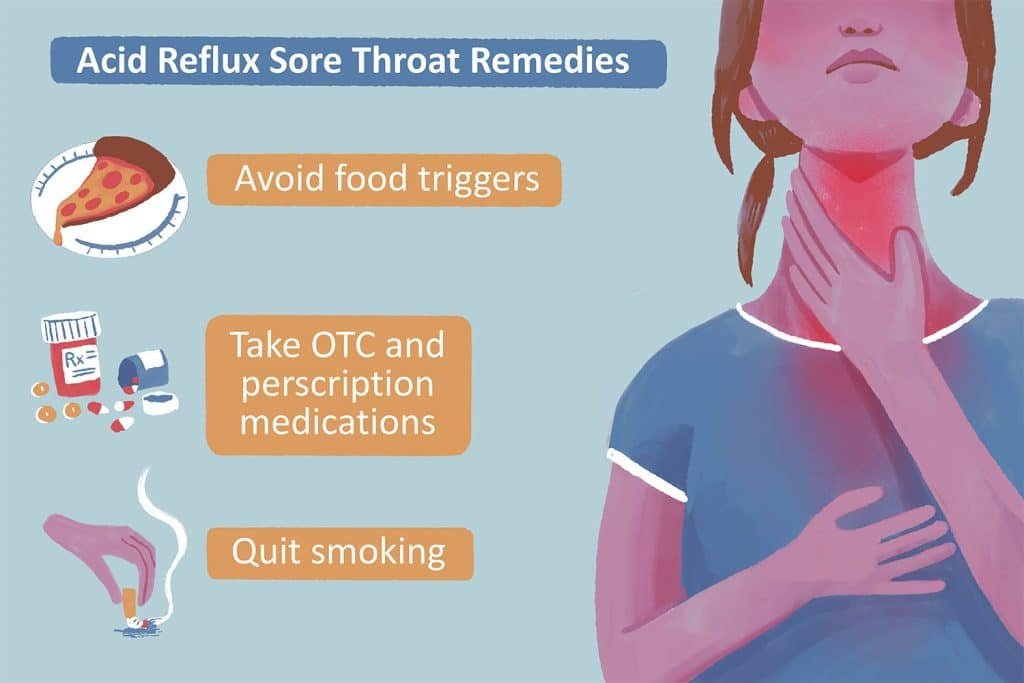
- Avoid acidic and spicy foods that can trigger acid reflux.
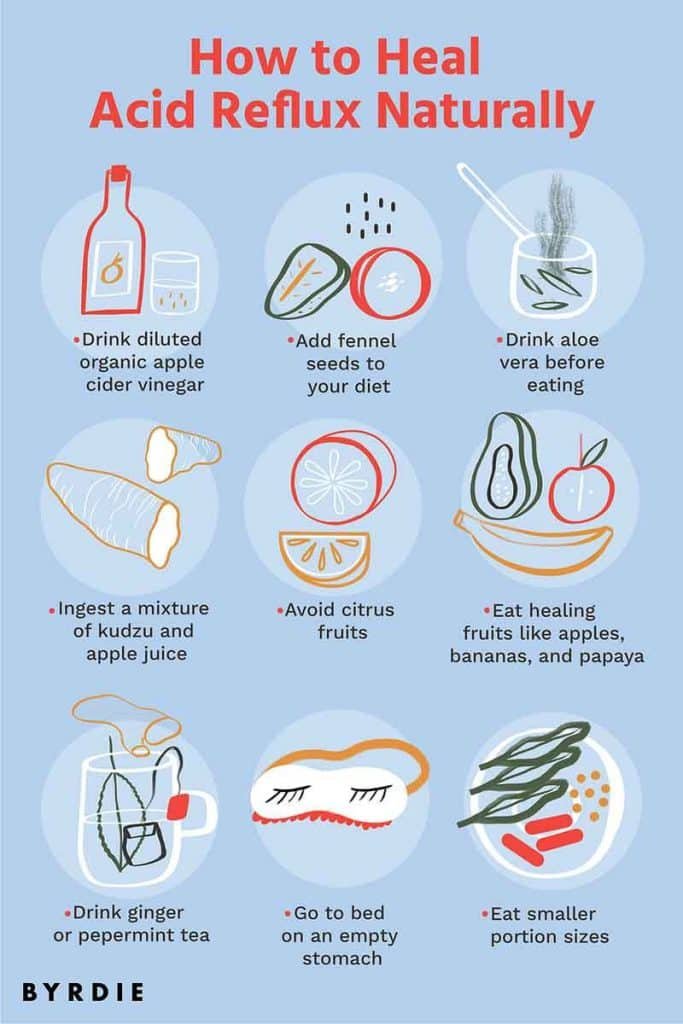
- Eat smaller, more frequent meals to reduce pressure on the stomach.
- Limit your intake of caffeine, alcohol, and carbonated beverages.
- Maintain a healthy weight to reduce pressure on the abdomen.
Elevating the Head of the Bed
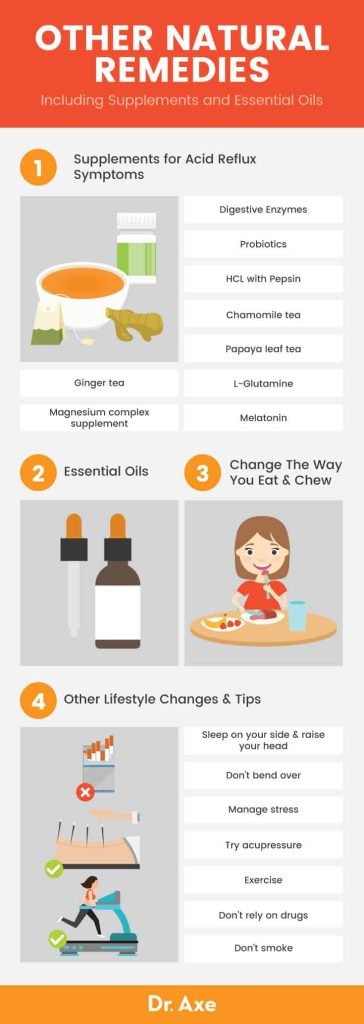
- Raise the head of your bed by 6 to 8 inches to prevent stomach acid from flowing back into the esophagus while sleeping.
- Use a wedge-shaped pillow to elevate your head and upper body while sleeping.
Avoiding Trigger Foods and Beverages
- Identify foods and beverages that trigger acid reflux symptoms and avoid them.
- Keep a food diary to track your symptoms and identify potential triggers.
Quitting Smoking
- Smoking can worsen acid reflux symptoms and irritate the throat.
- Quit smoking to reduce inflammation and improve overall health.
Managing Stress
- Stress can exacerbate acid reflux symptoms, including dry cough.
- Practice stress-reducing techniques such as meditation, yoga, or deep breathing exercises.
Medical Treatments for Acid Reflux Dry Cough
In addition to lifestyle changes, medical treatments can be effective in managing acid reflux dry cough and alleviating symptoms. When lifestyle modifications alone are not sufficient, healthcare providers may recommend medications or procedures to treat acid reflux. Here are some common medical treatments for acid reflux dry cough:
Antacids
- Antacids can help neutralize stomach acid and provide temporary relief from heartburn and acid reflux symptoms.
- They are available over-the-counter and can be taken as needed to alleviate symptoms.
Proton Pump Inhibitors (PPIs)
- PPIs are a class of medications that reduce the production of stomach acid.
- They are commonly prescribed to treat chronic acid reflux and related symptoms.
H2 Receptor Antagonists
- H2 receptor antagonists are medications that reduce the production of stomach acid by blocking histamine receptors in the stomach.
- They can help alleviate symptoms of acid reflux and promote healing of the esophagus.
Prokinetics
- Prokinetic agents are medications that help improve the movement of food through the digestive system and reduce the risk of acid reflux.
- They can be prescribed to patients with slow digestion or delayed emptying of the stomach.
Surgery
- In severe cases of acid reflux that do not respond to lifestyle changes or medications, surgery may be recommended.
- Surgical procedures such as fundoplication can help strengthen the lower esophageal sphincter and prevent acid reflux.
Endoscopic Treatments
- Endoscopic treatments such as radiofrequency ablation can help tighten the lower esophageal sphincter and reduce acid reflux symptoms.
- These minimally invasive procedures can be performed in an outpatient setting.
Natural Remedies for Acid Reflux Dry Cough
In addition to medical treatments, some natural remedies can help alleviate the symptoms of acid reflux dry cough and promote healing of the esophagus. While natural remedies may not provide immediate relief, they can be used as adjunct therapies to conventional treatments. Here are some natural remedies for acid reflux dry cough:
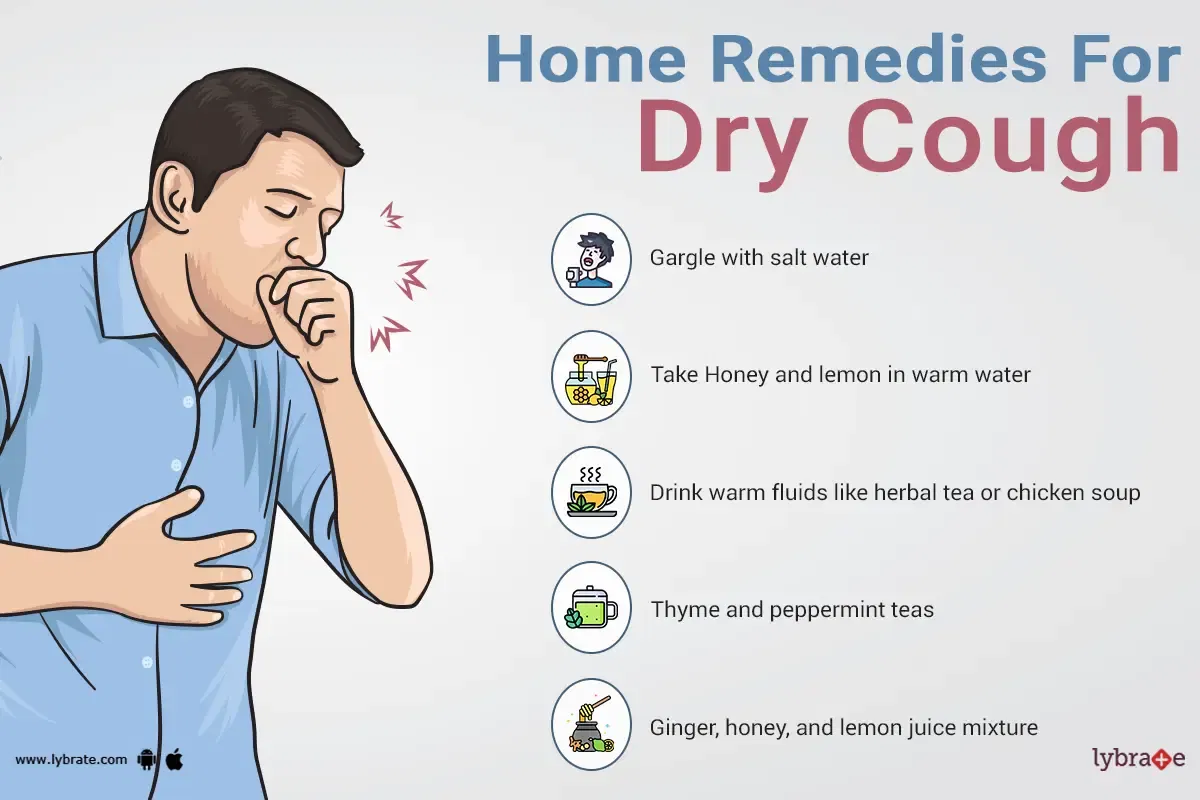
Ginger
- Ginger has anti-inflammatory properties that can help reduce inflammation in the esophagus and alleviate acid reflux symptoms.
- Drink ginger tea or chew on a piece of fresh ginger to soothe the throat and reduce coughing.
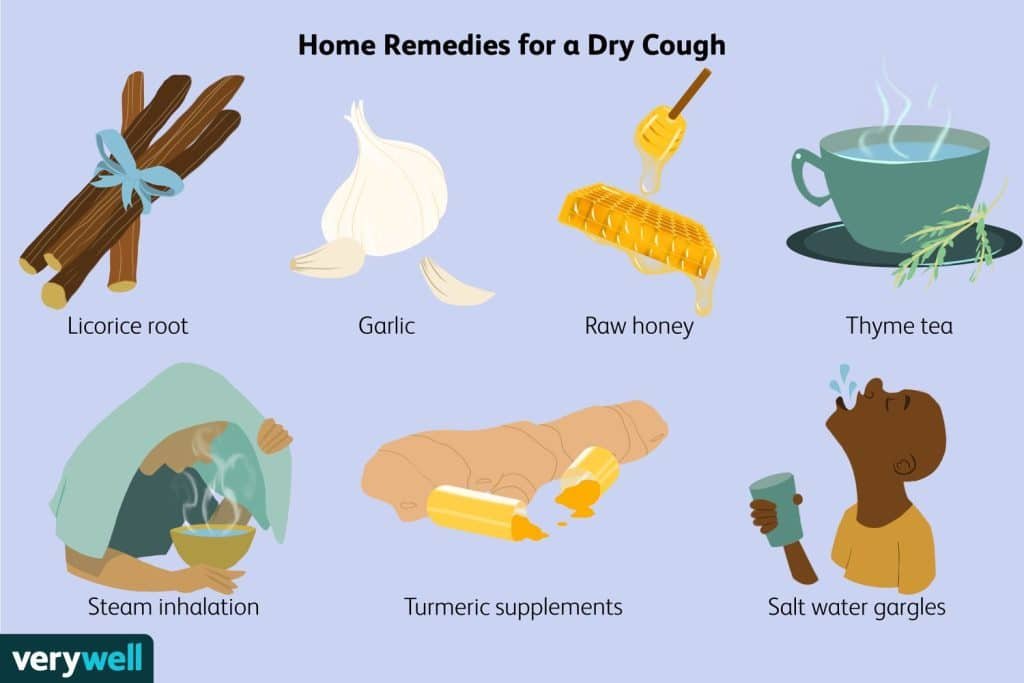
Licorice
- Licorice root contains compounds that can help protect the mucous membranes of the esophagus and reduce irritation.
- Chew on deglycyrrhizinated licorice (DGL) tablets or drink licorice tea to alleviate acid reflux symptoms.
Apple Cider Vinegar
- Apple cider vinegar is believed to help balance stomach acid levels and promote digestion.
- Mix one to two tablespoons of apple cider vinegar with water and drink it before meals to reduce acid reflux.
Aloe Vera
- Aloe vera has soothing properties that can help reduce inflammation in the esophagus and alleviate acid reflux symptoms.
- Drink aloe vera juice or take aloe vera supplements to promote healing of the esophagus.
Slippery Elm
- Slippery elm contains mucilage that can help coat and soothe the mucous membranes of the esophagus.
- Take slippery elm supplements or drink slippery elm tea to reduce irritation and coughing.
Conclusion
Acid reflux dry cough can be a frustrating and uncomfortable condition that affects your quality of life. By understanding the underlying causes of acid reflux and dry cough, you can take steps to manage your symptoms effectively. From making lifestyle changes to exploring medical treatments and natural remedies, there are various options available to help you find relief from acid reflux dry cough.
If you are experiencing persistent dry cough and suspect it may be related to acid reflux, consult with a healthcare provider for an accurate diagnosis and personalized treatment plan. With the right approach, you can effectively manage acid reflux dry cough and improve your overall well-being.