
Have you ever wondered what foods could ease your symptoms of acid reflux? Finding the right balance in your diet can significantly impact how you feel throughout the day. Acid reflux, or gastroesophageal reflux disease (GERD), occurs when stomach acid flows back into the esophagus, leading to discomfort or even pain. While it may feel daunting to choose the right foods, knowing what works can become your ally.

Understanding Acid Reflux
Acid reflux happens when the lower esophageal sphincter (LES) doesn’t close all the way, allowing stomach contents to escape into the esophagus. This backflow can trigger heartburn and other uncomfortable symptoms.
Symptoms of Acid Reflux
Recognizing the symptoms is crucial for managing this condition. You might experience:
- A burning sensation in your chest (heartburn)
- Regurgitation of food or sour liquid
- Difficulty swallowing
- Feeling of a lump in your throat
Understanding these symptoms can guide you in making more informed dietary choices.
Foods to Embrace
Certain foods can be your allies in managing acid reflux. These items are typically less likely to increase stomach acid production or relax the LES. Here’s a detailed look at the foods you may want to include in your diet.
Lean Proteins
Choosing lean proteins can reduce acid reflux symptoms. They’re generally less fatty, which means they put less pressure on your digestive system.
Suggestions:
| Lean Protein Options | Preparation Methods |
|---|---|
| Skinless chicken breast | Grilled, baked, or poached |
| Turkey | Roasted or grilled |
| Fish | Baked or grilled |
| Tofu | Stir-fried or steamed |
| Egg whites | Scrambled or boiled |
Incorporating these proteins into your meals can enhance nutritional value while being gentle on your stomach.
Vegetables
Most vegetables are low in fat and sugar, making them fantastic choices for those with acid reflux. They’re also packed with fiber, which promotes healthy digestion.
Top Vegetables:
| Vegetable | Benefits |
|---|---|
| Broccoli | High in fiber and vitamins |
| Spinach | Contains antioxidants |
| Cauliflower | Low calorie and high in fiber |
| Peas | Easy to digest |
| Green beans | Gentle on the stomach |
Don’t hesitate to include a variety of these veggies in your daily meals. They can add fiber to your diet while keeping your meals nutritious.
Fruits
While citrus fruits are often associated with acid reflux, many other fruits can actually help soothe your symptoms. Opting for non-citrus fruits is key to maintaining comfort.
Safe Fruit Choices:
| Fruit | How to Enjoy |
|---|---|
| Bananas | Sliced in oatmeal or smoothies |
| Apples | Fresh, or in salads |
| Pears | Eaten raw or baked |
| Melons | Great in salads or smoothies |
| Berries | Perfect for snacks or desserts |
These fruits provide essential vitamins and can help keep your digestive system healthy.
Whole Grains
Whole grains can be a great source of fiber and help absorb excess stomach acid. They promote gut health and can keep you feeling fuller for longer.
Whole Grain Options:
| Whole Grains | Preparation Suggestions |
|---|---|
| Oats | Cooked as oatmeal or in baked goods |
| Brown rice | Served as a side dish or in stir-fries |
| Quinoa | As a base for salads or bowls |
| Whole grain bread | As toast or sandwiches |
| Barley | In soups or as a side dish |
These grains can be versatile in your cooking and will strengthen your meals.
Foods to Avoid
Just like there are beneficial foods, some can aggravate your acid reflux symptoms. Steering clear of these can be a game changer for your comfort level.
High-Fat Foods
High-fat foods relax the LES, allowing acid to flow back into the esophagus. Keeping your fats healthy and moderate is essential.
Examples to Avoid:
| High-Fat Foods | Alternatives |
|---|---|
| Fried foods | Grilled or baked options |
| Full-fat dairy | Low-fat or non-dairy options |
| Fatty cuts of meat | Lean meats |
| Processed snacks | Fresh fruits or veggies |
| Creamy sauces | Tomato-based or vinaigrette |
By opting for healthier fat options, you give your body a better chance to digest comfortably.
Spicy Foods
Spices like chili, black pepper, or other hot peppers can irritate your esophagus. If you’re prone to acid reflux, it might be wise to reduce your intake of these.
Spices to Watch:
| Spicy Foods | Milder Alternatives |
|---|---|
| Hot peppers | Paprika or herbs |
| Curry | Mild curry blends |
| Pepper | Garlic or onion powder |
| Sriracha | Thai sweet chili sauce |
Switching to milder flavors will make your meals more enjoyable and less painful.
Citrus Fruits
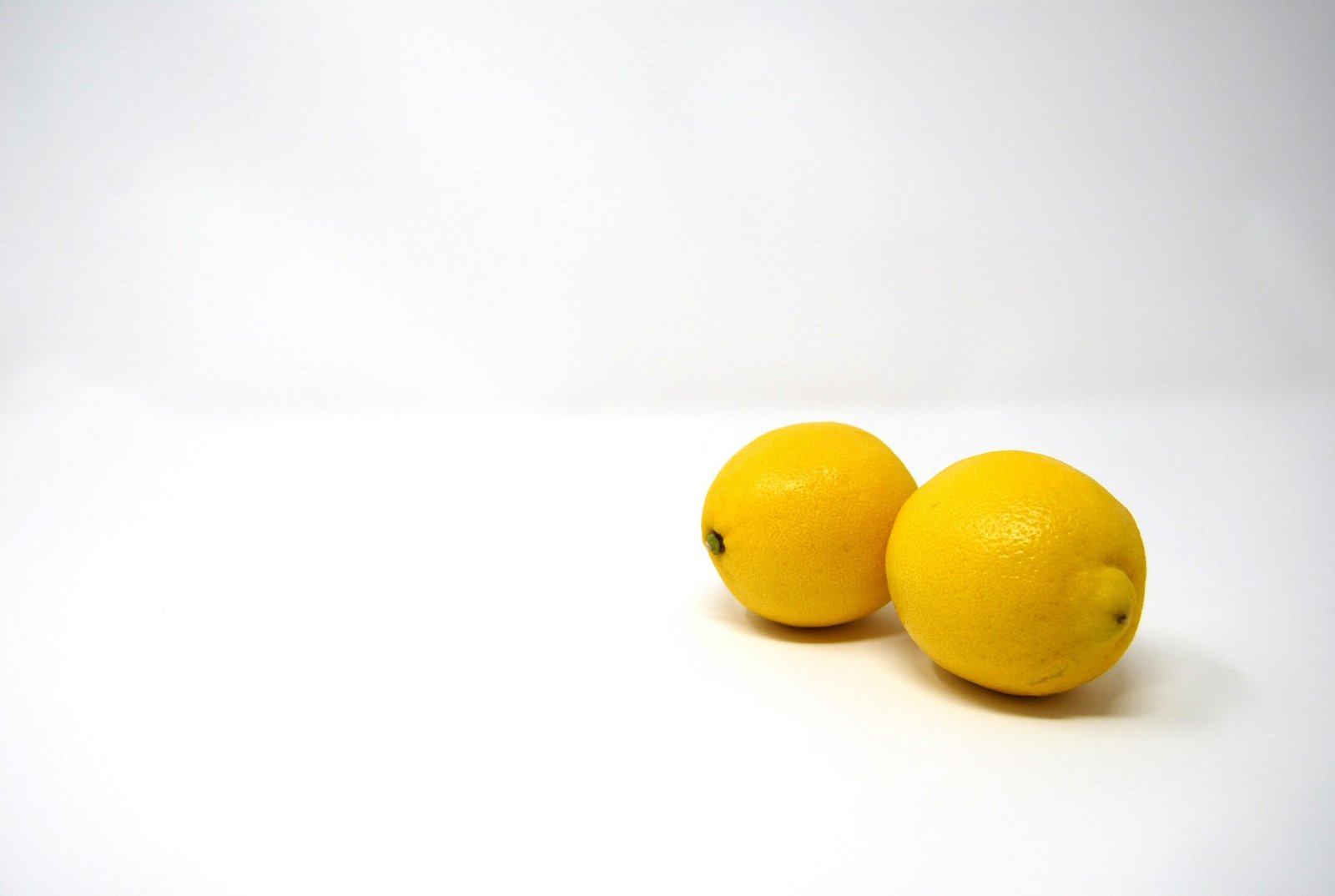
Citrus fruits like oranges, lemons, and grapefruits are known for being acidic and can trigger reflux symptoms. You may want to limit these in your diet.
Chocolate and Caffeine
Both chocolate and caffeine can relax the LES, allowing stomach acid to escape and cause discomfort. Reducing or eliminating these from your diet might lead to improvement.
| Foods to Avoid | Reason |
|---|---|
| Chocolate | Contains caffeine and fat |
| Coffee | Increases stomach acid |
| Soda | Carbonation can add pressure |
Considering alternatives like herbal teas or decaffeinated options could benefit your health without causing discomfort.
Alcohol
For various individuals, alcohol can trigger symptoms of acid reflux. It’s best to be cautious and monitor how your body responds to alcoholic beverages.
Beneficial Herbs and Spices
While some spices can aggravate acid reflux, others can provide benefits. Choosing the right herbs and spices can add flavor without risking your digestive health.
Ginger
Known for its soothing properties, ginger can help alleviate nausea and improve digestion. Consider adding it to smoothies, teas, or stir-fries.
Chamomile
Chamomile tea can be calming and could alleviate inflammation in the stomach lining. Sipping on this tea before bed might also promote restful sleep.
Aloe Vera
Aloe vera juice can soothe the esophagus. Choose a variety that is specifically formulated for internal consumption and drink it in moderation.

Lifestyle Changes to Manage Acid Reflux
In addition to adjusting your diet, lifestyle modifications can offer further help in managing acid reflux symptoms effectively.
Portion Control
Eating smaller, more frequent meals can prevent pressure on your stomach, reducing the chance of acid reflux. Large meals can stretch your stomach and push acid back into the esophagus.
Meal Timing
Allowing time for digestion after eating can make a difference. Try not to lie down immediately after meals and aim to wait at least three hours before reclining.
Elevate Your Head While Sleeping
Using extra pillows or an adjustable bed can help keep your head elevated, reducing the likelihood of nighttime reflux symptoms.
Stay Hydrated
Drinking plenty of water throughout the day can help dilute stomach acid and aid digestion. However, try limiting your fluid intake during meals to avoid overfilling your stomach.
Maintain a Healthy Weight
Excess weight can put added pressure on your stomach, increasing the chances of acid reflux. Focusing on maintaining a healthy weight through diet and exercise can provide significant relief.
Consulting a Professional
If you’re struggling to manage acid reflux with dietary adjustments alone, it’s essential to consult a healthcare professional. A dietitian can help create a meal plan tailored to your specific needs, ensuring you maintain a balanced and enjoyable diet.
When to See a Doctor
If you experience severe or persistent symptoms, it’s crucial to seek medical advice. Additionally, if you notice any red flags such as difficulty swallowing, unexplained weight loss, or black stools, don’t hesitate to contact a healthcare professional.
Concluding Thoughts
Finding the right foods for acid reflux is a journey that requires patience and awareness of your body’s responses. By selecting suitable foods and practicing healthier lifestyle choices, you can significantly improve your quality of life.
As you embark on this journey, remember that each person is different; what works for one may not work for another. Experimenting with your meals while keeping track of your symptoms can lead you toward the most effective strategies for your body.
Now that you have a clearer idea of which foods can help ease your acid reflux symptoms, it’s time to embrace a healthier and happier you!