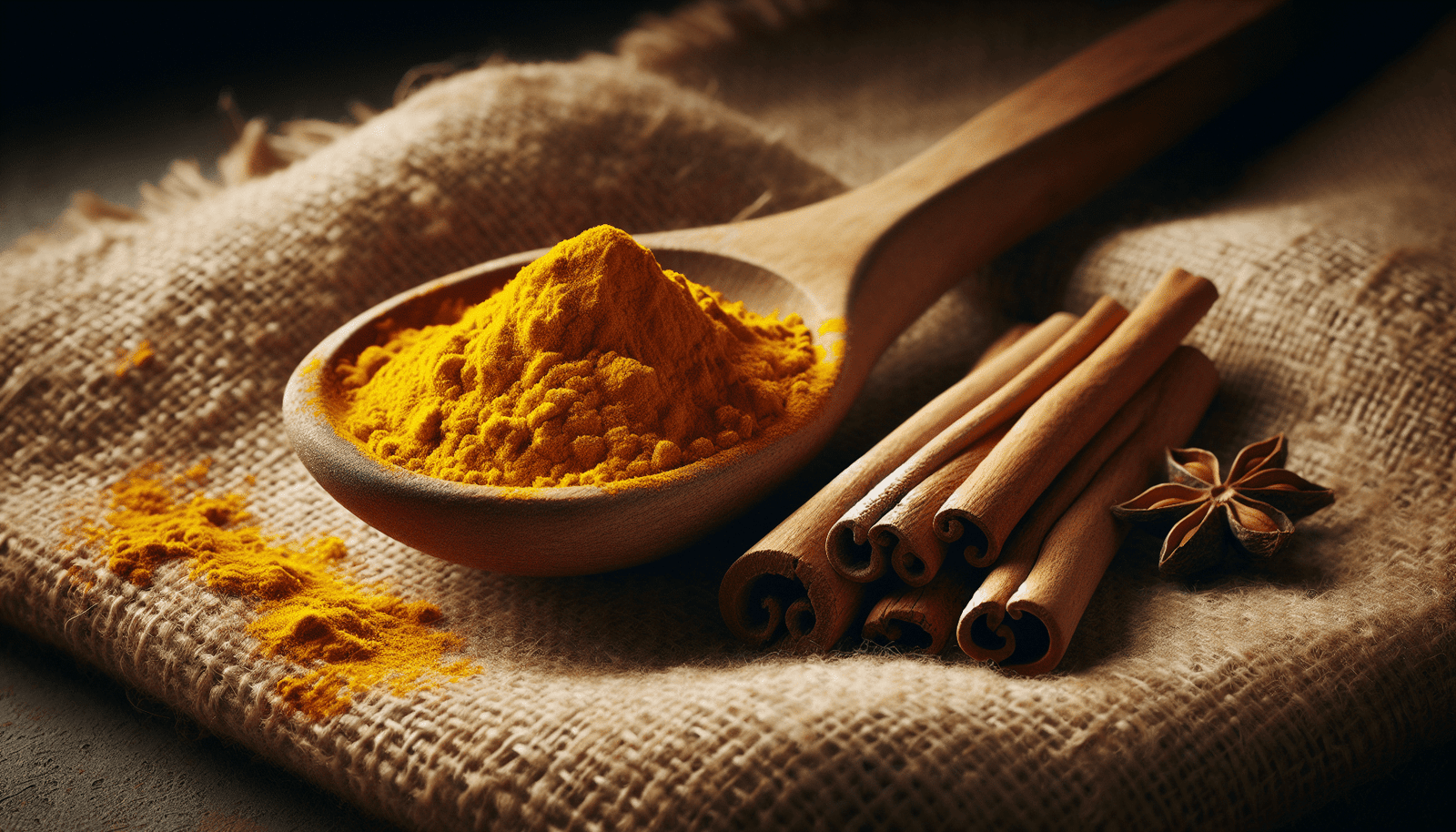
Have you ever wondered about the natural ways to manage diabetes? With an abundance of information around, it can be quite challenging to determine which remedies might be the most effective. Two of the most talked-about spices are turmeric and cinnamon. Both of these flavorful additions to your meals are celebrated for their health benefits, but do they really have an impact on diabetes? Let’s take a closer look at these spices and their potential effects.
Understanding Diabetes
Diabetes is a chronic condition that affects how your body processes glucose, a type of sugar that serves as a primary energy source. When you have diabetes, your body either doesn’t produce enough insulin or cannot effectively use the insulin it produces. Insulin is crucial as it helps regulate blood sugar levels.
The Types of Diabetes
-
Type 1 Diabetes: This is an autoimmune condition where the body destroys insulin-producing cells in the pancreas. Individuals with type 1 diabetes need to take insulin injections for life.
-
Type 2 Diabetes: The more common form, type 2 diabetes typically develops in adults. It occurs when the body doesn’t use insulin efficiently, leading to elevated blood sugar levels. Lifestyle changes, including diet and exercise, can significantly help manage this type.
-
Gestational Diabetes: This type can occur during pregnancy and usually resolves after giving birth. However, it can increase the risk for type 2 diabetes later in life.
The Role of Diet in Diabetes Management
As you manage diabetes, diet plays a critical role in maintaining stable blood sugar levels. By choosing foods with a low glycemic index and incorporating certain spices, you can create a favorable dietary approach.
How Can Spices Help?
Certain spices have been studied for their potential to regulate blood sugar levels and improve insulin sensitivity. Both turmeric and cinnamon are believed to offer these benefits, but they do so in different ways.
Turmeric: The Golden Spice
Turmeric, often referred to as the golden spice, has been praised not just in culinary circles but also for its medicinal properties. Its active compound, curcumin, is responsible for many of its health benefits.
Benefits of Turmeric for Diabetes
-
Anti-Inflammatory Properties: Chronic inflammation is linked to insulin resistance. Curcumin in turmeric may help reduce inflammation, potentially improving insulin sensitivity.
-
Antioxidant Effects: Curcumin is also a potent antioxidant. Antioxidants fight free radicals in the body, which can lead to oxidative stress, a concern for those with diabetes.
-
Blood Sugar Regulation: Some studies suggest that turmeric may help lower blood sugar levels and improve the functioning of pancreatic cells, which can produce insulin.
How to Incorporate Turmeric into Your Diet
Adding turmeric to your meals is relatively easy. You can:
- Mix it into smoothies or juices.
- Add it to soups, stews, and curries for an earthy flavor.
- Brew it in tea with ginger for additional health benefits.
Cinnamon: The Sweet Protector
Cinnamon, a spice derived from the inner bark of trees belonging to the Cinnamomum family, doesn’t just add flavor; it may also have a significant impact on your health.
Benefits of Cinnamon for Diabetes
-
Enhances Insulin Sensitivity: Some research indicates cinnamon can help increase the sensitivity of cells to insulin, which may help lower blood sugar levels.
-
Regulates Blood Sugar: Cinnamon may improve the transport of glucose into cells, ultimately reducing fasting blood sugar levels.
-
Lowers Risk of Complications: By combatting oxidative stress and inflammation, cinnamon may also reduce the likelihood of long-term complications associated with diabetes.
How to Incorporate Cinnamon into Your Diet
Including cinnamon in your daily meals can be both enjoyable and easy. Consider:
- Sprinkling cinnamon on oatmeal or yogurt.
- Mixing it into smoothies and baked goods.
- Adding it to your coffee or tea for a warming touch.

Side Effects and Considerations
While both turmeric and cinnamon offer potential health benefits, it’s important to consider any possible side effects or interactions, especially if you’re taking medication for diabetes.
Turmeric Side Effects
Although generally recognized as safe, excessive consumption of turmeric can lead to stomach upset or diarrhea in some individuals. Furthermore, due to its blood-thinning properties, turmeric should be used cautiously if you are on blood thinners.
Cinnamon Side Effects
Cinnamon, particularly the Cassia variety, contains coumarin, which can be harmful in large amounts. While small amounts are safe, high consumption may increase the risk of liver damage. It’s advisable to choose Ceylon cinnamon for health benefits with lower coumarin content.
Which Is Better for Diabetes?
This question can be subjective, as the effectiveness of turmeric and cinnamon may vary from person to person. Some individuals may find that one spice works better for them than the other, or they may choose to incorporate both for maximum benefit.
Comparing the Two
To simplify your understanding, here’s a quick comparison of turmeric and cinnamon based on specific criteria:
| Criteria | Turmeric | Cinnamon |
|---|---|---|
| Main Active Compound | Curcumin | Cinnamaldehyde |
| Anti-Inflammatory Properties | Strong | Moderate |
| Antioxidant Levels | High | Moderate |
| Impact on Blood Sugar | Promising | Well-Studied |
| Common Side Effects | Gastrointestinal upset | Liver damage (in excess) |
Personalizing Your Approach
The best choice for you might depend on your individual preferences, tolerance, and the specific goals you wish to achieve. It’s wise to start gradually, perhaps by incorporating one spice into your diet while observing how your body responds.
Consulting with Healthcare Professionals
Before making significant changes to your diet or incorporating supplements, it’s advisable to speak with your healthcare provider. They can inform you about the best practices suited to your health needs and manage any medication interactions that may arise.
Combining Turmeric and Cinnamon
If you enjoy the flavors of both spices, there’s no reason you can’t combine them! Many recipes benefit from the synergy of turmeric and cinnamon, both in terms of taste and health benefits.
Recipes to Try
-
Golden Milk: Combine turmeric, cinnamon, coconut milk, and a touch of honey for a delightful warming drink.
-
Spiced Roasted Vegetables: Toss your favorite veggies in olive oil, turmeric, and cinnamon before roasting.
-
Smoothies: Blend spinach, banana, almond milk, turmeric, and cinnamon for a nutritious start to your day.

Lifestyle Changes and Diabetes Management
Beyond spices, adopting a holistic approach to managing diabetes is crucial. Here’s how you can enhance your lifestyle:
Eating a Balanced Diet
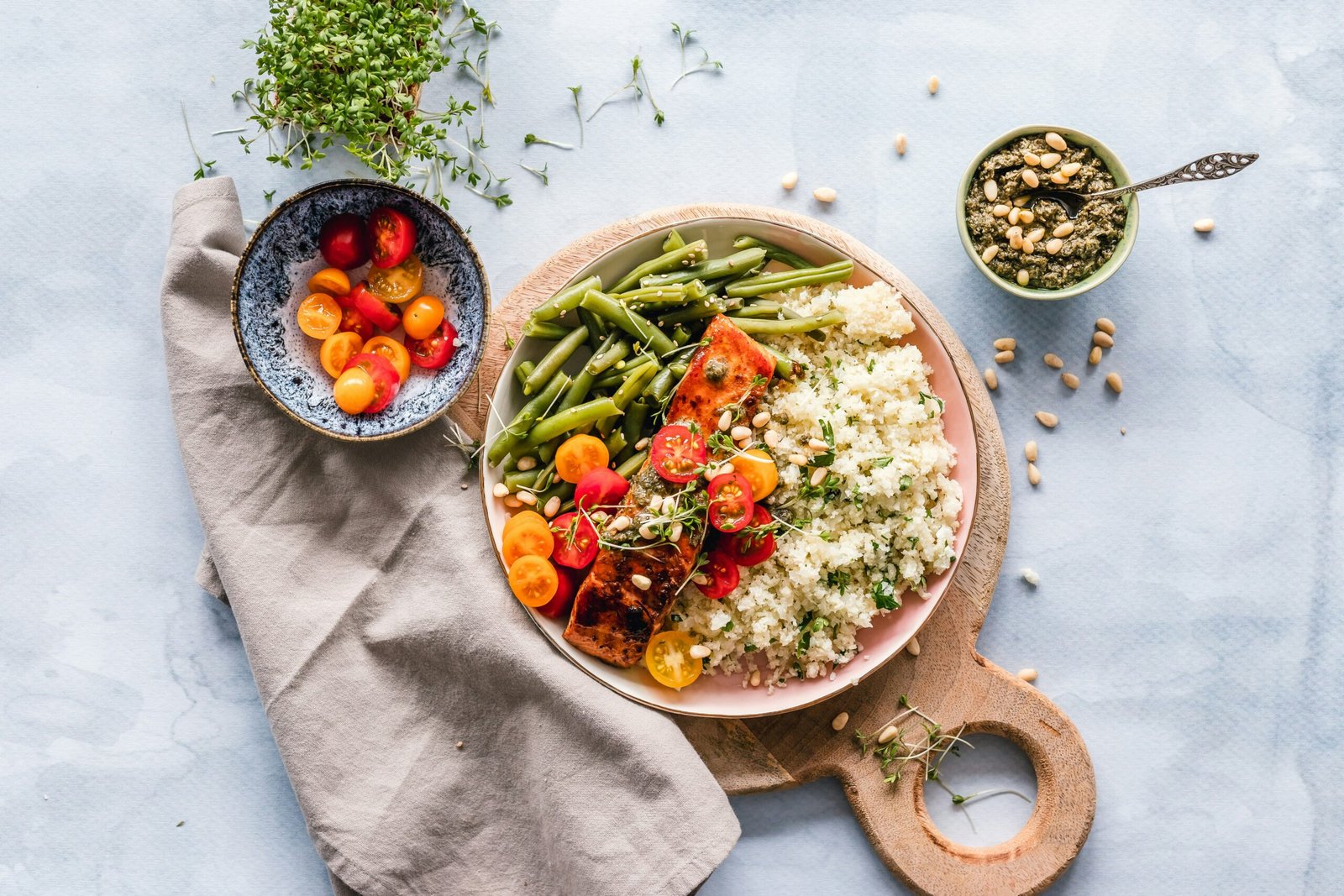
Focus on a diet rich in whole grains, lean proteins, healthy fats, and plenty of fruits and vegetables. Each component contributes to maintaining steady blood sugar levels.
Regular Physical Activity
Incorporating regular exercise can improve insulin sensitivity, promote weight loss, and reduce cardiovascular risk factors associated with diabetes. Aim for a mix of aerobic exercise and strength training.
Monitoring Your Blood Sugar Levels
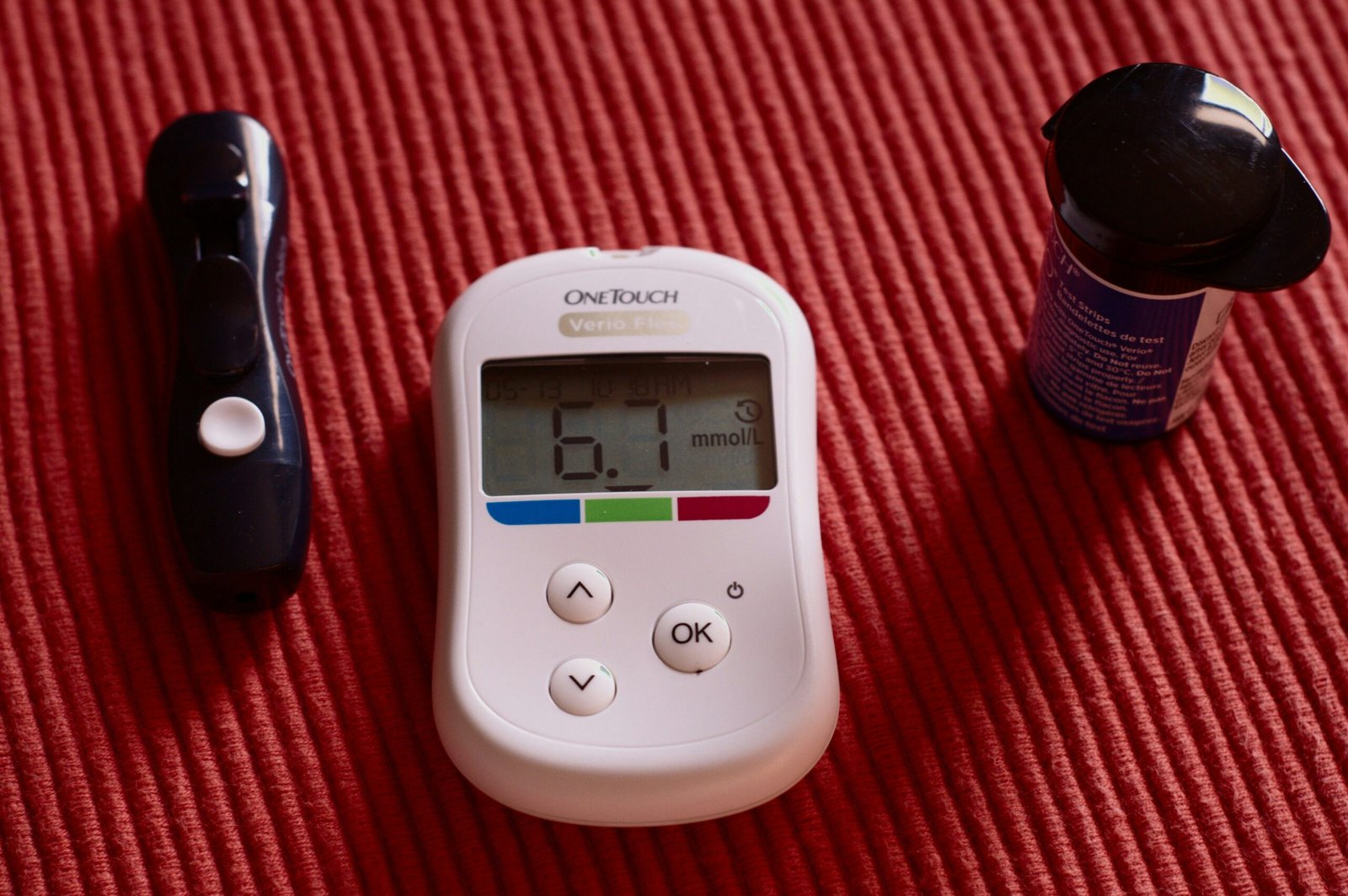
Being aware of your blood sugar levels and how different foods and activities affect them is crucial. This insight helps you manage your diabetes effectively.
Stress Management Techniques
Stress can significantly affect blood sugar levels. Mindfulness practices, meditation, yoga, and adequate sleep can help you manage stress effectively.
Final Thoughts
So, as you consider the roles of turmeric and cinnamon in your diet, remember that each spice comes with its unique benefits. Whether you lean toward the anti-inflammatory properties of turmeric or the insulin-sensitizing effects of cinnamon, you hold the power to make informed choices that align with your health goals.
Ultimately, both spices can support your journey through diabetes management. By embracing a balanced diet and a healthier lifestyle, you can empower yourself in managing this chronic condition. It’s all about making choices that resonate with you and your body, enhancing not just your culinary experiences but also your overall well-being. Enjoy the journey of discovery as you find the perfect balance suited to your needs.