
Have you ever wondered what the best food choices are for maintaining balanced blood sugar levels while still enjoying flavorful meals? One food that often comes to mind is tuna fish. Not only is it packed with protein, but it’s also known for its omega-3 fatty acids. But does this mean it’s suitable for your dietary needs if you’re managing diabetes? Let’s break it down.

Understanding Diabetes and Nutrition
When you’re living with diabetes, nutrition plays a crucial role in your overall health. The food you consume can affect your blood sugar levels, energy, and long-term health. Choosing food that controls blood glucose levels without sacrificing taste can feel challenging.
The Importance of Protein
Protein is essential for everyone, especially for those with diabetes. It helps with muscle maintenance, keeps you feeling full, and can even aid in stabilizing blood sugar levels when included in meals. So, where does tuna fit into this picture?
Tuna Fish: An Overview
Tuna fish comes in various types, with the most popular being canned, fresh, and frozen. This fish is particularly favored for its flavor, versatility, and nutritional benefits. But what makes it a potentially great choice if you’re monitoring your blood sugar levels?
Nutritional Composition of Tuna
For your reference, here’s a quick breakdown of tuna’s nutritional value per 3-ounce serving:
| Nutrient | Amount |
|---|---|
| Calories | 130 |
| Protein | 28 grams |
| Total Fat | 1 gram |
| Omega-3 Fatty Acids | 1,000-1,500 mg |
| Carbohydrates | 0 grams |
| Fiber | 0 grams |
You’ll notice that tuna has a high protein content with very low carbohydrates, making it a great option for those watching their blood sugar levels.
Benefits of Tuna for Diabetics
Tuna has several benefits that align well with the dietary needs of someone with diabetes. Here are just a few:
1. Low in Carbohydrates
Since carbohydrates can lead to spikes in blood sugar, choosing a low-carb option like tuna can help you maintain stable levels throughout the day. This is especially beneficial if you’re focusing on controlling your carbohydrate intake.
2. High in Protein
As mentioned earlier, protein helps you feel satiated and can aid in controlling hunger. With its high protein content, tuna can make a filling meal or snack that keeps your appetite in check, which is vital when managing diabetes.
3. Rich in Omega-3 Fatty Acids
Tuna offers a significant dose of omega-3 fatty acids. These healthy fats can improve heart health, which is particularly important for diabetics, as they often face a higher risk of heart disease. Including omega-3s in your diet may also have anti-inflammatory properties, contributing to overall well-being.
4. Versatility in Cooking
One of the fantastic things about tuna is its versatility. Whether canned, grilled, or baked, it can be incorporated into various meals. You can toss it into salads, make a sandwich, or even use it in casseroles. This adaptation to different dishes keeps your diet exciting and diverse.

Different Forms of Tuna
You might wonder which type of tuna is the best for your diet.
Canned Tuna
Canned tuna is convenient and shelf-stable, making it an easy option for quick meals. When selecting canned tuna, consider choosing varieties packed in water rather than oil to reduce additional calories and fats.
Fresh Tuna
Fresh tuna has a richer flavor and can be enjoyed grilled, seared, or sushi-style. While it may come with a higher price tag, many people find the taste and texture worth the splurge.
Frozen Tuna
Frozen tuna is another practical option. It’s often flash-frozen to preserve freshness, and you can use it at your convenience. Just ensure you’re thawing it properly before cooking.

Potential Concerns with Tuna Consumption
While tuna has many benefits, there are some considerations to keep in mind.
Mercury Levels
One concern with consuming tuna is the level of mercury it can contain. Larger species, such as albacore and bluefin, tend to have higher mercury levels, which can be harmful over time. It’s generally recommended to limit your intake of these types of tuna, especially for pregnant women and children.
Balanced Diet
While tuna is nutritionally beneficial, it is essential to maintain a balanced diet. Eating too much of any one food can lead to nutrient gaps. Incorporating various protein sources, including lean meats, legumes, and plant-based options, is critical.
How to Incorporate Tuna into Your Meals
If you’re interested in adding tuna to your diet, here are some delicious and healthy ways to do so:
Tuna Salad
A classic tuna salad can be made healthier by using plain Greek yogurt instead of mayonnaise. Mix in diced celery, onions, and a sprinkle of herbs for flavor. Serve it on whole-grain bread or in lettuce wraps for a low-carb option.
Tuna Stir-Fry
You can sauté fresh tuna with vegetables such as bell peppers, broccoli, and snap peas for a vibrant stir-fry. Season it with soy sauce or a low-sodium alternative for a quick and fulfilling meal.
Tuna Tacos
Make your own version of tacos using tuna. Mix canned tuna with avocado, diced tomatoes, and onions. Serve in lettuce leaves or whole-grain tortillas for a fun twist.
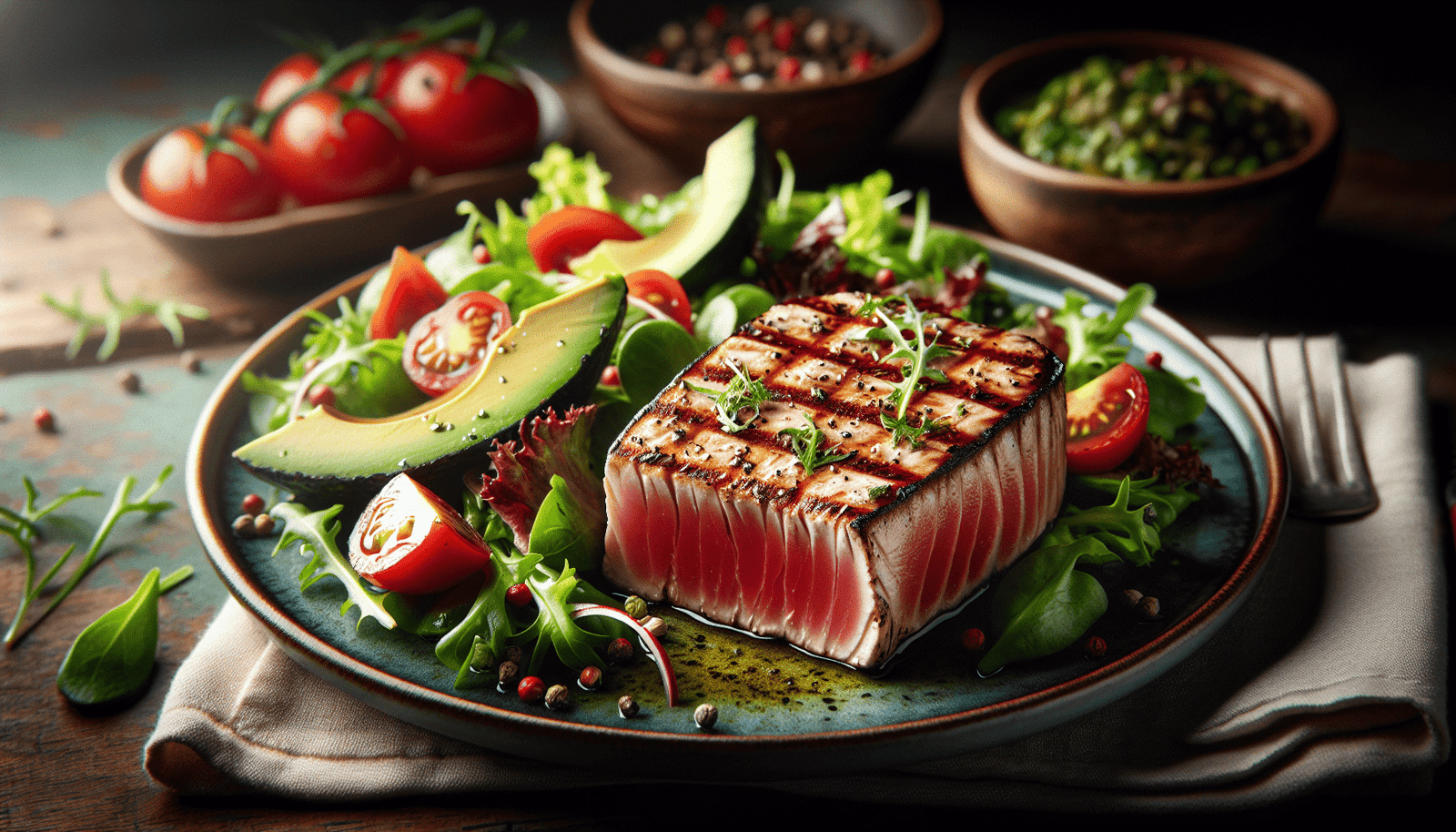
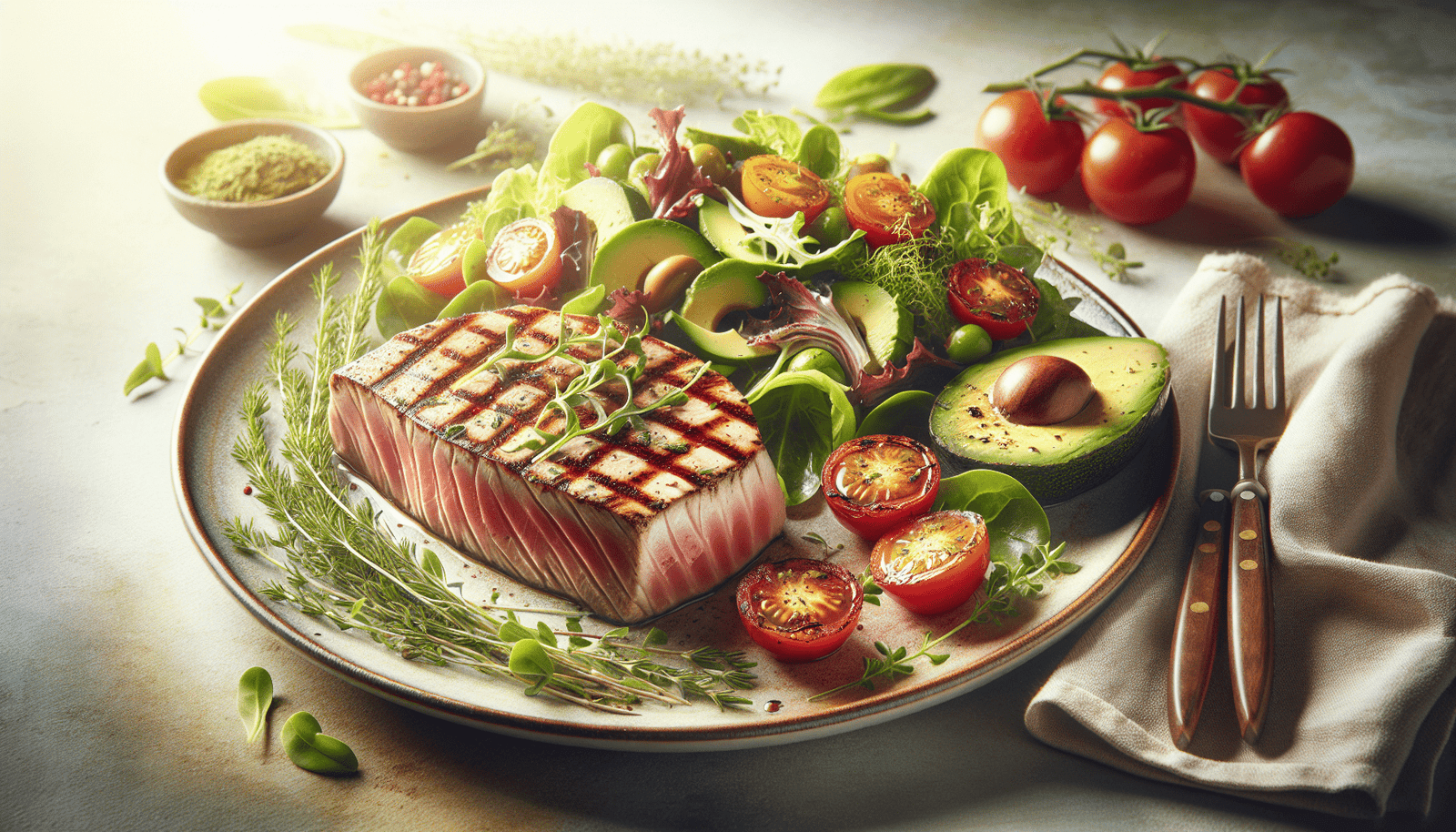
Grilled Tuna Steaks
If you have fresh tuna, try grilling it. Simply marinate it in lemon juice, garlic, and herbs for a flavorful main dish. Pair it with a side of vegetables for a balanced meal.
Conclusion
To sum things up, tuna fish is generally a good addition to your diet if you are managing diabetes. It is low in carbohydrates, high in protein, and offers a wealth of beneficial omega-3 fatty acids. However, it is essential to pay attention to the type of tuna and how frequently you consume it due to potential mercury levels. By incorporating it into a varied diet filled with other healthy foods, you can enjoy the benefits of tuna while maintaining balanced blood sugar levels.
So, the next time you’re contemplating a meal, consider the various delicious ways you can enjoy tuna fish while supporting your health. Your taste buds—and your body—will thank you!