
Have you ever felt a shift in your body, one that brings with it a slew of changes you didn’t anticipate? If you’re navigating through menopause, you’re not alone. This natural transition can bring a variety of symptoms that might feel overwhelming. One increasingly popular approach to managing these symptoms is the menopause patch remedy. Let’s unpack what this entails and how it might benefit you.

Understanding Menopause
Menopause is a natural biological process that marks the end of a woman’s menstrual cycles. It typically occurs in your 40s or 50s, but its onset can vary greatly. The transition can bring about various physical and emotional changes, known collectively as menopausal symptoms.
Common Symptoms of Menopause
During menopause, you may experience several symptoms, including:
- Hot Flashes: Sudden feelings of heat, often accompanied by sweating.
- Night Sweats: Hot flashes that occur at night, disrupting your sleep.
- Mood Swings: Changes in mood, irritability, or difficulty concentrating.
- Sleep Disturbances: Trouble falling or staying asleep, often linked to night sweats.
- Vaginal Dryness: Decreased moisture, which can lead to discomfort during intimacy.
Each woman’s experience is unique, so understanding the symptoms you face is crucial in addressing them effectively.
What is a Menopause Patch?
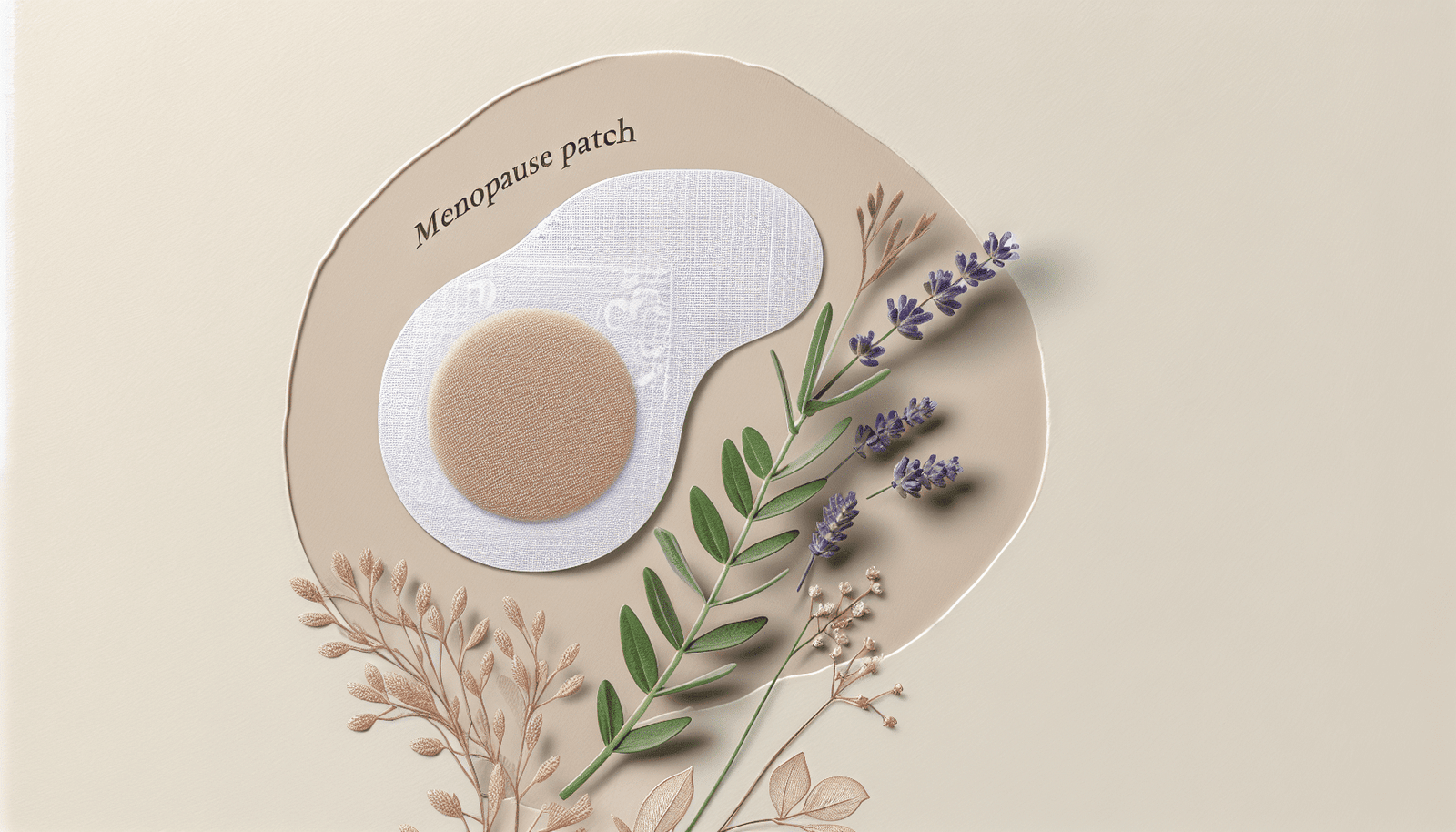
The menopause patch is a transdermal delivery system designed to release hormones directly into your bloodstream through your skin. It’s a form of hormone replacement therapy (HRT) that can help alleviate some of the symptoms associated with menopause.
Types of Menopause Patches
There are various types of hormone patches available on the market, including:
| Patch Type | Hormonal Composition | Purpose |
|---|---|---|
| Estrogen-only patch | Contains estrogen | Primarily for women who have had a hysterectomy. |
| Combination patch | Contains estrogen and progestin | Suitable for women who still have their uterus. |
| Bioidentical patch | Contains hormones chemically identical to those produced by the body | Often preferred for those seeking a more natural option. |
Choosing the right patch depends on your individual health needs, which are best discussed with your healthcare provider.
How Does a Menopause Patch Work?
The menopause patch works by delivering hormones through your skin and into your bloodstream. This approach can maintain more stable hormone levels compared to oral medications, which may lead to fewer side effects and a quicker response.
Application Process
To use a menopause patch, follow these steps:
- Choose a Location: Select a clean, dry area of skin on the abdomen, buttocks, or back. Avoid areas with cuts or irritations.
- Clean the Skin: Ensure the chosen area is free from lotions or oils that could interfere with adhesion.
- Apply the Patch: Peel the backing and apply it directly to the skin. Press firmly for about 10 seconds to ensure it adheres.
- Change Regularly: Depending on the specific patch you’re using, you may need to change it every few days or weekly.
It’s also important to follow your doctor’s specific instructions regarding usage.
Benefits of Using a Menopause Patch
Using a menopause patch can come with several benefits, making it a compelling option for many women facing menopausal symptoms.
Symptom Relief
The primary benefit of using a menopause patch is the alleviation of common symptoms associated with menopause. Many women report a significant reduction in hot flashes and night sweats, leading to a better quality of life and improved sleep.
Ease of Use
The convenience of a patch is appealing. Unlike daily oral medications, you’ll only need to change your patch once or twice a week, reducing the burden of having to remember to take a pill every day.
Lowered Risk of Side Effects
Since the patch delivers hormones directly into the bloodstream, many women experience fewer gastrointestinal side effects compared to oral medications. This method can also help bypass the liver, which can break down some hormones and potentially reduce their effectiveness.
Potential Risks and Considerations
While menopause patches can be beneficial, they are not without risks. Understanding these factors is essential for informed decision-making.
Common Side Effects
Some women may experience side effects when using menopause patches, including:
- Skin irritation or rash at the site of application
- Nausea
- Mood changes
- Headaches
These side effects often subside as your body adjusts, but it’s crucial to monitor your response and consult with a healthcare professional if concerns arise.
Health Risks
Hormone replacement therapy, including patches, may carry certain health risks. Potential concerns include:
- Increased risk of blood clots
- Increased risk of stroke
- Possible link to certain types of cancers
Your doctor can evaluate your individual risk factors based on your medical history and provide guidance tailored to your situation.
Talking to Your Doctor
Navigating menopause and choosing the right treatment option can be challenging. When you speak with your healthcare provider, be prepared to discuss:
Your Symptoms
Make a list of the symptoms you’re experiencing, how severe they are, and how they impact your daily life. This information will help your physician provide the best possible recommendations.
Medical History
Disclose your medical history, particularly any past hormone therapies, chronic illnesses, or family history of hormone-related cancers. Transparency is key to receiving personalized care.
Treatment Options
Ask about the various treatment options available, including patches, pills, and non-hormonal remedies. Understanding the pros and cons of each can empower you to make an informed choice.

Alternative Remedies for Menopause Symptoms
Not everyone may want to pursue hormone replacement therapy. However, other remedies can help alleviate symptoms associated with menopause.
Lifestyle Modifications
Making certain lifestyle changes can significantly impact how you feel during menopause:
- Dietary Adjustments: Incorporating a balanced diet rich in fruits, vegetables, whole grains, and lean proteins can support your overall health.
- Regular Exercise: Staying active can help manage weight, improve mood, and reduce hot flashes.
- Stress Reduction Techniques: Practicing yoga, meditation, or deep breathing can help reduce stress and improve your emotional well-being.
Natural Supplements
Some women find relief from supplements like:
- Black Cohosh: Often used for hot flashes and mood swings.
- Flaxseed: May help with hot flashes and improve heart health.
- Evening Primrose Oil: Some women report reductions in breast tenderness and mood swings.
Before starting any new supplements, consult with your healthcare provider to ensure safety and effectiveness.
The Role of Support Networks
Navigating menopause can feel isolating, but it doesn’t have to be. Connecting with others who are experiencing similar changes can provide emotional support and practical advice.
Finding Support Groups
Consider joining support groups, whether in person or online. Sharing your experiences and hearing those of others can help you feel less alone in your journey.
Talking About It
Don’t hesitate to discuss your experiences with friends or family members. The openness can foster understanding and connection, while also educating those who may not yet be aware of what menopause entails.
Closing Thoughts
Menopause is a significant life transition that can come with its fair share of challenges. The menopause patch may offer a viable solution for easing symptoms and improving your quality of life. It all begins with understanding what options are available to you and how you can navigate this natural process.
As you consider the menopause patch remedy, you’ll want to weigh the benefits against the risks and explore alternative solutions. What’s most important is finding the right path forward for your unique needs. Don’t hesitate to reach out to a healthcare provider, talk to others, and take charge of your well-being during this time of change.
Understanding your body, your health, and what works best for you is essential in making this transition as smooth as possible. Embrace the journey ahead, and know that support is available whenever you need it.