
Have you ever experienced that uncomfortable burning sensation in your chest or throat after eating? If so, you’re not alone! Millions of people struggle with acid reflux, and the foods you choose to eat can significantly impact your comfort levels. But what should you eat when dealing with this condition?
Understanding Acid Reflux
Acid reflux occurs when the stomach acid flows back into the esophagus, causing irritation and discomfort. This can happen for various reasons, including diet, obesity, and certain lifestyle choices. It’s important to know that what you eat can help either alleviate or exacerbate symptoms.
Symptoms of Acid Reflux
Recognizing the symptoms is the first step toward managing acid reflux effectively. Common symptoms include:
- Heartburn: A burning sensation in the chest
- Regurgitation: A sour or bitter taste in the mouth
- Difficulty swallowing
- Chronic cough or throat clearing
Triggers of Acid Reflux
Identifying your personal triggers can help you manage your symptoms better. Some common triggers include fatty foods, spicy foods, citrus fruits, tomato products, garlic, and caffeine. It might be valuable to keep a food diary to track what aggravates your symptoms.
Foods to Eat When You Have Acid Reflux
Maximizing your comfort starts with choosing the right foods. Here’s a breakdown of what you should consider adding to your diet if you’re dealing with acid reflux.
Lean Proteins
Lean proteins can be a great choice to keep your meals satisfying without aggravating your acid reflux.
Recommended Options:
- Skinless poultry (chicken or turkey)
- Fish (especially salmon and trout)
- Egg whites
Including these lean options will help keep your meals healthy while minimizing discomfort.
Vegetables
Most vegetables are low in fat and can promote a healthy digestive system. However, some veggies might be more soothing when dealing with acid reflux.
Best Choices:
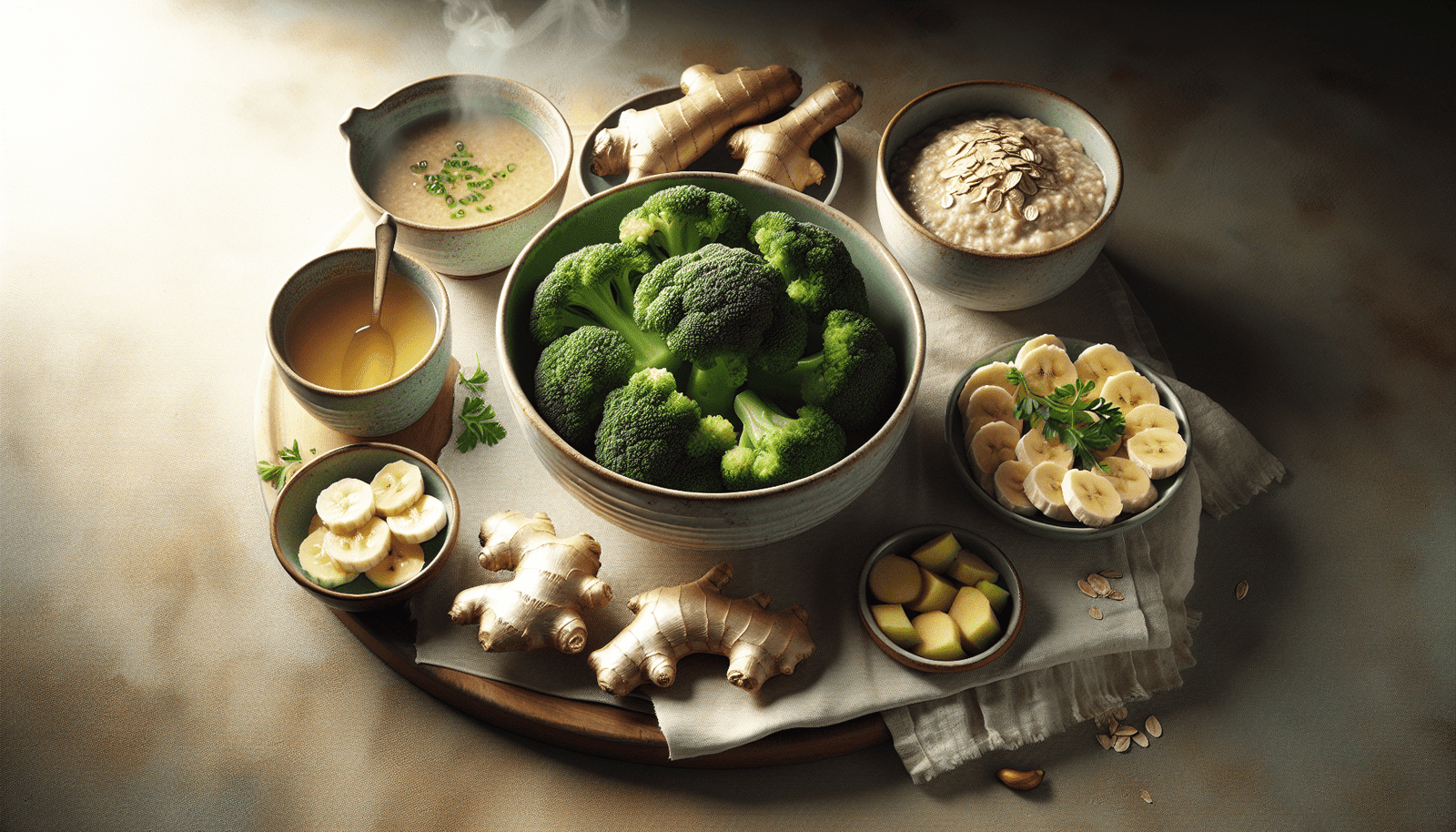
- Broccoli
- Carrots
- Green beans
- Peas
- Spinach
These vegetables are low in acidity and can be cooked in various ways. Steaming or roasting can enhance their flavor without adding unhealthy fats.
Whole Grains
Whole grains are excellent for digestion and can help absorb stomach acid.
Healthy Whole Grain Options:
- Oats
- Brown rice
- Quinoa
- Whole-grain bread
Incorporating these grains into your meals can also provide good fiber, promoting a healthier digestive tract.
Low-Fat Dairy
Dairy can sometimes be tricky, especially if you’re lactose intolerant. However, low-fat options can be soothing for acid reflux.
Kind Options:
- Yogurt (try to choose unsweetened)
- Cottage cheese
- Low-fat milk
The calcium and protein in low-fat dairy can often help soothe the digestive tract without causing symptoms to flare up.

Foods to Avoid
While certain foods can be beneficial, others can be detrimental and worsen your symptoms. Here’s a list of items to steer clear of when managing acid reflux.
Fatty Foods
High-fat foods can slow down digestion and trigger reflux symptoms.
Avoid:
- Fried foods
- High-fat meats
- Full-fat dairy products
- Creamy dressings
If you’re looking for alternatives, opt for steaming or grilling instead of frying, and choose leaner cuts of meat.
Spicy Foods
Spicy foods can irritate your stomach lining and contribute to acid buildup.
Common Offenders:
- Hot sauces
- Spicy tacos
- Curry dishes
If you enjoy a kick of flavor, consider using milder spices like herbs instead.
Citrus Fruits
While fruits are generally healthy, citrus fruits can increase stomach acidity.
Be Cautious With:
- Oranges
- Grapefruits
- Lemon and lime
If you enjoy citrus, you might opt for other fruits that are less acidic like bananas or melons.
Meal Preparation Tips
Now that you know what to eat and what to avoid, let’s take a look at some helpful meal preparation tips.
Eating Smaller Portions
Instead of big meals, try to eat smaller portions throughout the day. This can relieve pressure on your stomach and reduce acid reflux symptoms.
Chew Your Food
Taking the time to chew your food thoroughly can make a difference in how your body digests it. Chewing breaks down food, making it easier for your stomach to process.
Stay Upright After Eating
Remaining upright for at least 30 minutes after eating can help prevent acid from rising back into the esophagus. This simple practice can often be a game changer in how you feel post-meal.
Cooking Methods Matter
The way you prepare your food can significantly change how your body reacts to it.
Recommended Methods:
- Baking
- Steaming
- Grilling
These methods allow for flavorful meals without added fats that may irritate your stomach.

Sample Meal Ideas
To help you start crafting meals that are gentle on acid reflux, here are some easy ideas:
Breakfast
- Oatmeal topped with sliced bananas and a drizzle of honey
- Scrambled egg whites with spinach and whole-grain toast
- Low-fat yogurt with blueberries
Lunch
- Grilled chicken salad with a variety of greens and a light vinaigrette
- Quinoa and vegetable stir-fry
- Turkey and avocado wrap in a whole-grain tortilla
Dinner
- Baked salmon with steamed broccoli and brown rice
- Stir-fried chicken with carrots and peas over quinoa
- Vegetable soup with whole-grain bread
Snacks
- Sliced cucumbers and carrot sticks
- Apples with almond butter (ensure you tolerate apples)
- Low-fat cheese with whole-grain crackers
Hydration and Acid Reflux
Staying hydrated is crucial for your overall health, but beverages can impact acid reflux too. Here are some tips for mindful hydration.
What to Drink
Opt for beverages that won’t upset your stomach.
Good Choices:
- Water
- Herbal teas (like chamomile or ginger)
- Non-citrus juices (like apple or pear)
What to Avoid Drinking
Some drinks can significantly trigger symptoms.
Avoid:
- Caffeinated beverages
- Carbonated drinks
- Alcohol
The Role of Herbal Teas
Herbal teas can often soothe your stomach and provide additional benefits. Chamomile and ginger tea are known for their anti-inflammatory properties and can help you feel more comfortable.

Lifestyle Changes to Manage Acid Reflux
Changing your eating habits is often the first step, but a few lifestyle modifications can also help you manage acid reflux more effectively.
Maintain a Healthy Weight
Excess weight can put extra pressure on your stomach, leading to more frequent acid reflux. Focus on a balanced diet combined with regular physical activity to find a healthy weight that works for you.
Avoid Tight Clothing
Tight clothing can put additional pressure on your stomach and exacerbate symptoms. Opt for looser clothing styles, especially after meals.
Quit Smoking
If you smoke, seeking help to quit can significantly improve your acid reflux symptoms. Smoking can decrease the effectiveness of the lower esophageal sphincter, leading to more frequent reflux.
Monitoring Your Symptoms
Keeping track of your symptoms can provide valuable insight into what works for you. Consider maintaining a journal to monitor:
- What you eat
- Your symptoms and their timing
- Any lifestyle factors that may be contributing
This information can help you pinpoint patterns and make necessary adjustments.
Seeking Professional Help
If your symptoms are severe or persist despite dietary changes, speaking with a healthcare provider is essential. They can offer tailored advice, and in some cases, prescribe medications that can alleviate your discomfort.
When to See a Doctor
Consider seeking medical attention if you experience:
- Severe or persistent heartburn
- Difficulty swallowing
- Unexplained weight loss
- Gastrointestinal bleeding
These could signal more serious conditions and shouldn’t be ignored.
In conclusion, managing acid reflux takes a combination of mindful eating habits, lifestyle changes, and possibly professional guidance. By being aware of what you consume and how it affects your body, you can find relief and enjoy a balanced diet. Your journey to symptom management is in your hands, so feel empowered to make the choices that work best for you!