What if you could find a way to help your body feel refreshed and rejuvenated, especially if you’re living with diabetes? The idea of cleansing can be enticing, but it often comes with a myriad of questions, particularly when it involves maintaining blood sugar levels and overall well-being. It’s essential to understand what cleansing means for you and how to approach it safely and effectively.
Understanding Cleansing
Cleansing generally refers to dietary practices or products aimed at removing toxins from the body and promoting overall health. For some, this may involve a short-term plan that restricts certain foods, while for others, it may include incorporating specific juices or supplements. However, if you have diabetes, it’s crucial to consider how cleansing may affect your unique health needs.
What Does Cleansing Mean for Diabetics?
For those with diabetes, cleansing should not mean drastic changes that can lead to erratic blood sugar levels. Instead, focus on gentle practices that support your body rather than overwhelm it. While traditional cleanses might be tempting, it’s essential to choose methods that align with your health needs.
Why Cleansing Could Be Beneficial
You might wonder why cleansing could be beneficial, especially as a diabetic. Keeping your body in optimal condition can enhance your overall health, and this includes managing diabetes.
Potential Benefits of Cleansing
-
Improved Digestion: A well-planned cleanse can help improve digestion, making it easier for your body to break down food and absorb nutrients.
-
Enhanced Energy Levels: Many people report feeling more energetic after a cleanse, as it can inspire healthier eating habits that sustain energy.
-
Reduced Inflammation: Certain cleanses focus on eliminating inflammatory foods, which can be particularly helpful for managing diabetes.
-
Promotes Mindful Eating: A cleanse encourages you to think about what you’re putting in your body, fostering a more mindful approach to eating.
Risks of Cleansing for Diabetics
However, cleansing isn’t without its risks, especially for you as someone managing diabetes.
-
Blood Sugar Fluctuations: Drastic changes in diet can cause spikes or dips in blood sugar levels, which may lead to serious health issues.
-
Loss of Essential Nutrients: Some cleanses can limit your intake of vital nutrients that are necessary for maintaining balanced blood sugar levels.
-
Potential for Disordered Eating: Excessive focus on cleansing can sometimes lead to unhealthy eating behaviors, which is something to be particularly cautious about.
Choosing the Right Cleansing Approach
When considering a cleanse, it’s essential to tailor your approach to suit your diabetic needs. Rather than going for the latest fad, you can choose practices that promote wellness while being kind to your body.
A Mindful Approach to Cleansing
-
Consult a Healthcare Professional: Before starting any cleanse, especially as a diabetic, it’s wise to consult with your healthcare provider. They can provide personalized advice based on your health needs.
-
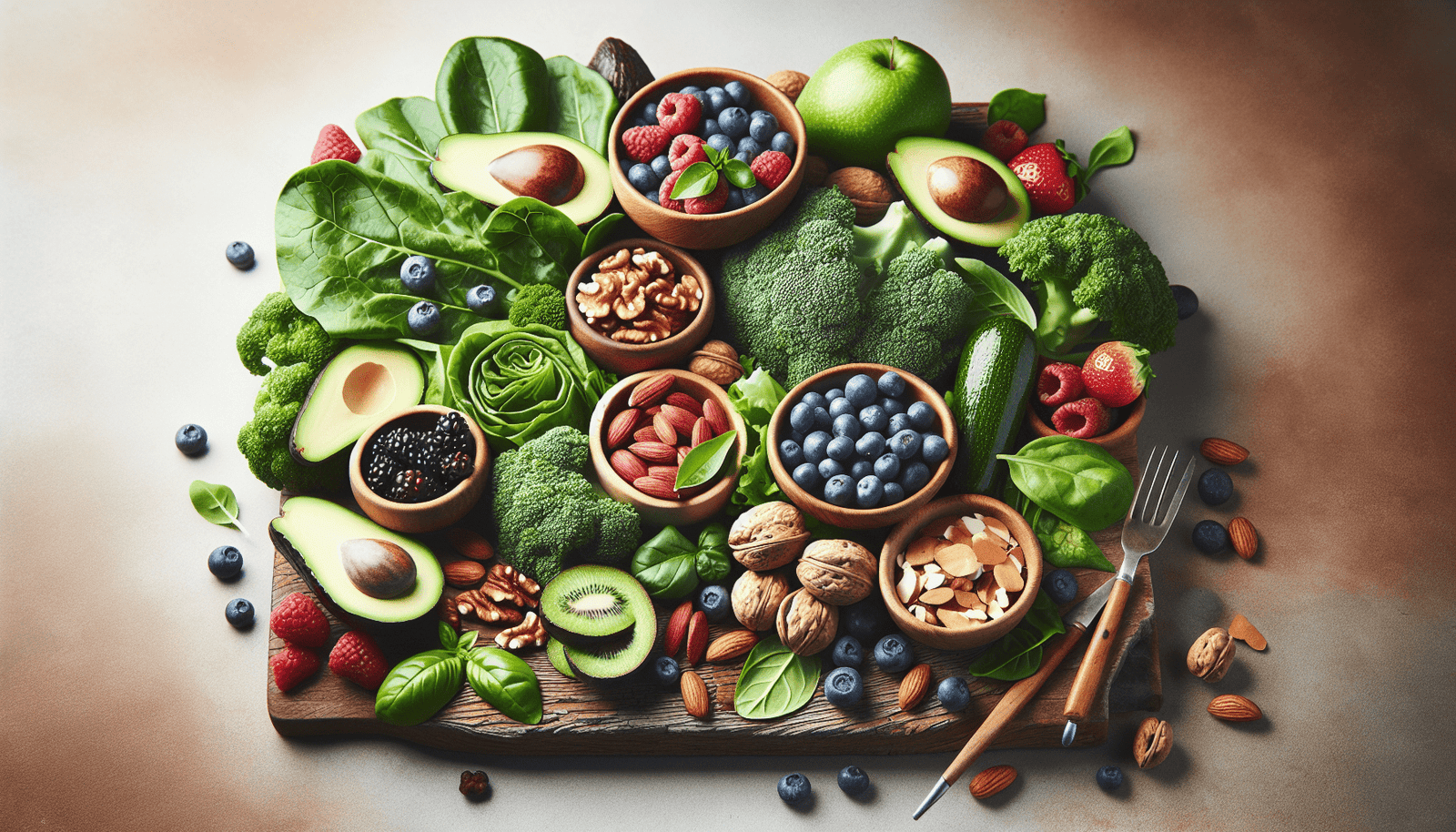
Focus on Whole Foods: Rather than restricting diets, you can emphasize the inclusion of nutrient-dense whole foods that can aid your body in detoxifying naturally.
The Best Cleanses for Diabetics
Now that you have a better understanding of cleansing, it’s time to look at what might work best for you. Here are several cleansing methods that have shown promise for those managing diabetes.
1. Whole Food Cleanse
This approach emphasizes eating whole, unprocessed foods while avoiding sugars and refined carbohydrates.
- Benefits: Improves blood sugar control, reduces inflammation, and provides essential nutrients.
- What to Include: Leafy greens, vegetables, lean proteins, healthy fats, nuts, and seeds.
| Food Type | Recommendations |
|---|---|
| Vegetables | Spinach, broccoli, kale |
| Lean Proteins | Chicken, turkey, tofu |
| Healthy Fats | Avocado, olive oil, nuts |
| Whole Grains | Quinoa, brown rice |
2. Juice Cleanse (With Caution)
If you’re considering a juice cleanse, it’s essential to select vegetable-based juices that are low in sugar and made from whole ingredients.
- Benefits: Can provide a concentrated source of vitamins and minerals.
- Safety Note: Make sure to monitor your blood sugar levels closely during this process.
| Juice Type | Recommended Ingredients |
|---|---|
| Green Juice | Spinach, cucumber, lemon |
| Vegetable Juice | Carrot, beet, celery |
| Low Sugar Fruit Juice | Berries, green apple |
3. Intermittent Fasting
This approach involves cycling between periods of eating and fasting. It’s not for everyone, but it might work for you if done with care.
- Benefits: Can improve insulin sensitivity and support weight management.
- How to Start: You could start with a 12:12 cycle, fast for 12 hours and eat within a 12-hour window.
Making the Most of Your Cleanse
To ensure your cleansing experience is positive and beneficial, consider these additional tips.
Staying Hydrated
It’s vital to drink plenty of water throughout your cleanse. Hydration helps your kidneys and liver to eliminate toxins more effectively.
Monitoring Blood Sugar Levels
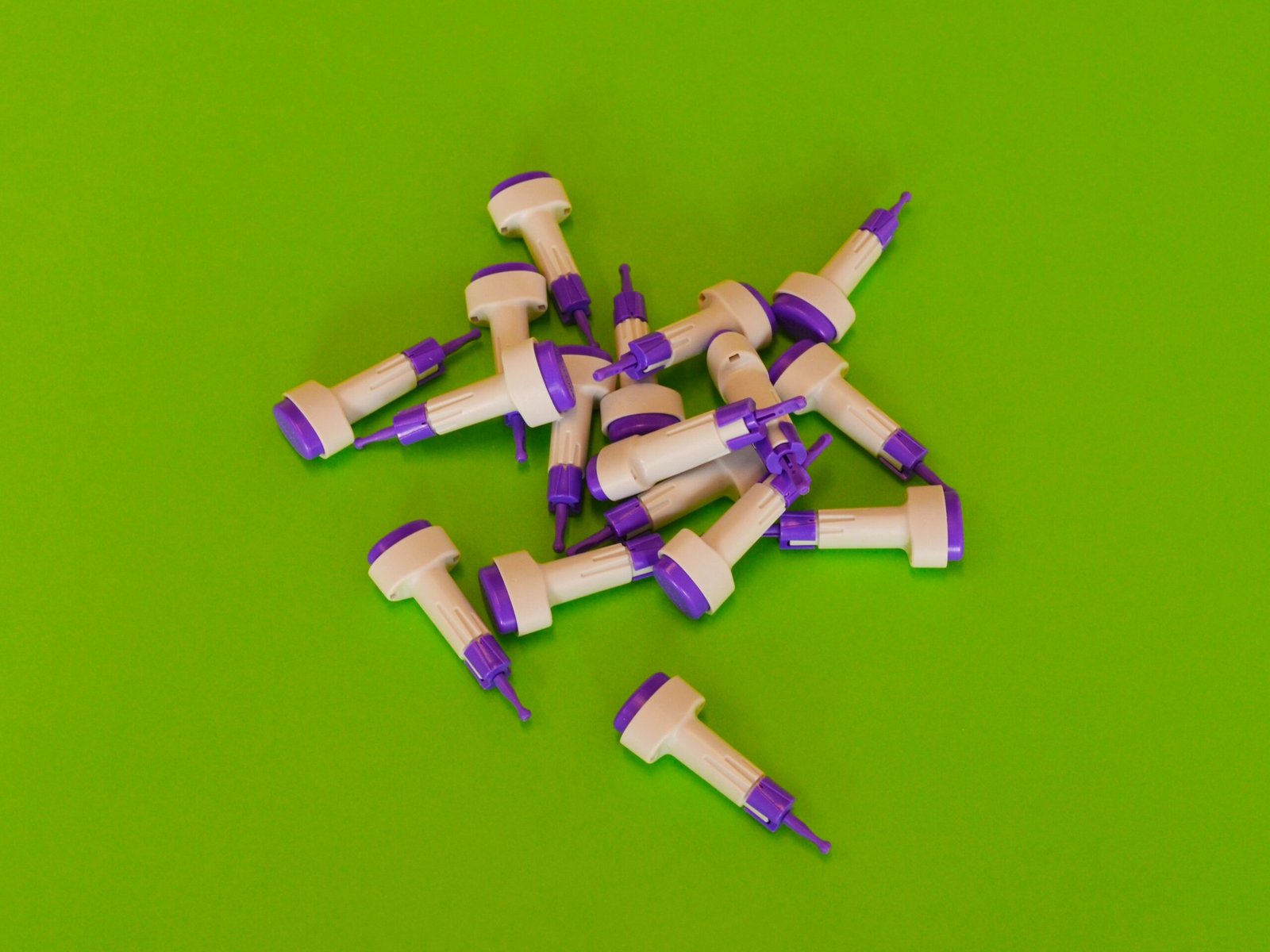
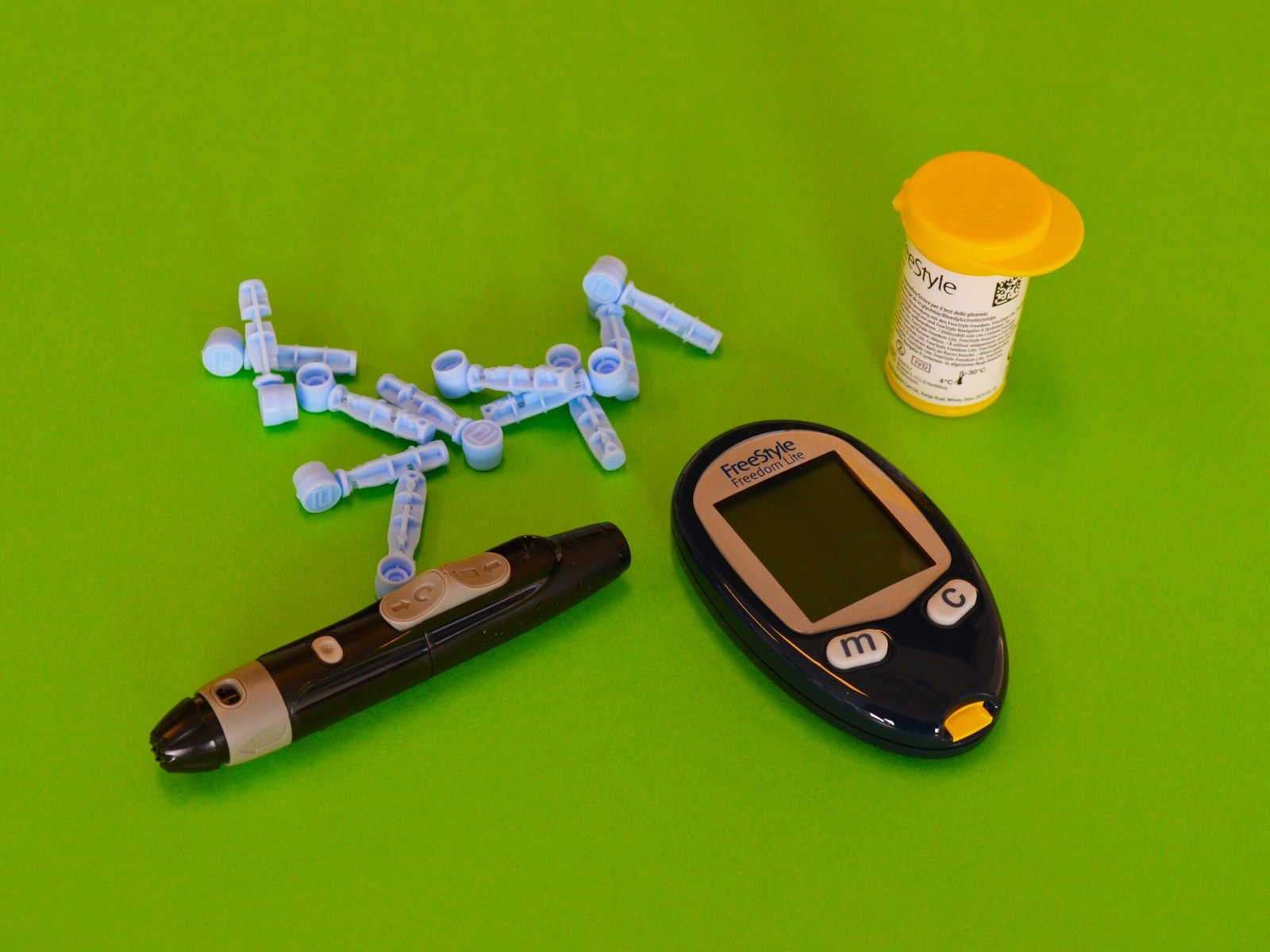
Be proactive about monitoring your blood sugar levels to see how your body is responding to the cleanse. Keeping a log can help you understand your body’s needs better.
Incorporating Exercise
Physical activity can support the cleansing process. Gentle movements like walking, yoga, or stretching can be beneficial without putting additional stress on your body.
Transitioning After Your Cleanse
Once you’ve completed your cleanse, easing back into your regular routine is essential, particularly for managing diabetes.
Reintroduction of Foods
As you begin to reintroduce new foods and meals, do so gradually. This can help prevent any sudden spikes in blood sugar.
-
Start with Whole Foods: Reintroduce whole foods again to ensure that you’re nourishing your body adequately.
-
Monitor Reactions: Keep track of how your body feels as you transition back to your usual diet.
-
Limit Processed Foods: Try to minimize the intake of processed foods and sugars to maintain your health gains from the cleanse.
Building Healthy Long-Term Habits
Cleansing can be a part of a larger journey toward healthier living. However, building long-term habits that support your health is crucial, particularly when managing diabetes.
Nutrition Education
Investing time in understanding nutrition can help you make informed choices. Familiarize yourself with carbohydrates, glycemic indexes, and how different foods affect your blood sugar.
Regular Health Check-ins
Maintain regular appointments with your healthcare provider to monitor your diabetes management and overall health strategies.
Finding Support
Consider seeking out support groups or communities. Sharing your experiences with others who understand can provide invaluable encouragement and motivation.
Conclusion
You have the power to decide on a cleansing approach that aligns with your health needs as a diabetic. Being informed about what the best cleanse looks like for you can ensure a refreshing and revitalizing experience without compromising your well-being. Focus on moderation and mindfulness, prioritize whole foods, and consult with healthcare professionals to navigate your journey effectively.
Ultimately, you’re not just cleansing your body; you’re nurturing it. As you embrace healthier habits, remember that every small step counts towards a healthier and happier you.