
You’re navigating perimenopause or menopause, and while you braced yourself for hot flashes and mood swings, you definitely weren’t expecting this: acne. You might be thinking, “Wait, didn’t I conquer pimples in my teens?” You’re not alone. This unwelcome resurgence can be just as frustrating, but understanding why it’s happening is the first step to reclaiming your clear skin. As your trusty Listicle Content Architect, I’m here to break down the “Acne During Menopause Explained” for you, so let’s dive in.
You’re likely well aware that menopause involves significant shifts in your body’s hormone levels. It’s not just your reproductive system that’s affected; these hormonal changes have a ripple effect throughout your entire endocrine system, and your skin is a prime example. Think of it as a finely tuned orchestra where the conductor (hormones) suddenly starts changing the tempo and melody, and your skin is playing a new, sometimes discordant, tune.
The Decline of Estrogen and Progesterone
As you approach menopause, your ovaries begin to decrease their production of key hormones: estrogen and progesterone. This is the primary driver behind many menopausal symptoms, and its impact on your skin is profound.
Estrogen’s Protective Role
Estrogen plays a vital role in maintaining skin health and appearance. You’re accustomed to estrogen helping to keep your skin hydrated, supple, and elastic. It promotes collagen production, which is like the scaffolding that keeps your skin firm and plump. It also plays a part in regulating sebum (oil) production and helping to keep inflammation in check. When estrogen levels drop, your skin loses these protective benefits.
- Hydration Loss: Lower estrogen can lead to drier skin, making it more prone to irritation and breakouts. You might notice your skin feels tighter, less dewy, and perhaps even a bit flaky.
- Collagen Depletion: The gradual decrease in collagen means your skin loses some of its firmness and elasticity. This can make pores appear more prominent and can contribute to a general dullness in complexion.
- Thinning Epidermis: Estrogen also helps to maintain the thickness of your epidermis, your skin’s outermost layer. As it declines, your skin can become thinner, making it more vulnerable to external aggressors and internal stressors.
Progesterone’s Balancing Act
Progesterone, while often associated with pregnancy, also has a role in your menstrual cycle and hormonal balance throughout your reproductive life. Though its decline isn’t as dramatic as estrogen’s initial drop, its fluctuating levels can also contribute to skin issues.
- Sebum Production Influence: Progesterone can have a complex effect on sebum production. While it might sometimes have a mildly anti-androgenic effect, its fluctuating nature during perimenopause can sometimes disrupt the delicate balance, potentially leading to increased oiliness in some individuals.
- Inflammation Modulation: Progesterone can influence inflammation within the body. Changes in its levels might subtly alter your skin’s inflammatory response, potentially making it more reactive to irritants or predisposed to developing inflammatory acne lesions.
The Rise of Androgens
This is where things get particularly confusing for many. As estrogen and progesterone levels decrease, the relative “balance” of your hormones shifts. This means the influence of androgens, often referred to as “male hormones” (though women produce them too), becomes more prominent.
Understanding Androgens Like Testosterone
Hormones like testosterone are present in both men and women. In women, they play roles in libido, bone density, and muscle mass. However, when the protective influence of estrogen wanes, even normal levels of testosterone can exert a stronger effect on your skin.
- Increased Sebum Production: The primary culprit here is how androgens interact with your sebaceous glands. Testosterone, in particular, can bind to receptors in these glands and signal them to produce more sebum. This excess oil can then clog pores, creating a perfect breeding ground for acne.
- Follicular Hyperkeratinization: Androgens can also influence the rate at which skin cells are shed from your hair follicles. This process, called keratinization, can accelerate under androgenic influence, leading to a buildup of dead skin cells that, along with excess sebum, forms blockages.
Therefore, the combination of declining estrogen and progesterone, and the resultant relative increase in androgen activity, creates a perfect storm for acne development during menopause. It’s a hormonal imbalance that directly impacts how your skin functions, leading to those frustrating breakouts you’re experiencing.
2. Why Now? Explaining the Menopausal Acne Locations and Types
You might notice your menopausal acne doesn’t just pop up anywhere. It often favors specific areas and presents in particular ways, which can be telltale signs of its hormonal origins. Understanding these patterns can help you identify the issue and tailor your approach.
The Chin, Jawline, and Neck: The Hormonal Hat-Trick
The most common sites for menopausal acne are along the jawline, chin, and even extending down to the neck. This area is particularly sensitive to hormonal fluctuations, especially the increased androgen activity we’ve discussed.
The Androgen Connection to Jawline Breakouts
Your sebaceous glands in this region are highly responsive to androgens. The surge in androgen influence directly stimulates these glands, leading to increased oil production. This excess sebum, combined with dead skin cells, readily clogs the pores, resulting in the characteristic pimples and cysts in this area.
- Cystic Acne: Often, the acne that emerges along the jawline and chin during menopause tends to be deeper, more painful, and inflammatory. These are often referred to as cystic or nodular acne, as they form beneath the skin’s surface.
- Recurrent Breakouts: You might find these breakouts are not just one-offs but tend to reappear in the same areas, a testament to the persistent hormonal influence on these specific oil glands.
Other Common Areas and Their Significance
While the jawline is a hotspot, menopausal acne can also appear elsewhere. The underlying hormonal drivers are similar, but the presentation might vary slightly.
Forehead Breakouts: A Blend of Hormones and Other Factors
You might see breakouts on your forehead. While hormonal shifts can contribute to increased sebum, forehead acne can also be influenced by other factors common during menopause, such as:
- Increased Sweating: Hot flashes can lead to increased sweating, and if not properly managed, sweat can mix with oil and bacteria, clogging pores.
- Hair Products and Stress: Certain hair products can clog pores on the forehead, and overall stress levels, often heightened during menopause, can also exacerbate acne.
Cheek and Neck Breakouts: Expanding the Impact Zone
Breakouts can also extend to the cheeks and neck. The reasons are largely the same as for the jawline and chin: increased sebum production and follicular clogging due to hormonal shifts.
- Inflammatory lesions: You might notice red, swollen bumps that can be tender to the touch. These are inflammatory acne lesions.
- Post-inflammatory Hyperpigmentation: After these breakouts heal, they can sometimes leave behind dark spots, known as post-inflammatory hyperpigmentation (PIH), which can be frustrating to deal with.
Understanding the Types of Menopausal Acne
Menopausal acne often presents as a specific type of breakout that can be more persistent and challenging to treat than typical teenage acne.
Cystic and Hormonal Acne
This is arguably the most common and frustrating type. These are deep, painful lumps that form under the skin. They are directly linked to hormonal fluctuations, particularly the increased androgen activity.
- Pain and Swelling: The hallmark of cystic acne is its deep-seated nature, leading to pain and significant swelling.
- Scarring Potential: Because they are deeper and more inflammatory, cystic breakouts have a higher risk of leaving behind scars if not treated appropriately.
Blackheads and Whiteheads (Comedones)
Though less common as the primary presentation than cystic acne, you might still experience blackheads and whiteheads. These are non-inflammatory clogged pores.
- Open Comedones (Blackheads): These occur when a pore is clogged with sebum and dead skin cells, and the pore opening is exposed to air. The oxidation of the sebum causes the dark color.
- Closed Comedones (Whiteheads): These are similar to blackheads but the pore opening is sealed, creating a small, white, or flesh-colored bump.
Inflammatory Papules and Pustules
These are the familiar red bumps (papules) and pimples with pus at their tips (pustules). They are a sign of inflammation within the clogged pores.
- Redness and Tenderness: Papules are generally red and tender, while pustules have a visible white or yellow head of pus.
- Secondary Infections: If picked, these can become infected, leading to more inflammation and potential scarring.
By recognizing where your acne appears and the types of lesions you’re experiencing, you can better communicate with your healthcare provider and dermatologist to get the most effective treatment plan.
3. Beyond Hormones: Other Contributing Factors to Menopausal Acne

While hormonal shifts are the primary driver of menopausal acne, several other factors can exacerbate or contribute to its appearance. It’s rarely just one thing, so considering these additional elements can help you create a more comprehensive approach to managing your breakouts.
Lifestyle and Environmental Triggers
Your daily habits and external environment can significantly influence your skin’s health and its propensity for acne.
Diet and Menopausal Acne
The connection between diet and acne is often debated, but for some individuals, certain foods can trigger or worsen breakouts, especially during hormonal fluctuations like menopause.
- High Glycemic Index Foods: Foods that cause a rapid spike in blood sugar, such as refined carbohydrates (white bread, pastries, sugary cereals) and sugary drinks, can influence hormone levels and inflammation. These can indirectly lead to increased sebum production and acne.
- Dairy Products: Some studies suggest a link between dairy consumption and acne. The hormones present in dairy and its potential to stimulate insulin-like growth factor 1 (IGF-1) might contribute to breakouts in sensitive individuals.
- Processed Foods: Highly processed foods, often laden with unhealthy fats, sugar, and additives, can contribute to overall inflammation in the body, which can manifest on your skin.
Stress and Menopause
Menopause is a significant life transition, and the physical and emotional changes can lead to increased stress. Stress, in turn, can wreak havoc on your skin.
- Cortisol and Sebum Production: When you’re stressed, your body releases cortisol, the stress hormone. Cortisol can signal your sebaceous glands to produce more sebum, directly contributing to clogged pores and breakouts.
- Inflammation: Chronic stress can also promote inflammation throughout the body, making your skin more susceptible to acne.
- Sleep Disturbances: Stress can disrupt sleep, and poor sleep quality is often linked to increased acne severity.
Skincare Habits and Product Choices
Your daily skincare routine plays a crucial role in managing breakouts. Using the wrong products or having certain habits can inadvertently worsen your acne.
- Over-Cleansing and Harsh Products: While you might be tempted to scrub away excess oil, over-cleansing with harsh soaps or abrasive exfoliants can strip your skin of its natural moisture barrier. This can actually lead your skin to overcompensate by producing even more oil.
- Comedogenic Ingredients: Many skincare and makeup products contain ingredients that can clog pores. Look for products labeled “non-comedogenic.”
- Not Removing Makeup: Failing to remove makeup thoroughly before bed is a surefire way to clog pores and invite breakouts.
- Picking and Squeezing: As tempting as it might be, picking at or squeezing pimples can spread bacteria, increase inflammation, and lead to scarring and post-inflammatory hyperpigmentation.
Other Internal and External Influences
Beyond diet and stress, other factors can play a role in your menopausal acne.
Medications
Certain medications can have acne as a side effect. If you’ve recently started a new medication, it’s worth discussing this possibility with your doctor.
- Steroids: Corticosteroids, often used for inflammatory conditions, can trigger acne.
- Certain Antidepressants and Anticonvulsants: Some medications in these classes have been linked to acne.
Genetics
Your genetic predisposition plays a role in your skin’s natural oiliness and tendency towards acne. If acne ran in your family during your teens, you might be more susceptible to it during other hormonal shifts.
Environmental Factors
Exposure to certain environmental factors can also impact your skin.
- Pollution: Air pollution can contribute to inflammation and clog pores.
- Humidity and Heat: For some, high humidity and heat can exacerbate oiliness and sweating, leading to breakouts.
By understanding these contributing factors, you can start to build a more holistic approach to managing your menopausal acne, addressing not just the symptoms but also the underlying causes and triggers.
4. Strategic Skincare: Your Menopausal Acne Defense Arsenal
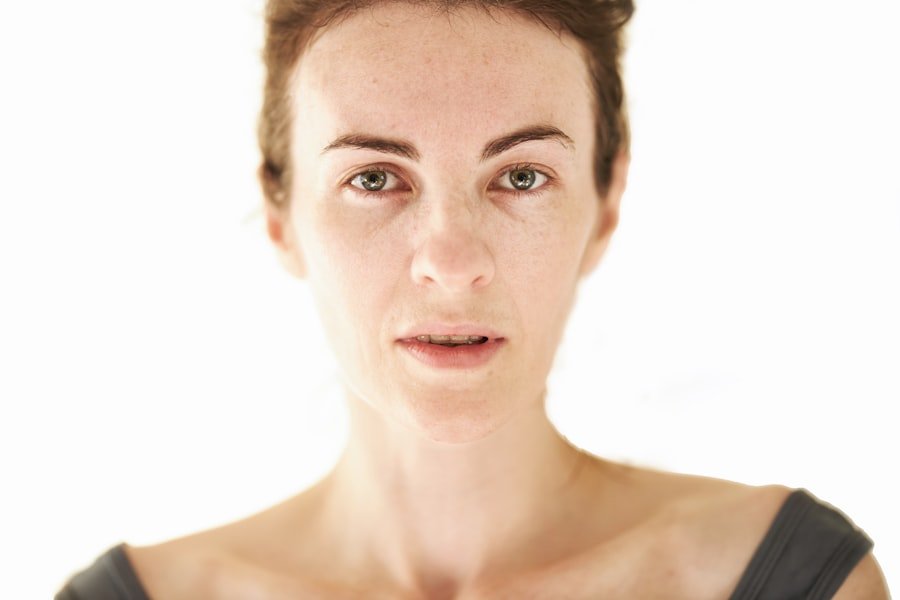
You’ve grappled with the hormonal shifts driving your menopausal acne. Now, let’s arm you with the skincare strategies that can make a real difference. Think of this as building a robust defense system for your skin, focusing on both treatment and prevention.
Gentle Cleansing: The Foundation of Clear Skin
The first and most crucial step is to establish a gentle yet effective cleansing routine. You need to remove excess oil, dirt, and makeup without stripping your skin.
Choosing the Right Cleanser
- Mild, Non-Stripping Formulas: Opt for creamy, hydrating, or gel-based cleansers that are soap-free and pH-balanced. Avoid harsh, foaming cleansers that can dry out your skin.
- Look for Key Ingredients: Ingredients like ceramides, hyaluronic acid, and glycerin can help support your skin’s moisture barrier while cleansing.
- Consider Double Cleansing: If you wear makeup or sunscreen, consider a two-step cleansing process. Start with an oil-based cleanser or micellar water to break down makeup and SPF, followed by your regular water-based cleanser.
Cleansing Technique Matters
- Lukewarm Water: Use lukewarm water to wash your face, as hot water can further strip your skin.
- Gentle Massage: Massage the cleanser onto your skin in gentle, circular motions. Avoid rubbing or scrubbing vigorously.
- Rinse Thoroughly: Ensure all cleanser residue is removed to prevent irritation.
- Pat Dry: Gently pat your face dry with a clean, soft towel. Avoid rubbing.
Targeted Treatments: Ingredients That Fight Menopause Acne
Once you have a solid cleansing routine, you can introduce targeted treatments designed to address the specific concerns of menopausal acne.
Salicylic Acid (BHA): Your Pore-Penetrating Powerhouse
Salicylic acid is a beta-hydroxy acid (BHA) that is oil-soluble, meaning it can penetrate deep into your pores to unclog them.
- Exfoliation from Within: It works by dissolving the “glue” that holds dead skin cells together, helping to shed them from the pore lining and prevent blockages.
- Anti-Inflammatory Properties: Salicylic acid also has mild anti-inflammatory properties, which can help calm redness associated with breakouts.
- Forms to Use: Look for it in cleansers, toners, spot treatments, and serums. Start with a lower concentration (e.g., 0.5% to 2%) and gradually increase if tolerated.
Benzoyl Peroxide: The Bacteria Buster
Benzoyl peroxide is an over-the-counter ingredient that effectively kills the acne-causing bacteria Propionibacterium acnes (P. acnes).
- Kills Bacteria: It releases oxygen into the pore, creating an environment where P. acnes cannot survive.
- Reduces Inflammation: It also has some exfoliating and anti-inflammatory effects.
- Caution: Benzoyl peroxide can be drying and may bleach fabrics, so use it with care. Start with a lower concentration (e.g., 2.5% or 5%) and apply it sparingly to affected areas.
Retinoids (Retinol, Retinaldehyde, Prescription Tretinoin): The Cell Turnover Champions
Retinoids are vitamin A derivatives that are incredibly effective for acne treatment and overall skin rejuvenation.
- Boosts Cell Turnover: They accelerate the rate at which skin cells shed, preventing pores from becoming clogged.
- Reduces Inflammation: Retinoids help to reduce inflammation associated with acne.
- Improves Skin Texture: Over time, they can also help improve skin texture and reduce the appearance of fine lines and post-inflammatory hyperpigmentation.
- Types and Strengths: Over-the-counter options include retinol and retinaldehyde. Prescription-strength retinoids like tretinoin are also highly effective. Start slowly (a few times a week) and be patient, as it can take several weeks to see results and your skin may go through an initial “purging” phase. Always use a broad-spectrum sunscreen when using retinoids, as they increase photosensitivity.
Niacinamide: The Multi-Tasking Marvel
Niacinamide, a form of vitamin B3, is a star ingredient for addressing multiple skin concerns, including acne.
- Reduces Inflammation: It has potent anti-inflammatory properties, helping to calm redness and irritation.
- Regulates Sebum Production: Emerging research suggests it can help regulate sebum production, reducing excess oiliness.
- Strengthens Skin Barrier: Niacinamide helps to improve the skin’s natural barrier function, making it more resilient.
- Improves Pores: It can also help minimize the appearance of pores over time. It’s generally well-tolerated and can be used daily.
Hyaluronic Acid and Ceramides: Hydrating and Supporting Your Barrier
While you’re fighting breakouts, it’s crucial not to neglect hydration and barrier support. Many acne treatments can be drying, so replenishing moisture is essential.
- Hyaluronic Acid: This humectant draws moisture into the skin, keeping it plump and hydrated.
- Ceramides: These are lipids that are naturally found in your skin barrier. Replenishing them helps to strengthen the barrier, making it more resilient to irritation and reducing moisture loss.
Sun Protection: A Non-Negotiable Essential
Protecting your skin from the sun is paramount, especially when using active acne treatments that can increase photosensitivity.
- Broad-Spectrum SPF 30 or Higher: Apply a broad-spectrum sunscreen every single day, even on cloudy days.
- Non-Comedogenic Formulas: Choose sunscreens that are specifically formulated for acne-prone skin (oil-free and non-comedogenic).
- Benefits of Sunscreen: Beyond preventing sun damage and skin cancer, sunscreen also helps prevent post-inflammatory hyperpigmentation (dark spots) from worsening or becoming more noticeable.
Implementing a consistent and tailored skincare routine, focusing on gentle cleansing, targeted treatments, and diligent sun protection, is your most powerful weapon against menopausal acne.
5. Seeking Professional Help: When to Consult a Doctor or Dermatologist
| Age Group | Percentage of Women with Acne |
|---|---|
| 40-49 | 50% |
| 50-59 | 65% |
| 60-69 | 70% |
As much as you can do on your own with a stellar skincare routine, there are times when menopausal acne requires professional intervention. Don’t hesitate to reach out for expert help – it’s a sign of proactive self-care.
Recognizing When DIY Isn’t Enough
You’ve tried over-the-counter treatments, tweaked your skincare routine, and made lifestyle adjustments, but your acne persists or is worsening. This is a common point where professional guidance becomes essential.
Persistent Breakouts That Don’t Respond
If your acne has been ongoing for several months without significant improvement, or if it seems to be getting worse despite your best efforts, it’s time to consult a professional. They can assess the severity and underlying causes.
Deep, Painful Cysts and Nodules
The deeper, more inflammatory lesions, like cysts and nodules, often require prescription-strength treatments that are not available over-the-counter. Attempting to treat these aggressive forms of acne at home can lead to infection and scarring.
Significant Scarring or Post-Inflammatory Hyperpigmentation
If your acne is leaving behind noticeable scars or dark marks that are affecting your confidence, a dermatologist can offer treatments to improve these. They can prescribe topical or oral medications, as well as recommend in-office procedures.
Acne Affecting Your Emotional Well-being
The emotional toll of persistent acne can be significant. If your breakouts are causing you distress, anxiety, or impacting your self-esteem, seeking professional support is crucial. A doctor or dermatologist can help you achieve clearer skin and address any emotional concerns.
Understanding Your Treatment Options with a Professional
When you see a dermatologist, they will conduct a thorough examination and discuss your medical history to determine the best course of action. Here are some of the treatments you might discuss:
Topical Prescription Medications
Prescription-strength topical treatments are often the first line of defense for more stubborn acne.
- Prescription Retinoids: Stronger versions of retinol, like tretinoin, adapalene, and tazarotene, are highly effective at unclogging pores and reducing inflammation.
- Topical Antibiotics: These medications help kill the acne-causing bacteria and reduce inflammation. They are often used in combination with other treatments like benzoyl peroxide to prevent antibiotic resistance.
- Azelaic Acid: This ingredient has antibacterial, anti-inflammatory, and mild exfoliating properties. It can also help with post-inflammatory hyperpigmentation.
Oral Medications
For moderate to severe acne, especially cystic or nodular acne, oral medications may be necessary.
- Oral Antibiotics: Prescribed to reduce bacteria and inflammation, these are usually taken for a limited period.
- Hormonal Therapy: Since menopausal acne is often hormone-driven, hormonal therapies can be very effective.
- Combined Oral Contraceptives (Birth Control Pills): While you might be moving away from birth control, certain types of birth control pills can help regulate hormone levels and reduce androgen activity, thereby improving acne. Your doctor will prescribe one that suits your needs.
- Spironolactone: This is a medication that works by blocking the effects of androgens. It can be highly effective for hormonal acne in women.
- Isotretinoin (Accutane): This is a powerful oral retinoid reserved for severe, recalcitrant acne that hasn’t responded to other treatments. It is highly effective but requires significant monitoring due to potential side effects.
In-Office Procedures
Dermatologists offer various in-office procedures that can complement topical and oral treatments.
- Chemical Peels: These peels use acids to exfoliate the skin, unclog pores, and improve skin texture.
- Light and Laser Therapies: Certain light and laser treatments can target acne-causing bacteria, reduce inflammation, and improve acne scarring.
- Corticosteroid Injections: For large, painful cysts, a dermatologist can inject a corticosteroid directly into the lesion to quickly reduce inflammation and pain.
The Importance of a Dermatologist’s Expertise
Your dermatologist’s expertise is invaluable when it comes to managing menopausal acne. They can:
- Accurately Diagnose: Differentiate menopausal acne from other skin conditions.
- Personalize Treatment: Create a treatment plan tailored to your specific needs and skin type.
- Monitor Progress: Track your response to treatment and make adjustments as needed.
- Prevent Scarring: Intervene to minimize the risk of permanent scarring.
- Address Underlying Conditions: Rule out or treat any other underlying medical conditions that might be contributing to your acne.
Don’t suffer in silence with menopausal acne. Reaching out to a healthcare professional is a proactive and empowering step towards achieving and maintaining clear, healthy skin during this transformative phase of your life.
FAQs
What causes acne during menopause?
During menopause, hormonal changes can lead to an increase in androgen levels, which can stimulate the sebaceous glands to produce more oil. This excess oil can clog pores and lead to acne breakouts.
How does menopausal acne differ from acne in younger individuals?
Menopausal acne tends to occur around the chin, jawline, and neck, whereas acne in younger individuals is often concentrated on the T-zone (forehead, nose, and chin). Menopausal acne also tends to be more inflammatory and cystic in nature.
What are some treatment options for menopausal acne?
Treatment options for menopausal acne may include topical retinoids, benzoyl peroxide, salicylic acid, and prescription medications such as spironolactone or oral antibiotics. Hormone replacement therapy (HRT) may also be considered in some cases.
Are there any lifestyle changes that can help manage menopausal acne?
Maintaining a healthy diet, managing stress levels, getting regular exercise, and practicing good skincare habits can all help manage menopausal acne. Avoiding dairy and high-glycemic foods may also be beneficial.
When should I see a dermatologist for menopausal acne?
If over-the-counter treatments are not effective in managing menopausal acne, or if the acne is severe and causing distress, it is advisable to see a dermatologist for further evaluation and personalized treatment recommendations.