
- Understanding the Scar: What Exactly Are Acne Scars?
You’ve likely navigated the treacherous landscape of acne, and perhaps, after the eruptions have finally subsided, new unwelcome guests have taken up residence: acne scars. But what are these lingering marks, and why do they decide to stick around long after the pimples have vanished? As your personal Listicle Content Architect, I’m here to demystify the world of acne scarring for you, breaking down the complex into easily digestible bites. Get ready to gain a deeper understanding of these persistent reminders.
The Genesis of a Scar: From Inflammation to Indentation
It all begins with inflammation. When a pore becomes clogged with sebum (oil), dead skin cells, and bacteria, it can lead to an inflammatory response. The body’s immune system rushes to the site to fight off the infection, but this process can be a double-edged sword. In some cases, the inflammation can damage the surrounding tissue in the dermis, the deeper layer of your skin.
- Collagen’s Role: Collagen is the structural protein responsible for your skin’s firmness and smoothness. When acne lesions are inflamed, the body’s natural healing process can either produce too much or too little collagen in an attempt to repair the damage. This imbalance is the fundamental cause of most acne scars.
- Severity Matters: The depth and severity of your acne play a crucial role. Deeper, more inflamed blemishes like cysts and nodules are more likely to result in scarring than milder comedonal acne (blackheads and whiteheads). Picking or squeezing your pimples can also exacerbate inflammation and increase the risk of scarring by pushing bacteria deeper into the skin and further damaging collagen.
Not All Scars Are Created Equal: Differentiating Types
You might look in the mirror and see “scars,” but the reality is there’s a spectrum of appearances and underlying causes. Understanding the different types of acne scars is the first step toward effectively addressing them. Think of it as getting to know your enemy before you can defeat them.
- Atrophic Scars: The Depressions
- Ice Pick Scars: These are narrow, deep scars that resemble puncture wounds. They are typically less than 2mm wide and can extend deep into the dermis. Their narrow opening and steep sides make them particularly challenging to treat. They often look like the skin has been pierced with an ice pick.
- Boxcar Scars: These scars are wider than ice pick scars and have sharply defined, vertical sides, giving them a “box-like” appearance. They can range from shallow to deep and are often found on the cheeks and temples. Their uniform edges are a key distinguishing feature.
- Rolling Scars: These scars give the skin a wavy or uneven texture. They have broad depressions with rounded, sloping edges, making the skin appear to roll. This appearance is often due to damage to the connective tissue beneath the skin.
- Hypertrophic and Keloid Scars: The Raised Bumps
- Hypertrophic Scars: Unlike atrophic scars, these scars are raised. They occur when the body produces too much collagen during the healing process, resulting in a thick, elevated scar tissue. These are more common on the chest and back, but can appear anywhere.
- Keloid Scars: Keloids are an even more aggressive form of raised scarring. They occur when the body’s collagen production goes into overdrive, leading to scar tissue that grows beyond the boundaries of the original wound. Keloids are often red or darker than the surrounding skin and can be itchy or painful. They are less common as a direct result of acne but can occur, especially in individuals prone to them.
The Invisible Scars: Post-Inflammatory Hyperpigmentation (PIH) and Erythema (PIE)
It’s crucial to distinguish true scarring from temporary discoloration. While not technically scars in the sense of structural damage, post-inflammatory marks can be just as distressing and often conflated with scarring.
- Post-Inflammatory Hyperpigmentation (PIH): This is the most common type of discoloration after acne. PIH appears as dark spots or patches on the skin, ranging in color from light brown to black. It’s caused by an increase in melanin production in the skin cells after inflammation. PIH is more common in individuals with darker skin tones.
- Post-Inflammatory Erythema (PIE): This appears as red or pink marks on the skin. PIE is a result of dilated blood vessels near the skin’s surface that remain after the inflammation has subsided. It is more noticeable in individuals with lighter skin tones and can sometimes look like active acne, causing confusion.
- The Pillars of Prevention: How to Minimize Your Risk of Scarring
While genetics and the nature of your acne play a significant role, you’re not entirely powerless when it comes to preventing acne scars. Embracing a proactive approach and understanding how your skin heals can drastically reduce your chances of developing those persistent marks. Think of this as your armor against future scarring.
Act Fast, Treat Early: The Crown Jewel of Prevention
Your most powerful weapon against acne scarring is prompt and effective treatment of active breakouts. The sooner you tackle inflammation, the less damage it can inflict on your skin’s delicate structure.
- Don’t Pick or Squeeze: This is the golden rule, and I cannot stress it enough. As tempting as it may be to pop that zit, doing so pushes bacteria deeper into the pore, increases inflammation, and significantly elevates the risk of both scarring and future breakouts. Your fingers are not sterile tools!
- Seek Professional Help: For moderate to severe acne, or if your acne is impacting your self-esteem, consult a dermatologist. They can prescribe effective treatments like topical retinoids, antibiotics, or even oral medications that can calm inflammation and prevent deep, scarring lesions from forming. Early intervention is key.
- Gentle Skincare Routine: Using harsh scrubs or stripping your skin of its natural oils can actually worsen inflammation. Opt for gentle, non-comedogenic cleansers and moisturizers. Proper hydration is crucial for healthy skin barrier function, which aids in healing.
The Power of Topical Treatments: Your First Line of Defense
Over-the-counter and prescription topical treatments can be incredibly effective in managing acne and preventing the inflammation that leads to scars.
- Salicylic Acid: This beta-hydroxy acid (BHA) is oil-soluble, meaning it can penetrate pores to exfoliate and unclog them. It also has anti-inflammatory properties, making it a multitasking hero for acne-prone skin. Look for it in cleansers, toners, and spot treatments.
- Benzoyl Peroxide: This ingredient is excellent at killing acne-causing bacteria and reducing inflammation. It can be drying, so start with a lower concentration and use it as a spot treatment or in washes. Be mindful that it can bleach fabrics.
- Topical Retinoids (e.g., Differin, Retin-A): These are derivatives of Vitamin A and are potent acne fighters. They work by increasing cell turnover, preventing clogged pores, and reducing inflammation. Prescription retinoids are generally more potent, but adapalene (Differin) is now available over-the-counter and is a great starting point. They can cause initial dryness and peeling, so introduce them gradually.
Lifestyle Adjustments: Supporting Your Skin from Within and Without
While skincare is paramount, your overall lifestyle can also play a role in your skin’s health and its ability to heal.
- Dietary Considerations: While controversial, some individuals find that certain foods trigger their acne. Common culprits include dairy and high-glycemic index foods. If you suspect a link, consider keeping a food diary to identify potential triggers and make adjustments. Focus on a balanced diet rich in antioxidants and healthy fats.
- Stress Management: Chronic stress can wreak havoc on your hormones and exacerbate inflammation, potentially leading to more breakouts. Incorporate stress-reducing activities like exercise, meditation, or yoga into your routine.
- Sun Protection is Non-Negotiable: The sun can darken existing acne marks and make scars more prominent. It also hinders the skin’s natural healing process. Always wear a broad-spectrum SPF 30 or higher sunscreen, even on cloudy days. This is critical for preventing PIH from worsening.
- Decoding Treatment Options: How to Tackle Existing Acne Scars
So, you’ve done your best to prevent them, but some scars have inevitably made their way onto your skin. Don’t despair! The world of cosmetic dermatology offers a diverse array of treatments designed to diminish the appearance of acne scars, ranging from topical solutions to more invasive procedures. Prepare to explore the arsenal available to you.
The Topical Arsenal: Home-Based Solutions for Lighter Scars
For milder scarring, particularly discoloration like PIH and PIE, and some shallow atrophic scars, topical treatments can make a significant difference over time. Patience is key with these methods.
- Alpha Hydroxy Acids (AHAs): Glycolic acid and lactic acid are popular AHAs that work by exfoliating the uppermost layer of skin, helping to fade dark spots and improve skin texture. They can also stimulate collagen production to a degree.
- Vitamin C: This antioxidant powerhouse not only brightens the skin but also plays a crucial role in collagen synthesis. Regular use of Vitamin C serums can help with PIH and improve overall skin tone and firmness.
- Niacinamide (Vitamin B3): This versatile ingredient is a champion for improving skin barrier function, reducing inflammation, and fading hyperpigmentation. It can also help minimize the appearance of pores.
- Retinoids (Again!): While excellent for prevention, topical retinoids are also effective for treating existing scars, particularly by promoting cell turnover and stimulating collagen production. Prescription-strength retinoids will generally yield more significant results.
- Chemical Peels (At-Home Versions): Many at-home chemical peels contain higher concentrations of AHAs or BHAs. While they can offer more noticeable results than standard topical treatments, it’s crucial to follow instructions carefully to avoid irritation or burns.
The Power of Devices: In-Office Treatments for More Significant Scars
When topical treatments fall short, it’s time to consider in-office procedures performed by dermatology professionals. These often involve controlled injury to the skin to stimulate a more robust healing response.
- Microneedling (Collagen Induction Therapy): This revolutionary treatment involves using a device with fine needles to create tiny punctures in the skin. This controlled micro-injury triggers the body’s natural wound-healing process, stimulating collagen and elastin production.
- How It Works: The needles create microscopic channels that prompt the skin to repair itself, filling in depressions and improving texture.
- What to Expect: Multiple sessions are usually required for optimal results, with improvements seen over several months. It’s effective for various types of atrophic acne scars.
- Laser Treatments: Lasers offer a precise way to target scar tissue and stimulate collagen remodeling.
- Fractional Laser Resurfacing (Ablative and Non-Ablative): These lasers create microscopic thermal zones of injury in the skin, leaving surrounding tissue intact for faster healing. Ablative lasers remove the outer layers of skin, offering more dramatic results but with longer downtime. Non-ablative lasers heat the underlying tissue, stimulating collagen without removing the surface layer, resulting in less downtime.
- Pulsed Dye Lasers (PDL): Primarily used for redness associated with PIE and some raised scars, PDLs target blood vessels to reduce discoloration.
- Intense Pulsed Light (IPL): While not a true laser, IPL can be effective for treating PIH and overall skin rejuvenation.
Procedural Interventions: Targeted Therapies for Specific Scar Types
For deeply indented or significantly raised scars, more targeted procedures might be the most effective solution.
- Dermal Fillers: Injectable fillers can be used to temporarily plump up depressed scars, making them level with the surrounding skin. Hyaluronic acid fillers are common and offer immediate, albeit temporary, improvement for atrophic scars.
- Subcision: This surgical technique is particularly effective for tethered rolling scars. A needle is inserted under the scar to break up the fibrous bands that are pulling the skin down, allowing the skin to rise.
- Punch Excision/Grafting: For deep ice pick scars, punch excision involves surgically removing the scar with a small surgical punch. The remaining hole can then be closed with stitches or filled with a small skin graft.
- TCA CROSS (Chemical Reconstruction Of Skin Scars): This technique uses a high concentration of trichloroacetic acid (TCA) applied directly into ice pick and narrow boxcar scars. It causes controlled inflammation and collagen induction to help fill in the scar. This is a highly targeted and often effective treatment for stubborn indented scars.
- Navigating the Recovery: What to Expect After Scar Treatments
Embarking on a scar treatment journey is a commitment, and understanding the recovery process is just as crucial as choosing the right treatment itself. Each procedure has its own set of expectations, downtime, and aftercare requirements. Knowledge is your best companion during this phase.
Immediate Post-Treatment: The Crucial Healing Window
Right after an in-office procedure, your skin will likely be red, sensitive, and possibly swollen. This is a normal and expected part of the healing process.
- Sun Protection is Paramount: Your treated skin will be exceptionally sensitive to the sun. Strict adherence to sunscreen application (SPF 30 or higher, broad-spectrum) is non-negotiable to prevent hyperpigmentation and further damage. You might need to wear hats outdoors.
- Gentle Cleansing and Moisturizing: Your dermatologist will provide specific instructions, but generally, you’ll want to avoid harsh cleansers, exfoliants, and active ingredients for a period. Focus on using gentle, fragrance-free products to soothe and protect your healing skin. Hydration is key to supporting the repair process.
- Avoid Makeup (Initially): Depending on the procedure, you might be advised to avoid makeup for a few days to prevent infection and allow your skin to breathe and heal freely. If you do reintroduce makeup, opt for non-comedogenic formulas.
- Managing Discomfort: Over-the-counter pain relievers like acetaminophen can help manage any discomfort. For more invasive procedures, your doctor might prescribe stronger pain medication. Cold compresses can also offer relief from swelling and redness.
The Weeks and Months Ahead: The Evolution of Your Skin
The most significant changes in your skin’s appearance will occur in the weeks and months following treatment as collagen remodeling and cell turnover continue.
- Gradual Improvement: Don’t expect overnight miracles. Scar treatment is a process. You’ll likely notice gradual improvements in texture, color, and depth over time. Many treatments require multiple sessions spaced several weeks or months apart to achieve optimal results.
- Potential for Dryness, Peeling, or Redness: Depending on the treatment (e.g., laser resurfacing, chemical peels), you might experience some peeling, dryness, or residual redness for a few days to a few weeks. This is a sign that your skin is regenerating.
- Patience is a Virtue: This is where your commitment truly shines. The collagen-building process takes time. Be patient with your skin and trust the process. Consistent aftercare and following your dermatologist’s recommendations are vital for maximizing your results.
- Monitoring for Complications: While rare, it’s important to be aware of potential complications. If you experience excessive pain, signs of infection (pus, increased redness, fever), or unusual blistering, contact your dermatologist immediately.
Long-Term Maintenance and Realistic Expectations
Achieving smoother, clearer skin is the ultimate goal, but it’s important to have realistic expectations and a long-term strategy.
- Lifelong Sun Protection: As mentioned, sun protection is not just for the recovery period; it’s a lifelong necessity for maintaining healthy skin and preventing scarring from worsening.
- Ongoing Skincare: A consistent, gentle skincare routine remains crucial for maintaining skin health and supporting the long-term benefits of your treatments. You might reintegrate active ingredients like retinoids or AHAs gradually into your routine, as advised by your dermatologist.
- Not Always 100% Eradication: It’s important to understand that while acne scars can be significantly improved, complete eradication is not always possible. The goal is to make them far less noticeable and to improve the overall texture and appearance of your skin. Focus on progress, not perfection.
- Combining Treatments: Often, the best results are achieved through a combination of treatments tailored to your specific scar types. Your dermatologist will be your guide in creating a personalized treatment plan.
- Beyond the Surface: The Psychological Impact of Acne Scars and Finding Empowerment
The journey through acne and the subsequent scarring can take a toll not only on your skin but also on your self-esteem and overall well-being. Those lingering marks can impact how you feel about yourself and how you present yourself to the world. As your trusted LCA, I want to ensure you understand that addressing this often-overlooked aspect is just as important as the physical treatments.
The Emotional Echo: How Scars Can Affect Self-Perception
Acne scars are often in plain sight, making them a constant reminder of past struggles. This can lead to a variety of emotional challenges.
- Body Image Concerns: For many, acne scars can fuel feelings of self-consciousness about their appearance. You might find yourself avoiding mirrors, social situations, or close-up photographs.
- Reduced Self-Confidence: When you feel your skin isn’t up to societal standards, your confidence can take a hit. This can trickle into all areas of your life, from professional interactions to personal relationships.
- Anxiety and Depression: In more severe cases, the persistent distress caused by acne scars can contribute to anxiety and even depression. The feeling of being unable to control or fix your skin can be overwhelming.
- Social Withdrawal: The fear of judgment or unwanted attention can lead some individuals to withdraw from social activities, further isolating them and exacerbating negative feelings.
Seeking Support: You Are Not Alone in This Journey
It’s vital to recognize that you don’t have to navigate these emotional challenges in isolation. There are resources and strategies available to help you cope and thrive.
- Open Communication with Loved Ones: Sharing your feelings with trusted friends, family members, or a partner can provide immense emotional relief. Simply articulating your struggles can be a powerful first step.
- Therapy and Counseling: A mental health professional can offer invaluable support. Therapists can provide coping mechanisms for anxiety, depression, and low self-esteem. Cognitive Behavioral Therapy (CBT) is particularly effective in challenging negative thought patterns related to appearance.
- Support Groups: Connecting with others who have gone through similar experiences can be incredibly validating. Online forums and in-person support groups offer a space to share stories, tips, and encouragement. Knowing that others understand your struggles can foster a sense of community.
- Mindfulness and Self-Compassion: Practicing mindfulness can help you stay present and appreciate your body for what it is capable of, rather than focusing solely on perceived flaws. Cultivating self-compassion involves treating yourself with the same kindness and understanding you would offer a friend. Acknowledge that everyone has insecurities, and focus on your inner qualities.
Empowerment Through Education and Action: Taking Back Control
Understanding acne scars and the available treatments is a form of empowerment. When you feel knowledgeable and in control, it can significantly boost your confidence.
- Educate Yourself: Just as you’ve done by reading this listicle! The more you understand why scars form and the options for treatment, the more empowered you’ll feel to make informed decisions about your skin’s health.
- Consult with Professionals: Partnering with a dermatologist to address the physical aspect of your scars is crucial. Seeing visible improvements can have a profound positive impact on your mental well-being. Discuss your concerns openly with them.
- Focus on Holistic Well-being: Remember that your skin is just one part of you. Focusing on your overall health – exercise, nutrition, sleep, and engaging in activities you enjoy – can contribute to a greater sense of self-worth and resilience.
- Shift Your Perspective: While scar treatments aim to improve appearance, it’s also beneficial to try and reframe your perspective. Your scars are a testament to your body’s healing process and your resilience. They don’t define your worth. Celebrate your strengths and the qualities that make you uniquely you.
- The Future of Scar Treatment: Innovations and What Lies Ahead
The landscape of dermatological treatments is constantly evolving, and the field of acne scar repair is no exception. As your go-to LCA for cutting-edge content, I’m always looking for what’s next. Prepare to peek into the future of smoother, clearer skin.
Advancements in Laser and Energy-Based Devices
Lasers and other energy-based devices are already mainstays in scar treatment, but research continues to refine their efficacy and minimize downtime.
- More Targeted and Precise Lasers: Expect new generations of lasers that can more accurately target specific scar tissues and pigment irregularities with greater precision. This means potentially better results and fewer side effects.
- Combination Therapies with Energy Devices: The synergistic effects of combining different types of energy (e.g., laser with radiofrequency) are being explored to stimulate a more comprehensive collagen remodeling response. This could lead to more dramatic improvements, especially for complex scarring.
- Minimally Invasive Technologies: The drive towards less invasive procedures is ongoing. We’re seeing more development in devices that can achieve significant results with minimal downtime, making treatments more accessible and appealing.
Regenerative Medicine and Bio-Actives
The focus is shifting towards harnessing the body’s own regenerative capabilities and leveraging advanced bio-active compounds.
- Growth Factor Therapies: Concentrated growth factors, derived from platelets or other sources, are being investigated for their potential to accelerate healing and stimulate collagen production more effectively than current methods. These could be delivered via microneedling or injectables.
- Stem Cell Therapies: While still largely in the research phase for acne scarring, stem cell therapy holds immense promise for tissue regeneration. The potential to use a patient’s own stem cells to rebuild damaged skin tissue is a long-term goal.
- Exosomes and Advanced Peptides: These sophisticated bio-molecules are showing promise in signaling the skin to repair and regenerate. They can work at a cellular level to promote collagen synthesis and reduce inflammation, potentially offering a more targeted and effective approach than traditional topicals.
Personalized and AI-Driven Treatments
The future of medicine is increasingly personalized, and dermatology is at the forefront of this revolution.
- AI-Powered Diagnostics: Artificial intelligence is being developed to analyze scar types more accurately, predict treatment responses, and recommend the most effective personalized treatment plans. This could mean a more tailored and efficient approach to scar management.
- Genomic and Proteomic Profiling: In the future, understanding an individual’s genetic predispositions and the specific molecular pathways involved in their scarring could lead to highly customized treatments. This level of precision could revolutionize how we address difficult-to-treat scars.
- At-Home and Wearable Technologies: While professional treatments will remain crucial, advancements in at-home devices and wearable technology might offer supplementary treatment options, allowing for continuous care and maintenance between clinic visits. Think smart masks or patches designed for targeted scar therapy.
The Ever-Evolving Role of Pharmaceuticals
While many advancements are device-driven, pharmaceutical innovation continues to play a role.
- New Topical Formulations: Expect to see new and improved topical formulations incorporating cutting-edge ingredients with enhanced delivery systems. These could offer better penetration and more potent effects for at-home care.
- Targeted Injectables: Beyond current fillers, research into injectables that specifically target scar tissue for remodeling or delivery of regenerative agents is ongoing. This could offer a less invasive alternative to some surgical procedures.
- The Pursuit of Prevention: Ultimately, the holy grail remains preventing scars in the first place. Ongoing research into the underlying mechanisms of acne inflammation and immune response may lead to novel pharmaceutical interventions aimed at preventing scar formation at its earliest stages.
FAQs
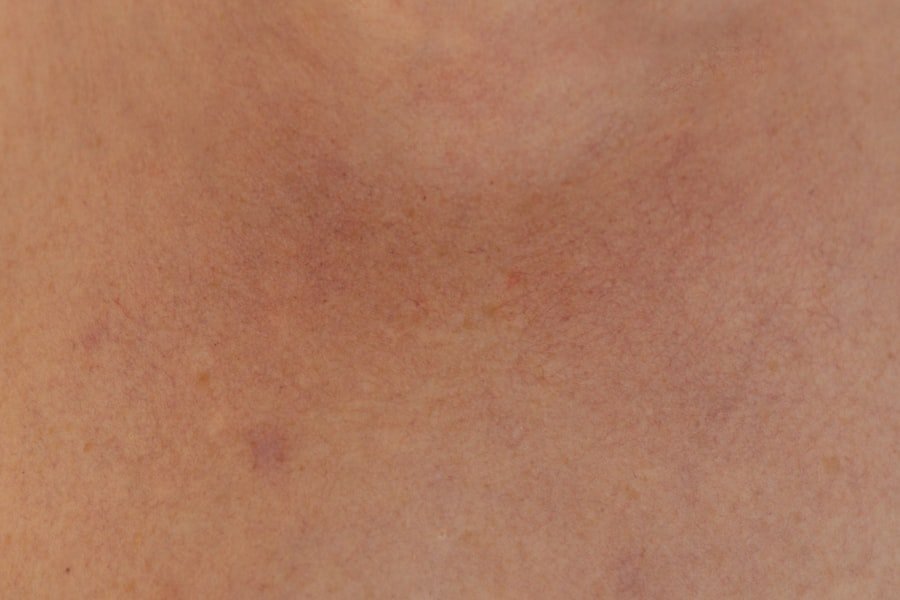
What causes acne scars?
Acne scars are caused by inflammation within the dermis, which damages the skin tissue. When the body tries to repair this damage, it can produce too much collagen, resulting in a raised scar, or too little collagen, resulting in a depressed scar.
What are the different types of acne scars?
There are several types of acne scars, including atrophic scars (depressed scars), hypertrophic scars (raised scars), and post-inflammatory hyperpigmentation (dark spots).
How can acne scars be treated?
Acne scars can be treated through various methods, including laser therapy, chemical peels, microneedling, dermabrasion, and fillers. It’s important to consult with a dermatologist to determine the best treatment option for individual skin types.
Can acne scars be prevented?
Preventing acne scars involves treating acne early and effectively to minimize inflammation and reduce the risk of scarring. Avoiding picking or squeezing acne lesions can also help prevent scarring.
Are there any home remedies for acne scars?
While there are some home remedies that may help improve the appearance of acne scars, such as applying aloe vera or using a honey mask, it’s important to consult with a dermatologist before trying any home remedies to ensure they are safe and effective.