
You’re staring in the mirror, frustration mounting. That familiar constellation of red bumps and angry blemishes has made its unwelcome return, reminding you of teenage angst and adult anxieties. You crave clear, radiant skin, but the world of acne treatments can feel like a labyrinth. Fear not, for as your trusted Listicle Content Architect (LCA), I’m here to guide you through the most effective and accessible acne treatment options available. Get ready to embark on a journey towards a smoother, clearer complexion with this comprehensive listicle.
Before you can conquer acne, you need to understand what you’re fighting. Acne isn’t a monolithic enemy; it manifests in various forms and is driven by a complex interplay of factors. Acknowledging the nuances of your specific breakout will empower you to choose the most targeted and effective treatment.
The Culprits Behind the Breakouts: Unveiling the Causes
Acne is rarely caused by just one thing. It’s a multifaceted condition with several contributing players. Recognizing these will help you understand why certain treatments work best for different individuals.
1. Excess Sebum Production: The Oily Culprit
Your skin naturally produces an oil called sebum, which helps to keep it moisturized and protected. However, when your sebaceous glands go into overdrive, producing too much sebum, it can clog your pores. This excess oil creates a breeding ground for bacteria and inflammation, leading to acne. Hormonal fluctuations, particularly during puberty, menstruation, and stress, are often the prime drivers of increased sebum production.
2. Clogged Pores: The Blocked Pathways
When excess sebum mixes with dead skin cells, it can form a plug within your hair follicles. These plugs, known as comedones, are the foundation of most acne lesions. You might recognize them as blackheads (open comedones, where the oil is exposed to air and oxidizes, turning black) or whiteheads (closed comedones, where the pore opening is blocked and the trapped oil remains white or flesh-colored).
3. Bacteria: The Opportunistic Invaders
Propionibacterium acnes (P. acnes) is a type of bacteria that naturally lives on your skin. For most people, it’s harmless. However, in the oxygen-deprived environment of a clogged pore, P. acnes can multiply rapidly. These bacteria feed on the sebum and can trigger an inflammatory response in your skin, leading to the red, swollen pimples and cysts you associate with acne.
4. Inflammation: The Body’s Defensive Response
Once bacteria have set up shop in a clogged pore, your body’s immune system kicks in, initiating an inflammatory response. This is what causes the redness, swelling, and pain associated with pimples, pustules, and deeper cystic acne. Understanding that acne is an inflammatory condition is crucial, as many treatments aim to reduce this inflammation.
Identifying Your Acne Type: A Visual Guide
The appearance of your acne provides vital clues about its severity and the best course of action. Being able to categorize your breakouts will help you and your dermatologist make informed decisions.
1. Non-Inflammatory Acne: The Early Stages
This is the less severe end of the acne spectrum. It typically involves blackheads and whiteheads. These are more superficial and usually don’t present with significant redness or pain. While they might not be as alarming as deeper lesions, they can still be a source of distress and can progress to more severe forms if left untreated.
2. Inflammatory Acne: The Noticeable Blemishes
This category includes papules, pustules, nodules, and cysts.
- Papules: These are small, red, tender bumps. They are inflamed but haven’t yet formed a pus-filled head.
- Pustules: These are papules that have developed a visible head of pus. They are often referred to as “pimples.”
- Nodules: These are larger, solid, painful lumps that form deeper within the skin. They can be tender to the touch and are a sign of more significant inflammation.
- Cysts: These are the most severe form of acne. They are deep, painful, pus-filled sacs that can be as large as a dime or even bigger. Cystic acne is prone to scarring.
Topical Treatments: Your First Line of Defense
When you’re looking to tackle acne without resorting to oral medications, topical treatments are your go-to. These are applied directly to the skin and work by targeting the pores, reducing bacteria, or controlling inflammation. They are often the initial recommendation for mild to moderate acne.
Over-the-Counter (OTC) Heroes: Accessible Solutions
You don’t need a prescription for many effective acne treatments. These readily available options can make a significant difference for many individuals.
1. Benzoyl Peroxide: The Bacterial Blaster
Benzoyl peroxide is a powerful antimicrobial agent that works by killing the P. acnes bacteria on your skin’s surface and within your pores. It also has mild exfoliating properties, helping to shed dead skin cells that can clog follicles. It comes in various concentrations (typically 2.5% to 10%). Start with a lower concentration to minimize irritation and gradually increase if needed. Be aware that benzoyl peroxide can bleach fabrics, so be cautious with your towels and pillowcases.
2. Salicylic Acid: The Pore Purifier
Salicylic acid is a beta-hydroxy acid (BHA) that is oil-soluble, meaning it can penetrate deep into your pores. Once inside, it exfoliates the dead skin cells and breaks down the sebum that forms clogs. This makes it particularly effective for blackheads and whiteheads. It’s available in cleansers, toners, and spot treatments. For sensitive skin, look for formulations with lower concentrations.
3. Sulfur: The Gentle Exfoliator
Sulfur has been used for centuries to treat skin conditions. It’s a gentler alternative to benzoyl peroxide and salicylic acid for some individuals. Sulfur helps to dry out excess oil and has mild antibacterial and anti-inflammatory properties. It’s often found in masks, soaps, and spot treatments. While generally well-tolerated, it can have a distinct odor.
Prescription Powerhouses: When OTC Isn’t Enough
For more persistent or severe acne, your dermatologist may prescribe stronger topical treatments. These medications often work more intensely and can address a wider range of acne issues.
1. Topical Retinoids: The Pore Rescuers
Retinoids are vitamin A derivatives that are the gold standard for treating acne. They work by increasing cell turnover, preventing dead skin cells from clogging pores. They also have anti-inflammatory properties and can help to unclog existing blackheads and whiteheads. Examples include tretinoin, adapalene (also available OTC at lower strengths), and tazarotene. They can cause initial dryness, redness, and peeling, so it’s crucial to start slowly and use sunscreen diligently as they increase sun sensitivity.
2. Topical Antibiotics: Targeting Bacteria Directly
When bacteria are a major contributing factor to your acne, topical antibiotics can be prescribed. They work by killing P. acnes and reducing inflammation. Common examples include clindamycin and erythromycin. They are often used in combination with benzoyl peroxide to prevent antibiotic resistance.
3. Azelaic Acid: The Multi-Tasker
Azelaic acid has antibacterial and anti-inflammatory properties. It also helps to unclog pores and can even help to fade post-acne marks. It’s a good option for those who find retinoids too irritating or are dealing with both acne and hyperpigmentation.
Oral Medications: Systemic Solutions for Stubborn Acne
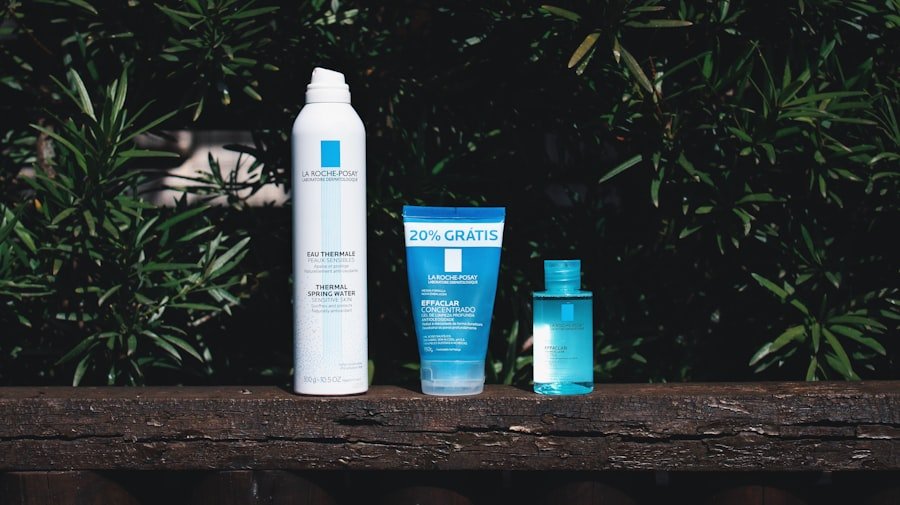
When topical treatments alone aren’t sufficient, or if you have moderate to severe acne, oral medications can play a crucial role. These medications work from the inside out to address the underlying causes of your breakouts.
Antibiotics: Quelling the Inflammation and Bacteria
Oral antibiotics are frequently prescribed to combat acne. They work by reducing the population of P. acnes bacteria and by directly reducing inflammation. Your doctor will choose the most appropriate antibiotic based on your specific needs and resistance patterns.
1. Tetracyclines: The Workhorses
Doxycycline and minocycline are common oral antibiotics used to treat acne. They are effective at reducing the bacteria contributing to breakouts and have significant anti-inflammatory effects, making them particularly useful for inflammatory acne. They are typically prescribed for a limited duration to prevent antibiotic resistance.
2. Macrolides: Alternatives for Sensitivity
If you can’t tolerate tetracyclines due to side effects or allergies, doctors may prescribe macrolide antibiotics like erythromycin. While less commonly used for acne than tetracyclines, they can still be effective.
Hormonal Therapies: Balancing the Internal Chaos
For many women, hormonal fluctuations are a significant driver of acne. Treatments that target these hormonal imbalances can be remarkably effective.
1. Oral Contraceptives (Birth Control Pills): Regulating Hormones
Certain types of birth control pills are FDA-approved for acne treatment. They work by reducing the amount of androgens (male hormones) in your body, which can decrease sebum production. This can lead to a significant improvement in hormonal acne, particularly around the jawline and chin.
2. Spironolactone: The Androgen Blocker
Spironolactone is a medication primarily used as a diuretic, but it also has anti-androgenic effects. In women, it can help to block the action of androgens on the skin, thereby reducing sebum production and improving acne. It’s often prescribed for women with persistent hormonal acne that hasn’t responded to other treatments.
Isotretinoin: The Powerful Approach
Isotretinoin, formerly known as Accutane, is a potent oral retinoid that is reserved for severe, persistent, or scarring acne that hasn’t responded to other treatments. It works by drastically reducing sebum production, preventing pore clogging, and decreasing bacterial growth.
1. The Game Changer: Mechanism of Action
Isotretinoin is highly effective because it addresses all the key factors contributing to acne. It shrinks the sebaceous glands, leading to a dramatic decrease in oil production. It also normalizes skin cell turnover and reduces inflammation. For many, it offers the potential for long-term remission of acne.
2. Important Considerations: Risks and Precautions
Due to its potency, isotretinoin comes with significant side effects and requires strict monitoring. Common side effects include dryness of the lips, skin, and eyes, joint pain, and increased sensitivity to the sun. It is also known to cause birth defects, so women of childbearing potential must adhere to strict pregnancy prevention protocols. Regular blood tests are required to monitor liver function and lipid levels.
In-Office Procedures: Professional Interventions for Accelerated Results
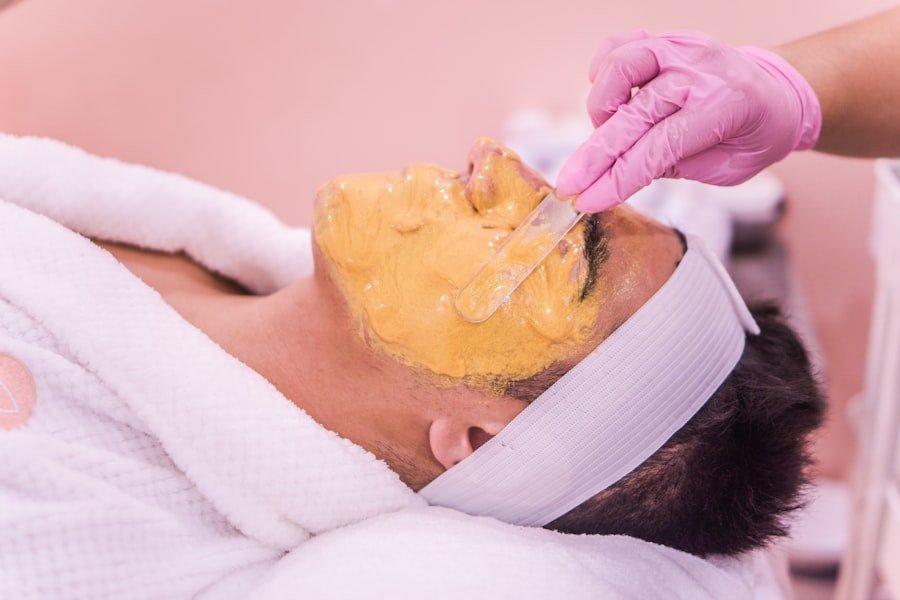
When you need a boost or are dealing with deep or stubborn blemishes, in-office procedures performed by dermatologists or trained aestheticians can offer rapid and effective results. These treatments often complement at-home regimens.
Chemical Peels: Exfoliation at a Deeper Level
Chemical peels use a solution of acids to remove the outer layers of damaged skin. This process exfoliates the skin, unclogs pores, reduces inflammation, and can improve the appearance of post-acne marks and scars. Various strengths and types of peels are available, from superficial to deep, depending on your skin’s needs.
1. The Benefits of Chemical Exfoliation
Peels can effectively address dead skin cell buildup, which is a primary contributor to clogged pores. They can also stimulate collagen production, leading to smoother, more resilient skin over time. Different acids, like salicylic acid, glycolic acid, and Jessner’s solution, are used based on the desired depth of exfoliation and concern.
2. Post-Treatment Care: Patience and Protection
After a chemical peel, your skin will be more sensitive. It’s crucial to follow your dermatologist’s post-care instructions, which typically involve gentle cleansing, moisturizing, and strict sun protection. You may experience some redness, peeling, or dryness for a few days.
Laser and Light Therapies: Targeting Bacteria and Inflammation
Modern dermatology offers a range of laser and light-based treatments that can effectively target acne. These therapies work by various mechanisms to reduce inflammation, kill bacteria, or even shrink oil glands.
1. Photodynamic Therapy (PDT): A Light-Activated Approach
PDT involves applying a photosensitizing agent to the skin, which is then activated by a specific wavelength of light. This process can destroy acne-causing bacteria and can also reduce the size and activity of oil glands. It’s often used for moderate to severe inflammatory acne.
2. Blue and Red Light Therapy: Dual Action Power
Blue light therapy is effective at killing P. acnes bacteria, while red light therapy helps to reduce inflammation and promote healing. These therapies can be used individually or in combination and are generally well-tolerated with minimal downtime.
Extractions and Corticosteroid Injections: Targeted Relief
For immediate relief of particularly painful or stubborn lesions, specific in-office procedures can be highly beneficial.
1. Professional Extractions: Safe Scar-Free Clearing
Dermatologists and trained aestheticians can safely extract blackheads and whiteheads using sterile instruments. This prevents you from picking at your skin, which can lead to scarring and infection. It’s important to have extractions performed by a professional to ensure safety and efficacy.
2. Corticosteroid Injections: Calming the Storm
For large, painful, and inflamed cystic acne or nodules, a corticosteroid injection can provide rapid relief. The steroid is injected directly into the lesion, reducing inflammation and pain within 24-48 hours. This is a temporary solution for severe flare-ups and is not a long-term treatment for acne.
Lifestyle and Skincare Habits: Supporting Your Treatment from Within
| Treatment Option | Description | Effectiveness |
|---|---|---|
| Topical Creams | Applied directly to the skin to reduce acne | Varies depending on the active ingredient |
| Oral Medications | Taken by mouth to target acne from within the body | Can be effective for severe acne |
| Laser Therapy | Uses focused light to target acne and reduce inflammation | May require multiple sessions for noticeable improvement |
| Chemical Peels | Uses a chemical solution to exfoliate the skin and improve acne | Can improve skin texture and reduce acne, but may require multiple treatments |
While medical treatments are crucial for managing acne, your daily habits and skincare routine play a vital supporting role. Adopting a consistent and mindful approach to your skin can significantly enhance your treatment outcomes and prevent future breakouts.
The Importance of a Gentle Skincare Routine: Less is More
It might be tempting to scrub and scrub your skin when you’re battling blemishes, but over-washing and harsh products can actually worsen acne. Focus on a gentle, consistent approach that cleanses without stripping your skin.
1. Cleansing Wisely: Regularity Over Rigor
Wash your face twice a day, once in the morning and once in the evening, with a mild, non-comedogenic cleanser. Avoid harsh soaps or anything that leaves your skin feeling tight and stripped. If you exercise or sweat heavily, cleanse your face afterward to remove pore-clogging impurities.
2. Moisturizing Matters: Hydration is Key
Even oily, acne-prone skin needs moisture. Skipping moisturizer can cause your skin to overcompensate by producing even more oil. Choose an oil-free, non-comedogenic moisturizer that suits your skin type.
3. Sun Protection: Shielding Your Skin
Many acne treatments, especially retinoids, can make your skin more sensitive to the sun. Sun exposure can also worsen hyperpigmentation (dark spots) left behind by acne. Always wear a broad-spectrum sunscreen with an SPF of 30 or higher, even on cloudy days. Look for oil-free formulas that won’t clog your pores.
Diet and Lifestyle: The Underrated Influencers
While the link between diet and acne is complex and individual, certain lifestyle factors can definitely influence your skin’s health. Making conscious choices can support your journey to clearer skin.
1. The Sugar Connection: Examining Your Sweet Tooth
Some studies suggest that a diet high in refined sugars and high glycemic index foods can lead to increased inflammation and sebum production. While not everyone with acne will see a dramatic improvement by cutting out sugar, reducing your intake of processed sweets and sugary drinks might be beneficial. Experiment and see how your skin responds.
2. Dairy and Acne: A Potential Link for Some
For a subset of individuals, dairy consumption has been linked to acne breakouts. This could be due to hormones present in milk or an inflammatory response. If you suspect dairy is contributing to your acne, try eliminating it for a few weeks and observe any changes.
3. Stress Management: The Brain-Skin Connection
Stress can trigger hormonal changes that exacerbate acne. Finding healthy ways to manage stress, such as exercise, meditation, yoga, or spending time in nature, can have a positive impact on your skin. Prioritizing sleep is also essential for overall skin health and repair.
4. The Power of “Hands Off”: Avoiding the Urge to Pick
This can be one of the hardest habits to break, but it is crucial. Picking or squeezing pimples can push bacteria deeper into the skin, leading to more inflammation, infection, and scarring. Resist the urge, and if you need a lesion addressed, seek professional help for extractions.
Emerging Treatments and Future Horizons: The Ever-Evolving Landscape
The world of dermatology is constantly innovating, and new and improved acne treatments are on the horizon. Staying informed about these advancements can offer hope for current and future acne sufferers.
New Drug Development: Targeted Therapies on the Rise
Researchers are continually exploring new drug targets and formulations to address acne more effectively and with fewer side effects.
1. Anti-Androgen Therapies Beyond Spironolactone: Expanding Options
Newer anti-androgen medications are being investigated that may offer more targeted hormonal control for acne without some of the broader side effects of existing options.
2. Novel Antibacterial Agents: Combating Resistance
As antibiotic resistance becomes a growing concern, the development of novel antibacterial agents that are effective against P. acnes without contributing to general resistance is a key area of research.
Technological Advancements: The Future of Acne Care
Beyond pharmaceuticals, technology is playing an increasingly important role in acne treatment.
1. Advanced Laser and Light Technologies: Precision and Efficacy
Next-generation laser and light devices are being developed with greater precision and efficacy in targeting acne-causing factors like bacteria and inflamed sebaceous glands. These may offer quicker results and less downtime.
2. Personalized Medicine Approaches: Tailoring Treatments
The future of acne treatment may involve more personalized approaches, utilizing genetic profiling or other biomarkers to determine the most effective treatment for an individual’s unique acne profile. This could lead to more successful outcomes and fewer trial-and-error cycles.
You’ve now navigated the comprehensive landscape of acne treatment options, from understanding the root causes to exploring cutting-edge therapies. Remember, the journey to clear skin is often a marathon, not a sprint, and finding the right combination of treatments may require patience and persistence. Don’t hesitate to consult with a dermatologist; they are your most valuable ally in developing a personalized plan to conquer your acne and reveal the radiant skin you deserve.
FAQs
What are the common acne treatment options?
The common acne treatment options include over-the-counter topical treatments (such as benzoyl peroxide and salicylic acid), prescription topical treatments (such as retinoids and antibiotics), oral medications (such as antibiotics and isotretinoin), and procedures (such as chemical peels and laser therapy).
How do over-the-counter topical treatments work for acne?
Over-the-counter topical treatments for acne work by reducing oil production, unclogging pores, and reducing inflammation. Ingredients like benzoyl peroxide and salicylic acid are commonly used in these treatments to target acne-causing bacteria and exfoliate the skin.
What are the potential side effects of oral acne medications?
Potential side effects of oral acne medications can include dry skin, chapped lips, nosebleeds, and in some cases, more serious side effects such as depression, liver damage, and birth defects. It is important to discuss the potential risks and benefits with a healthcare professional before starting oral acne medications.
Are there any natural remedies for acne treatment?
Some natural remedies for acne treatment include tea tree oil, green tea extract, and aloe vera. These natural ingredients have been shown to have anti-inflammatory and antibacterial properties that can help reduce acne symptoms. However, it is important to consult with a healthcare professional before using natural remedies, as they may not be suitable for everyone.
What are the considerations for choosing the right acne treatment option?
Considerations for choosing the right acne treatment option include the severity of the acne, skin type, potential side effects, and individual preferences. It is important to consult with a dermatologist or healthcare professional to determine the most suitable treatment plan based on individual needs and circumstances.