
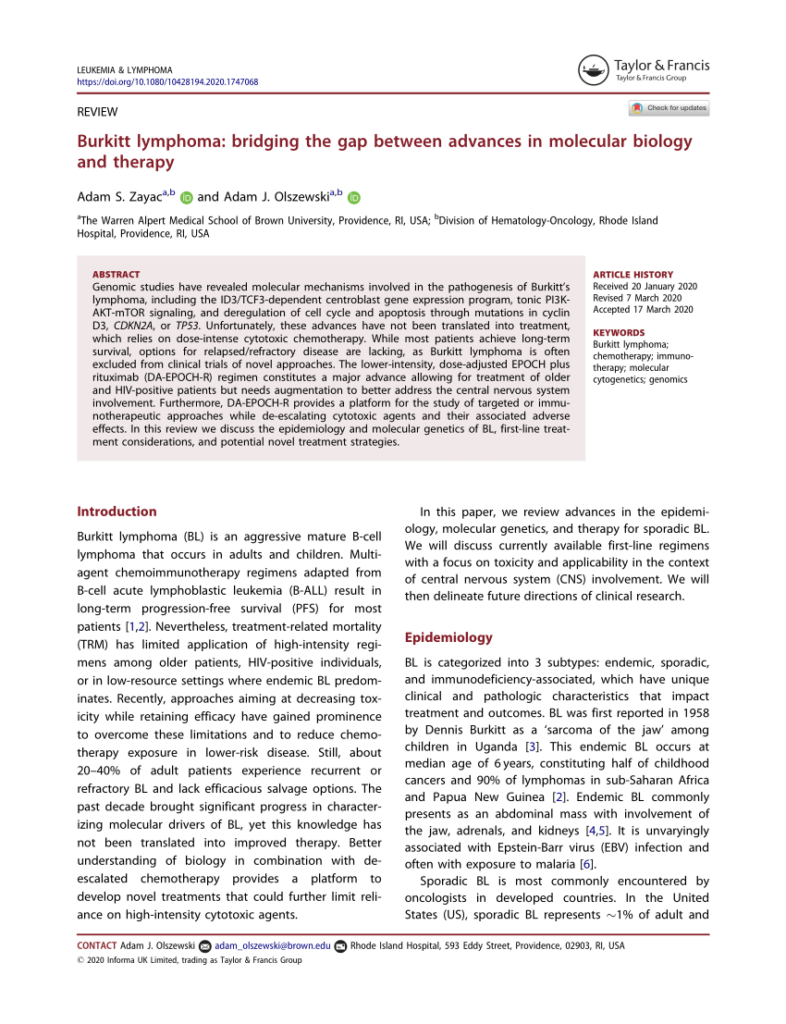
Burkitt lymphoma, a rare and aggressive form of cancer that primarily affects children, has long been a challenging disease to treat. However, recent advancements in Burkitt lymphoma research have sparked hope for improved outcomes and potentially curative treatment options. This article explores the latest breakthroughs in understanding the biology of the disease, novel therapies being developed, and promising avenues for early detection and prevention. Whether you or someone you know has been touched by Burkitt lymphoma, this article aims to provide valuable insights into the exciting progress being made towards conquering this devastating illness.
Advancements in Burkitt Lymphoma Research
Burkitt Lymphoma is a rare and aggressive form of non-Hodgkin lymphoma, and extensive research is being conducted to better understand the disease and improve treatment outcomes. In recent years, significant advancements have been made in the field, particularly in the areas of genetic mutations, the role of the immune system, diagnosis and staging, treatment options, and clinical trials.
Genetic Mutations
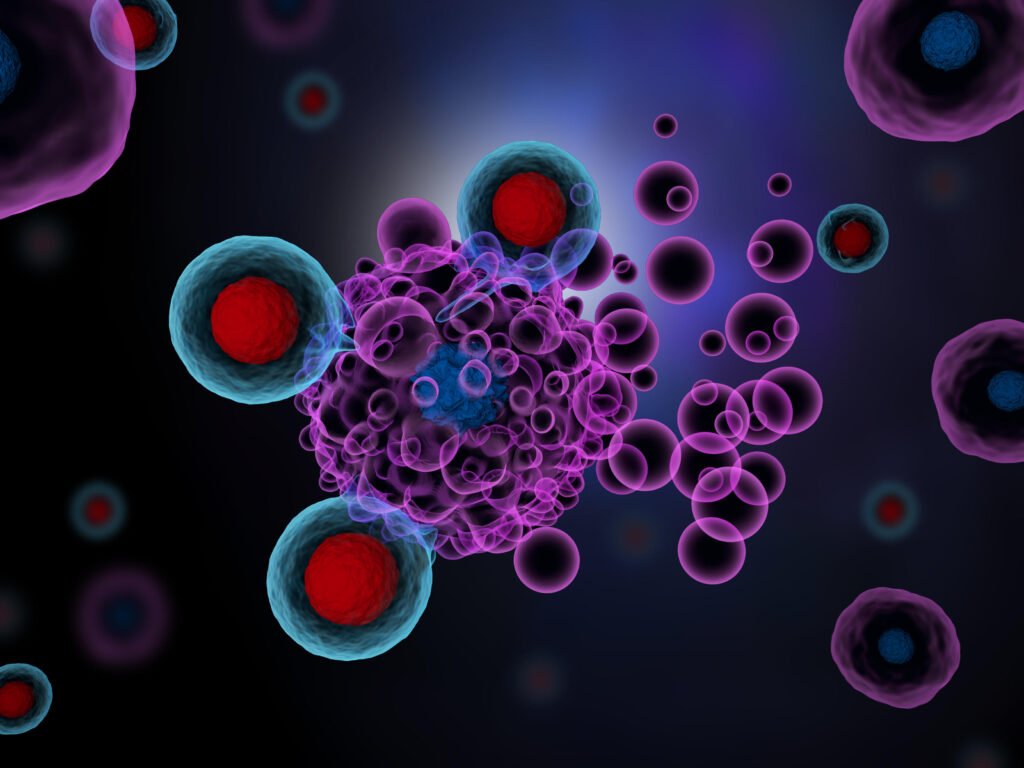
One of the key focuses of Burkitt Lymphoma research has been the study of genetic mutations that contribute to the development and progression of the disease. Researchers have identified several common mutations, such as MYC, BCL2, and BCL6, which play a crucial role in the deregulation of normal cellular processes. Understanding these mutations has allowed for the development of targeted therapies that specifically inhibit the effects of these genetic abnormalities.
Role of Immune System
Another area of significant advancement in Burkitt Lymphoma research is the understanding of the role of the immune system in fighting against cancer cells. The immune system plays a critical role in recognizing and eliminating abnormal cells, including cancer cells. Researchers have been exploring ways to boost the immune response through immunotherapy, which utilizes the body’s own immune system to target and destroy cancer cells. This approach has shown promising results in clinical trials and offers new hope for patients with Burkitt Lymphoma.
Diagnosis and Staging
Early and accurate diagnosis of Burkitt Lymphoma is crucial for successful treatment. Over the years, research has led to the development of improved diagnostic techniques, including imaging tests, biopsies, and laboratory investigations. Additionally, advancements in molecular profiling have enabled clinicians to identify specific genetic and molecular abnormalities associated with Burkitt Lymphoma, aiding in its diagnosis and classification. These advancements have not only improved accuracy in diagnosing Burkitt Lymphoma but have also helped in the staging of the disease, allowing for more personalized treatment decisions.
Treatment Options
The advancement in Burkitt Lymphoma research has led to various treatment options that are tailored to individual patients. Depending on the stage of the disease, treatment may involve a combination of chemotherapy, targeted therapy, immunotherapy, stem cell transplant, radiation therapy, or participation in clinical trials. The goal of treatment is to eliminate cancer cells while minimizing side effects and improving overall survival rates. A multidisciplinary approach involving oncologists, hematologists, and other specialists is vital in determining the most appropriate treatment plan for each patient.

Chemotherapy
Chemotherapy has been a cornerstone of Burkitt Lymphoma treatment for many years. It involves the use of powerful drugs to kill cancer cells and prevent their further growth and division. Recent advancements in chemotherapy regimes, such as dose-intensive regimens and combination therapies, have shown significant improvements in survival rates for patients with Burkitt Lymphoma. These advancements have also helped reduce treatment toxicity and side effects, making it a more tolerable option for patients.
Targeted Therapy
Targeted therapy is a relatively new treatment approach that specifically targets cancer cells while sparing healthy cells. In Burkitt Lymphoma, targeted therapies are designed to inhibit the effects of specific genetic mutations, such as MYC or BCL2, which are strongly associated with the disease. By targeting these specific abnormalities, targeted therapies have shown great promise in improving treatment outcomes and reducing relapse rates in patients with Burkitt Lymphoma.

Immunotherapy
Immunotherapy has emerged as a groundbreaking treatment option in cancer research, including Burkitt Lymphoma. It harnesses the power of the immune system to recognize and destroy cancer cells. Different types of immunotherapy, such as immune checkpoint inhibitors and CAR-T cell therapy, have been tested in clinical trials and have shown significant efficacy in patients with Burkitt Lymphoma. These advancements in immunotherapy have opened new avenues for treatment, especially in cases where other conventional therapies have failed.
Stem Cell Transplant
For patients with relapsed or refractory Burkitt Lymphoma, stem cell transplant offers a potential cure. Stem cell transplant, also known as hematopoietic stem cell transplantation, involves the infusion of healthy stem cells to replace the patient’s damaged or destroyed bone marrow. This procedure allows for the administration of high-dose chemotherapy or radiation therapy, which can eradicate the remaining cancer cells. Advances in stem cell transplantation techniques have made this treatment option more accessible and safer for patients with Burkitt Lymphoma.

Radiation Therapy
Radiation therapy uses high-energy radiation to kill cancer cells or prevent their growth. It has been a valuable treatment modality for Burkitt Lymphoma, particularly for localized disease or as part of a multimodal treatment approach. Recent advancements in technology, such as intensity-modulated radiation therapy (IMRT), have improved the precision and accuracy of radiation delivery, reducing side effects and improving patient outcomes. Radiation therapy is often used in combination with other treatment modalities, such as chemotherapy or targeted therapy, to achieve optimal results.
Clinical Trials
Clinical trials play a crucial role in advancing Burkitt Lymphoma research and discovering new treatment options. By participating in clinical trials, patients can gain access to novel therapies that may not yet be available in standard practice. These trials also help researchers evaluate the safety and efficacy of new treatments, ultimately leading to improvements in patient outcomes. It is important for patients and healthcare professionals to stay updated on ongoing clinical trials and consider participation as a viable treatment option.
In conclusion, advancements in Burkitt Lymphoma research have significantly improved our understanding of the disease and have led to the development of more effective treatment options. From the identification of genetic mutations to the exploration of immunotherapy and targeted therapies, researchers are relentlessly working to improve patient outcomes. It is through continued research and participation in clinical trials that we can hope to further enhance the prognosis and quality of life for individuals affected by Burkitt Lymphoma.