
Burkitt Lymphoma, named after Denis Burkitt, the surgeon who first described it, is a rare but aggressive form of non-Hodgkin’s lymphoma. This article aims to help you grasp the key aspects of Burkitt Lymphoma, including its causes, symptoms, and treatment options. By providing a concise and informative overview, we hope to empower you with the knowledge to recognize and understand this disease, enabling early detection and better outcomes for those affected. So, let’s embark on this journey together to shed light on Burkitt Lymphoma and equip ourselves with valuable insights on its various facets.
Causes
Genetic factors
Burkitt lymphoma can arise due to genetic factors. Certain changes or mutations in genes can increase the risk of developing this type of lymphoma. For example, alterations in the MYC gene, which plays a crucial role in cell growth and division, have been found in Burkitt lymphoma cases. These genetic changes can disrupt the normal regulation of cell growth, leading to the uncontrolled proliferation of lymphocytes and the development of tumors.
Epstein-Barr virus
Another significant cause of Burkitt lymphoma is infection with the Epstein-Barr virus (EBV). This virus is commonly associated with various types of lymphomas and can play a crucial role in the development of Burkitt lymphoma, especially in endemic areas such as Africa. EBV infects B cells, a type of white blood cell involved in the immune response, and can contribute to the genetic changes that lead to lymphoma development.
Immunodeficiency
Immunodeficiency, either inherited or acquired, can increase the risk of developing Burkitt lymphoma. People with weakened immune systems, such as those with HIV/AIDS or those who have undergone organ transplantation and are taking immunosuppressive medications, are more susceptible to developing this type of lymphoma. The compromised immune system is less effective at controlling the growth of abnormal cells, allowing Burkitt lymphoma to develop.
Environmental factors
Although the exact environmental factors that contribute to the development of Burkitt lymphoma are still unclear, certain associations have been observed. In regions where malaria is prevalent, studies have found a higher incidence of Burkitt lymphoma. It is believed that the immune response to malaria infection may somehow influence the development of lymphoma. Additionally, exposure to certain chemicals or toxins may also play a role in the development of lymphoma, although more research is needed to fully understand these environmental factors.
Symptoms
Swelling
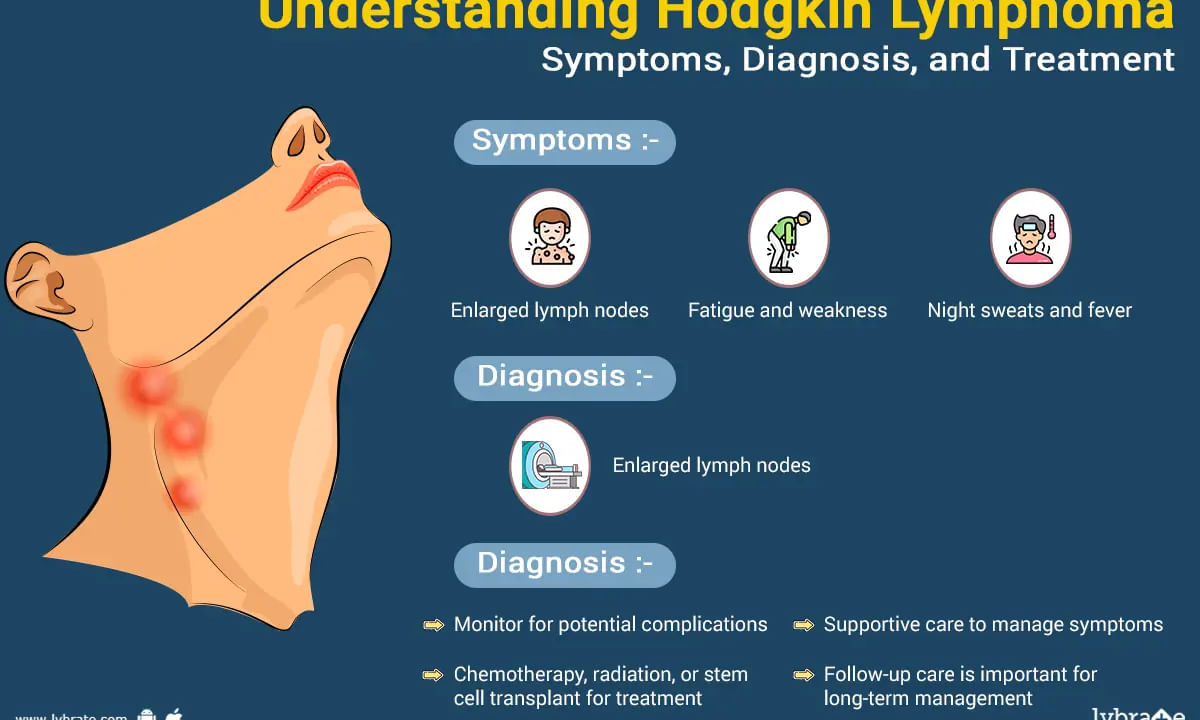
One of the common symptoms of Burkitt lymphoma is swelling. The lymph nodes, which are part of the body’s immune system and help filter out harmful substances, can become enlarged due to the presence of cancerous cells. Swollen lymph nodes are often painless and may be noticed in various parts of the body, such as the neck, armpits, or groin.
Enlarged lymph nodes
Enlarged lymph nodes are a hallmark symptom of Burkitt lymphoma. These swollen lymph nodes can occur in multiple locations throughout the body, reflecting the systemic nature of this type of lymphoma. The lymph nodes may feel firm or rubbery to the touch and may not be tender or painful.
Abdominal pain
Burkitt lymphoma tumors can also develop in the gastrointestinal tract, leading to abdominal pain. The growth of these tumors can cause discomfort, cramping, or a feeling of fullness in the abdomen. In some cases, the lymphoma can cause intestinal obstruction, resulting in severe pain and distension.
Fever
Fever is a common symptom of Burkitt lymphoma, and it is typically persistent and unexplained. The underlying inflammation caused by the lymphoma can trigger an increase in body temperature. Fever may also be accompanied by other flu-like symptoms, such as fatigue and chills.
Night sweats
Night sweats, or excessive sweating during sleep, can be experienced by individuals with Burkitt lymphoma. These night sweats are often drenching and may cause the person to wake up with soaked bedclothes. Night sweats can be uncomfortable and disrupt sleep, further contributing to fatigue and overall malaise.

Diagnosis
Physical examination
During a physical examination, a healthcare professional will carefully examine the body for any signs of swelling, enlarged lymph nodes, or other abnormal findings. They will also assess the overall health and look for any specific Burkitt lymphoma symptoms.
Blood tests
Blood tests can provide important diagnostic information for Burkitt lymphoma. These tests can help evaluate the levels of different blood cells, assess organ function, and detect any abnormalities. Certain blood markers may indicate the presence of lymphoma, although further tests are needed to confirm the diagnosis.
Imaging tests
Imaging tests, such as computed tomography (CT) scans or magnetic resonance imaging (MRI), may be used to visualize the lymph nodes and other organs in the body. These tests can help identify the location, size, and extent of the lymphoma, facilitating accurate staging.
Biopsy
A biopsy is the gold standard for diagnosing Burkitt lymphoma. During a biopsy, a small sample of tissue is taken from an enlarged lymph node or affected organ. This tissue sample is then examined under a microscope by a pathologist, who can confirm the presence of cancer cells and assess their characteristics. The biopsy results will determine the specific subtype of lymphoma and guide further treatment decisions.
Staging
Stage I
Stage I Burkitt lymphoma refers to cancer that is confined to a single group of lymph nodes or a single organ or site outside the lymphatic system.
Stage II
Stage II Burkitt lymphoma indicates cancer involvement in two or more groups of lymph nodes on the same side of the diaphragm or localized involvement of an extralymphatic organ or site.
Stage III
Stage III Burkitt lymphoma represents cancer that has spread to lymph nodes on both sides of the diaphragm or to the spleen.
Stage IV
Stage IV Burkitt lymphoma signifies cancer that has spread to organs or tissues beyond the lymphatic system, such as the bone marrow, liver, lungs, or central nervous system.

Treatment
Chemotherapy
Chemotherapy is the standard treatment for Burkitt lymphoma. It involves the use of powerful anticancer drugs to destroy cancer cells throughout the body. High-dose chemotherapy regimens, commonly called intensive chemotherapy, are often employed to achieve remission and improve outcomes. Chemotherapy can be given orally, intravenously, or in combination.
Surgery
Surgery may play a role in the treatment of Burkitt lymphoma, especially for the removal of localized tumors or for diagnostic purposes. However, due to the systemic nature of this lymphoma, surgery alone is not sufficient to eliminate all cancer cells. It is usually combined with other treatments like chemotherapy or radiation therapy.
Radiation therapy
Radiation therapy uses high-energy beams to kill cancer cells or prevent their growth. It can be employed in localized areas affected by Burkitt lymphoma, such as the brain or abdomen. Radiation therapy is often given after chemotherapy to eliminate any remaining cancer cells and reduce the risk of relapse.
Stem cell transplant
For individuals with relapsed or refractory Burkitt lymphoma, a stem cell transplant may be considered. This procedure involves replacing diseased bone marrow or blood-forming cells with healthy stem cells. Stem cells can be collected from the patient themselves (autologous transplant) or from a donor (allogeneic transplant) to restore the immune system and improve treatment outcomes.
Targeted therapy
Targeted therapy is a relatively new approach to treating Burkitt lymphoma. It involves the use of drugs that specifically target cancer cells and their underlying genetic abnormalities. These drugs can interfere with the signaling pathways involved in cancer growth, leading to the death of cancer cells and improved treatment outcomes. Targeted therapies are often used in combination with other treatments.
Prognosis
Overall survival rate
The overall survival rate for Burkitt lymphoma has significantly improved over the years due to advances in treatment approaches. With the appropriate therapy, the five-year survival rate can exceed 90%. However, the prognosis can vary depending on various factors, such as the extent of the disease at diagnosis, the presence of specific genetic abnormalities, and the response to treatment.
Response to treatment
The response to treatment is a vital prognostic factor for individuals with Burkitt lymphoma. Achieving a complete remission or significant reduction in tumor burden after initial therapy is associated with improved outcomes. Regular monitoring and follow-up visits are important to evaluate treatment response and make any necessary adjustments to the treatment plan.
Relapse rate
Despite the initial success of treatment, there is a risk of relapse in individuals with Burkitt lymphoma. The relapse rate varies depending on the particular subtype and stage of lymphoma, among other factors. If a relapse occurs, further treatment options, such as salvage chemotherapy, targeted therapy, or stem cell transplant, may be considered to achieve a subsequent remission.

Prevention
Avoiding known risk factors
While it may not be possible to prevent Burkitt lymphoma entirely, certain measures can help reduce the risk. Avoiding known risk factors, such as exposure to certain chemicals or toxins, can potentially lower the chances of developing lymphoma. Additionally, practicing safe sex and reducing the risk of acquiring infections, such as HIV or Epstein-Barr virus, can also be beneficial.
Screening and early detection
There are currently no specific screening recommendations for Burkitt lymphoma in the general population. However, individuals with a family history of lymphomas or certain genetic conditions associated with an increased risk of lymphoma may benefit from regular check-ups and discussions with their healthcare providers. Early detection of symptoms and prompt medical attention are crucial for timely diagnosis and treatment.
Support and Rehabilitation
Emotional support
Receiving a diagnosis of Burkitt lymphoma can be overwhelming for both the individual and their loved ones. Emotional support is vital during this challenging time. Connecting with support groups, counseling services, or engaging in therapy can help manage the emotional impact of the illness and provide a platform for sharing experiences and coping strategies.
Physical therapy
Depending on the extent of the lymphoma and its treatment, some individuals may experience physical limitations or side effects. Physical therapy can play a crucial role in restoring mobility, strength, and overall physical well-being. A physical therapist can tailor exercises and rehabilitation programs to address specific needs and help individuals regain their independence and quality of life.
Speech and language therapy
In cases where Burkitt lymphoma affects the central nervous system or structures involved in speech and language, speech and language therapy may be beneficial. This specialized therapy can assist individuals in improving communication skills, swallowing difficulties, and overall oral motor function, enhancing their ability to communicate effectively and maintain a good quality of life.

Clinical Trials
Importance of clinical trials
Clinical trials are crucial for advancing medical knowledge and developing new treatments for Burkitt lymphoma. These studies help evaluate the safety and effectiveness of novel therapies, including targeted treatments and immunotherapies. Participating in clinical trials allows individuals to access potentially groundbreaking treatments before they become widely available.
Finding clinical trials
If you are interested in participating in a clinical trial for Burkitt lymphoma, consult with your healthcare provider or oncologist. They can guide you to reputable research institutions or organizations that conduct clinical trials. Additionally, online resources and databases, such as the National Institutes of Health (NIH) Clinical Trials database, can provide information about ongoing trials and eligibility criteria.
Eligibility criteria
Each clinical trial has specific eligibility criteria that participants must meet. These criteria may include factors such as age, previous treatments received, and specific genetic or disease characteristics. The research team overseeing the trial will carefully assess whether you meet the necessary criteria to ensure your safety and the validity of the study results.
Research and Advances
Immunotherapy
Immunotherapy has emerged as a promising treatment approach for Burkitt lymphoma. This form of therapy harnesses the body’s immune system to recognize and destroy cancer cells. Various immunotherapy strategies, including immune checkpoint inhibitors and CAR-T cell therapy, are being investigated for their effectiveness in treating Burkitt lymphoma. These therapies have shown encouraging results in clinical trials and may become integral components of future treatment protocols.
Genetic testing
Advances in genetic testing have revolutionized cancer care, including Burkitt lymphoma. Genetic testing can help identify specific genetic alterations or biomarkers that are characteristic of Burkitt lymphoma. This information can assist in the diagnosis, prognosis, and selection of targeted therapies tailored to individual patients. Genetic testing may also be valuable for assessing the risk of other family members developing lymphoma.
Personalized medicine
The concept of personalized medicine involves tailoring treatment plans based on the specific characteristics of an individual’s cancer. In Burkitt lymphoma, personalized medicine approaches can involve genetic profiling, identification of targetable mutations, and treatment selection guided by the molecular profile of the tumor. By targeting the underlying genetic abnormalities driving the cancer, personalized medicine holds great promise for improved treatment outcomes and reduced side effects.
In conclusion, Burkitt lymphoma is a complex and aggressive type of lymphoma that requires comprehensive diagnosis and treatment. While genetic factors, Epstein-Barr virus infection, immunodeficiency, and environmental factors can contribute to its development, early detection and appropriate treatment hold the key to improving outcomes. With advances in therapies like chemotherapy, targeted therapy, and immunotherapy, the prognosis for individuals with Burkitt lymphoma has significantly improved. Ongoing research and clinical trials continue to pave the way for new treatment strategies, bringing hope for better outcomes and ultimately a cure for this challenging disease.