
Imagine discovering a mysterious lump under your skin that seems harmless, yet unsettling. You may be experiencing one of the most common benign tumors called a lipoma. In this article, we will take a closer look at lipomas, exploring their symptoms, causes, and available treatment options. From understanding the characteristics of these fatty growths to navigating the various treatment methods, this comprehensive guide will equip you with the knowledge to make informed decisions about your health. So, let’s dive into the world of lipomas and uncover all the vital information you need to know.
Understanding Lipoma
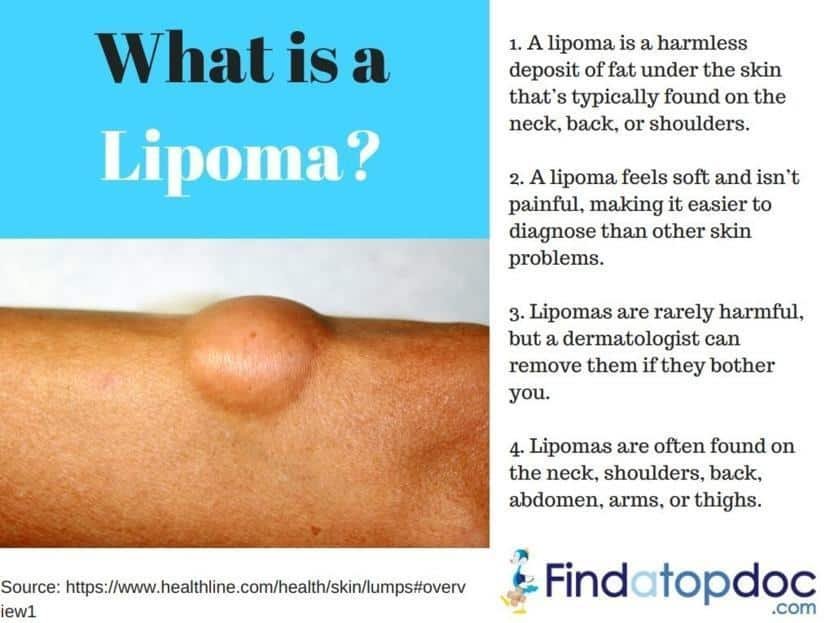
Lipoma is a common, noncancerous growth that forms under the skin. It is characterized by a soft, rubbery lump that is usually painless. Lipomas can occur anywhere in the body where fat cells are present, but they are most commonly found on the shoulders, back, neck, arms, and thighs. While lipomas are typically harmless and don’t require treatment, understanding the condition is important for those who may be concerned or experience discomfort.
Definition of Lipoma
A lipoma is a benign tumor composed of fat cells that form just underneath the skin. It is a slow-growing mass that feels soft and doughy to the touch. Lipomas are usually movable and can range in size from small pea-sized lumps to larger golf ball-sized masses. Although lipomas can develop at any age, they are more commonly seen in middle-aged adults.
Types of Lipoma
There are different types of lipomas based on their location and specific characteristics. The most common type is the superficial subcutaneous lipoma, which appears just beneath the skin. Deep-seated lipomas are found within the muscles. Infiltrating lipomas have the potential to invade deep tissues and can be more challenging to remove surgically. Atypical lipomatous tumors are a type of lipoma that has a higher chance of turning into cancer, although they are still considered rare.
Causes of Lipoma
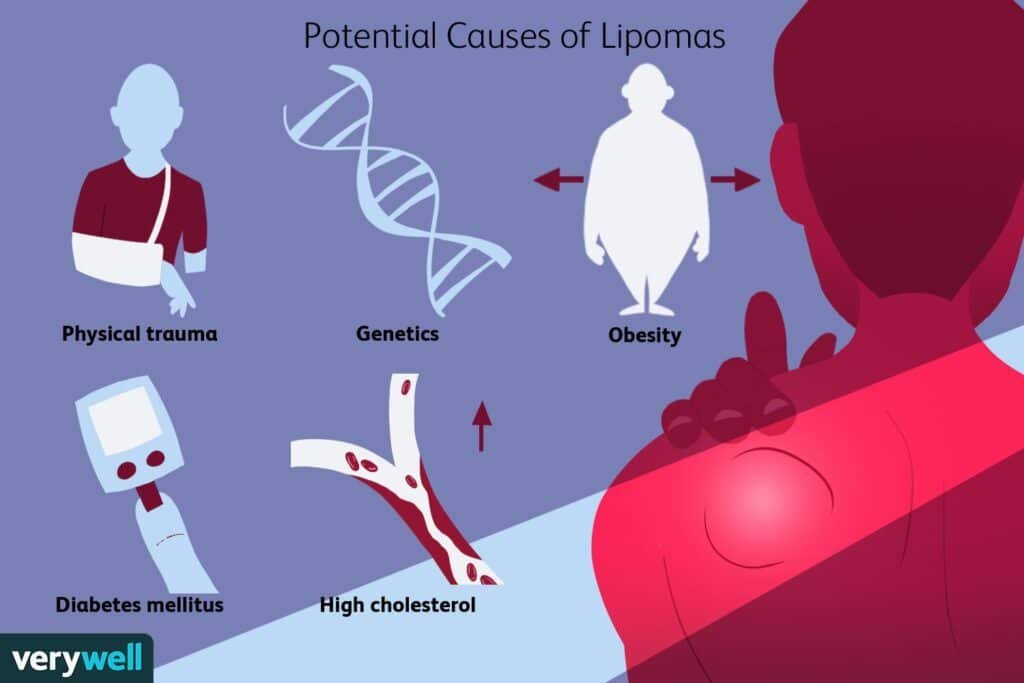
The exact cause of lipomas is still unknown, and they often appear spontaneously without any clear triggering factors. However, certain genetic conditions, such as Gardner’s syndrome and Madelung’s disease, are associated with an increased risk of developing lipomas. Additionally, family history and certain hereditary syndromes may contribute to the development of lipomas.
Risk Factors for Lipoma
While lipomas can affect anyone, regardless of their age or gender, certain factors may increase the likelihood of developing these fatty tumors. These risk factors include a family history of lipomas, certain genetic conditions, obesity, and age. However, it is important to remember that lipomas can occur in individuals without any identifiable risk factors as well.
Symptoms of Lipoma
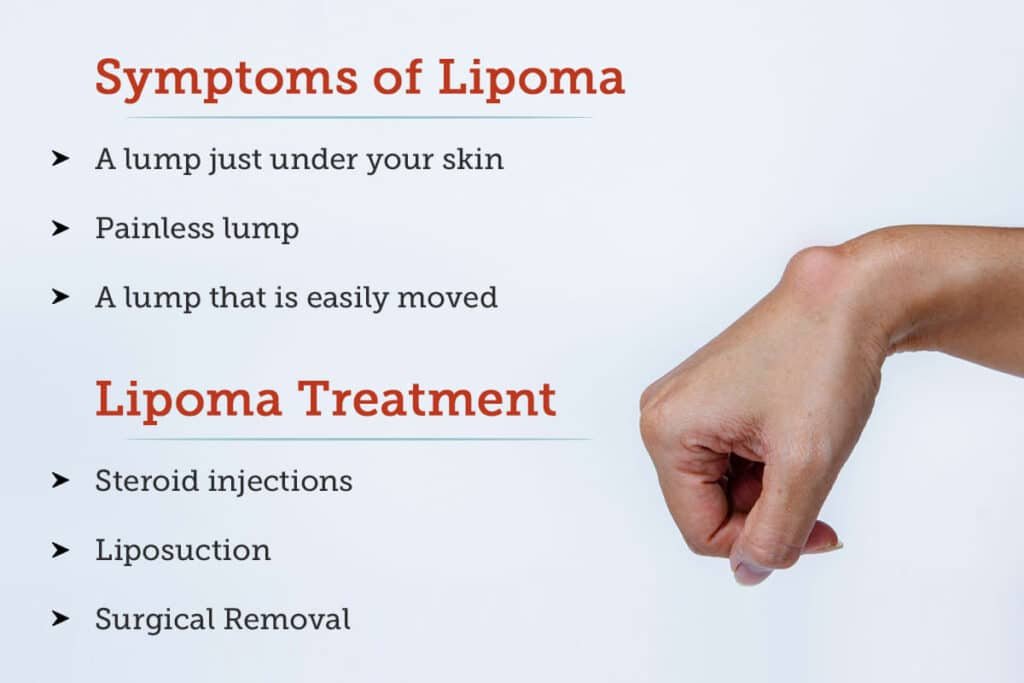
Understanding the symptoms of lipomas can help you identify and differentiate them from other skin conditions. Here are some common symptoms associated with lipomas:
Visible Appearance
Lipomas appear as soft, well-defined, and movable lumps just underneath the skin. They may vary in size, ranging from as small as a pea to as large as a golf ball. These growths typically have a dome-like shape and are often painless.
Texture and Consistency
When you feel a lipoma, it will usually be soft and doughy to the touch. The lump may feel like it is made of rubber or a similar texture. It is worth noting that lipomas often have a characteristic “slippery” feeling when touched.
Tenderness or Pain
In general, lipomas are not painful or tender. However, there may be instances when a lipoma causes discomfort due to its size or location. In these cases, pressure on surrounding nerves or tissues can lead to pain or tenderness.
Size and Growth
Lipomas can vary significantly in size. They tend to grow slowly over time and often reach a certain size before they stop growing. It is rare for a lipoma to reach a large size, but the rate and extent of growth can differ from person to person.
Associated Symptoms
Unlike malignant tumors, lipomas typically do not cause any systemic symptoms. They are generally asymptomatic and do not cause fever, weight loss, or other constitutional symptoms. If you experience any additional symptoms with a lipoma, it is important to consult a healthcare professional for evaluation.
Diagnosis of Lipoma
In order to determine if a lump is indeed a lipoma, healthcare providers may employ various diagnostic methods. These can include:
Physical Examination
The first step in diagnosing a lipoma is a physical examination. During this examination, the healthcare provider will assess the lump’s size, location, texture, and mobility. They may also inquire about any symptoms associated with the lipoma and evaluate it for any concerning features.
Imaging Tests
If needed, imaging tests such as ultrasound or MRI scans may be ordered to confirm the diagnosis or rule out other conditions. These tests can provide detailed images of the lump, allowing healthcare providers to assess its size, location, and relationship with surrounding structures.
Biopsy
In some cases, a biopsy may be recommended to confirm the diagnosis. During a biopsy, a small sample of the lipoma is removed and sent to a laboratory for analysis. This procedure is typically performed if the healthcare provider suspects that the lump may not be a typical lipoma or if there are concerning features.
When to Seek Medical Attention
While lipomas are generally harmless and do not require treatment, there are certain situations where medical attention should be sought. These include:
Cosmetic Concerns
If a lipoma is located in a visible area or causes self-consciousness, it may be worth discussing treatment options with a healthcare provider. They can provide information on possible treatment options to address any cosmetic concerns.
Discomfort or Pain
Although lipomas are usually painless, if a lipoma causes discomfort or pain due to its size or location, medical attention may be necessary. In some cases, the discomfort can be managed with conservative measures, while in others, more invasive interventions may be recommended.
Rapid Growth
While lipomas typically grow slowly, the sudden and rapid growth of a lipoma should be evaluated by a healthcare professional. Rapid growth can be a sign of other underlying conditions that require medical attention.
Changes in Appearance
If a lipoma changes in appearance, becomes hard, irregular in shape, or causes other concerning symptoms, it is essential to seek medical attention promptly. Although these changes are rare, they could be indicators of a more serious condition that needs further investigation.
Treatment Options for Lipoma
Lipomas usually do not require treatment, as they are benign and harmless. However, in certain circumstances where a lipoma is causing discomfort, pain, or cosmetic concerns, treatment options may be considered. Some common treatment options include:
Observation and Monitoring
In most cases, lipomas can be safely observed, particularly if they are small, painless, and not causing any other symptoms. Regular monitoring can help ensure that any changes in size or appearance are promptly addressed.
Surgical Removal
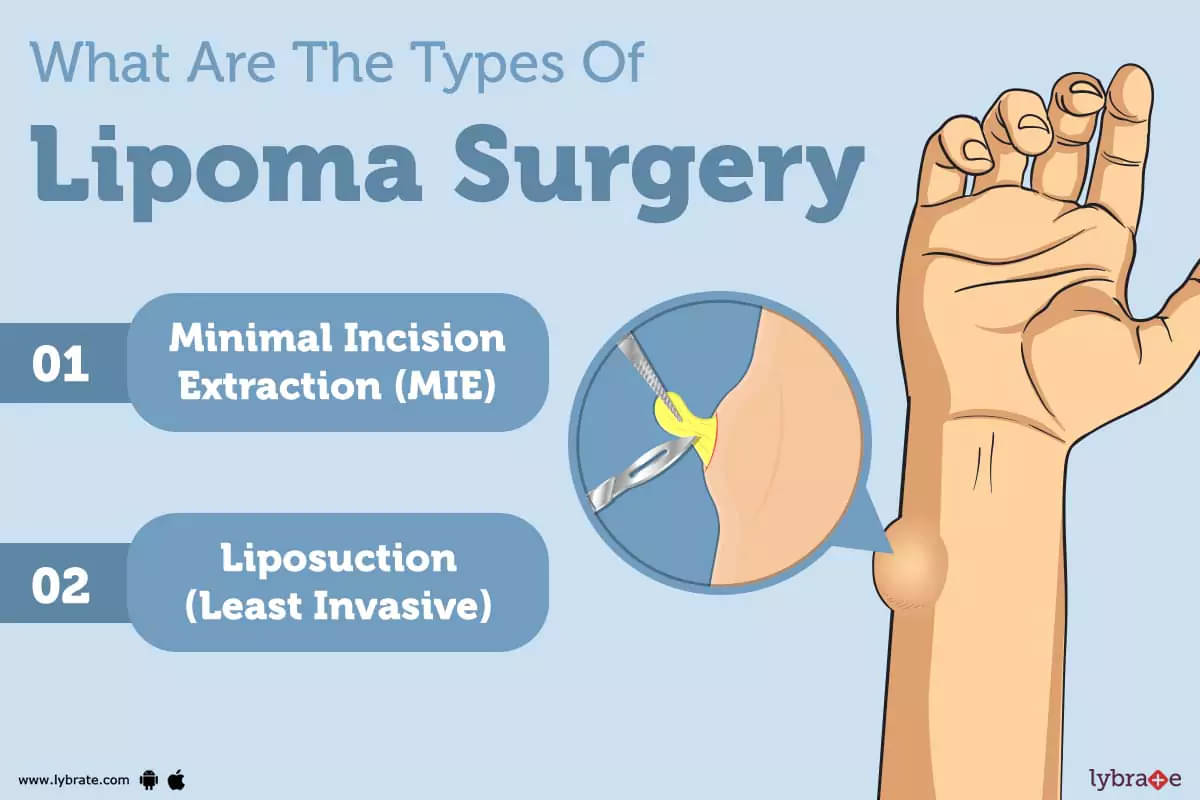
Surgical removal is a common treatment option for lipomas. This procedure involves making an incision over the lipoma and removing it along with its capsule. Surgical removal is typically performed on larger lipomas, those causing significant symptoms, or lipomas that are suspected to be atypical or malignant.
Liposuction
Liposuction can be an alternative to surgical removal for certain lipomas. This technique involves inserting a thin tube called a cannula into the lipoma and removing the fatty tissue using suction. Liposuction is generally reserved for lipomas that are large, easily accessible, and have a soft consistency.
Steroid Injections
Injecting a corticosteroid medication into a lipoma may help reduce its size and alleviate any associated symptoms. Steroid injections work by causing the lipoma to shrink over time. However, this treatment option is not suitable for all lipomas and depends on various factors including size, location, and symptoms.
Home Remedies
While there is no specific home remedy to treat lipomas, certain self-care measures can help manage symptoms and improve overall well-being. These include maintaining a healthy lifestyle, practicing good hygiene to avoid infection, and applying warm compresses to alleviate any discomfort or pain.
Preventive Measures
While it is not possible to prevent the development of lipomas entirely, there are several preventive measures that can help reduce the risk. These include:
Maintaining a Healthy Weight
Obesity has been linked to an increased risk of developing lipomas. By maintaining a healthy weight through a balanced diet and regular exercise, you can reduce the likelihood of lipoma formation.
Avoiding Trauma
Any trauma or repetitive injury to an area of the body where lipomas commonly occur can potentially trigger the development of a lipoma. Taking appropriate precautions, such as wearing protective gear and practicing safe behaviors, can help decrease the chances of trauma-induced lipomas.
Balanced Diet
A nutritious, well-balanced diet provides the body with essential nutrients and supports overall health. Including a variety of fruits, vegetables, lean proteins, and whole grains in your diet can contribute to maintaining healthy tissue function.
Regular Exercise
Regular exercise not only helps with weight management but also promotes overall health and well-being. Engaging in physical activity for at least 150 minutes per week can contribute to maintaining a healthy body and reducing the risk of lipoma formation.

Complications Associated with Lipoma
While lipomas are generally benign, complications can occur in rare cases. These may include:
Rupture
Although rare, lipomas can rupture, particularly if they are located near the surface of the skin. This can cause pain, inflammation, and an increased risk of infection. If a lipoma ruptures, medical attention should be sought to prevent complications and ensure proper wound care.
Infection
Infection of a lipoma can occur if bacteria enters the area, either through trauma or rupture. Signs of infection may include redness, warmth, tenderness, and the presence of pus or other discharge. If an infected lipoma is suspected, medical attention should be sought for appropriate treatment.
Compression of Nearby Structures
In some cases, lipomas may grow in size and compress nearby nerves, blood vessels, or organs. This can lead to symptoms such as pain, numbness, tingling, or functional impairment. If a lipoma is causing compression of adjacent structures, it may require treatment to alleviate symptoms or prevent further complications.
Alternative Treatments
In addition to conventional medical treatments, some individuals may explore alternative therapies to manage lipomas. While these alternative treatments may provide relief for some individuals, it is important to note that scientific evidence supporting their effectiveness is limited. Some alternative treatments for lipoma include:
Herbal and Natural Remedies
Certain herbal remedies, such as chickweed, turmeric, and ginger, have been suggested as potential treatments for lipomas. However, it is crucial to consult with a healthcare professional before using any herbal or natural remedies, as they may have potential side effects or interact with other medications.
Acupuncture
Acupuncture is a traditional Chinese medicine practice that involves inserting thin needles into specific points in the body. Some individuals claim that acupuncture can help reduce the size or symptoms associated with lipomas. However, more research is needed to determine its efficacy and safety.
Massage Therapy
Massage therapy may help alleviate discomfort associated with lipomas by improving blood circulation and promoting relaxation. However, it is important to consult with a licensed massage therapist who is knowledgeable about lipomas, as improper manipulation can potentially cause harm or increase discomfort.
Heat Therapy
Applying heat to a lipoma through the use of warm compresses or heat pads may help reduce pain and discomfort. Heat therapy can increase blood flow to the area, promoting relaxation and potentially reducing the size of the lipoma. However, it is important to use caution and ensure that the heat is not excessive to avoid burns or skin damage.
Home Care Tips for Lipoma
For individuals with lipomas, there are several home care tips that can help manage symptoms and promote overall well-being. These include:
Monitoring Changes
Regularly monitoring the size, texture, and appearance of a lipoma is important to identify any changes or concerning features. If there are any significant changes, it is essential to consult a healthcare professional for further evaluation.
Avoiding Irritation
Friction or irritation from clothing or other external factors can cause discomfort or exacerbate symptoms associated with lipomas. Wearing loose-fitting clothing and avoiding activities that involve repetitive rubbing against the lipoma can help minimize irritation.
Warm Compress
Applying a warm compress to the lipoma can help alleviate any discomfort or pain associated with it. The warmth promotes blood circulation and relaxation, potentially reducing any inflammation or tenderness.
Healthy Lifestyle Choices
Maintaining a healthy lifestyle is essential for overall well-being and can potentially impact the development and management of lipomas. This includes adopting a balanced diet, engaging in regular exercise, and practicing good hygiene to prevent infection.
Conclusion
In conclusion, lipomas are common, noncancerous growths that develop under the skin. While usually harmless and painless, the presence of a lipoma can be concerning or cause discomfort for some individuals. Understanding the symptoms, treatment options, and preventive measures associated with lipomas is important in order to make informed decisions about their management. If you have any concerns or experience changes in a lipoma, it is always advisable to seek medical attention for appropriate evaluation and guidance.