
Lipoma is a common benign tumor that affects the fatty tissues beneath the skin, causing painless, soft lumps to form. If you or someone you know is dealing with lipoma, you’re in the right place! In this article, we will explore various effective treatment options to manage and potentially eliminate these bothersome growths. From non-invasive procedures to surgical interventions, we’ve got you covered with all the information you need to make an informed decision about your lipoma treatment journey. So, let’s get started and find the best path towards a lipoma-free future!

Definition of Lipoma
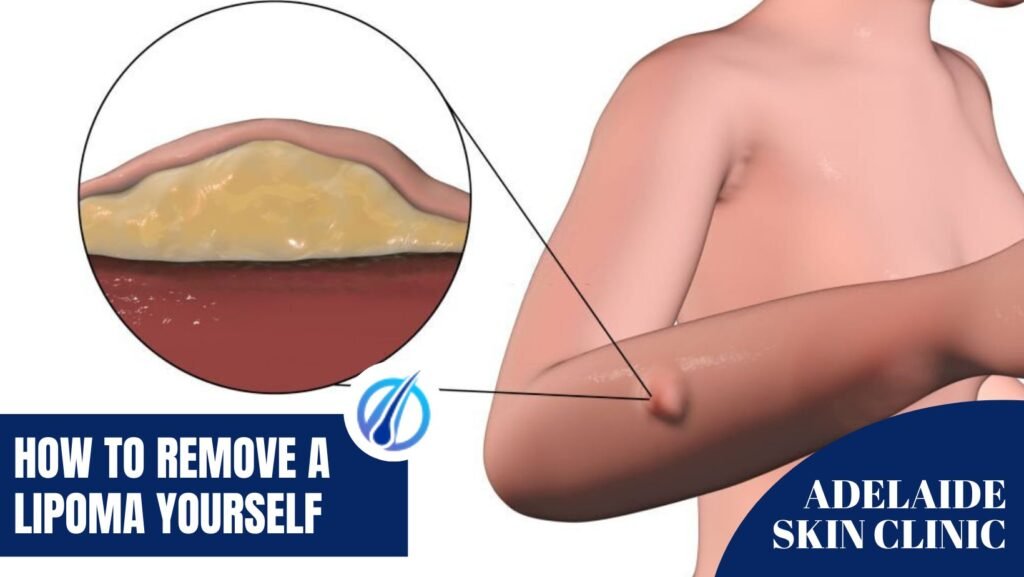
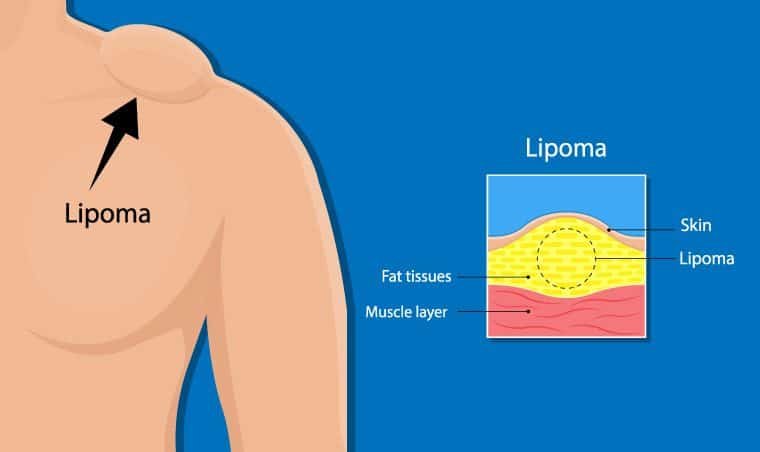
A lipoma is a benign, non-cancerous tumor that develops underneath the skin. It is composed of fat cells and typically feels soft to the touch. Lipomas are usually painless and can occur anywhere on the body where fat cells are present. They are quite common, with estimates suggesting that around 1 in every 1,000 people have a lipoma. While they are generally harmless, some lipomas may grow in size, causing discomfort or cosmetic concerns.
What is a lipoma?
A lipoma is a growth that forms from an overgrowth of fat cells. These cells multiply and cluster together to create a tumor-like structure beneath the skin. Lipomas are usually small, ranging from the size of a pea to a few centimeters in diameter. In some cases, however, they can grow larger, even reaching the size of a grapefruit. They are typically movable and can be easily manipulated with mild pressure.
Characteristics of lipomas
Lipomas have several distinct characteristics that help differentiate them from other growths or tumors. They are typically soft in texture and feel rubbery to the touch. They can range in color from colorless or skin-colored to yellowish. Lipomas are usually round or oval-shaped and have a smooth surface. They tend to be slow-growing, but in some cases, they can expand rapidly over a short period of time. While they are usually painless, larger lipomas can cause discomfort or pressure sensations due to their size and location.
Causes and Risk Factors of Lipoma
While the exact cause of lipomas is not fully understood, several factors are believed to contribute to their development. These include genetic factors, age, obesity, hormonal imbalances, and trauma.
Genetic factors
There is evidence to suggest that there may be a genetic predisposition for lipoma development. Some individuals may inherit a gene mutation that leads to an increased likelihood of developing lipomas. Certain genetic conditions, such as familial multiple lipomatosis or adiposis dolorosa, are associated with a higher prevalence of lipomas.
Age
Lipomas can occur at any age, but they are more commonly seen in middle-aged and older adults. The risk of developing lipomas tends to increase with age, and they are less common in children and young adults.
Obesity
Obesity has been identified as a potential risk factor for lipoma development. The excess accumulation of fat cells in the body may contribute to the formation of lipomas. However, lipomas can also occur in individuals of normal weight, and not all obese individuals develop lipomas.
Hormonal imbalances
Some studies have suggested a possible link between hormonal imbalances and lipoma development. Hormonal changes, such as those that occur during menopause, may influence fat cell growth and contribute to the formation of lipomas. However, further research is needed to fully understand the relationship between hormones and lipomas.
Trauma
In rare cases, lipomas may develop in areas that have experienced trauma or injury. This is known as a posttraumatic lipoma. It is thought that the trauma triggers an overgrowth of fat cells, leading to the formation of a lipoma.

Common Locations of Lipoma
Lipomas can develop on various parts of the body where fat cells are present. Some common locations for lipomas include the back, neck, shoulders, arms, and thighs.
Back
Lipomas on the back are often found in the subcutaneous layer, just beneath the skin. They may be more noticeable when located on the upper back, as they can cause a visible bulge or lump. These lipomas are generally painless and may not require treatment unless they cause discomfort or affect mobility.
Neck
Lipomas that develop in the neck are typically small and do not cause significant symptoms. However, they can be bothersome if they grow in size or press against nearby structures. In some cases, neck lipomas may require surgical removal if they cause pain, interfere with breathing or swallowing, or if they are cosmetically undesirable.
Shoulders
Lipomas on the shoulders are often superficial and can be easily felt beneath the skin. They are commonly found in the area where the shoulder meets the back and may cause pain or discomfort if they press against muscles or nerves. Surgical removal or other treatment options may be considered if shoulder lipomas cause significant symptoms.
Arms
Lipomas on the arms are most commonly found in the upper arms or armpits. They are usually small and asymptomatic, but larger or rapidly growing lipomas may cause pain or affect arm mobility. Surgical removal may be recommended for larger or symptomatic arm lipomas.
Thighs
Lipomas on the thighs are frequently discovered in the subcutaneous layer, just beneath the skin. They are usually painless and may be mistaken for simple fatty deposits. However, if a thigh lipoma grows in size or becomes uncomfortable, medical evaluation and potential treatment options should be considered.
Diagnosis of Lipoma
Diagnosing a lipoma typically involves a combination of physical examination, imaging tests, and in some cases, a biopsy.
Physical examination
During a physical examination, a healthcare provider will examine the lump or growth to determine if it meets the characteristics of a lipoma. They will assess the size, shape, texture, mobility, and location of the growth. They may also ask about any symptoms or changes in the lipoma, such as rapid growth or pain.
Imaging tests
Imaging tests, such as ultrasound, MRI, or CT scan, may be ordered to get a better look at the lipoma and its surrounding structures. These tests can help confirm the diagnosis of a lipoma and rule out other possible causes for the growth.
Biopsy
In some cases, a biopsy may be necessary to definitively diagnose a lipoma. A small sample of tissue is removed from the lipoma and examined under a microscope to confirm the presence of fat cells. This procedure is typically done under local anesthesia and is generally considered safe and well-tolerated.
Conservative Management of Lipoma
In many cases, lipomas do not require active treatment if they are small, painless, and not causing any complications. Conservative management options include observation and lifestyle changes.
Observation
If a lipoma is small and not causing any symptoms, a healthcare provider may recommend simply watching and monitoring it over time. Lipomas are usually slow-growing and typically do not pose any serious health risks. Regular check-ups with a healthcare provider can help ensure that the lipoma is not growing rapidly or causing any new symptoms.
Lifestyle changes
While lifestyle changes cannot prevent or cure lipomas, maintaining a healthy weight and following a balanced diet may help manage their growth and prevent the development of new lipomas. Losing weight if overweight or obese may also reduce the risk of new lipoma formation. Regular exercise can improve overall health and may also help regulate hormone levels, potentially reducing the likelihood of lipoma growth.
Medical Treatment Options for Lipoma
In cases where a lipoma is causing discomfort, affecting mobility, or causing cosmetic concerns, medical treatment options may be considered. These options include steroid injections, liposuction, and resection (surgical removal).
Steroid injections
Steroid injections can be used to reduce the size of a lipoma and alleviate symptoms such as pain or pressure. The injection contains a corticosteroid medication that helps shrink the lipoma by reducing inflammation and inhibiting fat cell growth. Multiple injections may be required over a period of time to achieve the desired results.
Liposuction
Liposuction is a surgical procedure that can be used to remove larger or deeper lipomas. It involves making a small incision near the lipoma and using a cannula to suction out the fatty tissue. Liposuction is usually performed under local anesthesia and may leave a small scar. It is typically an outpatient procedure, allowing for a relatively quick recovery.
Resection
Surgical resection is often considered for lipomas that are large, rapidly growing, or causing significant symptoms. The procedure involves making an incision, removing the lipoma along with the surrounding fat, and closing the incision with stitches. It may be performed under local or general anesthesia, depending on the size and location of the lipoma. Following resection, the lipoma is sent to a laboratory for further examination to confirm its benign nature.

Alternative and Complementary Therapies for Lipoma
In addition to medical treatment options, some individuals may explore alternative and complementary therapies for managing lipomas. It is important to note that these therapies have not been extensively studied for lipoma treatment, and their effectiveness may vary.
Herbal remedies
Certain herbal remedies, such as chickweed, poke root, or thuja, are sometimes recommended for the management of lipomas. These herbs are believed to have properties that can help reduce the size or inhibit the growth of lipomas. However, it is crucial to consult with a qualified healthcare provider or herbalist before using any herbal remedies to ensure their safety and efficacy.
Acupuncture
Acupuncture is an ancient Chinese practice that involves inserting thin needles into specific points on the body. Some individuals may seek acupuncture as a complementary therapy for managing lipomas. While acupuncture has been used for various conditions, including pain management, its effectiveness in treating lipomas has not been thoroughly studied.
Homeopathic treatments
Homeopathy is a system of alternative medicine that uses highly diluted substances to stimulate the body’s natural healing ability. Some homeopathic treatments may be recommended for the management of lipomas. These treatments are personalized based on an individual’s specific symptoms and constitution. However, research on the efficacy of homeopathic treatments for lipoma management is limited.
Natural Remedies for Lipoma
In addition to alternative therapies, there are several natural remedies that some individuals may consider for managing lipomas. Again, it is important to note that these remedies have not been extensively studied, and their effectiveness may vary from person to person.
Apple cider vinegar
Apple cider vinegar is a popular home remedy that is believed to have various health benefits, including the potential to reduce the size of lipomas. It is commonly applied topically to the affected area or taken internally. The acidity of apple cider vinegar is thought to help break down the fatty tissue in lipomas. However, there is limited scientific evidence to support its effectiveness, and it may not be suitable for everyone, especially those with sensitive skin or digestive issues.
Turmeric
Turmeric is a spice that contains a compound called curcumin, which has anti-inflammatory and antioxidant properties. Some individuals believe that consuming turmeric or applying turmeric paste to the skin can help reduce inflammation and potentially shrink lipomas. However, more research is needed to determine the specific effects of turmeric on lipoma growth.
Green tea extract
Green tea extract is rich in antioxidants, which can help reduce oxidative stress and inflammation in the body. It is believed that consuming green tea or taking green tea extract supplements may have a positive effect on lipomas. However, there is limited scientific evidence to support this claim, and the appropriate dosage and duration of use are still unclear.
Preventing the Growth of Lipoma
While there is no foolproof method to prevent the development of lipomas, certain lifestyle habits may help manage their growth and reduce the risk of new lipomas forming.
Maintaining a healthy weight
Since obesity has been identified as a potential risk factor for lipoma development, maintaining a healthy weight is crucial. Following a balanced diet, rich in fruits, vegetables, whole grains, and lean proteins, and limiting the intake of processed foods and sugary beverages can help maintain a healthy weight and reduce the risk of lipomas.
Eating a balanced diet
Consuming a well-rounded, balanced diet can ensure that the body receives the necessary nutrients to support overall health. Including foods rich in healthy fats, such as avocados, nuts, and fatty fish, may help maintain optimal fat cell function and prevent the abnormal growth of fat cells that contribute to lipomas.
Regular exercise
Engaging in regular physical activity is not only important for maintaining a healthy weight but also for overall well-being. Exercise can help regulate hormone levels, improve circulation, and promote healthy fat metabolism. Aim for at least 150 minutes of moderate-intensity aerobic activity or 75 minutes of vigorous-intensity aerobic activity each week, along with strength training exercises.
When to Consult a Doctor
While lipomas are usually harmless, there are certain situations in which it is advisable to consult a healthcare provider.
Rapid growth
If a lipoma suddenly grows in size over a short period of time, it is recommended to seek medical evaluation. Rapid growth may indicate a more serious condition or require further investigation to rule out other potential causes.
Pain or discomfort
Lipomas are typically painless, but if they become painful or cause discomfort, medical attention should be sought. Pain in or around a lipoma may indicate complications, such as inflammation or pressure on nearby structures.
Cosmetic concerns
While lipomas do not pose any significant health risks, they can be cosmetically bothersome, especially if they occur in visible areas of the body. If a lipoma affects self-esteem or causes distress, a healthcare provider can discuss potential treatment options to address cosmetic concerns.
In conclusion, lipomas are common benign tumors that develop from an overgrowth of fat cells. While they are usually harmless, some lipomas may require treatment due to their size, location, or associated symptoms. Diagnosis involves physical examination, imaging tests, and occasionally, a biopsy. Conservative management options may include observation and lifestyle changes, while medical treatment options range from steroid injections to surgical removal. Alternative and complementary therapies, as well as natural remedies, are available and may be explored under the guidance of a healthcare provider. While lipomas cannot be completely prevented, maintaining a healthy weight, following a balanced diet, and engaging in regular exercise can help manage their growth. It is important to consult a healthcare provider if there is rapid growth, pain or discomfort, or cosmetic concerns related to lipomas.