
In this article, you will discover everything you need to know about lipoma removal, including surgical procedures and aftercare. Lipomas are benign growths made up of fat cells that can develop anywhere on your body. The good news is that removing them is a straightforward and safe process. From the initial consultation to the recovery period, we will guide you through the entire journey, ensuring you have all the information you need to make informed decisions about your health. So, if you’re ready to bid farewell to those pesky lipomas, let’s dive into the world of surgical procedures and aftercare.
Preparation for Lipoma Removal
Consultation with a healthcare professional
Before undergoing lipoma removal surgery, it is essential to schedule a consultation with a healthcare professional who specializes in surgical procedures. During this consultation, you will have the opportunity to discuss your concerns, ask questions, and gain a better understanding of what to expect from the process. Your healthcare professional will evaluate your condition, assess the lipoma’s size, location, and any potential risks, and determine if you are a suitable candidate for surgery.
Medical history assessment
During the preparation phase, your healthcare professional will conduct a thorough assessment of your medical history. It is important to provide accurate and detailed information about any underlying medical conditions, allergies, medications you are currently taking, and previous surgeries. This information will help the healthcare professional in devising an appropriate surgical plan and ensuring your safety during the procedure.
Physical examination
A physical examination will be conducted to evaluate the lipoma’s characteristics, such as its size, location, and consistency. This examination will help the healthcare professional determine the most suitable surgical technique for your specific case. Additionally, they will assess the surrounding tissues and discuss any potential risks or complications that may arise during the procedure.
Discussion of surgical options
Once the healthcare professional has evaluated your condition and performed a physical examination, they will discuss the available surgical options with you. The two main techniques commonly used for lipoma removal are incision and liposuction. Each technique has its advantages and considerations, and your healthcare professional will guide you in choosing the most appropriate option for your specific case.

Surgical Procedures
Local anesthesia administration
Lipoma removal surgeries are usually performed under local anesthesia. This means that only the area around the lipoma will be numbed, and you will remain awake during the procedure. Local anesthesia helps minimize discomfort and allows for a faster recovery compared to general anesthesia. Your healthcare professional will administer the local anesthesia, ensuring your comfort throughout the surgery.
Incision technique:
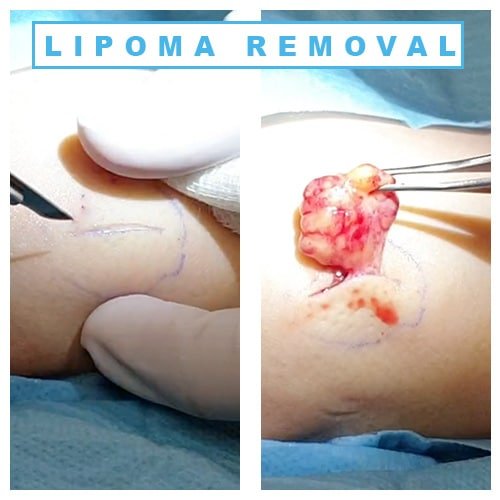
If the selected approach is through the incision technique, your healthcare professional will make a small incision on the skin’s surface, directly over the lipoma. This incision provides direct access to the lipoma, allowing for its effective removal. The incision is strategically placed to minimize scarring and ensure optimal aesthetic results.
Liposuction technique:
In cases where the lipoma is softer and more easily extracted, the liposuction technique may be chosen. This technique involves using a cannula, a thin tube, to suction out the lipoma through a small incision. Liposuction is less invasive than the incision technique and often results in smaller scars and a quicker recovery time.
Tissue extraction and closure
Once the lipoma has been accessed through either the incision or liposuction technique, the healthcare professional will carefully extract it from the body. Great care is taken to ensure complete removal of the lipoma while preserving the surrounding healthy tissue. Once the lipoma has been successfully removed, the incision site will be closed using sutures or adhesive strips, depending on the size and location of the incision.
Post-surgical dressing or bandaging
After the surgical procedure, a dressing or bandage will be applied to the incision site to protect it and promote proper healing. The dressing helps to absorb any excess fluid and prevents infection. Your healthcare professional will provide instructions on how to care for the dressing, change it when necessary, and keep the area clean.
Aftercare and Recovery
Surgical site care
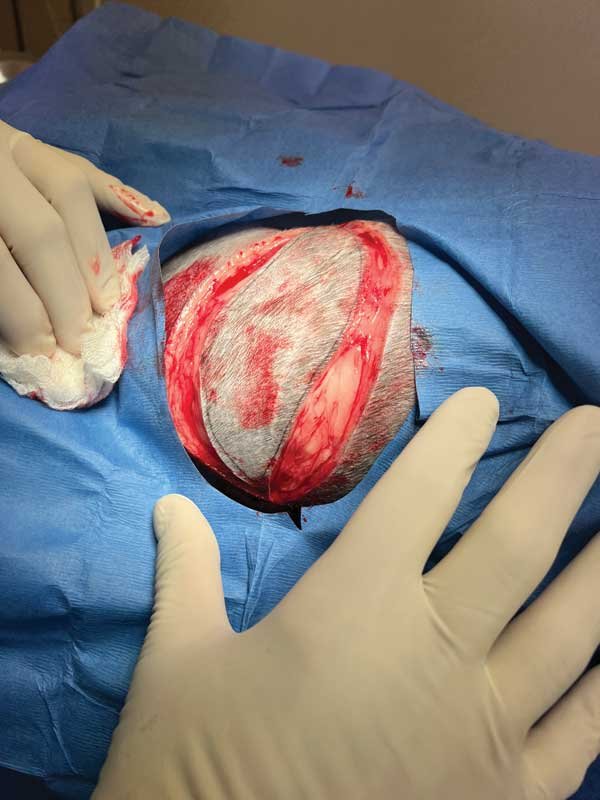
Proper care of the surgical site is crucial for optimal healing. Your healthcare professional will provide detailed instructions on how to care for the incision site, including keeping it clean and dry. It is essential to follow these instructions closely to minimize the risk of infection and promote healing. In case of any concerns, such as excessive bleeding, redness, or swelling, it is important to contact your healthcare professional promptly.
Pain management
While discomfort is to be expected after the lipoma removal surgery, your healthcare professional will prescribe pain medication or recommend over-the-counter options to manage any pain or discomfort. It is essential to follow the prescribed dosage and seek medical advice if the pain persists or worsens.
Activity restrictions
In order to ensure proper healing and minimize the risk of complications, your healthcare professional may advise you to avoid certain activities for a specific period post-surgery. It is important to follow these activity restrictions and gradually resume regular activities as advised. Strenuous activities, heavy lifting, or any action that could strain the surgical site should be avoided until approved by your healthcare professional.
Follow-up appointments
Regular follow-up appointments with your healthcare professional are crucial to monitor your progress and ensure proper healing. During these appointments, your healthcare professional will evaluate the incision site, address any concerns or complications, and provide guidance on scar management and long-term care.
Scar management
Although every effort is made to minimize scarring, it is normal to have a scar after lipoma removal surgery. Your healthcare professional may provide recommendations or prescribe scar management products such as creams, ointments, or silicone sheeting to promote optimal scar healing. It is essential to follow the scar management guidelines and protect the incision site from excessive sun exposure.
Monitoring for recurrence
While lipoma removal surgery is generally a permanent solution, there is a small possibility of lipoma recurrence in the same or different area. Regular self-examinations are recommended to monitor for any changes and promptly consult your healthcare professional if you notice any new or suspicious lumps or growths.
In conclusion, lipoma removal surgery involves careful preparation, selection of the appropriate surgical technique, and diligent aftercare. By consulting with a healthcare professional, discussing surgical options, and following post-operative instructions, you can ensure a safe and successful lipoma removal procedure. Remember to maintain open communication with your healthcare professional, as they are there to provide guidance, support, and answer any questions or concerns you may have throughout the entire process. With proper preparation and care, you can confidently embark on the journey towards a lipoma-free future.
