
You’re taking the first step towards better understanding and preventing the complications of Barrett’s Esophagus. This condition, known as Barrett’s Esophagus, occurs when the lining of the esophagus becomes damaged from long-term acid reflux. While it may sound concerning, it’s important to note that by being proactive and implementing certain lifestyle changes, you can significantly decrease your risk of developing complications such as esophageal cancer. In this article, we will explore the causes, symptoms, and most importantly, the preventive measures you can take to safeguard your esophageal health. So, let’s embark on this journey together and empower ourselves with the knowledge to protect against the complications of Barrett’s Esophagus.

Complications of Barrett’s Esophagus
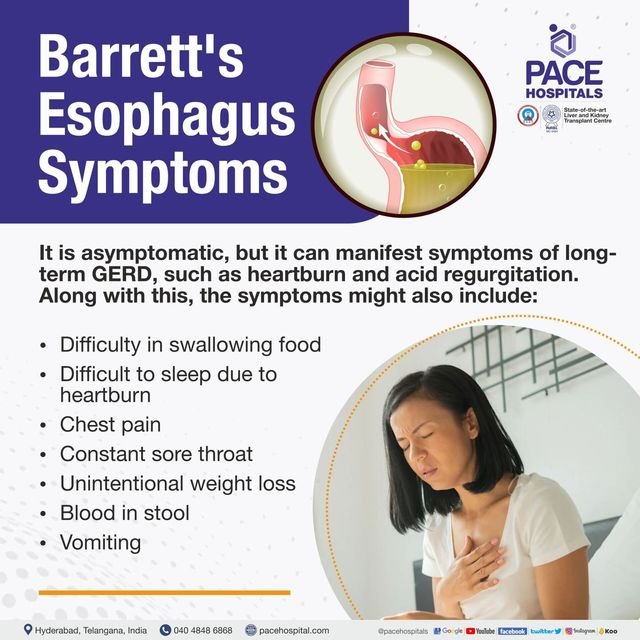
Barrett’s Esophagus is a condition that occurs when the lining of the esophagus undergoes changes, often as a result of chronic acid reflux. While this condition itself may not cause significant symptoms, it can lead to several complications that require medical attention. These complications include esophageal cancer, esophageal strictures, and esophageal ulcers. Understanding these complications is crucial in managing and treating Barrett’s Esophagus effectively.
Esophageal Cancer
One of the most serious complications of Barrett’s Esophagus is the development of esophageal cancer. Over time, the abnormal cells that line the esophagus can progress to a more advanced stage of dysplasia called high-grade dysplasia. This increases the risk of developing esophageal adenocarcinoma, a type of cancer that affects the cells of the esophagus.
Early detection of high-grade dysplasia is crucial in preventing the progression to esophageal cancer. Regular surveillance and screening tests can help identify any abnormal cell changes and allow for prompt intervention to minimize the risk of cancer development.
Esophageal Strictures
Barrett’s Esophagus can also lead to the development of esophageal strictures. These are narrowings or constrictions in the esophagus that can cause difficulty in swallowing and a sensation of food getting stuck in the throat. Strictures occur due to the chronic inflammation and scarring caused by the acid reflux associated with Barrett’s Esophagus.
If left untreated, esophageal strictures can significantly impact your quality of life and nutritional intake. Treatment options for strictures may include dilation procedures to widen the esophagus and relieve the swallowing difficulties.
Esophageal Ulcers
Esophageal ulcers are another complication that can arise from Barrett’s Esophagus. These are open sores or lesions that develop in the lining of the esophagus. Ulcers can cause intense pain and discomfort, especially while swallowing. In severe cases, they can lead to bleeding or perforation of the esophagus.
Effective management of Barrett’s Esophagus can help prevent the development of ulcers. This includes lifestyle modifications, such as dietary changes, weight management, and avoiding triggers that worsen acid reflux.
Diagnostic Measures for Barrett’s Esophagus
Detecting and diagnosing Barrett’s Esophagus is essential to initiate appropriate treatment and surveillance measures. There are several diagnostic procedures commonly used to confirm the presence of this condition.
Upper Endoscopy
Upper endoscopy is considered the gold standard diagnostic test for Barrett’s Esophagus. It involves inserting a thin, flexible tube with a camera (endoscope) through the mouth and into the esophagus. This allows the doctor to visualize the lining of the esophagus and identify any abnormalities or signs of Barrett’s Esophagus.
During the procedure, the doctor may collect tissue samples (biopsies) from suspicious areas for further analysis in the laboratory. These biopsies help determine the extent and severity of the condition and can guide further treatment decisions.
Biopsy
Biopsies are an integral part of diagnosing Barrett’s Esophagus. During upper endoscopy, small tissue samples are taken from different areas of the esophagus that appear abnormal or have a higher risk of containing precancerous cells. These samples are then sent to a laboratory, where they are examined under a microscope to confirm the presence of Barrett’s Esophagus and assess the degree of dysplasia.
Endoscopic Ultrasound
Endoscopic ultrasound (EUS) is another diagnostic tool that can be used in the evaluation of Barrett’s Esophagus. It involves inserting an endoscope with an ultrasound probe into the esophagus to obtain detailed images of the esophageal wall and surrounding tissues.
EUS can help determine the depth of the abnormal cell changes in the esophagus and identify any potential involvement of nearby lymph nodes. This information is crucial in planning further treatment and surveillance strategies.

Monitoring Barrett’s Esophagus
Once diagnosed with Barrett’s Esophagus, regular monitoring is essential to detect any changes in the abnormal cells and prevent the development of complications. The frequency and methods of surveillance may vary depending on the severity of the condition and the presence of any additional risk factors.
Frequency of Surveillance
The frequency of surveillance for Barrett’s Esophagus depends on the presence and degree of dysplasia. In cases with no dysplasia or low-grade dysplasia, surveillance is usually recommended at intervals ranging from every one to three years. However, high-grade dysplasia or a history of cancer may require more frequent surveillance, often every three to six months.
Regular surveillance allows for early detection of any progression towards esophageal cancer and enables timely intervention to minimize the risk.
Endoscopy with Biopsy
During surveillance, endoscopy with biopsy remains the primary method of monitoring Barrett’s Esophagus. This procedure involves using an endoscope to examine the esophageal lining and collect tissue samples for pathology analysis.
The biopsied samples are carefully evaluated for any signs of dysplasia or cancerous changes. The results of these biopsies can guide further treatment decisions and determine the need for additional interventions.
Endoscopic Mucosal Resection
Endoscopic mucosal resection (EMR) may be performed to remove abnormal areas of the esophagus during surveillance or in the presence of high-grade dysplasia. EMR involves using specialized tools to remove the abnormal tissue without the need for open surgery. This technique allows for the removal of small, localized areas of dysplasia, reducing the risk of cancer development.
EMR is a minimally invasive procedure that can be performed during an endoscopic examination. It is generally well-tolerated, and recovery is usually quick. Following EMR, close surveillance and monitoring are necessary to ensure the effectiveness of the intervention.
Lifestyle Changes and Home Remedies
In addition to medical treatments and surveillance, making certain lifestyle changes and implementing home remedies can help manage Barrett’s Esophagus and reduce the risk of complications. These modifications aim to alleviate symptoms and minimize acid reflux.
Diet Modifications
Making dietary changes can significantly impact the symptoms associated with Barrett’s Esophagus. Avoiding trigger foods and beverages that can worsen acid reflux is essential. Common triggers include spicy or greasy foods, citrus fruits, tomatoes, chocolate, caffeine, and carbonated beverages.
Instead, choose a diet that includes high-fiber foods, lean proteins, whole grains, fruits, and vegetables. These choices can help promote healthy digestion and minimize acid reflux symptoms.
Weight Management
Maintaining a healthy weight is crucial in managing Barrett’s Esophagus. Excess weight and obesity can increase intra-abdominal pressure, leading to a higher likelihood of acid reflux. Losing weight can help reduce the frequency and severity of reflux episodes and alleviate associated symptoms.
A combination of regular exercise and a balanced, calorie-controlled diet can help achieve and maintain a healthy weight. Consultation with a healthcare professional or a registered dietitian can provide guidance and support in reaching weight management goals.
Avoiding Triggers
Identifying and avoiding triggers that worsen acid reflux is instrumental in managing symptoms and preventing complications. In addition to dietary modifications, other triggers that should be avoided include smoking, alcohol consumption, and lying down immediately after a meal.
Understanding personal triggers and making conscious efforts to minimize exposure to them can significantly improve the quality of life for individuals with Barrett’s Esophagus.
Medications for Managing Barrett’s Esophagus
Pharmacological intervention plays a crucial role in managing Barrett’s Esophagus symptoms and reducing the risk of complications. Medications are aimed at suppressing acid production, alleviating reflux symptoms, and promoting healing of the esophageal lining. The most common medications prescribed for Barrett’s Esophagus include proton pump inhibitors, H2 blockers, and antacids.
Proton Pump Inhibitors
Proton pump inhibitors (PPIs) are a class of medications that reduce the production of stomach acid. These drugs work by blocking the enzyme responsible for acid secretion, thereby decreasing the acidity of the stomach contents that reflux into the esophagus.
PPIs are highly effective in relieving symptoms of acid reflux and promoting healing of the esophageal lining. They are usually taken orally, either once or twice a day, depending on the severity of symptoms. PPIs are available both over-the-counter and with a prescription.
H2 Blockers
H2 blockers are another class of medications used to decrease stomach acid production. They work by blocking histamine receptors in the stomach, thereby reducing the secretion of acid. H2 blockers provide relief from reflux symptoms and can be used for both immediate relief and long-term management.
While not as potent as PPIs, H2 blockers can be a suitable alternative for individuals with milder symptoms or as an adjunct to PPI therapy. Commonly used H2 blockers include ranitidine, famotidine, cimetidine, and nizatidine.
Antacids
Antacids are readily available over-the-counter medications used for the symptomatic relief of acid reflux. These medications work by neutralizing stomach acid and providing quick relief from heartburn and indigestion. Antacids are available in various forms, such as tablets, liquids, and chewable tablets.
While antacids provide immediate relief, they are not effective for long-term management of Barrett’s Esophagus symptoms. They can be used as needed to alleviate occasional symptoms, but regular use is not recommended without medical supervision.
Minimally Invasive Treatments
In certain cases of Barrett’s Esophagus, minimally invasive treatments may be recommended to manage the condition and prevent complications. These interventions are performed through an endoscope, eliminating the need for open surgery and reducing the associated risks and recovery time.
Radiofrequency Ablation
Radiofrequency ablation (RFA) is a minimally invasive treatment option for Barrett’s Esophagus with high-grade dysplasia or a history of low-grade dysplasia that has not responded to surveillance and medical management. This procedure uses heat energy generated by radiofrequency waves.
During RFA, a specialized device is attached to the endoscope and used to deliver controlled heat energy to the abnormal cells lining the esophagus. This energy destroys the abnormal cells, allowing healthy cells to regenerate.
RFA is usually performed in multiple sessions, with each session targeting a specific area of the esophagus. The treatment is well-tolerated, and most individuals can resume their normal activities within a day or two following the procedure.
Cryoablation
Cryoablation is another minimally invasive treatment option for Barrett’s Esophagus aimed at removing abnormal cells. This technique uses extreme cold temperatures to freeze and destroy the abnormal cells lining the esophagus.
During cryoablation, a liquid nitrogen or argon gas is circulated through a probe that is inserted into the esophagus via an endoscope. The extreme cold temperatures cause the cells to freeze and eventually die off.
Like RFA, cryoablation is typically performed in multiple sessions to cover the entire affected area. The recovery time following cryoablation is minimal, and most individuals can resume their normal activities within a day or two.
Endoscopic Mucosal Resection
Endoscopic mucosal resection (EMR), mentioned earlier in the monitoring section, can also be considered a minimally invasive treatment option. In cases of high-grade dysplasia or early-stage cancer, EMR can be used to remove the abnormal cells or small tumors without the need for open surgery.
During EMR, the endoscopist uses specialized tools attached to the endoscope to remove the abnormal tissue or tumors from the esophageal lining. This procedure allows for precise removal while sparing the healthy surrounding tissue.
Following EMR, close surveillance and monitoring are necessary to ensure the success of the intervention and prevent any recurrence.

Surgical Interventions
In more advanced cases or when other treatments have proven ineffective, surgical interventions may be recommended for the management of Barrett’s Esophagus. These procedures are typically reserved for cases with high-grade dysplasia or esophageal cancer.
Laparoscopic Fundoplication
Laparoscopic fundoplication is a surgical procedure that aims to alleviate acid reflux and prevent further damage to the esophagus. During the procedure, the upper part of the stomach is wrapped around the lower part of the esophagus to create a tight valve. This valve helps prevent acid from flowing back into the esophagus, reducing the severity and frequency of reflux symptoms.
Laparoscopic fundoplication is performed using small incisions and specialized instruments. This minimally invasive approach offers benefits such as reduced postoperative pain, shorter hospital stay, and faster recovery compared to open surgery.
Esophagectomy
Esophagectomy is a more extensive surgical procedure that involves removing a portion or the entire esophagus. This is typically performed in cases of severe dysplasia or esophageal cancer that has progressed to an advanced stage.
During esophagectomy, the affected portion of the esophagus is surgically removed and replaced with a portion of the stomach or intestine. This procedure aims to remove the diseased tissue and minimize the risk of cancer spreading to other parts of the body.
Esophagectomy is a major surgery that may require a hospital stay of several days or even weeks. The recovery period can be lengthy, and it often involves dietary modifications and lifestyle adjustments to ensure proper healing and adaptation to the changes in the digestive system.
Endoscopic Surveillance after Intervention
After undergoing interventions and treatments for Barrett’s Esophagus, regular surveillance is necessary to monitor the effectiveness of the intervention and detect any recurrence or new abnormalities. The frequency and duration of endoscopic surveillance may vary depending on the individual’s specific situation.
Frequency and Duration
The frequency of surveillance after intervention depends on factors such as the severity of the initial condition, the type of intervention performed, and the presence of any additional risk factors. Typically, surveillance endoscopies are performed at regular intervals in the initial few years post-intervention, gradually decreasing in frequency as time passes.
Your healthcare provider will determine the specific surveillance schedule based on your unique circumstances. Regular follow-up appointments will be scheduled to ensure ongoing monitoring and assess the long-term success of the intervention.
Biopsy Protocol
During surveillance endoscopies, biopsies may be taken from different areas of the esophagus to assess the cellular changes and identify any recurrence or progression of dysplasia. The biopsy protocol may vary depending on the individual’s specific situation and the findings of previous biopsies.
The results of these biopsies guide further decision-making regarding the need for additional interventions or modifications to the treatment plan. Regular communication with your healthcare provider is crucial in understanding the results and discussing any necessary changes to the management of Barrett’s Esophagus.

Preventing Esophageal Cancer in Barrett’s Esophagus
Preventing the development of esophageal cancer is a primary goal in the management of Barrett’s Esophagus. The following interventions can help reduce the risk of cancer in individuals with this condition.
Radiofrequency Ablation
Radiofrequency ablation (RFA), mentioned earlier as a minimally invasive treatment option, can also be used as a preventive measure to reduce the risk of cancer development. RFA can target and eliminate areas of high-grade dysplasia, reducing the chance of progression to cancer.
When performed as part of regular surveillance, RFA can significantly decrease the risk of esophageal cancer in individuals with Barrett’s Esophagus. Regular monitoring and follow-up appointments are crucial to ensure the effectiveness of RFA as a preventive measure.
Endoscopic Mucosal Resection
Endoscopic mucosal resection (EMR), as mentioned previously, can be used both as a diagnostic and therapeutic measure in Barrett’s Esophagus. In cases with high-grade dysplasia, EMR can be performed to remove the abnormal cells or early-stage cancers, thereby reducing the risk of progression to advanced cancer.
EMR functions as a preventive measure by eliminating the diseased tissue and allowing for regular surveillance to monitor for any recurrence or new abnormalities. Ongoing collaboration with your healthcare provider is crucial to optimize the preventive benefits of EMR in managing Barrett’s Esophagus.
Endoscopic Submucosal Dissection
Endoscopic submucosal dissection (ESD) is a newer technique that may be utilized in certain cases of early-stage esophageal cancer or severe dysplasia in Barrett’s Esophagus. ESD allows for the removal of larger areas of abnormal tissue in a precise and controlled manner, using specialized endoscopic instruments.
By removing the potential cancerous tissue or lesions, ESD aims to prevent further progression to advanced cancer and improve long-term outcomes for individuals with Barrett’s Esophagus. Continued surveillance and monitoring are vital to identify any recurrence or new abnormalities that may require additional interventions or treatments.
Follow-up Care and Support
After receiving a diagnosis of Barrett’s Esophagus, it is essential to establish a comprehensive plan for follow-up care and ongoing support. Managing the condition effectively requires a multidisciplinary approach involving various healthcare professionals.
Psychosocial Support
Living with a chronic condition like Barrett’s Esophagus can be challenging, both physically and emotionally. It is important to seek psychosocial support to address the emotional impact of the diagnosis and manage any stress or anxiety associated with the condition.
Support groups, counseling services, and online communities can provide valuable resources for individuals with Barrett’s Esophagus and their loved ones. Sharing experiences and learning from others in similar situations can help navigate the complexities of the condition and provide a sense of community and understanding.
Dietary Consultation
Diet plays a crucial role in managing Barrett’s Esophagus successfully. Seeking the guidance of a registered dietitian who specializes in gastrointestinal health can help develop an individualized dietary plan.
A dietary consultation can involve assessing current eating habits, identifying trigger foods, developing meal plans that promote digestion and minimize acid reflux, and providing ongoing support and guidance in achieving dietary goals.
Regular Check-ups
Regular check-ups with your healthcare provider are essential for ongoing monitoring of Barrett’s Esophagus and ensuring optimal management. These visits provide an opportunity to discuss any concerns or questions, review treatment progress, and make any necessary adjustments to the management plan.
Your healthcare provider may request regular endoscopic surveillance, perform physical examinations, and order laboratory tests as part of routine follow-up care. Engaging in open communication and actively participating in your own care can promote better outcomes and greater peace of mind.
In conclusion, Barrett’s Esophagus is a condition that requires careful management and surveillance to prevent complications such as esophageal cancer, strictures, and ulcers. Diagnostic measures such as upper endoscopy, biopsy, and endoscopic ultrasound play a crucial role in the initial diagnosis and assessment of the disease. Monitoring Barrett’s Esophagus involves regular surveillance through techniques like endoscopy with biopsy and endoscopic mucosal resection. Lifestyle changes, dietary modifications, and medications contribute to the management of the disease. Minimally invasive treatments like radiofrequency ablation, cryoablation, and endoscopic mucosal resection offer effective options for targeted therapy. In cases where surgical interventions are necessary, laparoscopic fundoplication and esophagectomy can provide relief. Following interventions, regular endoscopic surveillance is crucial to monitor progress and prevent further complications. Preventing esophageal cancer in Barrett’s Esophagus includes interventions like radiofrequency ablation, endoscopic mucosal resection, and endoscopic submucosal dissection. Lastly, ongoing follow-up care and support, including psychosocial support, dietary consultation, and regular check-ups, are important for managing the condition effectively.