
Have you ever felt that burning sensation in your chest or throat after enjoying a meal? If so, you might be dealing with acid reflux, a condition that affects many people. Understanding the right foods to eat can play a significant role in managing this discomfort.
What is Acid Reflux?
Acid reflux, or gastroesophageal reflux disease (GERD), occurs when stomach acid flows back up into your esophagus, which can lead to symptoms like heartburn, regurgitation, and discomfort. It’s important to recognize that certain foods can trigger these symptoms, while others can help soothe them.
Symptoms of Acid Reflux
Recognizing the signs of acid reflux is crucial in managing it effectively. Common symptoms include:
- Heartburn: A burning sensation in the chest, often after eating.
- Regurgitation: The sensation of acid backing up into your throat or mouth.
- Difficulty swallowing: Sometimes, food may feel like it’s stuck in your throat.
- Chronic cough: This may occur if acid irritates the airways.
Managing acid reflux often starts with dietary changes. Let’s talk about some of the best foods you can incorporate into your diet to alleviate symptoms.
Foods to Include in Your Diet
Diet plays a vital role in managing acid reflux. Certain foods can help neutralize stomach acid and soothe your digestive system.
Whole Grains
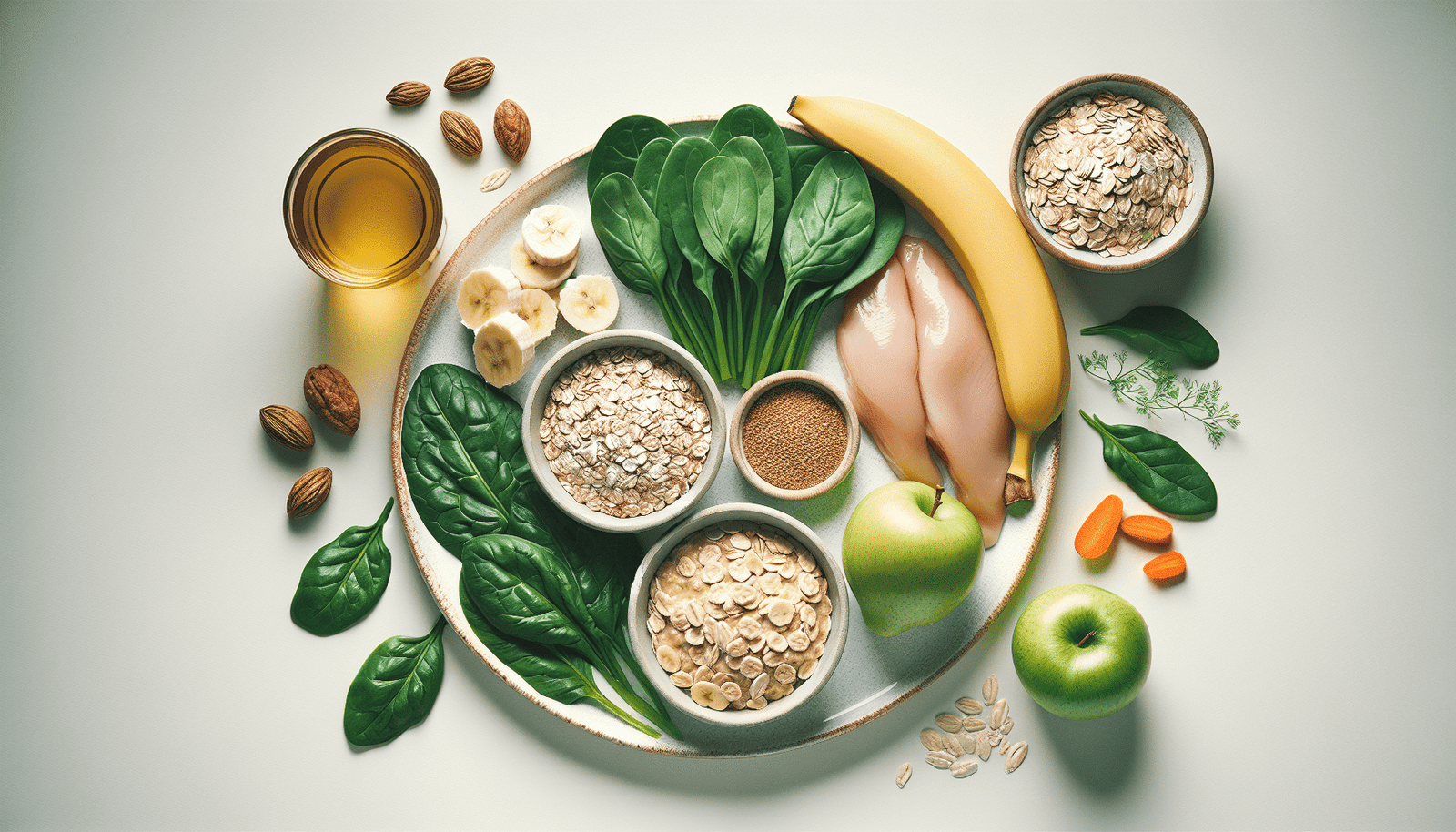
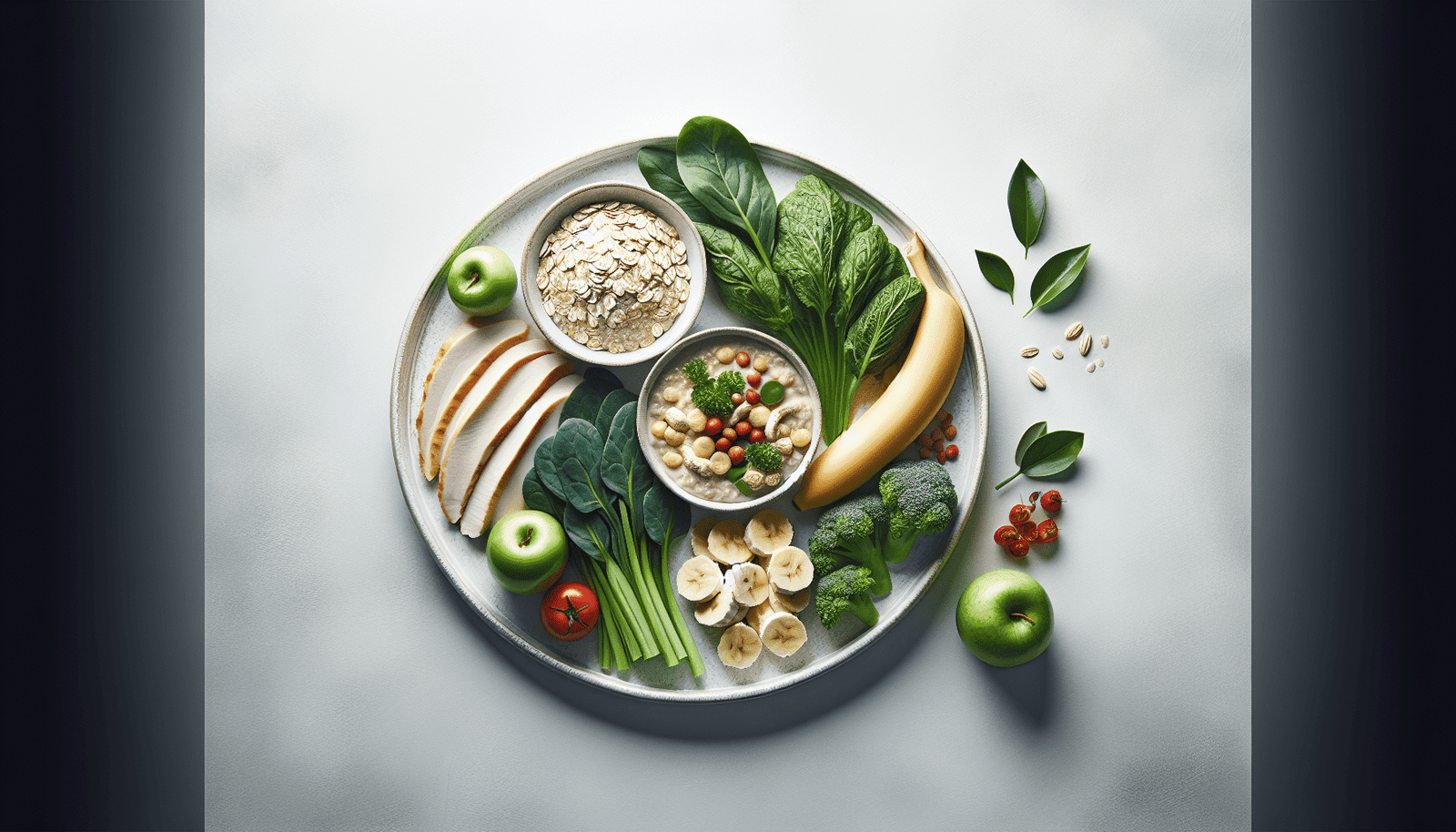
Whole grains such as brown rice, oatmeal, and whole-grain bread are excellent choices. They are rich in fiber, which helps absorb stomach acid and keeps you full longer, reducing the chances of overindulgence.
Benefits of Whole Grains
Whole grains support digestive health and can prevent the production of excess stomach acid. Incorporating these into your daily meals is simple and can contribute to a feeling of fullness without causing discomfort.
Vegetables
Most vegetables are low in fat and sugar, making them a perfect addition to your acid reflux diet. Some great options include:
- Broccoli: Rich in fiber and low in acidity.
- Asparagus: A natural alkaline food.
- Spinach: Offers essential vitamins without spiking acidity.
Why Vegetables?
Vegetables provide essential nutrients without triggering acid production. They also help to keep you hydrated, which is important for overall digestive health.
Lean Proteins
Choosing the right protein sources can make a significant difference. Opt for lean meats like turkey and chicken or plant-based proteins like lentils and chickpeas.
Lean Proteins and Their Role
These proteins are usually lower in fat, which minimizes the risk of acid reflux. They also provide the necessary nutrients to maintain muscle mass, especially if you’re trying to manage weight alongside acid reflux concerns.
Fruits
While some fruits can be acidic, many can be beneficial for acid reflux. Here are a few to consider:
- Bananas: Naturally low in acid and a great snack option.
- Melons: Watermelon, cantaloupe, and honeydew are all low acid fruits.
- Apples and Pears: These fruits are also alkaline-forming when digested.
Fruits to Choose Carefully
Even though fruits can be a healthy addition to your diet, it’s important to be cautious with citrus fruits like oranges and grapefruits, as they can aggravate symptoms.
Healthy Fats
Not all fats are bad. In fact, healthy fats can support your overall health and can help with digestion. Here are some great sources:
- Olive oil: A heart-healthy fat that can also help fight inflammation.
- Avocados: Loaded with nutrients and healthy fats that benefit heart health.
- Nuts and seeds: Almonds and flaxseeds, for example, can be a great snack option.
Why Healthy Fats?
These fats can help you feel satiated, reducing the temptation to overeat, which is often a trigger for acid reflux. Additionally, they can aid in digestion and help your body absorb nutrients more effectively.
Herbal Teas
Herbal teas like ginger tea or chamomile have soothing properties that can help calm your digestive tract.
The Benefits of Herbal Teas
These teas not only hydrate but can also help soothe inflammation in the esophagus. Choosing caffeine-free options is key, as caffeine can aggravate acid reflux symptoms.
Foods to Avoid
Just as important as knowing what to eat is being aware of foods that can trigger or worsen your acid reflux symptoms. Let’s discuss some of these.
Fatty Foods
Foods high in fat can slow down the digestive process and increase the likelihood of reflux. This includes:
- Fried foods: Deep-fried items tend to be higher in fat and can trigger symptoms.
- High-fat dairy: Whole milk, cream, and full-fat cheeses can also contribute to problems.
Spicy Foods
Spices can add flavor but may also lead to discomfort. Consider reducing your intake of:
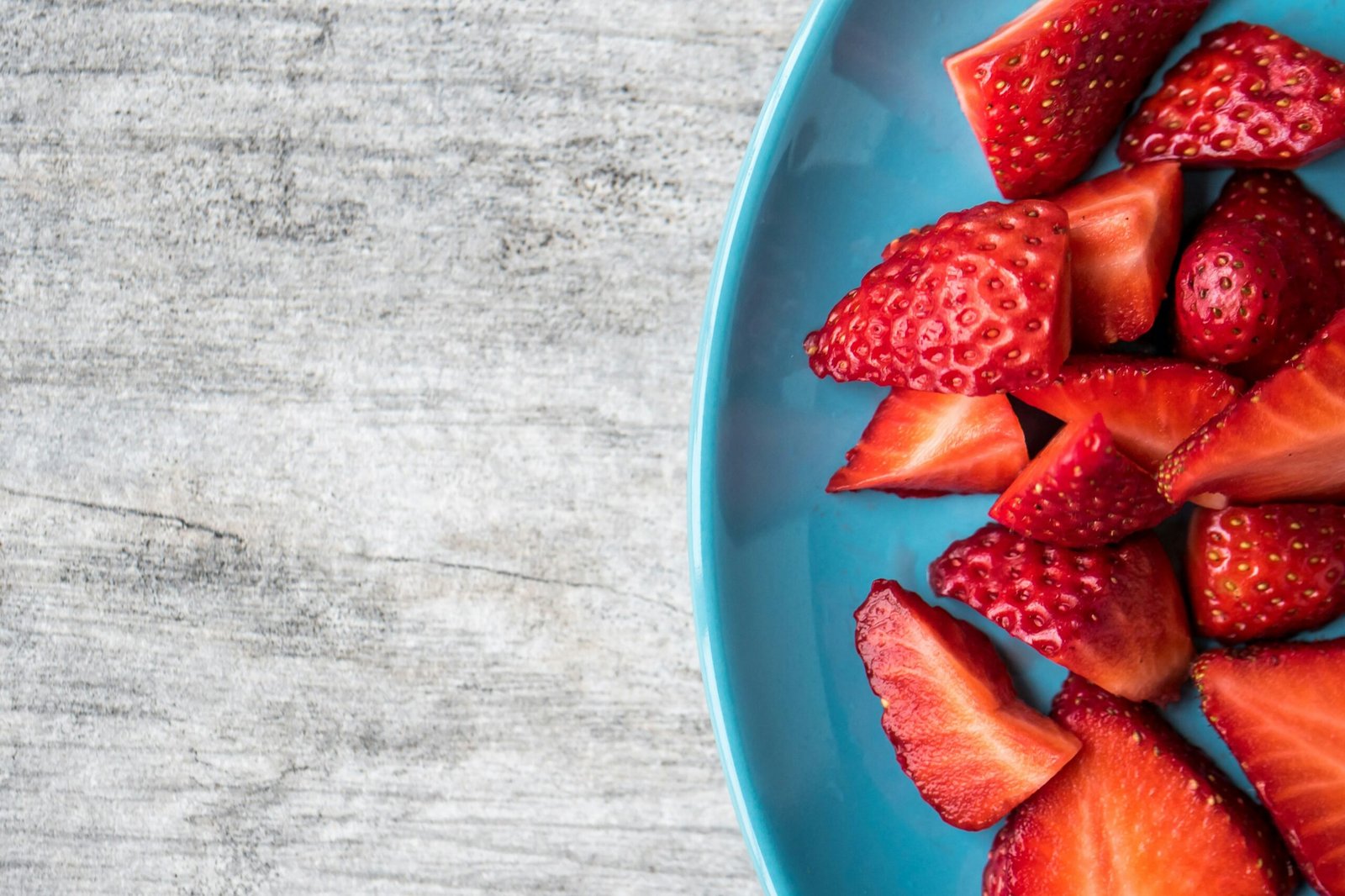
- Chili peppers: These can irritate the esophagus and stomach lining.
- Hot sauces: Often high in vinegar or citric acid, both of which can trigger reflux.
Citrus Fruits
As previously mentioned, while fruits are generally good, pay attention to the more acidic options like:
- Oranges
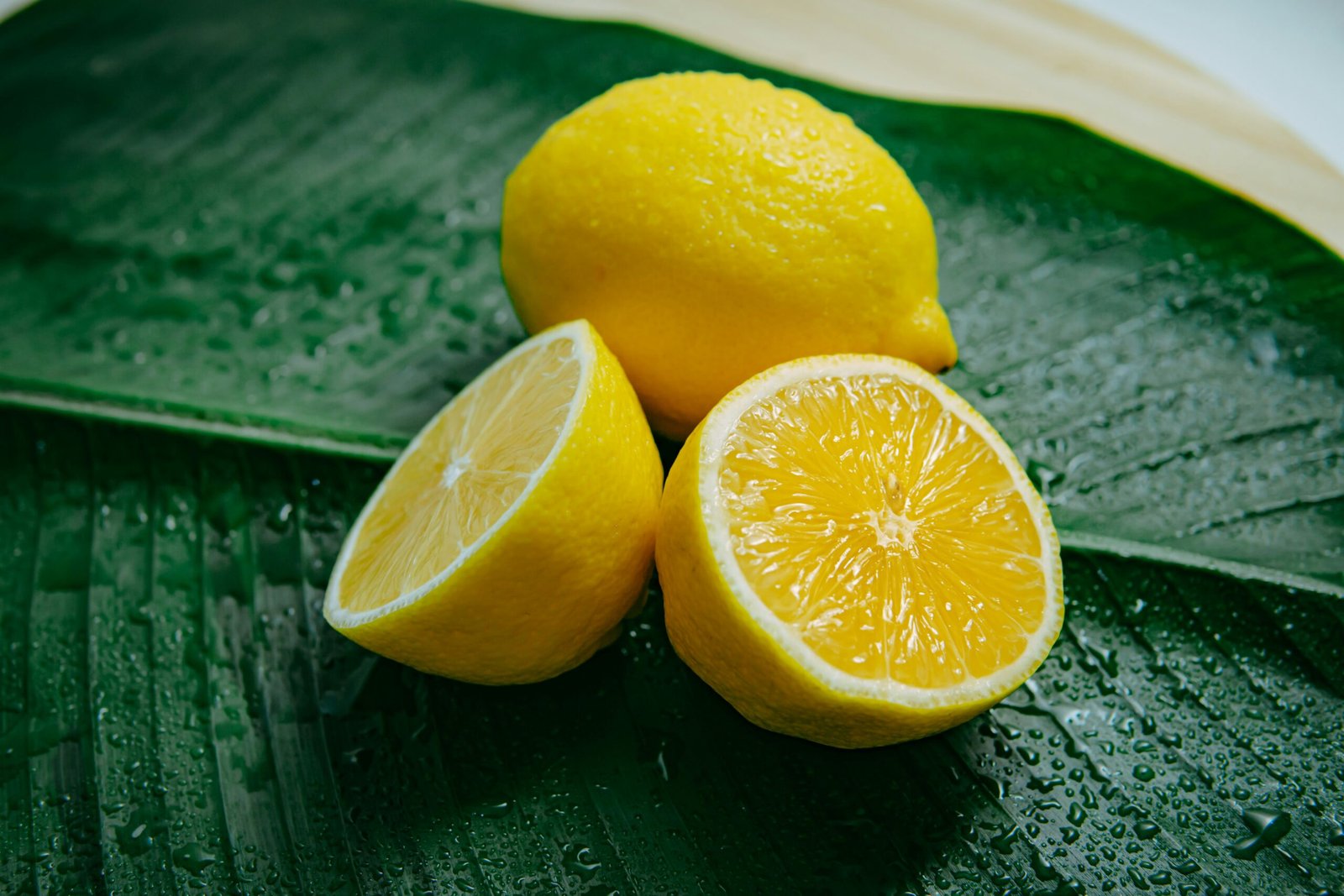
- Lemons
- Grapefruit
Chocolate
Unfortunately, for many chocolate lovers, cocoa contains caffeine and other stimulants that can relax the esophageal sphincter, leading to acid reflux.
Why Caution is Key
While a small amount may not cause immediate symptoms, moderation is essential, especially if you are sensitive to these triggers.
Mint
While mint is often thought to soothe the stomach, it can actually trigger acid reflux for some. Common sources include:
- Peppermint tea
- Mint-flavored candies and gum
Listen to Your Body
If you notice that mint exacerbates your symptoms, it’s best to avoid it entirely.
Meal Timing and Lifestyle Changes
Besides diet, timing your meals and making certain lifestyle changes can significantly impact your acid reflux management.
Eating Smaller, More Frequent Meals
Instead of three large meals, try to eat smaller portions throughout the day. This approach can help prevent your stomach from becoming too full, reducing the chances of acid reflux.
Wait Before Lying Down
After eating, aim to stay upright for at least three hours. This can help reduce the likelihood of acid flowing back up into your esophagus while you rest.
Stay Hydrated
Drinking water throughout the day can aid in digestion and dilute stomach acid. However, it’s best to avoid drinking large amounts of liquids during meals, as this may increase fullness and lead to reflux.
Limit Alcohol Consumption
Alcohol can irritate your digestive system and relax the esophageal sphincter, increasing the risk of reflux. Moderate consumption or complete avoidance can yield significant benefits.
When to Seek Help
Although dietary management can greatly benefit those suffering from acid reflux, it’s crucial to consult a healthcare professional if symptoms persist. They can provide further recommendations, prescribe medications, or evaluate if there’s an underlying condition that requires attention.
Conclusion
Managing acid reflux can feel overwhelming, but making the right food choices and adopting good lifestyle habits can significantly improve your quality of life. Feel empowered to adjust your diet and take control of your symptoms. Remember, you’re not alone in this journey, and having the right information can help you create a satisfying and comfortable eating experience.
Incorporate the foods mentioned, stay aware of potential trigger items, and don’t hesitate to seek professional help if you need to. Your body will thank you as you work toward finding the right balance for your health and well-being.