
As the Listicle Content Architect, it’s my pleasure to guide you through crafting the ultimate skincare routine for banishing acne. You’re about to embark on a journey to clearer, healthier skin, and I’m here to meticulously map out every crucial step. Forget the overwhelm; we’re building a scientifically-backed, actionable plan that you can easily implement. This isn’t just about slapping on products; it’s about understanding your skin and providing it with the targeted care it craves.
Cleansing is the bedrock of any effective skincare routine, especially for acne-prone skin. It’s the first, and arguably most critical, step in removing impurities, excess oil, and dead skin cells that can contribute to breakouts. For you, this means a gentle yet thorough approach that doesn’t strip your skin of its natural moisture.
1.1. Morning Cleanse: A Gentle Awakening
Your morning cleanse should be light and refreshing. The goal here isn’t to remove heavy makeup or a day’s worth of grime, but rather to refresh your skin and prepare it for the day ahead.
1.1.1. Opt for a Mild Cleanser
You’ll want to select a cleanser that is specifically formulated for acne-prone or sensitive skin. Look for labels that indicate “non-comedogenic,” meaning it won’t clog your pores, and “fragrance-free,” as artificial fragrances can often irritate and exacerbate inflammation.
1.1.1.1. Salicylic Acid Cleansers: Your Pore-Purging Powerhouse
For many of you struggling with acne, a cleanser containing salicylic acid is a game-changer. Salicylic acid is a beta-hydroxy acid (BHA) that is oil-soluble. This means it can penetrate deep into your pores to dissolve sebum (your skin’s natural oil) and dead skin cells, effectively preventing clogs. It also possesses anti-inflammatory properties, which can help calm existing breakouts. Start with a low concentration, perhaps 0.5% to 1%, and gradually increase if your skin tolerates it well. Avoid products with too high a concentration at first, as this can lead to dryness and irritation.
1.1.1.2. Gentle Foaming or Gel Cleansers: The Everyday Heroes
If your skin is particularly sensitive or you find salicylic acid too strong for daily morning use, a gentle foaming or gel cleanser can be your go-to. These formulas are designed to lift away impurities without stripping your skin’s natural moisture barrier. Look for ingredients like glycerin, hyaluronic acid, or ceramides, which help to hydrate and protect your skin while cleansing. These are perfect for those days when your acne is less inflamed and you just need a simple, effective clean.
1.1.2. The Technique: Less is More
When you’re cleansing in the morning, use lukewarm water – never hot, as hot water can strip your skin and disrupt its natural oil balance, leading to increased oil production. Apply a small amount of cleanser to your fingertips and gently massage it onto your damp face in circular motions for about 30-60 seconds. Avoid harsh scrubbing, which can cause micro-tears in your skin and worsen inflammation. Rinse thoroughly with lukewarm water and gently pat your face dry with a clean, soft towel.
1.2. Evening Cleanse: The Deep Detox
Your evening cleanse is more intensive. This is where you’ll rigorously remove makeup, sunscreen, pollutants, and the accumulated oil and dirt from the day. Skipping this step is a direct invitation for breakouts.
1.2.1. Double Cleansing: The Ultimate Purity Protocol
For those who wear makeup or sunscreen, double cleansing is an absolute must. This two-step process ensures that every last trace of product is removed, leaving your pores clear and ready for treatment.
1.2.1.1. Step 1: Oil-Based Cleanser or Micellar Water
Begin with an oil-based cleanser or micellar water. Oil cleansers are excellent at dissolving oil-based impurities like makeup, sunscreen, and sebum. You can massage a few pumps of an oil cleanser onto dry skin. It will emulsify with the dirt and makeup. If you prefer micellar water, soak a cotton pad and gently swipe it across your face until the pad comes away clean. These water-based solutions use tiny spheres called micelles to lift away impurities without the need for rubbing.
1.2.1.2. Step 2: Water-Based Cleanser
After rinsing off the oil cleanser or micellar water, follow up with your gentle water-based cleanser, the same one you use in the morning (or a slightly more potent one if your skin can handle it). This second cleanse will remove any remaining residue from the first step and ensure your skin is truly clean. This thorough approach is non-negotiable for preventing clogged pores and breakouts.
1.2.2. Addressing Stubborn Breakouts
If you have active, inflamed breakouts, consider incorporating a benzoyl peroxide cleanser into your evening routine. Benzoyl peroxide is an antibacterial agent that kills the Propionibacterium acnes bacteria, a primary culprit in acne formation.
1.2.2.1. Benzoyl Peroxide: The Acne Annihilator
Benzoyl peroxide is highly effective, but it can be drying and potentially bleach fabrics, so use it with caution. Start with a lower concentration, around 2.5% or 5%, and use it a few times a week initially. Apply it to damp skin and leave it on for a minute or two before rinsing thoroughly. You can also find it as a spot treatment, which is often a gentler way to introduce it into your routine. Over time, you might be able to use it more frequently, but always listen to your skin. If you experience excessive redness or peeling, reduce frequency or opt for a less potent product.
1.2.2.2. Chemical Exfoliants as Cleansers: A Dual Action
Some cleansers are formulated with chemical exfoliants like glycolic acid (an AHA) in addition to salicylic acid. While AHAs primarily work on the skin’s surface to slough away dead skin cells, they can contribute to a smoother complexion. However, for acne, BHAs like salicylic acid are generally preferred for their pore-penetrating abilities. If you opt for a cleanser with both, be mindful of the overall concentration and frequency of use to avoid over-exfoliation.
2. The Targeted Treatment Phase: Delivering Active Ingredients Where They’re Needed
Once your skin is clean, it’s ready to receive the powerhouses of your acne-fighting arsenal: your treatment products. This is where you’ll introduce ingredients designed to tackle the root causes of your breakouts. Your approach here needs to be strategic and patient.
2.1. Serums: Concentrated Elixirs for Specific Concerns
Serums are your go-to for delivering high concentrations of active ingredients deep into the skin. They are typically lightweight and absorb quickly.
2.1.1. Salicylic Acid Serums: The Pore Uncloggers
If your primary concern is blackheads and whiteheads, a salicylic acid serum is your best friend. Applied after cleansing and before moisturizing, these serums continue the work of dissolving oil and debris within your pores. Look for concentrations between 1% and 2%. You can use these nightly, or on alternate nights if your skin feels sensitive. Remember to introduce them gradually.
2.1.1.1. The Power of BHAs
Salicylic acid’s lipophilic (oil-loving) nature allows it to penetrate the oily environment of your pores. This makes it incredibly effective at breaking down the sebum plugs that form whiteheads and blackheads. It also has anti-inflammatory properties, which can help reduce the redness and swelling associated with inflammatory acne.
2.1.1.2. Gradual Integration is Key
Don’t start using a salicylic acid serum every single night. Begin by applying it 2-3 nights a week and observe how your skin reacts. If you experience dryness or irritation, reduce the frequency further. As your skin builds tolerance, you can gradually increase the application.
2.1.2. Niacinamide Serums: The Multi-Tasking Marvel
Niacinamide, a form of Vitamin B3, is a fantastic ingredient for acne-prone skin. It possesses a remarkable array of benefits.
2.1.2.1. Beyond Oil Control: A Holistic Approach
Niacinamide helps to regulate sebum production, which can reduce oiliness and prevent future breakouts. Crucially, it’s also an anti-inflammatory, meaning it can calm redness and irritation associated with acne. Furthermore, it can help to improve the skin’s barrier function, making it more resilient, and it even aids in fading post-inflammatory hyperpigmentation (those stubborn dark marks left behind after a pimple heals).
2.1.2.2. Compatibility and Benefits
Niacinamide is generally well-tolerated by most skin types and plays well with other active ingredients, including salicylic acid and retinoids. This makes it an excellent addition to almost any acne routine. Aim for serums with a concentration of 5% to 10%.
2.1.3. Retinoid Serums: The Long-Term Game Changer
Retinoids (like retinol, adapalene, and prescription-strength tretinoin) are vitamin A derivatives that are incredibly powerful for treating acne and improving skin texture. They work by increasing cell turnover, preventing clogged pores, and reducing inflammation.
2.1.3.1. Prescription vs. Over-the-Counter
Over-the-counter retinoids, such as retinol and adapalene (Differin is a popular OTC option), are excellent starting points. Prescription-strength retinoids, like tretinoin, are often more potent and can be prescribed by a dermatologist for more persistent acne.
2.1.3.2. The “Retinization” Period
Be prepared for a “retinization” period when you first start using retinoids. This can involve some initial dryness, peeling, and even a temporary increase in breakouts (sometimes called a “purging” phase). This is normal as the skin adjusts and the retinoid begins to work. It’s crucial to start slowly – perhaps just a pea-sized amount a few nights a week – and gradually increase usage as your skin tolerates it. Always apply retinoids at night, as they can make your skin more sensitive to the sun. Do not use them on the same night as other strong exfoliants like AHAs or BHAs initially to avoid overwhelming your skin.
2.2. Spot Treatments: Precision Strikes on Active Breakouts
For those angry, inflamed pimples, spot treatments are your secret weapon. Applied directly to the blemish, they deliver a concentrated dose of acne-fighting ingredients to quickly reduce inflammation and speed up healing.
2.2.1. Benzoyl Peroxide Spot Treatments: The Fast Fix
Benzoyl peroxide spot treatments are incredibly effective at killing acne-causing bacteria and reducing inflammation. Available in various concentrations (2.5% to 10%), it’s generally recommended to start with a lower percentage to avoid excessive dryness and irritation. Dab a small amount directly onto the pimple.
2.2.1.1. Targeted Action for Inflamed Pimples
Spot treatments are designed to be used on individual blemishes, so you’re not applying harsh ingredients all over your face. This targeted approach is crucial for managing active breakouts without over-drying or irritating your skin.
2.2.1.2. Avoiding Over-Application
It’s tempting to slather on a thick layer, but a small amount is sufficient. Over-application can lead to redness, peeling, and even damage to the surrounding skin.
2.2.2. Sulfur Spot Treatments: A Gentler Alternative
If benzoyl peroxide is too harsh for your skin, sulfur can be a good alternative. Sulfur also has anti-bacterial and anti-inflammatory properties, but it’s often milder and less likely to cause stinging or dryness.
2.2.2.1. Sulfur’s Soothing Properties
Sulfur works by drying out excess oil and helping to unclog pores. It also has mild keratolytic properties, meaning it helps to shed dead skin cells. For many, it offers a gentler approach to spot treating active acne.
2.2.2.2. Combined Formulas
You’ll often find spot treatments that combine sulfur with other ingredients like zinc oxide or calamine lotion, which can help to soothe and calm the skin.
2.2.3. Hydrocolloid Patches: The Invisible Bandages
Hydrocolloid patches are a brilliant innovation for acne. These small, discreet patches are placed directly onto a blemish and work by drawing out fluid and pus, creating a moist environment that promotes healing and prevents you from picking at the pimple.
2.2.3.1. Absorbing and Protecting
Hydrocolloid patches create a protective barrier over the pimple, shielding it from dirt and bacteria, and preventing you from touching or picking at it, which can lead to scarring. They also absorb excess fluid from the lesion.
2.2.3.2. Ideal for Surface Breakouts
These are particularly effective for pimples that have come to a head. While they won’t treat cystic acne, they are fantastic for surface-level blemishes. You can even wear them overnight or under makeup.
3. The Hydration Imperative: Moisturizing for Balanced Skin
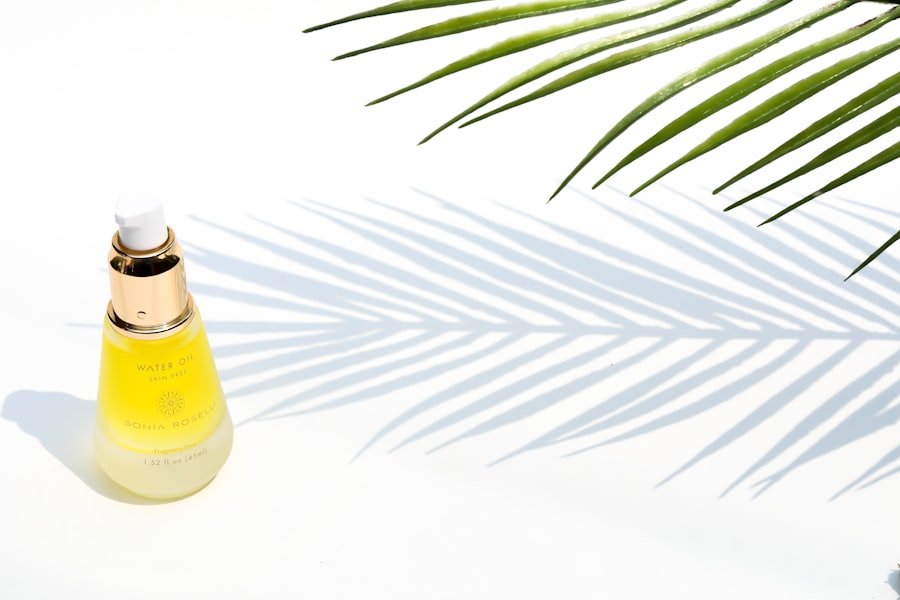
This is a crucial step that many people with oily or acne-prone skin overlook or outright avoid, thinking moisturizer will make their breakouts worse. This is a myth! Properly hydrated skin is healthy skin, and healthy skin is less prone to acne.
3.1. Choosing the Right Moisturizer: Light and Non-Comedogenic
The key here is to select a moisturizer that is lightweight, oil-free, and non-comedogenic. Heavy, occlusive creams can clog pores and exacerbate acne.
3.1.1. Gel-Based and Water-Based Formulas: Your Lightweight Allies
For acne-prone skin, gel-based and water-based moisturizers are your ideal choice. They are formulated with a high water content and lighter emollients, providing essential hydration without feeling heavy or greasy.
3.1.1.1. The Benefits of Gel Formulas
Gel moisturizers are incredibly refreshing and absorb quickly, making them perfect for oily or combination skin. They provide a good base for makeup and leave your skin feeling supple without any residue.
3.1.1.2. Water-Based Solutions for Deeper Hydration
Water-based moisturizers often contain humectants like hyaluronic acid, which draw moisture into the skin. These are excellent for providing hydration without adding oil.
3.1.2. Ingredients to Look For: Nourishment Without Clogs
When scanning the ingredient list, prioritize formulas with ingredients that hydrate and soothe without clogging pores.
3.1.2.1. Hyaluronic Acid: The Moisture Magnet
Hyaluronic acid is a humectant that can hold up to 1,000 times its weight in water, providing intense hydration to the skin. It’s a fantastic ingredient for all skin types, including acne-prone skin, as it hydrates without adding oil.
3.1.2.2. Ceramides: The Barrier Builders
Ceramides are naturally occurring lipids in your skin that help to maintain a healthy skin barrier. When your skin barrier is compromised (often due to harsh acne treatments), it can lead to increased sensitivity and breakouts. Ceramides help to repair and strengthen this barrier, making your skin more resilient.
3.1.2.3. Glycerin: A Gentle Hydrator
Glycerin is another effective humectant that helps to attract and retain moisture in the skin. It’s gentle and well-tolerated by most skin types.
3.2. When to Moisturize: Morning and Night Rituals
Your moisturizing routine should be consistent, both in the morning and at night, to ensure your skin remains adequately hydrated throughout the day and night.
3.2.1. Morning Application: Setting the Stage for the Day
After cleansing and applying any serums or treatments, apply a thin layer of your lightweight moisturizer. This will help to rehydrate your skin after cleansing and create a protective barrier against environmental stressors.
3.2.1.1. The Importance of a Hydrated Barrier
A well-hydrated skin barrier is less likely to become irritated and inflamed, which can often trigger acne flare-ups. Moisturizer helps to keep your skin functioning optimally.
3.2.1.2. A Smooth Canvas for Sunscreen
Moisturizer is also essential to create a smooth canvas for your sunscreen application, ensuring even coverage.
3.2.2. Evening Application: Replenishing Overnight
Your skin repairs itself overnight, and a moisturizer can support this process. Apply your moisturizer after your treatment serums and spot treatments.
3.2.2.1. Supporting Overnight Repair
During sleep, your skin actively regenerates. Applying a moisturizer ensures it has the necessary hydration to facilitate this process, leading to healthier, more resilient skin.
3.2.2.2. Counteracting Drying Treatments
If you’re using drying acne treatments like retinoids or benzoyl peroxide, moisturizing diligently at night is crucial to prevent excessive dryness, flakiness, and irritation.
4. Sun Protection: Your Non-Negotiable Defense Against Dark Marks
This is a critical component of any skincare routine, but it’s absolutely paramount for acne-prone skin. Sun exposure can worsen hyperpigmentation (dark spots) left behind by acne, making them more stubborn and visible. It can also exacerbate inflammation.
4.1. Daily SPF is Mandatory: No Exceptions!
You must wear sunscreen every single day, regardless of the weather or whether you’re spending time indoors. UV rays penetrate clouds and windows, and they can do significant damage.
4.1.1. Broad-Spectrum Protection: The Shield Against Harm
Always opt for a broad-spectrum sunscreen. This means it protects against both UVA and UVB rays. UVA rays contribute to premature aging and hyperpigmentation, while UVB rays cause sunburn.
4.1.1.1. UVA vs. UVB Explained
Understanding the difference is key. UVB rays are the primary cause of sunburn. UVA rays penetrate deeper into the skin, causing photoaging (wrinkles, dark spots) and contributing to skin cancer. A broad-spectrum product is essential for comprehensive protection.
4.1.1.2. What to Look for on the Label
Look for “Broad Spectrum” clearly stated on the sunscreen label. It will also likely have an SPF rating, which indicates the level of protection against UVB rays.
4.1.2. SPF 30 or Higher: The Minimum Standard
For adequate protection, you should be using a sunscreen with an SPF of at least 30. An SPF of 30 blocks about 97% of UVB rays, while SPF 50 blocks about 98%. The difference might seem small, but higher SPFs offer a bit more leeway.
4.1.2.1. The UVA Rating System
In addition to SPF, many sunscreens will have a UVA rating. In the US, this is often indicated by a “broad spectrum” claim, or sometimes a star rating system. In Europe and other regions, you might see a “PA+” rating, with more plus signs indicating higher UVA protection.
4.1.2.2. Reapplication is Crucial
Even with a high SPF, sunscreen needs to be reapplied throughout the day, especially if you’re sweating or swimming. Aim to reapply every two hours when exposed to direct sunlight.
4.2. Formulations for Acne-Prone Skin: Non-Comedogenic and Gentle
The type of sunscreen you choose matters. Heavy, pore-clogging sunscreens can actually trigger breakouts.
4.2.1. Mineral Sunscreens: The Physical Barriers
Mineral sunscreens, which contain zinc oxide and titanium dioxide, are generally excellent for acne-prone and sensitive skin. They work by creating a physical barrier on the skin’s surface that reflects UV rays.
4.2.1.1. Zinc Oxide and Titanium Dioxide Benefits
These physical blockers are known to be gentler and less likely to cause irritation or allergic reactions compared to chemical sunscreens. Zinc oxide also has anti-inflammatory properties, which can be beneficial for acne.
4.2.1.2. Seeking Elegant Formulations
Historically, mineral sunscreens could leave a white cast. However, modern formulations often offer micronized or nano-particle versions that blend seamlessly into the skin, or they are tinted to match various skin tones.
4.2.2. Chemical Sunscreens: Lightweight and Absorbent
If you prefer chemical sunscreens, look for lightweight, oil-free, and non-comedogenic formulas. These sunscreens absorb UV rays and convert them into heat, which is then released from the skin.
4.2.2.1. Key Chemical Filters for Consideration
Look for sunscreens with chemical filters like avobenzone, octinoxate, or octisalate. However, always prioritize non-comedogenic formulations.
4.2.2.2. Avoiding Irritants
Some chemical sunscreen filters can be irritating for sensitive skin. If you experience redness or stinging, consider switching to a mineral sunscreen.
4.2.3. “Oil-Free” and “Non-Comedogenic” Labels
Always check your sunscreen for labels indicating “oil-free” and “non-comedogenic.” These are your most important indicators for avoiding clogged pores.
5. Lifestyle Adjustments: Holistic Support for Clearer Skin
| Step | Product | Frequency |
|---|---|---|
| Cleansing | Gentle cleanser | Twice a day |
| Exfoliating | Exfoliating scrub | 2-3 times a week |
| Toning | Alcohol-free toner | Twice a day |
| Treatment | Acne treatment (e.g. benzoyl peroxide) | Once a day |
| Moisturizing | Oil-free moisturizer | Twice a day |
| Sun Protection | Oil-free sunscreen | Every morning |
Your skin is a reflection of your overall health and well-being. While a consistent skincare routine is vital, incorporating certain lifestyle changes can significantly enhance your results and contribute to long-term skin clarity.
5.1. Diet: Feeding Your Skin from the Inside Out
What you eat has a direct impact on your skin. While the link between specific foods and acne is complex and varies from person to person, some general principles can help.
5.1.1. Limit High-Glycemic Foods: The Sugar Connection
High-glycemic foods, such as white bread, sugary drinks, and processed snacks, cause rapid spikes in blood sugar. This can lead to increased insulin production, which in turn can stimulate androgen production, leading to increased sebum production and inflammation – all contributing factors to acne.
5.1.1.1. Understanding the Glycemic Index
The glycemic index (GI) ranks foods based on how quickly they raise blood sugar levels. Foods with a high GI are rapidly digested and absorbed, causing a sharp rise.
5.1.1.2. Opt for Whole Foods
Prioritize whole, unprocessed foods like fruits, vegetables, whole grains, and lean proteins. These have a lower glycemic impact and provide essential nutrients for skin health.
5.1.2. Consider Dairy Intake: The Milk Debate
For some individuals, dairy consumption, particularly milk, has been linked to acne flare-ups. This is thought to be due to hormones present in milk.
5.1.2.1. The Hormonal Link
Milk contains hormones that can potentially stimulate oil glands and contribute to inflammation.
5.1.2.2. Experiment and Observe
If you suspect dairy might be a trigger for your acne, try eliminating it from your diet for a few weeks and see if your skin improves. This is a highly individual response, so careful observation is key.
5.1.3. Embrace Healthy Fats: The Omega-3 Advantage
Healthy fats, particularly omega-3 fatty acids found in fish, flaxseeds, and walnuts, have anti-inflammatory properties that can benefit acne-prone skin.
5.1.3.1. Reducing Inflammation from Within
Omega-3s can help to reduce inflammation throughout the body, including in the skin, which can calm existing breakouts and prevent new ones.
5.1.3.2. Incorporating into Your Diet
Include fatty fish like salmon, mackerel, and sardines in your diet a few times a week. Alternatively, consider chia seeds, flaxseeds, or a high-quality omega-3 supplement.
5.2. Hydration: The Simple Yet Powerful Elixir
Drinking enough water is fundamental for overall health and plays a significant role in skin function.
5.2.1. Water Intake: What’s Enough?
Aim for at least 8 glasses (about 2 liters) of water per day. This can vary based on your activity level, climate, and individual needs.
5.2.1.1. Flushing Out Toxins
Adequate hydration helps your body flush out toxins, which can contribute to clearer skin.
5.2.1.2. Maintaining Skin Elasticity and Function
Water is essential for maintaining your skin’s elasticity and ensuring all its biological functions run smoothly. Dehydrated skin can sometimes overcompensate by producing more oil.
5.3. Stress Management: The Mind-Skin Connection
Chronic stress can wreak havoc on your skin, often triggering or worsening acne breakouts.
5.3.1. The Cortisol Connection
When you’re stressed, your body releases cortisol, a hormone that can increase oil production and inflammation.
5.3.1.1. Stress Hormones and Sebum
Higher levels of cortisol can signal your sebaceous glands to produce more oil, creating a more favorable environment for acne development.
5.3.1.2. Inflammation Amplification
Stress also contributes to systemic inflammation, which can exacerbate the inflammatory component of acne.
5.3.2. Finding Your Relaxation Techniques
Incorporate stress-reducing activities into your daily or weekly routine.
5.3.2.1. Mindfulness and Meditation
Practicing mindfulness or meditation can help calm your nervous system and reduce stress levels.
5.3.2.2. Exercise and Movement
Regular physical activity is a fantastic stress reliever. It not only helps to manage stress but also improves circulation, which is beneficial for skin health.
5.3.2.3. Adequate Sleep
Prioritizing 7-9 hours of quality sleep per night is crucial for your body’s repair processes, including skin regeneration.
5.4. Hygiene Habits: Beyond the Surface
Certain habits can unknowingly contribute to breakouts.
5.4.1. Pillowcase Hygiene: Breeding Grounds for Bacteria
Your pillowcase can accumulate oil, dead skin cells, and bacteria from your face and hair.
5.4.1.1. Regular Washing is Key
Wash your pillowcases at least once a week. Consider using a fragrance-free detergent.
5.4.1.2. Silk or Satin Pillowcases: A Potential Benefit
While not directly for acne treatment, silk or satin pillowcases can be gentler on the skin and hair, potentially reducing friction and irritation.
5.4.2. Phone Screen Cleanliness: The Unsung Culprit
Your mobile phone screen can harbor a surprising amount of bacteria.
5.4.2.1. Gentle Wipes for Your Device
Regularly wipe down your phone screen with an antibacterial wipe or a microfiber cloth dampened with a gentle sanitizer.
5.4.2.2. Holding Your Phone Away from Your Face
Try to avoid pressing your phone directly against your cheeks and jawline when you’re talking. Consider using headphones or a speakerphone.
5.4.3. Avoid Touching Your Face: The Transfer of Germs
Your hands are teeming with bacteria and dirt. Constantly touching your face can transfer these impurities and clog your pores.
5.4.3.1. Mindful Habit Breaking
Be conscious of when you’re touching your face. If you catch yourself, gently pull your hand away.
5.4.3.2. Hand Washing Routine
Maintain a regular hand-washing routine, especially before and after your skincare routine.
FAQs
What is the best skin care routine for acne?
The best skin care routine for acne typically includes a gentle cleanser, exfoliant, acne treatment, moisturizer, and sunscreen. It’s important to use products that are non-comedogenic and suitable for acne-prone skin.
How often should I cleanse my skin if I have acne?
If you have acne, it’s recommended to cleanse your skin twice a day – once in the morning and once at night. Use a gentle cleanser that is specifically formulated for acne-prone skin.
What ingredients should I look for in acne treatment products?
When choosing acne treatment products, look for ingredients like salicylic acid, benzoyl peroxide, sulfur, and tea tree oil. These ingredients are known for their ability to help treat and prevent acne.
Should I exfoliate if I have acne?
Exfoliation can be beneficial for acne-prone skin, but it’s important to use a gentle exfoliant and not overdo it. Look for exfoliants with ingredients like salicylic acid or glycolic acid, and use them 1-2 times a week.
Why is moisturizing important for acne-prone skin?
Moisturizing is important for acne-prone skin because it helps maintain the skin’s barrier function and prevents dryness. Look for non-comedogenic, oil-free moisturizers that won’t clog pores.