
Bladder cancer is a topic that may sound daunting, but understanding its causes and risk factors is essential to staying informed and proactive about your health. This article will shed light on some of the key factors that contribute to the development of bladder cancer, allowing you to make educated choices for your well-being. By exploring these influences, you will empower yourself with knowledge about potential triggers and be better equipped to take preventative measures. So, let’s dive into the world of bladder cancer causes and risk factors together.
Bladder Cancer Causes
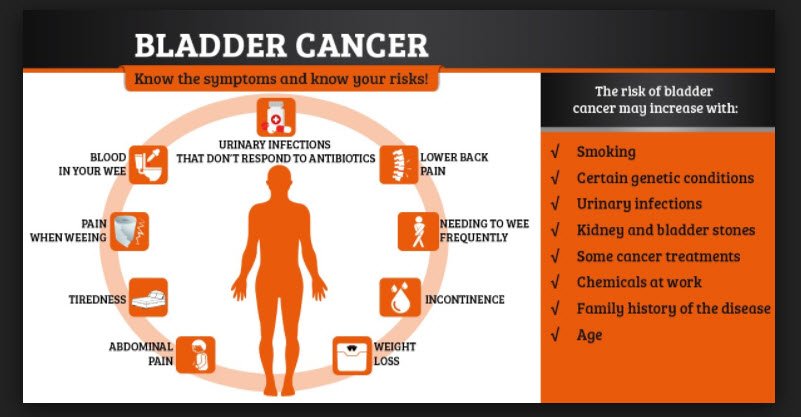
Bladder cancer is a disease that occurs when abnormal cells develop in the lining of the bladder. While the exact cause of bladder cancer is unknown, there are certain risk factors that have been associated with an increased likelihood of developing the disease. By understanding these causes, you can take steps to reduce your risk and potentially prevent the onset of bladder cancer.

Smoking
One of the most significant risk factors for bladder cancer is smoking. Cigarette smoking, as well as pipe and cigar smoking, has been linked to an increased risk of developing the disease. The harmful chemicals present in tobacco smoke can enter the bloodstream and concentrate in the urine, causing damage to the bladder lining over time.
Chemical Exposure
Exposure to certain chemicals has also been identified as a potential cause of bladder cancer. This includes occupational exposure to specific chemicals in the workplace, such as those found in the dye and textile industries. Industrial chemicals, when inhaled or absorbed through the skin, can accumulate in the bladder and lead to the development of cancerous cells.

Family History
If you have a close relative who has been diagnosed with bladder cancer, it may increase your susceptibility to the disease. While the exact genetic factors involved are not yet fully understood, it is believed that certain inherited genes can predispose individuals to bladder cancer. It is always recommended to be aware of your family history and discuss it with your healthcare provider.
Age
As with many types of cancer, the risk of developing bladder cancer increases with age. While it can occur at any age, the majority of cases are diagnosed in individuals over the age of 55. It is important to note that age is a risk factor and not a guarantee, and people of all ages should be vigilant about their health.

Gender
Bladder cancer is more common in men compared to women. The reasons for this gender disparity are not fully understood, but it is believed to be influenced by a combination of factors, including biological and behavioral differences between men and women. Men should be particularly mindful of their bladder health and take appropriate measures to reduce their risk.
Race and Ethnicity
Studies have shown that white individuals have a higher risk of developing bladder cancer compared to other racial and ethnic groups. The reasons behind this racial disparity are still being studied, but it is thought to be a combination of genetic and environmental factors. While race and ethnicity are risk factors, it is important to remember that anyone can develop bladder cancer regardless of their background.

Chronic Bladder Inflammation
Chronic inflammation of the bladder, often resulting from conditions like urinary infections or bladder stones, has been associated with an increased risk of bladder cancer. Constant irritation of the bladder lining can lead to the development of abnormal cells and potentially progress into cancer. It is crucial to seek prompt medical attention for any persistent urinary symptoms to rule out any underlying conditions or inflammation.
Certain Medications
In some cases, certain medications have been linked to an increased risk of bladder cancer. One such medication is pioglitazone (Actos), commonly used to treat type 2 diabetes. If you are taking this medication or any other drugs associated with bladder cancer, it is essential to discuss the potential risks and benefits with your healthcare provider.
Arsenic in Drinking Water
Exposure to high levels of arsenic in drinking water has been identified as a risk factor for bladder cancer. Arsenic is a naturally occurring element found in the environment, and prolonged consumption of contaminated water can lead to the development of bladder cancer over time. It is advisable to ensure that your drinking water is sourced from a safe and regulated supply.
Previous Cancer Treatments
Some cancer treatments, such as radiation therapy and specific chemotherapy drugs, can increase the risk of developing bladder cancer later in life. While these treatments are crucial for fighting other forms of cancer, it is important to be aware of the potential long-term risks. If you have undergone any previous cancer treatments, regular follow-up care and monitoring for bladder cancer are recommended.
In conclusion, while the exact cause of bladder cancer remains unknown, several factors have been identified as potential causes or risk factors. Smoking, chemical exposure, family history, age, gender, race and ethnicity, chronic bladder inflammation, certain medications, arsenic in drinking water, and previous cancer treatments all play a role in increasing the risk of bladder cancer. By understanding these causes and risk factors, individuals can make informed decisions about their lifestyle and healthcare, reducing the likelihood of developing bladder cancer and promoting overall bladder health. Remember, early detection and regular check-ups are key to managing any potential health concerns, so don’t hesitate to consult with your healthcare provider if you have any questions or concerns about bladder cancer.