
Bladder cancer is a topic that often sparks concerns and questions amongst many people, and rightly so. It is a condition that affects millions of individuals worldwide, and understanding it is crucial for early detection and effective treatment. In this article, you will gain a comprehensive understanding of bladder cancer, including its causes, symptoms, and available treatment options. So, whether you have a personal interest in this subject or are simply seeking to expand your knowledge, read on to unravel the mysteries surrounding bladder cancer and equip yourself with valuable information that could potentially save lives.
Symptoms
Bladder cancer can cause a variety of symptoms that may vary depending on the stage and location of the cancer. If you notice any of the following symptoms, it is important to consult with your doctor for further evaluation:
Blood in the urine
One of the most common symptoms of bladder cancer is the presence of blood in the urine, also known as hematuria. Hematuria can be either visible to the naked eye or detected only through a urine test. It is important to note that blood in the urine can also be a sign of other conditions not related to cancer, such as urinary tract infections or kidney stones.
Frequent urination
Bladder cancer may cause an increased frequency of urination. This symptom can be reminiscent of a urinary tract infection or bladder irritation. If you experience an increased need to urinate without a clear explanation, it is worth discussing this symptom with your doctor.
Painful urination
Another symptom that may indicate the presence of bladder cancer is painful urination, also known as dysuria. This discomfort during urination can be a result of the tumor irritating the lining of the bladder. If you experience pain or a burning sensation while urinating, it is essential to promptly consult your healthcare provider for further evaluation.
Back or pelvic pain
Bladder cancer can sometimes cause pain in the lower back or pelvis. This pain may be dull or persistent and can vary in intensity. It is important to note that back or pelvic pain can be caused by various other conditions, but when coupled with other bladder cancer symptoms, it should not be ignored.
Urinary tract infections
Recurrent urinary tract infections (UTIs) can sometimes be a sign of bladder cancer. If you experience frequent UTIs without an apparent cause, it is important to discuss this pattern with your doctor. Bladder cancer can sometimes mimic the symptoms of an infection, so a thorough evaluation is necessary to determine the underlying cause.
Fatigue
Fatigue, or a persistent feeling of tiredness and lack of energy, can be a symptom of bladder cancer. Cancer cells require a significant amount of energy to grow, and this can result in the body feeling drained. If you find yourself feeling excessively tired despite adequate rest, it is important to bring this symptom to your doctor’s attention.
Weight loss
Unintentional weight loss can sometimes occur in individuals with bladder cancer. This weight loss may be a result of a variety of factors, such as loss of appetite, changes in metabolism, or the body’s immune response to cancer. If you experience significant and unexplained weight loss, it is important to be evaluated by a healthcare professional.
Bone pain
Bladder cancer that has spread to the bones can cause bone pain. Sometimes, this pain may be experienced as a persistent ache in the affected bones. If you have bladder cancer and notice new or worsening bone pain, it is important to notify your doctor for proper evaluation.
Swelling in the lower legs
In advanced cases of bladder cancer, the cancer cells can obstruct the flow of urine, leading to fluid accumulation in the lower legs. This can cause swelling, also known as peripheral edema. If you notice persistent swelling in your lower legs, it is crucial to consult with your healthcare provider for further evaluation.
Unexplained anemia
Bladder cancer can sometimes cause anemia, which is characterized by a lower than normal level of red blood cells or hemoglobin in the body. Anemia can cause symptoms such as fatigue, weakness, and shortness of breath. If you are diagnosed with bladder cancer and are experiencing unexplained anemia, it is important to discuss this symptom with your doctor.
It is important to remember that while these symptoms may be indicative of bladder cancer, they can also be caused by other conditions. However, if you experience any of these symptoms, it is essential to consult with your healthcare provider for further evaluation and appropriate diagnostic tests.
Causes and Risk Factors
Bladder cancer can have several causes and risk factors that may contribute to its development. Understanding these factors can help in the prevention and early detection of bladder cancer. Here are some of the known causes and risk factors associated with bladder cancer:
Smoking
Smoking is the most significant risk factor for developing bladder cancer. The chemicals found in tobacco smoke can be absorbed into the bloodstream, filtered by the kidneys, and excreted in the urine, exposing the bladder to harmful substances. Individuals who smoke have a much higher risk of developing bladder cancer compared to nonsmokers. Quitting smoking can significantly decrease the risk of bladder cancer.
Chemicals
Exposure to certain chemicals in the workplace or the environment can increase the risk of bladder cancer. Chemicals such as arsenic, benzidine, certain dyes, and chemicals used in the production of rubber, textiles, and paint have been associated with bladder cancer. Taking appropriate safety precautions and minimizing exposure to these chemicals can help reduce the risk.
Chronic inflammation
Chronic irritation or inflammation of the bladder can increase the risk of developing bladder cancer. Conditions such as urinary tract infections, bladder stones, long-term use of urinary catheters, and certain bladder abnormalities can cause ongoing inflammation. Treating and managing these conditions promptly can help reduce the risk of bladder cancer.
Age
The risk of bladder cancer increases with age. The majority of bladder cancer cases occur in individuals over the age of 55. However, bladder cancer can occur at any age, so it is important to be aware of the symptoms and risk factors regardless of age.
Gender
Bladder cancer is more common in men compared to women. This may be due to hormonal differences and the fact that men tend to smoke more than women. However, it is important for both men and women to be aware of the signs and symptoms of bladder cancer and undergo appropriate screenings if necessary.
Race
Certain races, such as Caucasians, have a higher risk of bladder cancer compared to other ethnic groups. The reasons behind this racial disparity are not yet fully understood, but factors such as genetic predisposition, access to healthcare, and exposure to certain chemicals may play a role.
Family history
Having a family history of bladder cancer increases the risk of developing the disease. If an immediate family member, such as a parent or sibling, has had bladder cancer, the risk is higher. Genetic factors may contribute to this increased risk, but more research is needed to understand the specific genes involved.
Previous cancer treatment
Individuals who have undergone radiation therapy or certain chemotherapy regimens for previous cancer treatment may have an increased risk of developing bladder cancer. Therefore, it is important for cancer survivors to stay vigilant and report any new symptoms to their healthcare provider.
Bladder birth defects
Some individuals are born with abnormalities in the bladder, such as bladder diverticulum or bladder exstrophy. These defects can increase the risk of bladder cancer later in life. Regular monitoring and management of these conditions can help identify any potential cancerous changes.
While these causes and risk factors can increase the likelihood of developing bladder cancer, it is important to remember that many individuals with bladder cancer may not have any identifiable risk factors. Therefore, being aware of the symptoms and regularly discussing any concerns with a healthcare provider is crucial for early detection and treatment.

Types of Bladder Cancer
Bladder cancer can present as different types, each with its own characteristics and behaviors. Understanding the various types of bladder cancer can help in determining the most appropriate treatment approach. Here are the primary types of bladder cancer:
Urothelial carcinoma
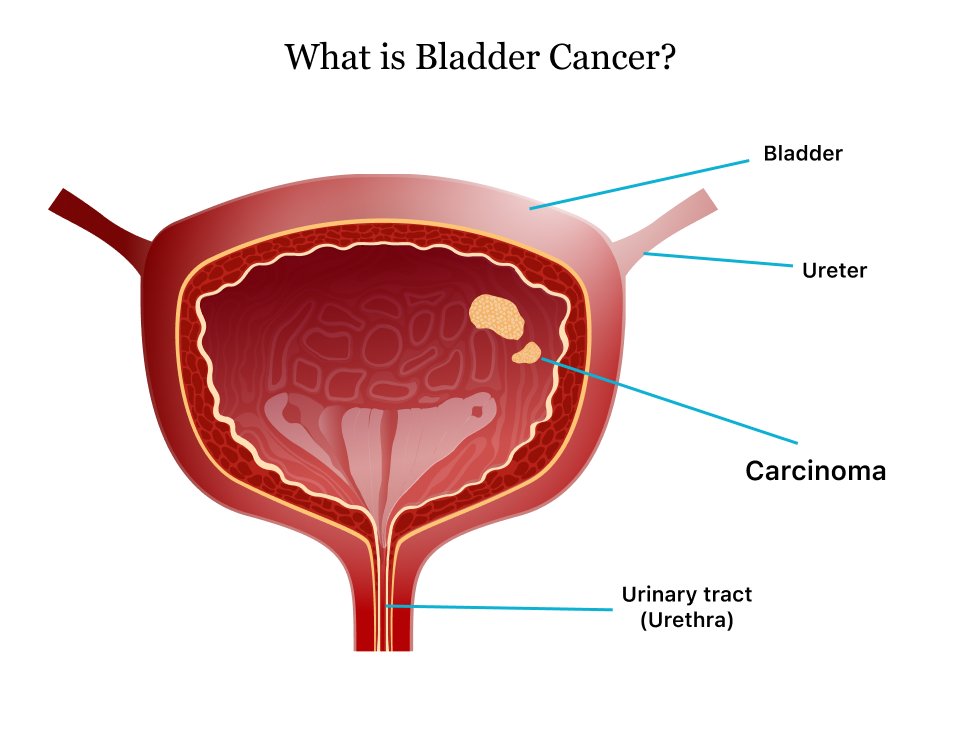
Urothelial carcinoma, also known as transitional cell carcinoma, is the most common type of bladder cancer. It begins in the urothelial cells, which line the inner surface of the bladder and other parts of the urinary system. Urothelial carcinoma can develop at any point in the urinary tract, from the renal pelvis (part of the kidney) to the ureters, bladder, and urethra.
Squamous cell carcinoma
Squamous cell carcinoma of the bladder is a less common type of bladder cancer. It develops in the squamous cells, which are flat, thin cells that can be found in the bladder lining. This type of bladder cancer is often associated with chronic irritation or inflammation of the bladder, such as long-term bladder infections or the prolonged use of urinary catheters.
Adenocarcinoma
Adenocarcinoma of the bladder is a rare type of bladder cancer. It originates in the glandular cells that produce mucus in the bladder lining. Adenocarcinoma is frequently associated with chronic irritation or inflammation of the bladder and is often detected at an advanced stage.
Small cell carcinoma
Small cell carcinoma of the bladder is a rare but aggressive form of bladder cancer. It starts in the neuroendocrine cells, which are responsible for producing hormones and regulating various bodily functions. Small cell carcinoma is often fast-growing and prone to spreading to other parts of the body.
Other rare types
In addition to the aforementioned types, there are several other rare subtypes of bladder cancer, such as sarcomas and lymphomas. These types account for a small percentage of bladder cancers and may require specialized treatment approaches.
Understanding the type of bladder cancer is essential for determining the appropriate treatment and predicting the prognosis. Doctors use various tests and examinations, such as biopsies and imaging studies, to determine the exact type of bladder cancer present.
Staging
Once diagnosed with bladder cancer, it is important to determine the stage of the cancer. Staging refers to the process of assessing the extent of the cancer and determining how far it has spread. Accurate staging is crucial for determining the most appropriate treatment and predicting the prognosis. Here are the stages of bladder cancer:
Stage 0
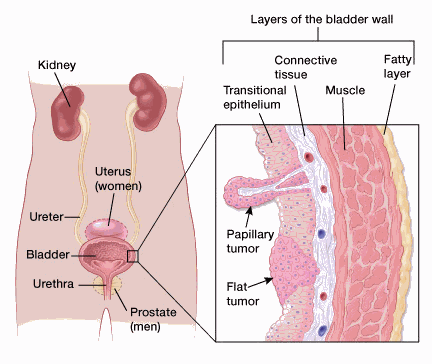
Stage 0 bladder cancer, also known as non-invasive bladder cancer or carcinoma in situ (CIS), is confined to the innermost lining of the bladder. At this stage, the cancer cells have not invaded deeper layers, but they have the potential to become invasive over time. Treatment for stage 0 bladder cancer usually involves removing the abnormal cells or using medications to help prevent their progression.
Stage I
Stage I bladder cancer is characterized by cancer cells that have invaded the inner lining of the bladder but have not spread to the muscle layer. At this stage, the cancer is still considered relatively localized. Treatment for stage I bladder cancer typically involves removing the cancerous tissue through surgery or destroying the abnormal cells using various treatment methods.
Stage II
Stage II bladder cancer indicates that the cancer has spread beyond the inner lining and has invaded the muscle layer of the bladder. The depth of invasion within the muscle layer can vary at this stage. Treatment for stage II bladder cancer often involves surgery and may include other additional treatments, depending on the specific circumstances.
Stage III
Stage III bladder cancer signifies that the cancer has spread beyond the bladder to nearby tissues or organs. It may affect the prostate gland, uterus, vagina, lymph nodes, or pelvic wall. Treatment for stage III bladder cancer typically involves a combination of surgery, radiation therapy, chemotherapy, or other targeted therapies.
Stage IV
Stage IV bladder cancer is the most advanced stage, indicating that the cancer has spread to distant sites in the body, such as the lungs, liver, bones, or lymph nodes away from the bladder. Treatment for stage IV bladder cancer is often focused on palliative care, which aims to alleviate the symptoms and improve the quality of life. Depending on the individual circumstances, treatments such as surgery, chemotherapy, radiation therapy, or immunotherapy may be utilized.
Understanding the stage of bladder cancer is essential for both treatment planning and providing accurate information about the potential outcomes. Staging allows doctors to tailor the treatment approach to the specific needs of the patient, taking into account the extent of the cancer and the individual’s overall health.
Diagnosis
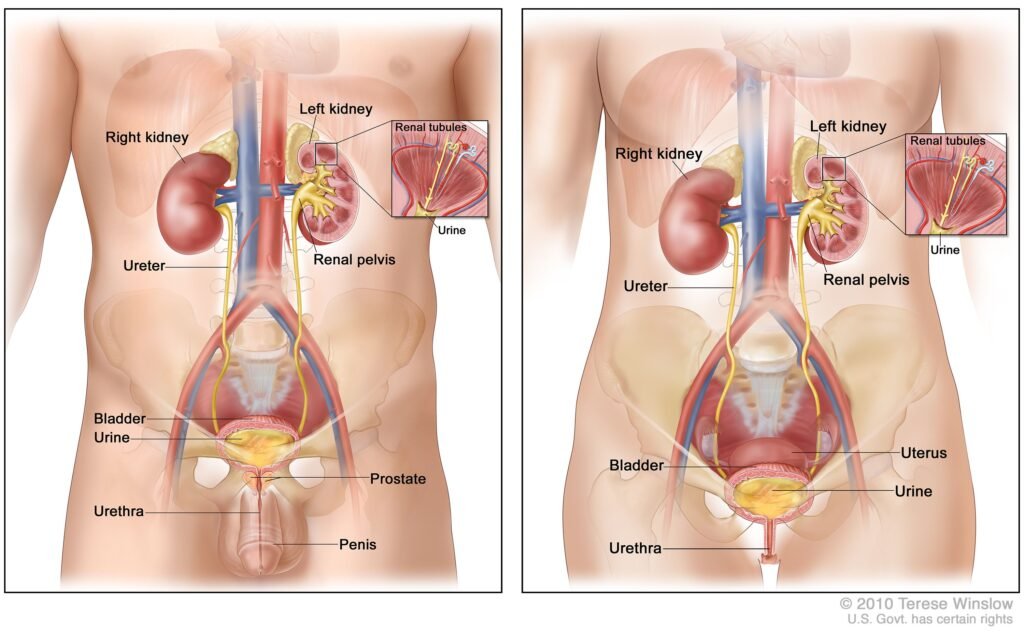
Diagnosing bladder cancer involves a series of tests and examinations to determine the presence of cancer, its location, and its characteristics. A comprehensive diagnostic process is essential for developing an effective treatment plan. Here are the key components of the bladder cancer diagnostic process:
Physical examination and medical history
The initial step in diagnosing bladder cancer involves a thorough physical examination by a healthcare provider. This may include a review of your medical history, including any previous conditions or symptoms, as well as a discussion of your family history and risk factors. A physical examination may involve palpation of the abdomen and pelvic area to identify any abnormalities or signs of bladder cancer.
Urine tests
A urine test is one of the primary diagnostic tools for bladder cancer. Both a routine urine analysis and a specialized test called urine cytology may be performed. Routine urine analysis can identify the presence of blood or other abnormal components, while urine cytology involves examining the urine sample under a microscope to detect cancer cells.
Cystoscopy
Cystoscopy is a procedure that provides direct visualization of the inside of the bladder using a thin, flexible tube with a camera at the end. During cystoscopy, the doctor can examine the bladder lining for any abnormal growths or other signs of bladder cancer. If necessary, the doctor may also collect tissue samples (biopsy) for further examination.
Biopsy
In some cases, a tissue sample (biopsy) may be taken during cystoscopy or another specialized procedure. The tissue sample is sent to a laboratory where a pathologist analyzes it under a microscope to determine if cancer cells are present. Biopsy results can provide important information about the type and aggressiveness of the bladder cancer.
Imaging tests
Imaging tests, such as computed tomography (CT) scans, magnetic resonance imaging (MRI), or ultrasound, may be performed to assess the extent of the cancer and identify any signs of metastasis (spread) to nearby tissues or distant organs. These tests can help determine the stage of bladder cancer and facilitate treatment planning.
Staging tests
If bladder cancer is diagnosed, additional tests may be performed to determine the stage of the cancer accurately. These tests may include bone scans, chest X-rays, or positron emission tomography (PET) scans. Staging tests help identify the presence of cancer in other parts of the body and guide treatment decisions.
The diagnostic process for bladder cancer may involve multiple tests and procedures to obtain an accurate diagnosis. An interdisciplinary approach involving urologists, pathologists, radiologists, and other specialists is often necessary to ensure a comprehensive evaluation and an appropriate treatment plan.
Treatment Options
The treatment of bladder cancer depends on several factors, including the stage of the cancer, the type of bladder cancer, the overall health of the patient, and individual preferences. A combination of treatment modalities is often used to achieve the best possible outcome. Here are the main treatment options for bladder cancer:
Surgery
Surgery is a common treatment option for bladder cancer and can involve different procedures depending on the stage and extent of the cancer. Transurethral resection of bladder tumor (TURBT) is a minimally invasive procedure used to remove early-stage tumors from the bladder lining. Partial or radical cystectomy may be necessary in more advanced cases to remove part or all of the bladder, depending on the extent of the cancer. In some instances, the removal of nearby lymph nodes or surrounding organs may be required.
Chemotherapy
Chemotherapy uses medications to kill cancer cells or inhibit their growth. It can be administered orally, intravenously, or directly into the bladder. Chemotherapy may be employed before or after surgery, depending on the stage and aggressiveness of the cancer. It may also be used as the primary treatment for individuals who are not candidates for surgery. Neoadjuvant chemotherapy, given prior to surgery, can help shrink tumors and improve surgical outcomes.
Radiation therapy
Radiation therapy utilizes high-energy beams to kill cancer cells and shrink tumors. It can be delivered externally via a machine (external beam radiation therapy) or internally through implanted devices (brachytherapy). Radiation therapy may be used alongside surgery or as the primary treatment for individuals who are not surgical candidates. It can help in cases where complete removal of the cancer is not possible or to eliminate any remaining cancer cells after surgery.
Immunotherapy
Immunotherapy is a treatment approach that stimulates the body’s immune system to target and destroy cancer cells. Medications called checkpoint inhibitors are often used in immunotherapy to block proteins that can inhibit the immune response against cancer cells. Immunotherapy may be used in advanced cases of bladder cancer to boost the immune system’s ability to fight the cancer or as maintenance therapy to prevent the cancer from returning.
Targeted therapy
Targeted therapy involves using medications that specifically target certain molecules or pathways involved in the growth and spread of cancer cells. These drugs can interfere with the specific genetic mutations or other abnormalities present in bladder cancer cells. Targeted therapy may be used in combination with other treatments or as a standalone option in cases where other treatments have not been effective.
The specific treatment plan for bladder cancer will depend on several factors unique to each individual. The healthcare team will carefully consider the stage and type of bladder cancer, the overall health of the patient, and their personal preferences before recommending a treatment approach. It is important to discuss the potential benefits, risks, and side effects of each treatment option with healthcare professionals to make informed decisions.
Prevention
While bladder cancer cannot always be prevented, there are several strategies that can help reduce the risk of developing the disease. By implementing these preventive measures, individuals can take an active role in maintaining their bladder health. Here are some tips for bladder cancer prevention:
Quit smoking
If you smoke, quitting smoking is one of the most important steps you can take to reduce your risk of bladder cancer. Smoking is the leading cause of bladder cancer, so quitting smoking can significantly decrease your chances of developing the disease. Reach out to healthcare professionals or support groups for assistance in quitting smoking.
Avoid or reduce exposure to industrial chemicals
Limiting exposure to certain chemicals found in the workplace or the environment can help reduce the risk of bladder cancer. Take appropriate safety precautions if you work with or around potentially hazardous chemicals. Follow safety guidelines, use personal protective equipment (PPE), and ensure proper ventilation in areas where chemical exposure is possible.
Maintain a healthy weight
Maintaining a healthy weight through a balanced diet and regular exercise can help reduce the risk of various types of cancer, including bladder cancer. Eating a variety of fruits, vegetables, whole grains, and lean proteins, while minimizing the consumption of processed foods and sugary drinks, can contribute to overall good health.
Drink plenty of fluids
Keeping well-hydrated by drinking plenty of fluids can help dilute any harmful substances that may be present in the urine, reducing their potential impact on the bladder lining. Aim to consume an adequate amount of water throughout the day and stay hydrated to support overall bladder health.
Eat a balanced diet
Consuming a well-balanced diet that is rich in antioxidants and other nutrients can support overall health and reduce the risk of various cancers, including bladder cancer. Include a variety of colorful fruits and vegetables, whole grains, lean proteins, and healthy fats in your diet.
Exercise regularly
Regular physical activity can help maintain a healthy weight, improve overall fitness, and reduce the risk of various diseases, including bladder cancer. Engage in activities that you enjoy and aim for a combination of cardiovascular exercises, strength training, and flexibility exercises to maintain an active lifestyle.
Protect yourself against infections
Taking steps to prevent urinary tract infections (UTIs) and promptly treating any infections that do occur can help reduce the risk of bladder cancer associated with chronic inflammation or irritation. Drink plenty of fluids, practice good hygiene, urinate frequently, and seek prompt medical attention if you suspect a UTI.
While these preventive measures cannot guarantee the prevention of bladder cancer, they can significantly reduce the risk. By adopting a healthy lifestyle and minimizing exposure to known risk factors, you can take proactive steps towards preserving your bladder health.
Living with Bladder Cancer
Receiving a diagnosis of bladder cancer can be overwhelming and life-changing. However, with the right support and management strategies, individuals can live fulfilling lives while undergoing treatment and beyond. Here are some suggestions for living with bladder cancer:
Managing side effects
Treatment for bladder cancer can sometimes cause side effects, such as fatigue, nausea, hair loss, or changes in urinary function. It is important to communicate openly with your healthcare team about any side effects you experience. They can provide guidance and support, recommend medications or lifestyle changes to alleviate symptoms, or refer you to other healthcare professionals, such as nutritionists or physical therapists, for additional assistance.
Coping with emotional impact
A cancer diagnosis can evoke a range of emotions, including fear, sadness, anger, and anxiety. It is important to acknowledge and express these emotions and seek support from loved ones, support groups, or mental health professionals when necessary. Engaging in stress-reducing activities, such as meditation, yoga, or hobbies, can also help manage emotional distress.
Seeking support
Bladder cancer can impact individuals and their loved ones physically, emotionally, and mentally. Seeking support from friends, family members, or support groups can provide a sense of understanding, connection, and encouragement. Support groups or online forums specifically for bladder cancer patients can offer a platform for sharing experiences and advice.
Maintaining a healthy lifestyle
Maintaining a healthy lifestyle can contribute to overall well-being during and after bladder cancer treatment. This includes adopting a nutritious diet, engaging in regular physical activity, and avoiding tobacco and excessive alcohol consumption. A healthy lifestyle can help manage energy levels, improve mood, support the immune system, and minimize the risk of complications.
While living with bladder cancer can present challenges, it is essential to remain focused on the positive aspects of life, seek support, and take care of your physical and emotional health. Every individual’s experience with bladder cancer is unique, and finding personalized strategies for living a full and fulfilling life is important.
Prognosis and Survival Rates
Understanding the prognosis and survival rates associated with bladder cancer can provide individuals with valuable information about the potential outcome of the disease. It is important to note that survival rates are based on general statistics and may vary widely depending on an individual’s specific circumstances. Here are factors to consider when assessing prognosis:
Stage-specific survival rates
Bladder cancer survival rates are often grouped based on the stage at the time of diagnosis. Early-stage bladder cancer (such as stage 0 or stage I) generally has a higher survival rate compared to more advanced stages (stage III or stage IV). It is essential to remember that survival rates are based on large groups of patients and do not predict individual outcomes.
Factors affecting prognosis
Several factors can affect the prognosis of bladder cancer, including the stage of the cancer, the type and grade of the tumor, the overall health of the patient, and the response to treatment. Determining these factors, in combination with other individual considerations, can help healthcare professionals provide a more accurate prognosis for each individual patient.
Recurrence
Bladder cancer can sometimes recur even after successful treatment. Regular follow-up appointments, surveillance tests, and imaging scans are important to monitor for any signs of recurrence. The frequency and duration of follow-up will depend on the stage and characteristics of the cancer, as well as the individual’s overall health.
It is important to discuss prognosis and survival rates with healthcare professionals to gain a better understanding of the potential outcomes. However, it is crucial to remember that every individual’s situation is unique, and statistics should not be viewed as definitive predictions. Focusing on proactive treatment, maintaining a positive outlook, and following recommended surveillance protocols can contribute to a better prognosis.
Conclusion
Bladder cancer is a complex disease that requires comprehensive understanding and management. Recognizing the symptoms of bladder cancer and seeking prompt medical attention can lead to early diagnosis and improved treatment outcomes. Various risk factors, such as smoking, exposure to chemicals, chronic inflammation, and certain genetic factors, can increase the likelihood of developing bladder cancer. Understanding these risk factors can help in prevention efforts.
Different types of bladder cancer exist, each with its own characteristics and behaviors. Accurate diagnosis and staging are crucial for determining the most appropriate treatment approach. Treatment options for bladder cancer include surgery, chemotherapy, radiation therapy, immunotherapy, and targeted therapy. The choice of treatment depends on factors such as the stage of the cancer, the type of bladder cancer, and the patient’s overall health.
Preventing bladder cancer entails adopting a healthy lifestyle, minimizing exposure to chemicals, staying hydrated, and seeking prompt treatment for urinary tract infections. Living with bladder cancer involves managing side effects, seeking support, and maintaining a healthy lifestyle. Understanding the prognosis and survival rates associated with bladder cancer can help individuals and their healthcare providers make informed decisions and provide personalized care.
With ongoing research and advancements in treatment, the outlook for individuals with bladder cancer continues to improve. By staying proactive, maintaining a positive attitude, and accessing appropriate resources and support, individuals with bladder cancer can navigate their journey and live meaningful lives.