
Living with bladder cancer can be a challenging and overwhelming experience, but with the right coping strategies and support, you can navigate through this journey with strength and resilience. In this article, you will discover helpful tips and resources that can assist you in coping with the physical, emotional, and practical aspects of living with bladder cancer. From managing treatment side effects to finding support groups, this comprehensive guide will provide you with the tools you need to navigate the challenges of bladder cancer and find a place of comfort and strength.
Overview of Bladder Cancer
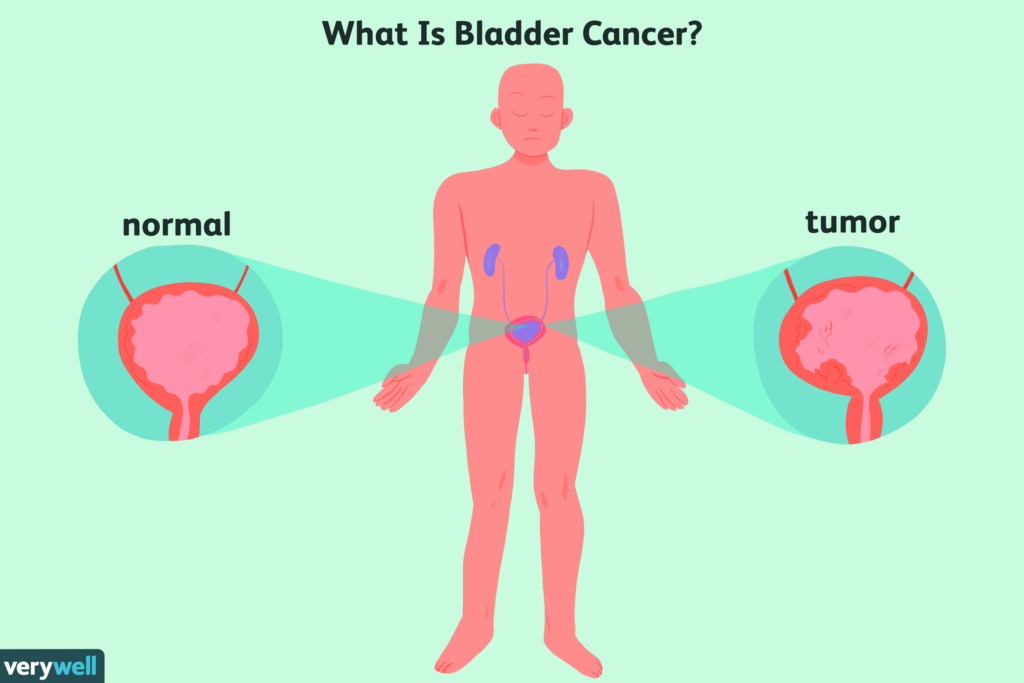
Bladder cancer is a type of cancer that starts in the cells of the bladder, the organ responsible for storing urine. It is the most common type of urinary tract cancer and affects both men and women. There are different types of bladder cancer, including transitional cell carcinoma, squamous cell carcinoma, and adenocarcinoma.
Types of bladder cancer
The most common type of bladder cancer is transitional cell carcinoma, which starts in the cells lining the inside of the bladder. Squamous cell carcinoma, another type of bladder cancer, begins in the thin, flat cells that may form in the bladder after long-term irritation or infection. Adenocarcinoma, although rare, starts in the glandular cells of the bladder lining.
Causes and risk factors
The exact cause of bladder cancer is not known, but certain factors can increase the risk of developing the disease. Smoking is the leading cause of bladder cancer, as the harmful chemicals in tobacco can enter the bloodstream and accumulate in the bladder. Other risk factors include exposure to certain chemicals in the workplace, such as those used in the dye industry, and a history of chronic bladder infections.
Symptoms and diagnosis
Symptoms of bladder cancer may include blood in the urine, frequent urination, pain or burning during urination, and lower back pain. However, these symptoms can also be caused by other conditions, so it is important to consult a healthcare professional for an accurate diagnosis. Diagnosis of bladder cancer often involves a physical examination, urine tests, imaging tests (such as CT scans), and a biopsy of the bladder tissue.
Treatment Options for Bladder Cancer
When it comes to treating bladder cancer, there are several options available depending on the stage and type of cancer. These treatment options include surgery, chemotherapy, radiation therapy, and immunotherapy. The choice of treatment will depend on various factors, such as the extent of the cancer, overall health, and individual preferences.
Surgery
Surgery is a common treatment for bladder cancer, particularly for early-stage tumors that have not spread beyond the bladder. The most common surgical procedure for bladder cancer is transurethral resection, where the tumor is removed through the urethra using a special instrument. In some cases, a partial or complete removal of the bladder, known as a cystectomy, may be necessary.
Chemotherapy
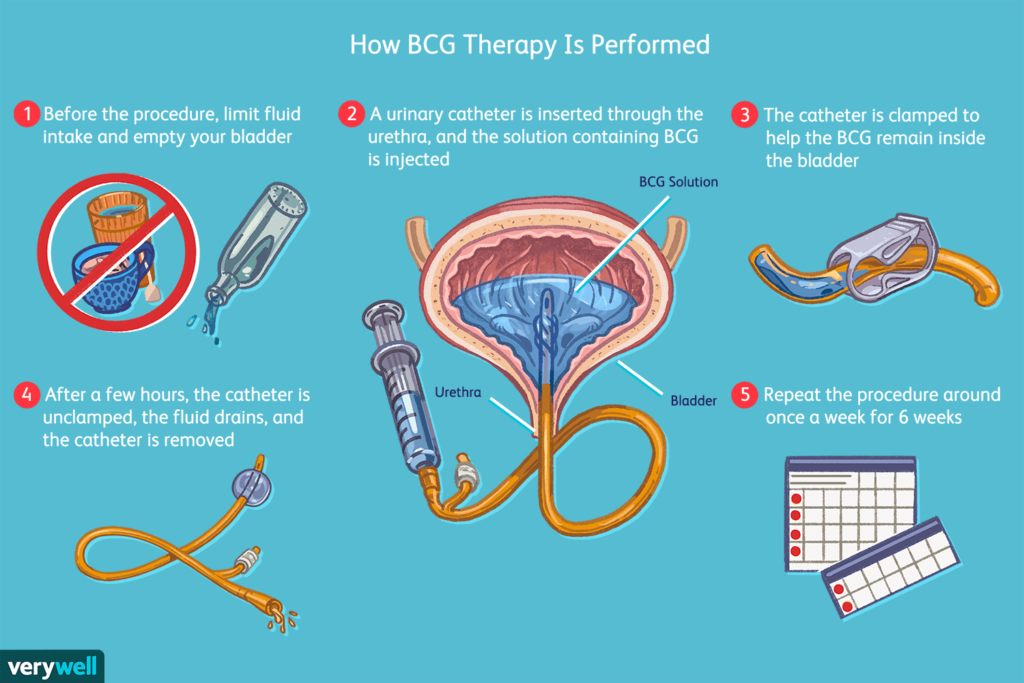
Chemotherapy is a treatment that uses medication to kill cancer cells or stop them from growing. It can be given before surgery to shrink the tumor, after surgery to destroy any remaining cancer cells, or as the primary treatment for advanced bladder cancer. Chemotherapy drugs can be administered intravenously or directly into the bladder through a catheter.
Radiation therapy
Radiation therapy uses high-energy rays or particles to destroy cancer cells or prevent them from growing. It may be used as the primary treatment for early-stage bladder cancer or in combination with surgery or chemotherapy for more advanced cases. External beam radiation therapy and brachytherapy are the two main types of radiation therapy used for bladder cancer.
Immunotherapy
Immunotherapy is a type of treatment that works by boosting the body’s immune system to fight cancer cells. It can be used for certain types of bladder cancer that have recurred or spread to other parts of the body. Immunotherapy drugs, such as immune checkpoint inhibitors, target specific proteins on cancer cells to prevent them from evading the immune system.
Managing Treatment Side Effects
While undergoing treatment for bladder cancer, it is common to experience various side effects. These side effects can be managed with proper care and support from healthcare professionals. Here are some common side effects and tips for managing them:
Nausea and vomiting
Chemotherapy and radiation therapy can cause nausea and vomiting. It is important to follow the prescribed anti-nausea medications, eat small and frequent meals, and avoid spicy or greasy foods. Drinking ginger tea or using aromatherapy with scents like peppermint or lemon can also help alleviate symptoms.
Hair loss
Chemotherapy may cause hair loss, but it is usually temporary. Many people find comfort in wearing hats, scarves, or wigs during this time. Being gentle with the hair, using a wide-toothed comb, and avoiding excessive heat or chemical treatments can help minimize hair loss.
Fatigue
Both treatment and the emotional impact of bladder cancer can cause fatigue. It is important to prioritize rest, conserve energy, and engage in light exercise or activities that promote relaxation, such as yoga or meditation. Seeking support from loved ones and asking for help with daily tasks can also alleviate some of the burden.
Loss of appetite
Certain treatments and medications can affect appetite. It is important to focus on eating nutritious meals, even if the appetite is reduced. Small, frequent meals that are high in protein and calories can help maintain strength and prevent weight loss. Consult with a healthcare professional or registered dietitian for personalized dietary advice.
Pain management
Bladder cancer treatment can sometimes cause discomfort or pain. Pain medications prescribed by healthcare professionals can help manage this symptom. Additionally, relaxation techniques, such as deep breathing or guided imagery, can provide some relief. It is essential to communicate any pain or discomfort to the healthcare team for appropriate management.
Coping with Emotions and Mental Health
A diagnosis of bladder cancer can bring about a range of emotions, including fear, anxiety, and sadness. It is important to prioritize your mental health and seek support during this challenging time. Here are some strategies for coping with emotions and maintaining good mental health:
Understanding and accepting emotions
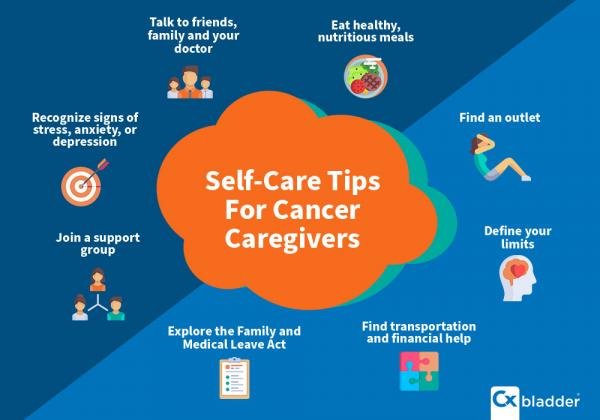
Allow yourself to feel and acknowledge the emotions that come with a bladder cancer diagnosis. It is normal to experience a wide range of emotions, and it is essential to be gentle with yourself during this process. Give yourself permission to grieve, and remember that it is okay to ask for help when needed.
Seeking support from loved ones
Lean on your loved ones for support. Sharing your thoughts and feelings with trusted family members or friends can provide comfort and emotional relief. Opening up about your fears and concerns can also strengthen the bond with your loved ones and help them understand what you are going through.
Counseling and therapy
Consider seeking professional help through counseling or therapy. A trained therapist can provide a safe space to explore your feelings, help you develop coping strategies, and provide guidance on managing stress and anxiety. They may also offer specialized techniques, such as cognitive-behavioral therapy or mindfulness-based therapy.
Support groups
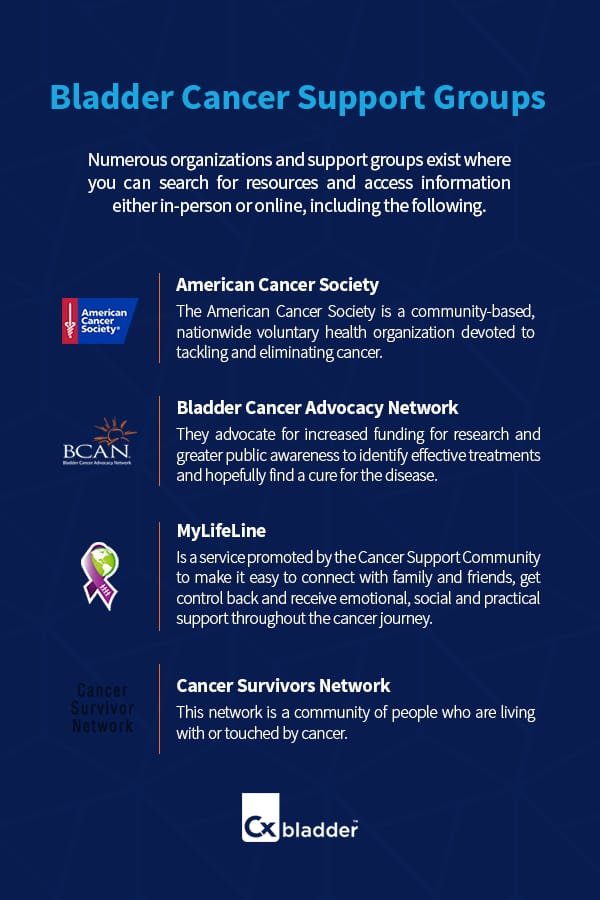
Joining a support group can provide an invaluable resource for sharing experiences and connecting with others who are going through similar challenges. Support groups offer a sense of belonging, empathy, and understanding, and can provide practical advice and emotional support. Look for local or online support groups specifically for bladder cancer patients.

Nutrition and Exercise for Bladder Cancer Patients
Maintaining a healthy diet and staying physically active play important roles in supporting overall well-being and managing the side effects of bladder cancer treatment. Here are some key considerations:
Eating a well-balanced diet
A well-balanced diet is crucial for providing the necessary nutrients for healing, maintaining energy levels, and supporting the immune system. Focus on consuming a variety of fruits, vegetables, whole grains, lean proteins, and healthy fats. Limit processed foods, sugary drinks, and foods high in saturated fats.
Maintaining hydration
Staying hydrated is important for overall health and can help prevent urinary tract infections, which can be more common in individuals with bladder cancer. Aim to drink plenty of water throughout the day and limit caffeine and alcohol consumption, as they can irritate the bladder.
Benefits of exercise
Regular physical activity can help improve overall strength, boost mood, enhance sleep quality, and reduce fatigue. Engage in exercises that are appropriate for your fitness level, such as walking, swimming, or gentle yoga. Consult with your healthcare team before starting an exercise routine to ensure it is safe for you.
Exercise precautions
While exercise is beneficial for bladder cancer patients, it is important to take certain precautions. Avoid activities that put excessive pressure or strain on the bladder, such as heavy lifting or high-impact exercises. Be mindful of any side effects or discomfort during exercise, and adjust your routine accordingly.
Maintaining a Healthy Lifestyle
In addition to specific considerations related to bladder cancer treatment, maintaining an overall healthy lifestyle is important for overall well-being. Here are some key factors to consider:
Quitting smoking
If you are a smoker, quitting smoking is one of the most important steps you can take to improve your health and reduce the risk of bladder cancer recurrence. Smoking not only increases the risk of bladder cancer but also hinders the healing process after treatment.
Limiting alcohol consumption
Excessive alcohol consumption can irritate the bladder and increase the risk of complications. It is recommended to limit alcohol intake or avoid it altogether, particularly during active treatment or if you have a history of bladder infections.
Avoiding exposure to chemicals
Take precautions to limit exposure to chemicals and toxins that may irritate the bladder or increase the risk of bladder cancer. This includes following safety guidelines and using protective equipment when working with chemicals, as well as avoiding exposure to harmful substances in the environment.
Protecting against infections
Bladder cancer patients may be at a higher risk of urinary tract infections. Practice good hygiene, including washing hands regularly, using a clean and private bathroom, and avoiding the use of public restrooms if possible. It is also important to promptly treat any urinary tract infections to prevent complications.
Strengthening the Immune System
A healthy immune system plays a vital role in fighting cancer cells and promoting overall health. Here are some strategies to strengthen your immune system:
Importance of a healthy immune system
A strong immune system can help your body fight off infections, reduce the risk of complications, and support the healing process after bladder cancer treatment. Prioritize practices that enhance immune function to optimize your overall well-being.
Boosting your immune system
Maintain a healthy lifestyle by consuming a balanced diet, getting regular exercise, managing stress, getting enough sleep, and avoiding excessive alcohol consumption. Additionally, consider incorporating immune-boosting foods into your diet, such as citrus fruits, leafy greens, garlic, and ginger.
Vaccine recommendations
Check with your healthcare professional about recommended vaccines to protect against certain infections and diseases. Vaccines, such as the influenza vaccine and pneumococcal vaccine, can help prevent complications and support immune health.
Supporting Bladder Health
Taking care of your bladder can help prevent complications and promote overall urinary health. Here are some tips for supporting bladder health:
Drinking enough fluids
Staying adequately hydrated is essential for maintaining bladder health and preventing urinary tract infections. Aim to drink plenty of water throughout the day, as it helps flush out toxins and bacteria from the bladder.
Urinary habits and hygiene
Maintain healthy urinary habits, such as emptying your bladder regularly, avoiding holding urine for long periods, and practicing good hygiene. Wiping from front to back after using the restroom can help prevent the spread of bacteria.
Bladder training
Bladder training exercises can help control urinary frequency and urgency. This involves gradually increasing the time between restroom visits and using relaxation techniques to manage the need to urinate. Consult with a healthcare professional for personalized guidance.
Avoiding bladder irritants
Certain foods and drinks, such as caffeine, carbonated beverages, alcohol, and spicy foods, can irritate the bladder and worsen symptoms. Keep track of your dietary triggers and minimize or avoid them to promote bladder health.
Maintaining a Positive Outlook
Maintaining a positive outlook and engaging in activities that bring joy and fulfillment can greatly contribute to emotional well-being during bladder cancer treatment. Here are some strategies to consider:
Mindfulness and meditation
Practicing mindfulness and meditation can help reduce stress and anxiety, promote relaxation, and enhance overall well-being. Engage in deep breathing exercises, guided meditation, or mindfulness-based practices to cultivate a positive and calm state of mind.
Engaging in hobbies and activities
Stay engaged in activities that bring you joy and fulfillment, such as hobbies, creative pursuits, or spending time in nature. Engaging in activities that promote relaxation or allow for self-expression can provide a sense of purpose and help alleviate stress.
Finding purpose and meaning
Cultivating a sense of purpose and meaning can provide a source of strength and resilience during challenging times. Reflect on your values, set realistic goals, and find opportunities to contribute and make a positive impact in your own life and the lives of others.
Planning for the Future
In addition to focusing on the present, it is important to plan for the future and establish a follow-up care routine. Here are some important aspects to consider:
Follow-up care
Regular follow-up appointments with your healthcare team are crucial to monitor your progress, address any concerns or side effects, and detect any signs of recurrence or complications. Follow the recommended schedule for check-ups, tests, and imaging studies.
Monitoring for recurrence
Bladder cancer can sometimes recur, even after successful treatment. It is important to be aware of the signs and symptoms of recurrence, such as blood in the urine or changes in urinary habits. Promptly report any unusual symptoms to your healthcare professional for further evaluation.
Lifestyle modifications
Based on your individual circumstances and any recommendations from your healthcare team, consider implementing lifestyle modifications to reduce the risk of recurrence and promote overall health. This may include staying physically active, maintaining a healthy diet, quitting smoking, and managing stress effectively.
Living with bladder cancer can present a range of challenges, but with the right support, coping strategies, and a healthy lifestyle, it is possible to navigate this journey with resilience and positivity. Remember to prioritize your physical and mental well-being, seek support when needed, and maintain open communication with your healthcare team.