
Breaking Down The Myths: Erectile Dysfunction Facts
Erectile dysfunction (ED) is a topic that often gets shrouded in confusion, stigma, and misunderstanding. If you’ve ever found yourself wondering about the real facts surrounding ED, you’re not alone. The good news is that by peeling back the layers of myth and misconception, you can come to a more substantial understanding of what erectile dysfunction really is, its causes, and how it can be managed.
In this article, we’re going to clear up the fog surrounding erectile dysfunction, discuss its implications, and arm you with factual information that empowers you. After all, knowledge is key when it comes to health matters, especially those as sensitive as ED. So, sit back and let’s break down the myths together!
What is Erectile Dysfunction?
Erectile dysfunction is defined as the inability to achieve or maintain an erection sufficient for satisfactory sexual performance. It’s not just a physical issue but can also have psychological components. Whether you are dealing with it personally or know someone who is, understanding this condition is paramount for addressing it effectively.
ED can occur occasionally for many men, especially during stressful times. However, when it becomes a recurrent problem, it’s crucial to delve deeper into the possible underlying causes. This condition can affect your self-esteem, personal relationships, and overall quality of life. Acknowledging it is the first step, and it’s important to know that you’re not alone in this. Many men experience erectile dysfunction at some point in their lives.
Common Myths About Erectile Dysfunction
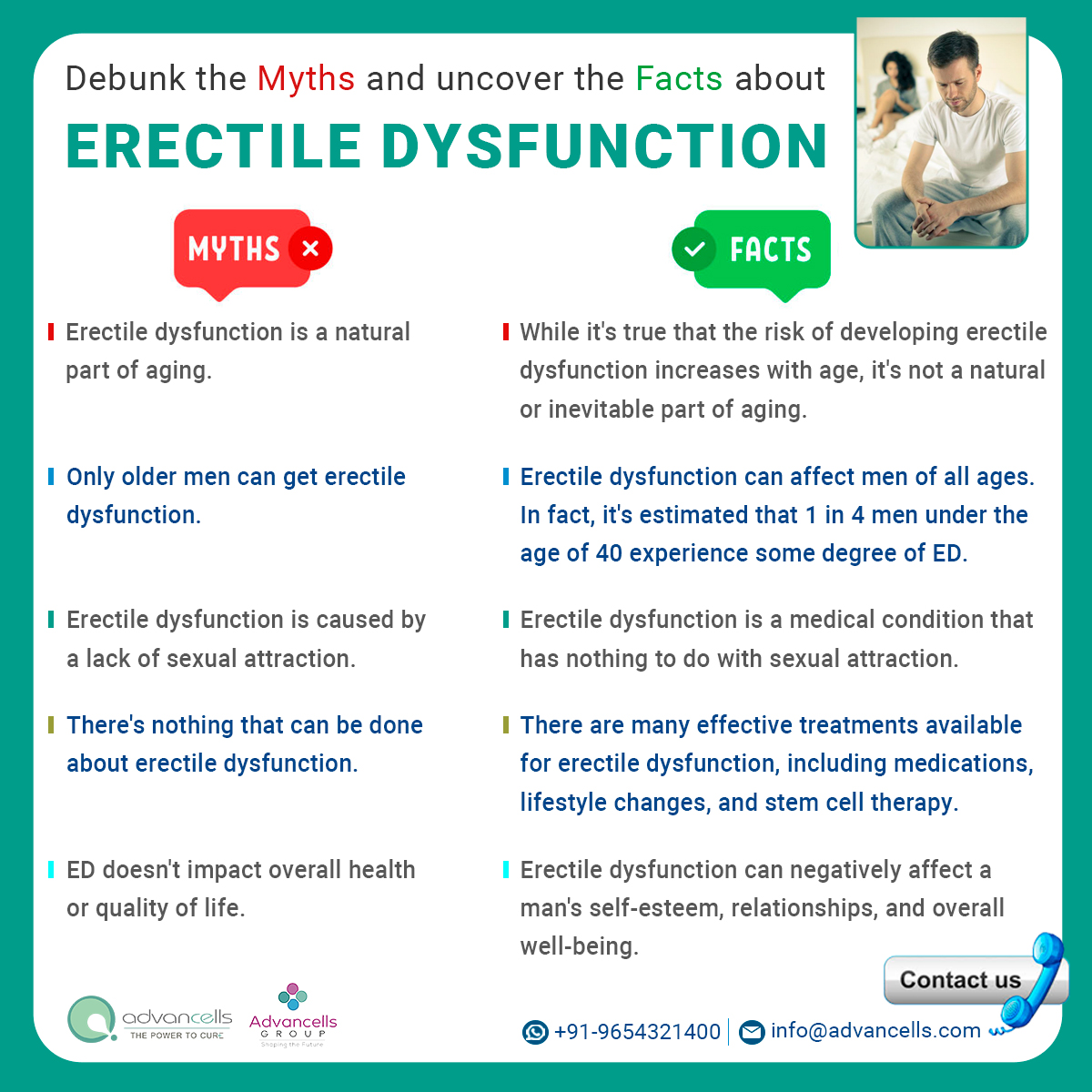
Myth 1: ED Only Affects Older Men
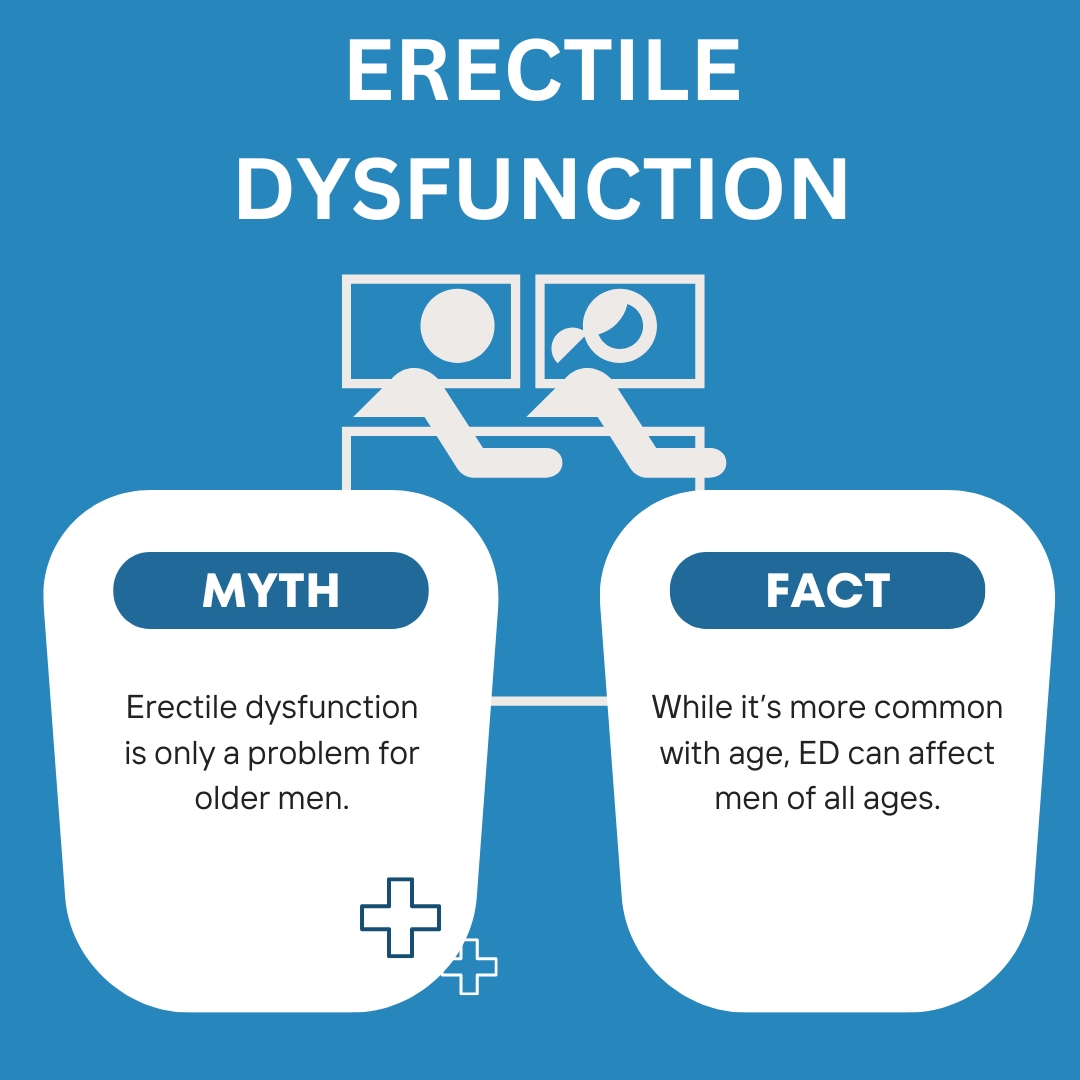
One of the most pervasive myths is that only older men suffer from erectile dysfunction. While aging can contribute to the condition, it is not exclusively an older man’s issue. Many younger men find themselves facing ED due to a variety of factors, including anxiety, stress, lifestyle choices, and health conditions.
Research indicates that ED is a widespread phenomenon that can affect men of all ages. It’s essential to understand that if you’re in a younger demographic and experiencing symptoms, it doesn’t mean you’re alone or that something is “wrong” with you. Age is just one of many factors influencing erectile function.
Myth 2: Erectile Dysfunction is Just a Psychological Issue
While psychological factors such as stress, anxiety, and depression can lead to erectile dysfunction, it is vital to recognize that ED often has a physical basis. Conditions like diabetes, high blood pressure, and cardiovascular issues can contribute to erectile problems.
It’s important to take a holistic view: the body and mind are interconnected, and physical health can significantly impact psychological well-being and vice versa. So if you’re experiencing ED, it might be a combination of emotional and physical factors at play.
Myth 3: If You Have ED, You’re Not Attracted to Your Partner
This misconception can complicate relationships. Many men with ED experience romantic attraction and desire; however, the physical response can be inconsistent. It’s essential to separate attraction from erectile function.
Communication with your partner is crucial. Discussing the issue can help alleviate some of the emotional stress associated with ED. Understanding that this is a shared concern can foster support and intimacy, counteracting feelings of inadequacy or confusion.
Causes of Erectile Dysfunction
Physical Causes
Erectile dysfunction can stem from various physical conditions. You might be surprised to learn that many health factors can negatively influence your erectile function. Cardiovascular diseases, diabetes, obesity, and high cholesterol are just a few primary causes of ED.
Making healthier lifestyle choices such as exercising regularly, maintaining a balanced diet, and avoiding smoking can significantly improve your overall health and potentially alleviate erectile dysfunction symptoms. Regular visits to your healthcare provider can also help you manage chronic conditions that might be contributing to ED.
Psychological Factors
Your emotional and mental well-being can play a massive role in your sexual health. Anxiety, depression, and stress can all interfere with sexual arousal and performance. Sometimes, performance anxiety can create a cycle that exacerbates these issues.
Exploring these feelings is not just beneficial but necessary. Whether it’s seeking therapy, joining support groups, or talking to your partner openly about your feelings, it’s vital to address psychological hurdles to improve your sexual health.
Lifestyle Choices
Your daily habits can have a significant impact on erectile function. Factors such as alcohol consumption, tobacco use, sedentary behavior, and poor diet can contribute to the onset of erectile dysfunction. Conversely, making positive lifestyle changes can serve as preventive measures.
Integrating regular exercise into your routine, maintaining a healthy diet rich in fruits and vegetables, and staying hydrated can help improve your overall health and reduce your risk of developing ED. Taking small steps can lead to substantial improvements!
Diagnosis of Erectile Dysfunction
When to See a Doctor
Deciding to seek medical advice can be daunting, but understanding when to do so is critical. If you find that erectile dysfunction is recurring—occurring more than once or twice a month—the time to consult a healthcare provider is now.
Open and honest conversations with your doctor can help pinpoint the cause of your ED. They’ll likely ask about your medical history, perform a physical exam, and may recommend blood tests or other diagnostic tools to explore potential underlying causes. Remember, seeking help is courageous and a necessary step toward healing and resolution.
Diagnostic Tools and Tests
Doctors utilize various diagnostic approaches to determine the cause of ED. These can range from blood tests to evaluate hormone levels, blood flow, and overall health, to more advanced assessments like ultrasound or nocturnal penile tumescence testing.
An in-depth evaluation is crucial since it allows healthcare providers to form a clearer picture of your condition. This, in turn, helps them to recommend the most effective treatments available.

Treatment Options for Erectile Dysfunction
Medical Treatments
When it comes to treating erectile dysfunction, there’s a range of medical options available. Often, the first line of treatment consists of oral medications like Viagra (sildenafil), Cialis (tadalafil), or Levitra (vardenafil). These medications can enhance blood flow to the penis, making it easier to achieve and maintain an erection.
Your doctor can guide you through the appropriate options based on your medical history and the root causes of your ED. It’s essential to follow their advice and not self-medicate, as this could lead to unwanted side effects or unsafe interactions with other medications you may be taking.
Psychological Therapy
If psychological factors are contributing to your ED, consider seeking professional therapy. Many healthcare providers may recommend counseling or therapy for men facing anxiety, depression, or relationship issues.
Therapists specializing in sexual health can provide coping strategies, communication techniques, and support to help you navigate these challenges. Opening up about your feelings and emotions can foster healing and more fulfilling sexual experiences.
Lifestyle Changes
As previously mentioned, adopting healthier lifestyle choices can significantly improve your sexual health. Not only can this help decrease the effects of erectile dysfunction, but it can also enhance your overall well-being.
Consider incorporating regular physical activity into your routine, practicing mindfulness or stress-relief techniques, and nourishing your body with healthy foods. These changes can empower you to take control of your health and might even support your relationships.
The Impact of Erectile Dysfunction on Relationships
Open Communication is Key
Finding oneself in a situation where erectile dysfunction affects your intimate relationship can be disheartening. However, navigating this challenge together can strengthen your bond in unexpected ways.
Open communication is vital. Discuss your feelings, concerns, and experiences with your partner. Addressing these tough conversations can foster intimacy, and understanding, and bolster emotional closeness. Many couples attest to newfound closeness after navigating ED together.
Supportive Partner Dynamics
It’s essential for both partners to understand that erectile dysfunction doesn’t mean there is a lack of love or desire present. As a supportive partner, engaging in conversations about ED without judgment can help both of you feel valued and connected.
Offering your support goes a long way. Sometimes, simply being there for each other fosters resilience and unity in the face of the challenges ED can bring.
Overcoming the Stigma
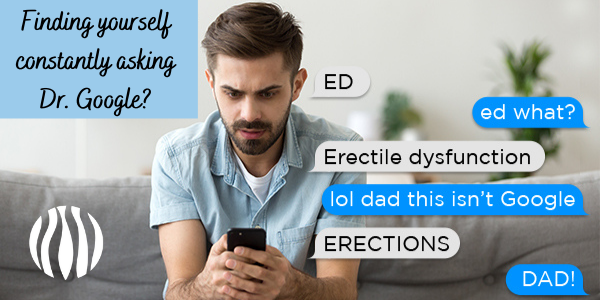
Erectile dysfunction is often surrounded by stigma, with many men hesitating to discuss it or seek help. This silence can perpetuate feelings of isolation and shame, making it harder for those affected to find solutions or support.
As a community, it’s vital to challenge the stigma associated with ED. By talking openly about it, you not only empower yourself but also encourage others to seek help and share their experiences. Remember that seeking assistance is not a sign of weakness but a proactive step toward self-improvement and understanding.
Moving Forward: A Balanced Perspective on Sexual Health
Recognizing That ED is Manageable
If you’re grappling with erectile dysfunction, it’s crucial to adopt a balanced perspective. Understand that ED is a common issue that many men face, and it is often manageable with the right approach.
Educating yourself about the condition, exploring treatment options, and recognizing the role of open communication can all lead to positive outcomes. You are not defined by erectile dysfunction—understanding it can transform your experience into an opportunity for growth and learning.
Finding Support
Whether you turn to healthcare professionals, your partner, or support groups, seeking help is essential. Branching out to find support helps normalize the conversation around ED and fosters connections with people who understand what you’re going through.
Engaging with online forums or local support groups dedicated to sexual health can also provide a sense of community. You’ll find that many others share similar experiences, which might help ease the burden of uncertainty that can accompany ED.
Conclusion
Understanding erectile dysfunction and breaking down the myths surrounding it can have a powerful impact on your life. The facts are that ED can affect men of all ages, has various causes, and is often manageable through medical treatment, lifestyle changes, and open communication with partners.
As you navigate your journey, remember that knowledge is power, and seeking help is a testament to your strength. By acknowledging the reality of erectile dysfunction and addressing it directly, you’re taking an important step toward reclaiming your sexual health and overall well-being.
We encourage you to clap for this article, share your thoughts in the comments, and subscribe to our Medium newsletter for more enlightening discussions on topics that matter. You are not alone in this journey—stay connected, and let’s break down the barriers together!