
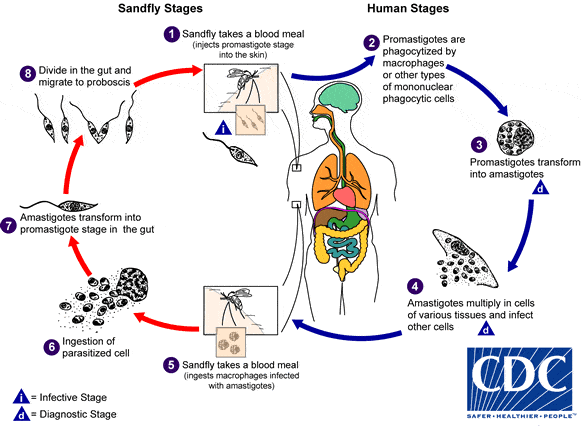
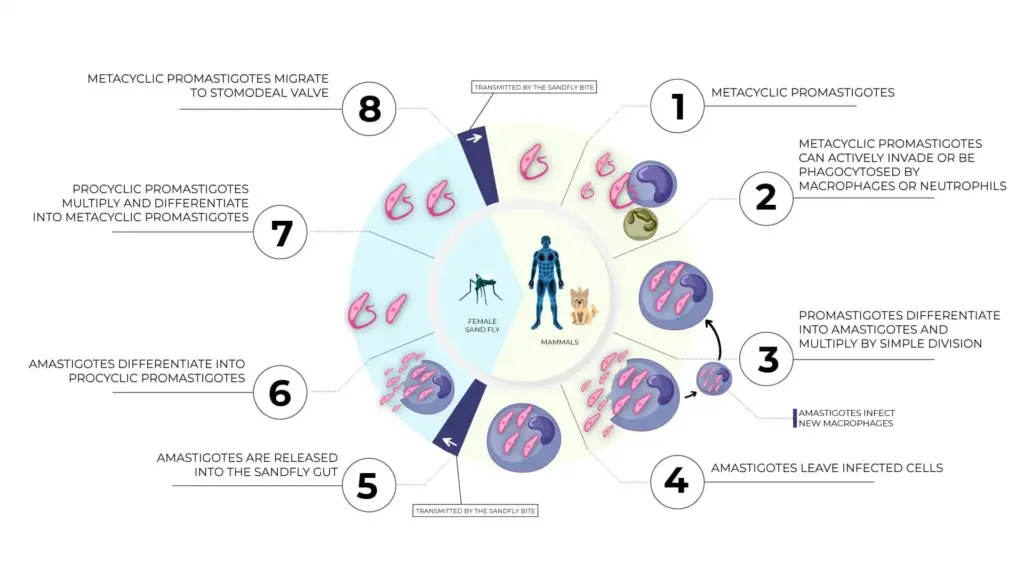
In this informative article, you will discover effective strategies to control the transmission of Leishmaniasis, a disease caused by parasites transmitted through the bite of infected sandflies. By understanding the cycle of transmission and implementing targeted interventions, such as the use of insecticides, improving access to healthcare, and promoting community education, we can take decisive steps towards breaking the cycle of this debilitating disease. Join us as we explore practical and sustainable approaches that can make a significant impact in reducing the burden of Leishmaniasis on affected communities worldwide.
Vector Control Measures
Insecticide-Treated Nets
Insecticide-treated nets are an effective and widely-used method for controlling the transmission of leishmaniasis. These nets are specially treated with insecticides that kill or repel the sand flies, which are the vectors responsible for spreading the disease. By using these nets while sleeping, you can create a physical barrier that prevents sand flies from biting you and transmitting the disease. Insecticide-treated nets have proven to be highly effective in reducing the incidence of both cutaneous and visceral leishmaniasis.
Indoor Residual Spraying
Another important vector control measure for leishmaniasis is indoor residual spraying. This involves applying insecticides to the walls and other indoor surfaces, which effectively kill the sand flies that come into contact with the treated surfaces. Indoor residual spraying not only reduces the number of sand flies inside homes but also serves as a preventive measure by preventing newly emerged insects from reaching maturity. By implementing indoor residual spraying in your home, you can significantly reduce the risk of leishmaniasis transmission.
Environmental Modifications
Environmental modifications are integral in controlling the breeding and harboring sites of sand flies. These measures include removing organic waste, vegetation control, and improving housing conditions. By eliminating areas where sand flies can breed and hide, you can reduce the likelihood of exposure to the disease. Simple actions such as cleaning up waste and maintaining a clean environment can go a long way in preventing the spread of leishmaniasis. It is important to keep your surroundings clean and well-maintained to minimize the risk of sand fly infestation.
Personal Protection
Use of Protective Clothing
Using protective clothing is an essential personal protection measure against leishmaniasis. By covering your body with long-sleeved shirts, long pants, and closed-toe shoes, you can reduce the amount of exposed skin that is susceptible to sand fly bites. It is particularly important to wear protective clothing during peak sand fly activity, which is normally during the evening and nighttime. By wearing appropriate clothing, you can create a physical barrier between yourself and the sand flies, minimizing the chances of being bitten and infected.
Insect Repellents
Insect repellents are another important tool in personal protection against leishmaniasis. These repellents are specifically designed to repel sand flies and other biting insects. When applied to exposed skin, they create a protective barrier that deters sand flies from landing and biting. Look for repellents containing active ingredients such as DEET, picaridin, or oil of lemon eucalyptus, as they have been proven effective in repelling sand flies. Apply insect repellent before going outdoors, especially in areas known for leishmaniasis transmission, to reduce the risk of infection.
Bed Nets
Bed nets, particularly those treated with insecticide, provide an additional layer of personal protection against sand fly bites. By hanging a bed net over your sleeping area, you can create a physical barrier that prevents sand flies from reaching you while you sleep. This is particularly important in regions where leishmaniasis is endemic, as sand flies are most active during the night. Using bed nets can significantly reduce the chances of being bitten and infected, especially for those who are unable to access or afford other vector control measures.
Case Detection and Treatment
Early Diagnosis
Early diagnosis plays a crucial role in controlling leishmaniasis transmission. By detecting and diagnosing cases early, healthcare providers can initiate prompt treatment and prevent further spread of the disease. It is important to seek medical attention if you develop symptoms such as skin sores that do not heal, fever, fatigue, or swollen lymph nodes. Early diagnosis allows for timely intervention and appropriate management of the infection, reducing the risk of severe complications and onward transmission to others.
Prompt Treatment
Prompt treatment is essential in effectively managing leishmaniasis cases and preventing its progression. The specific treatment for leishmaniasis varies depending on the type and severity of the infection. Treatment options include antimonial drugs, amphotericin B, and miltefosine. It is important to strictly adhere to the prescribed treatment regimen and complete the full course of medication as directed by your healthcare provider. Prompt treatment not only helps in curing the individual but also reduces the likelihood of transmitting the infection to others.
Access to Medications
Ensuring access to appropriate medications is vital in the control of leishmaniasis. Governments and healthcare systems should strive to make essential drugs readily available in endemic areas. This includes both the diagnosis-related drugs and the medications for treatment. By improving access to medications, individuals affected by leishmaniasis can receive timely and effective treatment, reducing the overall burden of the disease and preventing further transmission within the community.
Reservoir Control
Identification and Screening of Reservoir Hosts
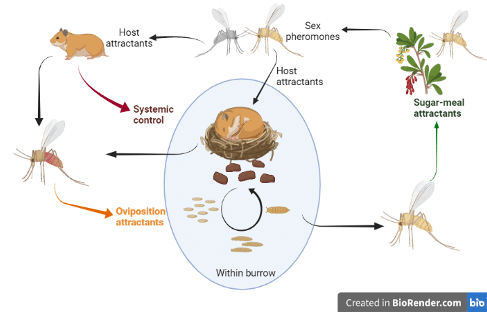
Reservoir control aims to minimize the role of animals as reservoirs for leishmaniasis. Identifying potential reservoir hosts, such as dogs, and implementing screening programs can help identify infected animals and take appropriate measures to prevent transmission. By identifying and treating infected animals, reservoir control measures significantly reduce the risk of disease transmission to humans. This is particularly important in areas where zoonotic transmission of leishmaniasis is common.
Vaccination of Reservoir Hosts
Vaccination of reservoir hosts, such as dogs, has shown promise in controlling leishmaniasis transmission. Vaccines can help reduce the prevalence and severity of infections in animals, which in turn reduces the risk of transmission to humans. Vaccination campaigns targeting reservoir hosts can be an effective strategy to break the cycle of leishmaniasis transmission. By vaccinating key animal populations in endemic areas, we can contribute to the overall reduction in the prevalence and impact of the disease.

Community Education and Engagement
Awareness Campaigns
Raising awareness about leishmaniasis is crucial in promoting prevention and control strategies. Awareness campaigns can educate communities about the disease, its mode of transmission, and the available prevention measures. By disseminating accurate information through various channels such as social media, radio, and community gatherings, individuals can learn how to protect themselves and their families. Awareness campaigns create a platform for open dialogue, addressing misconceptions, and fostering community engagement in the fight against leishmaniasis.
Health Education
Health education plays a significant role in empowering individuals to protect themselves and their communities. By providing accurate and culturally appropriate information about leishmaniasis, individuals can make informed decisions regarding prevention and treatment. Health education initiatives should focus on teaching key behaviors such as the use of vector control measures, seeking early diagnosis and treatment, and promoting good hygiene practices. By educating communities, we can foster a sense of responsibility and ownership in the fight against leishmaniasis.
Community Participation
Active involvement of the community is essential for the success of leishmaniasis control programs. Engaging community members in planning, implementation, and monitoring of prevention and control measures enhances the effectiveness and sustainability of interventions. Community participation can take the form of community-led clean-up campaigns, involvement in vector control activities, and active participation in surveillance and reporting of leishmaniasis cases. When individuals feel empowered and engaged, they become powerful advocates for change within their communities.
Improved Sanitation and Hygiene Practices
Waste Management
Proper waste management is crucial in reducing the breeding sites for sand flies. Effective waste management practices, such as regular collection, disposal, and proper storage of waste, can help eliminate potential habitat sites for sand flies. By keeping the environment clean and free from waste accumulation, we can minimize the risk of sand fly infestation and ultimately reduce the transmission of leishmaniasis. It is important for communities to prioritize proper waste management practices and establish systems that promote cleanliness and hygiene.
Safe Water Supply
Access to a safe water supply is essential for maintaining good hygiene practices and preventing the spread of leishmaniasis. Improving water sources, promoting water treatment and storage, and ensuring access to clean water can significantly impact disease transmission. By providing communities with safe water supplies, we can minimize the risk of disease transmission through contaminated water sources. This is particularly important in areas where leishmaniasis is associated with poor water and sanitation infrastructure.
Personal Hygiene
Promoting good personal hygiene practices is fundamental in preventing the spread of leishmaniasis. Encouraging regular handwashing with soap and water, especially before eating and after using the toilet, can reduce the risk of disease transmission. Emphasizing the importance of personal hygiene, such as maintaining clean living spaces and practicing proper waste disposal, can contribute to a healthier and safer environment. By cultivating good personal hygiene habits, individuals can play an active role in breaking the cycle of leishmaniasis transmission.
Integrative Approaches
Multisectoral Collaboration
Addressing leishmaniasis requires collaboration across multiple sectors, including health, environment, agriculture, and education. Multisectoral collaboration enables the sharing of resources, expertise, and knowledge to develop comprehensive and effective control strategies. By bringing together stakeholders from different sectors, we can leverage diverse perspectives and resources to address the multifaceted challenges of leishmaniasis. Collaboration across sectors can lead to integrated approaches that promote sustainable and long-term control of the disease.
One Health Approach
The One Health approach recognizes the interconnection between human, animal, and environmental health. Applying this approach to leishmaniasis control involves understanding the complex interactions between humans, reservoir hosts, sand flies, and the environment. By considering the interdependencies between these factors, we can develop holistic and integrated strategies that address the root causes of leishmaniasis transmission. The One Health approach fosters collaboration and cooperation among various disciplines, ensuring a comprehensive and sustainable approach to disease control.
Intersectoral Cooperation
Intersectoral cooperation plays a vital role in the successful implementation of leishmaniasis control measures. Different sectors, such as healthcare, agriculture, and education, need to work together to achieve common goals. Cooperation between sectors can involve sharing data and information, coordinating activities, and pooling resources to enhance the effectiveness of interventions. By breaking down silos and fostering intersectoral cooperation, we can achieve greater impact in controlling leishmaniasis and improving overall public health.
Research and Innovation
Development of New Diagnostic Tools
Continued research and innovation are essential in advancing the field of leishmaniasis control. The development of new diagnostic tools, such as rapid diagnostic tests and molecular techniques, can improve early detection and diagnosis of the disease. These tools can help healthcare professionals identify infected individuals more accurately and initiate timely treatment. Investing in research and innovation contributes to the development of more sensitive, specific, and cost-effective diagnostic tools, ultimately improving disease surveillance and control efforts.
Novel Treatment Approaches
Research into novel treatment approaches is crucial for addressing the challenges associated with leishmaniasis treatment. Scientists and researchers are constantly exploring new therapeutic options, including drug combinations and alternative treatment regimens. These efforts aim to improve treatment efficacy, reduce side effects, and overcome drug resistance. Research and development of novel treatment approaches are essential in ensuring that individuals affected by leishmaniasis have access to effective and safe treatment options.
Vector Control Innovations
Vector control innovations are at the forefront of leishmaniasis control efforts. Researchers are continuously seeking new ways to target sand flies and interrupt their transmission cycle. Innovative vector control strategies include the development of new insecticides, targeted interventions, and novel techniques for indoor residual spraying. By investing in vector control innovations, we can enhance the effectiveness of current control measures and develop new tools to combat the spread of leishmaniasis.
Surveillance and Monitoring
Vector Surveillance
Vector surveillance is critical for understanding the distribution, abundance, and behavior of sand flies. Monitoring sand fly populations helps identify high-risk areas and plan effective control strategies. By regularly collecting data on sand fly species, their habitat preferences, and infection rates, public health authorities can make informed decisions regarding vector control measures. Vector surveillance allows for timely interventions and adjustments to control strategies, contributing to the overall reduction in leishmaniasis transmission.
Case Reporting and Tracking
Accurate and timely case reporting is crucial for effective disease surveillance and control. Healthcare providers and laboratories play a key role in reporting diagnosed cases of leishmaniasis to public health authorities. Case reporting enables the tracking and monitoring of disease trends, identification of outbreak situations, and evaluation of control interventions. By promptly reporting cases and ensuring comprehensive data collection, public health systems can better understand the burden of leishmaniasis and implement targeted interventions to prevent further spread.
Genetic Surveillance
Genetic surveillance involves studying the genetic diversity and evolution of the parasite responsible for leishmaniasis. By analyzing the genetic characteristics of the parasite, scientists can gain insights into various aspects of disease transmission, such as drug resistance, vector competence, and virulence. Genetic surveillance can inform control strategies by identifying potential hotspots for transmission and guiding the selection of appropriate interventions. By integrating genetic surveillance into routine surveillance activities, we can improve our understanding of leishmaniasis transmission dynamics and tailor interventions accordingly.
Capacity Building
Training of Health Professionals
Capacity building in leishmaniasis control involves training healthcare professionals to effectively manage the disease. Training programs should cover topics such as diagnosis, treatment, surveillance, and prevention strategies. By equipping healthcare professionals with the necessary knowledge and skills, they can contribute to early detection, appropriate treatment, and effective prevention of leishmaniasis. Training programs should be regularly updated to incorporate new advancements in the field and to ensure that healthcare professionals are prepared to address emerging challenges.
Enhancing Laboratory Capacities
Enhancing laboratory capacities is vital for accurate diagnosis and monitoring of leishmaniasis. This includes strengthening diagnostic capabilities, establishing quality assurance systems, and ensuring the availability of necessary laboratory supplies. Well-equipped laboratories play a crucial role in confirming cases, identifying parasite species, and monitoring treatment response. By investing in laboratory infrastructure and training laboratory personnel, we can improve the accuracy and reliability of leishmaniasis diagnosis, contributing to more effective control efforts.
Public Health Infrastructure Strengthening
Strengthening public health infrastructure is essential for sustainable leishmaniasis control. This involves improving surveillance systems, establishing effective reporting mechanisms, and strengthening healthcare facilities in endemic areas. Robust surveillance systems enable early detection, timely response, and informed decision-making. Accessible and well-equipped healthcare facilities ensure that individuals affected by leishmaniasis receive appropriate treatment and care. By investing in public health infrastructure, we can build resilient systems that are capable of effectively controlling the spread of leishmaniasis and protecting public health.
In conclusion, controlling leishmaniasis transmission requires a comprehensive and multifaceted approach. Implementing vector control measures, promoting personal protection, ensuring early diagnosis and prompt treatment, and addressing reservoir control are all vital strategies to break the cycle of leishmaniasis transmission. Additionally, community education and engagement, improved sanitation and hygiene practices, integrative approaches, research and innovation, surveillance and monitoring, and capacity building are essential components in controlling leishmaniasis. By implementing these strategies and working together, we can make significant progress towards reducing the burden of leishmaniasis and improving the health and well-being of affected communities.