Leukemia, a type of cancer that affects the blood and bone marrow, is a topic of concern for many people. In this article, we will explore the various risk factors associated with leukemia and provide helpful prevention tips. By understanding the key factors that contribute to the development of leukemia, you can take proactive steps to reduce your risk and maintain a healthy lifestyle. So, let’s dive into this important topic and learn how we can prevent leukemia together!

Understanding Leukemia
Leukemia is a type of cancer that affects the blood and bone marrow. It is characterized by the abnormal production of white blood cells, which are responsible for fighting off infections and diseases. There are different types of leukemia, including acute lymphocytic leukemia (ALL), acute myeloid leukemia (AML), chronic lymphocytic leukemia (CLL), and chronic myeloid leukemia (CML). Each type has its own specific characteristics and treatment options.
Types of Leukemia
Acute lymphocytic leukemia (ALL) is the most common type of leukemia in children, while acute myeloid leukemia (AML) is more common in adults. Chronic lymphocytic leukemia (CLL) is a slow-growing form of leukemia that typically affects older adults, and chronic myeloid leukemia (CML) is a type of leukemia that often starts in the bone marrow and can spread to other parts of the body. Each type of leukemia has its own unique set of symptoms and prognosis.
How Leukemia Develops
Leukemia develops when there is a problem with the production of blood cells in the bone marrow. Normally, the bone marrow produces healthy red and white blood cells, as well as platelets. In leukemia, there is an overproduction of abnormal white blood cells, which crowd out the healthy cells. This can lead to a weakened immune system and an increased risk of infection. The exact cause of leukemia is not known, but certain risk factors can increase the likelihood of developing the disease.
Common Symptoms
The symptoms of leukemia can vary depending on the type and stage of the disease. Some common symptoms include fatigue, frequent infections, easy bruising or bleeding, swollen lymph nodes, unexplained weight loss, and bone pain. It is important to note that these symptoms can also be caused by other conditions, so it is important to see a healthcare professional for an accurate diagnosis.
Risk Factors for Leukemia
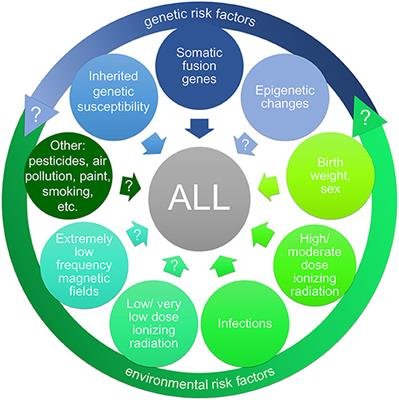
While the exact cause of leukemia is unknown, there are several risk factors that can increase a person’s likelihood of developing the disease. These risk factors include genetic predisposition, environmental factors, exposure to radiation, and chemical exposure.
Genetic Predisposition
Some people may have an increased risk of developing leukemia due to genetic factors. Certain genetic mutations or inherited conditions, such as Down syndrome, can increase the likelihood of developing leukemia. If you have a family history of leukemia or other blood disorders, it is important to discuss this with your healthcare provider.
Environmental Factors
Exposure to certain environmental factors can also increase the risk of developing leukemia. This includes exposure to certain chemicals, such as benzene, which is found in gasoline and cigarette smoke. Other environmental factors, such as certain infections, may also play a role in the development of leukemia.
Exposure to Radiation
Exposure to high levels of radiation, such as during cancer treatment or nuclear accidents, can increase the risk of developing leukemia. This is because radiation can damage the DNA in cells, which can lead to the development of cancer.
Chemical Exposure
Exposure to certain chemicals, such as pesticides and herbicides, has been linked to an increased risk of leukemia. It is important to take precautions when working with or around these chemicals and to follow safety guidelines to minimize exposure.

Prevention Tips for Leukemia
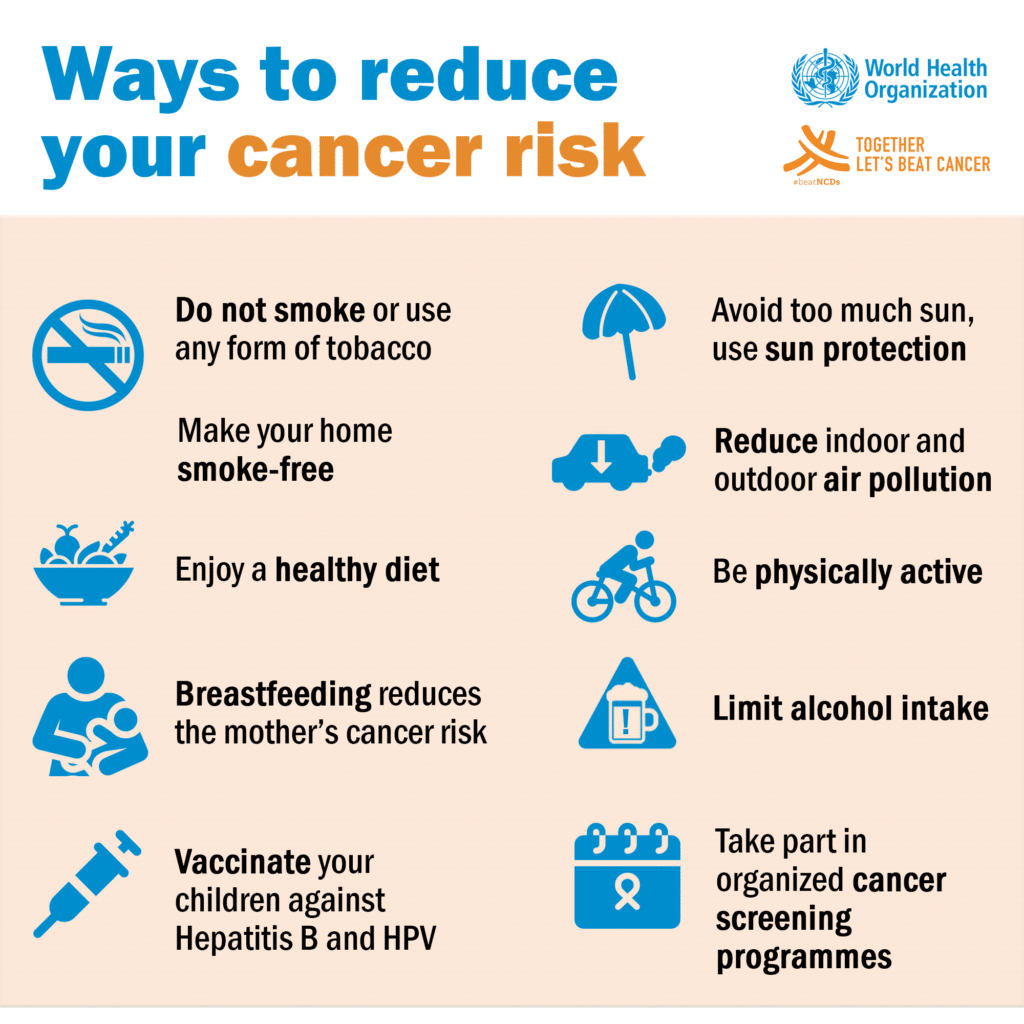
While it may not be possible to prevent leukemia entirely, there are steps you can take to reduce your risk and protect your health.
Genetic Counseling and Testing
If you have a family history of leukemia or other blood disorders, consider seeking genetic counseling and testing. This can help identify any genetic predispositions or inherited conditions that may increase your risk of developing leukemia. Knowledge is power, and understanding your genetic risk factors can help inform decisions about prevention and early detection.
Avoiding Environmental Hazards
Minimize your exposure to environmental hazards that may increase the risk of leukemia. This includes avoiding exposure to chemicals such as benzene, which is found in certain products and environments. Take precautions in your workplace, home, and community to reduce your exposure to harmful substances.
Protecting against Radiation
If you have to undergo radiation treatment for a medical condition, work closely with your healthcare team to minimize your exposure and follow safety protocols. If you live or work in an area with a nuclear facility, familiarize yourself with emergency procedures and follow any guidelines provided to protect yourself from radiation exposure.
Reducing Chemical Exposure
Be aware of and minimize your exposure to chemicals that have been linked to an increased risk of leukemia. This may include using natural alternatives to pesticides and herbicides, and being cautious when working with or around chemicals in certain industries.
Healthy Lifestyle Choices
Maintaining a healthy lifestyle can also help reduce your risk of developing leukemia. This includes eating a nutritious diet rich in fruits, vegetables, and whole grains, exercising regularly, getting enough sleep, managing stress, and avoiding tobacco and excessive alcohol consumption.
Detecting Leukemia Early
Early detection of leukemia is crucial for successful treatment and improved outcomes. Regular medical checkups and being aware of the warning signs can help in the early diagnosis of the disease.
Importance of Early Detection
Early detection of leukemia allows for prompt treatment and a better chance of achieving remission. It is important to be proactive about your health and to report any unusual symptoms or changes to your healthcare provider. Regular screenings and checkups can help detect leukemia at an early stage.
Regular Medical Checkups
Schedule regular checkups with your healthcare provider to monitor your overall health and discuss any concerns. During these visits, your healthcare provider may perform blood tests, physical examinations, and other diagnostic tests to screen for leukemia and other health conditions.
Recognizing Warning Signs
Being aware of the warning signs of leukemia can help in early detection. Some common warning signs include frequent infections, unexplained bruising or bleeding, fatigue, weight loss, swollen lymph nodes, and bone pain. If you experience any of these symptoms, it is important to seek medical attention for a proper diagnosis.
Understanding Leukemia Treatment
Leukemia treatment can vary depending on the type, stage, and individual factors. There are traditional treatments, such as chemotherapy, radiation therapy, and stem cell transplantation, as well as emerging therapies that target specific genetic mutations or pathways.
Traditional Treatments
Chemotherapy is a common treatment option for leukemia and involves the use of powerful drugs to kill cancer cells. Radiation therapy uses high-energy rays to target and destroy cancer cells. Stem cell transplantation, also known as a bone marrow transplant, involves replacing the diseased bone marrow with healthy stem cells. These traditional treatments can be effective in achieving remission and prolonging survival in many cases.
Emerging Therapies
Advances in research and technology have led to the development of emerging therapies for leukemia. This includes targeted therapies that focus on specific genetic mutations or pathways involved in the development and growth of leukemia cells. Immunotherapy, which harnesses the power of the immune system to fight cancer, is also being explored as a potential treatment option for leukemia.
Importance of Care Team
Throughout your leukemia treatment journey, having a supportive and knowledgeable care team is crucial. This includes hematologists, oncologists, nurses, and other healthcare professionals who specialize in leukemia treatment. They can help guide you through the treatment process, provide emotional support, and answer any questions or concerns you may have.
Importance of Education and Awareness
Education and awareness are essential in the fight against leukemia. By increasing knowledge and understanding of the disease, we can work towards early detection, improved treatment options, and better support for those affected by leukemia.
Leukemia Awareness Campaigns
Leukemia awareness campaigns play a vital role in educating the public about the disease and its impact. These campaigns aim to raise awareness about risk factors, prevention strategies, and the importance of early detection. By participating in awareness campaigns and sharing information, you can help spread knowledge and support the leukemia community.
Supporting Leukemia Research
Research is crucial in advancing our understanding of leukemia and developing new treatment options. By supporting leukemia research initiatives through donations or participation in fundraising events, you can contribute to the development of better treatments and improved outcomes for those affected by the disease.
Spreading Knowledge
Sharing knowledge and information about leukemia can make a significant difference in the lives of those affected. By educating others about the risk factors, prevention tips, and early detection methods, you can empower individuals to take control of their health and make informed decisions. Together, we can make a positive impact in the fight against leukemia.
In conclusion, understanding leukemia, its risk factors, prevention tips, early detection methods, treatment options, and the importance of education and awareness is crucial in the fight against this disease. By taking proactive measures to reduce risk, detect leukemia early, and support research and awareness initiatives, we can work towards better outcomes for individuals affected by leukemia. Remember, knowledge is power, and together, we can make a difference in the lives of those impacted by this devastating disease.